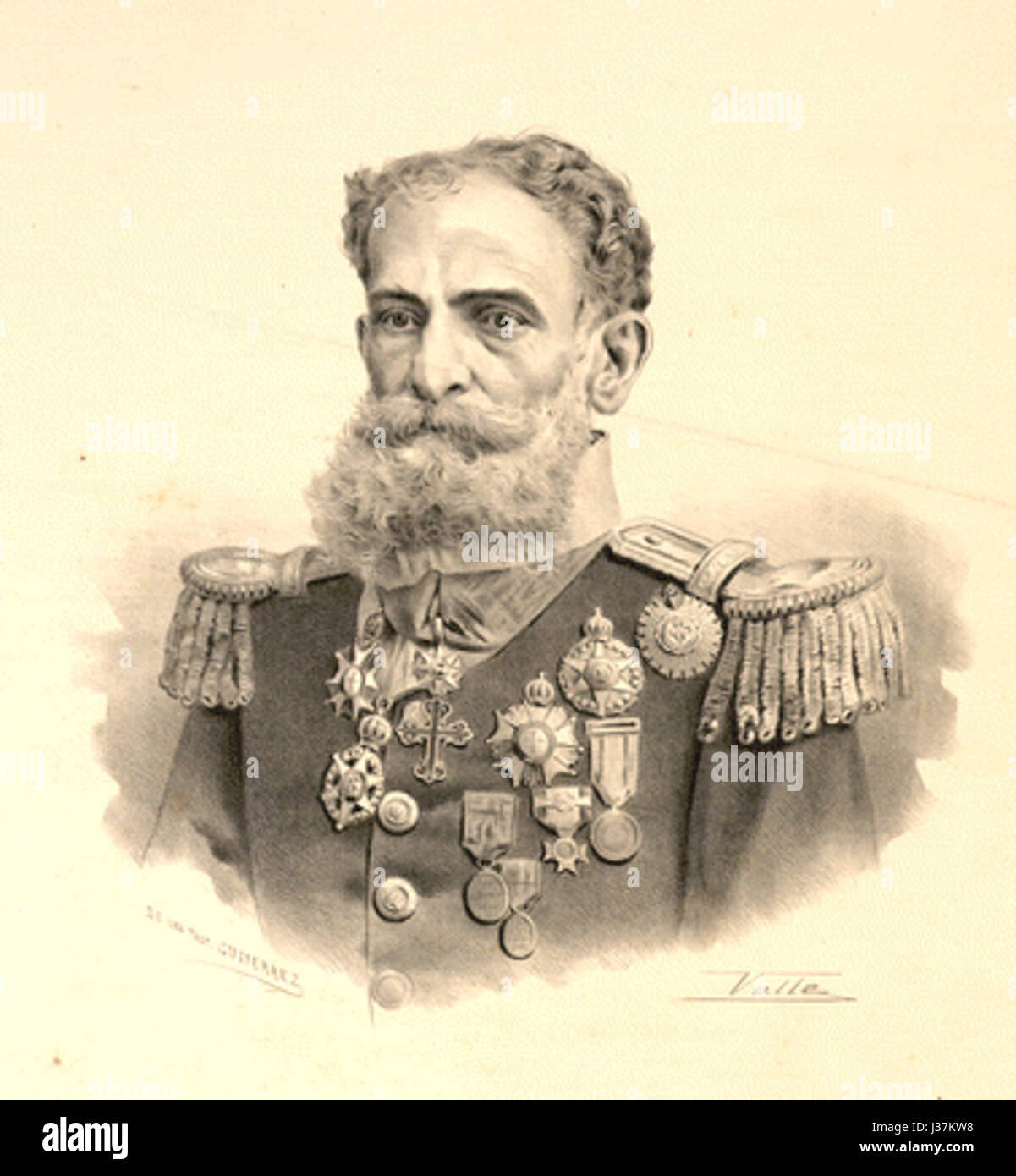
Deodoro da Fonseca
 Brazil
Brazilian military officer•politician•first President of Brazil
Also known as: Manuel Deodoro da Fonseca, Marechal Deodoro
Birthday
August 5, 1827
Birth Sign
Leo
Birthplace
Alagoas da Lagoa do Sul, Alagoas, Brazil (now Marechal Deodoro)
Age
Died at 65
About
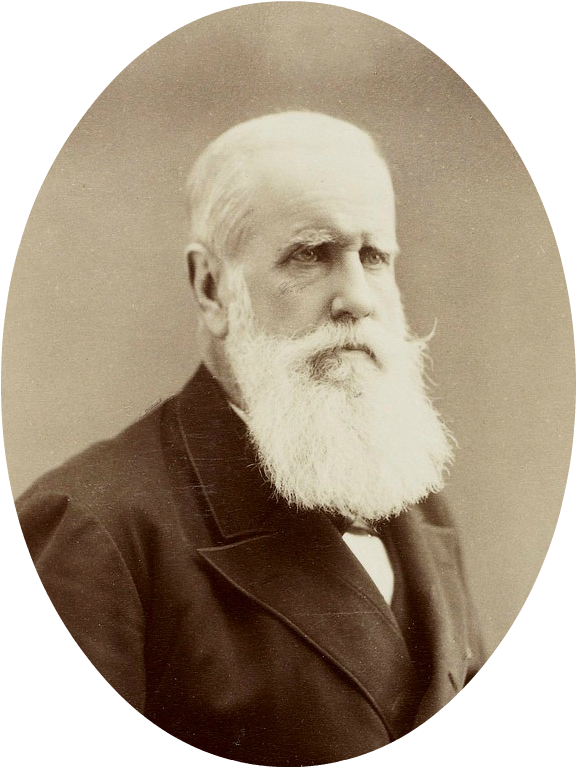
Manuel Deodoro da Fonseca was a Brazilian military officer and politician who led the coup that ended the Brazilian Empire and became the first president of the Republic of Brazil. Born in the poor northeastern state of Alagoas, he rose through the army to become a national hero, celebrated for his bravery in the Paraguayan War and his role as a senior marshal. His military prestige made him the natural figurehead for the movement that overthrew Emperor Pedro II on November 15, 1889, a date Brazilians still mark as Republic Day.
Fonseca's presidency was short and turbulent. He first headed a provisional government, then was elected president by the Constituent Congress in February 1891, only to resign nine months later after dissolving Congress amid threats of civil war. He died less than a year after stepping down. Today he is remembered as the founder of the Brazilian Republic, his birthplace renamed Marechal Deodoro in his honor, and his legacy taught in schools across the country.
Early Life & Background
Deodoro da Fonseca was born on August 5, 1827, in the small town of Alagoas da Lagoa do Sul, in Brazil's impoverished Northeast. His father, Manuel Mendes da Fonseca Galvão, was an army officer of modest standing who had changed his surname from Galvão to Fonseca, likely after a family quarrel. His mother, Rosa Maria Paulina de Barros Cavalcanti, came from a local family. Deodoro was one of eight brothers, and all of them followed their father into the military, a tradition that shaped his early life.
At sixteen, he entered the Military School in Rio de Janeiro, graduating in 1847. His first major assignment came the following year when he helped suppress the Praieira Revolt, a liberal uprising in Pernambuco. This early experience established his reputation as a capable and steady officer. During the Paraguayan War (1864–1870), he fought against Francisco Solano López and displayed such personal bravery that he became one of the most respected officers in the army. Promotions followed: brigadier general in 1874, field marshal in 1884. In 1886 he served briefly as president of Rio Grande do Sul, then moved to Rio as quartermaster general, where he emerged as the military strongman around whom disgruntled officers rallied.
Career Growth
Fonseca's breakthrough came in the late 1880s amid the so-called Military Question, a series of clashes between army officers and the imperial government. Though politically conservative and personally loyal to Emperor Pedro II, he felt duty-bound to defend officers' right to voice political opinions. When the emperor declared him insubordinate, Fonseca headed the military revolt of November 15, 1889, that deposed Pedro II and proclaimed Brazil a republic. He then served as head of the provisional government, presiding over the election of the Constituent Congress in September 1890 and the promulgation of a new constitution on February 24, 1891.
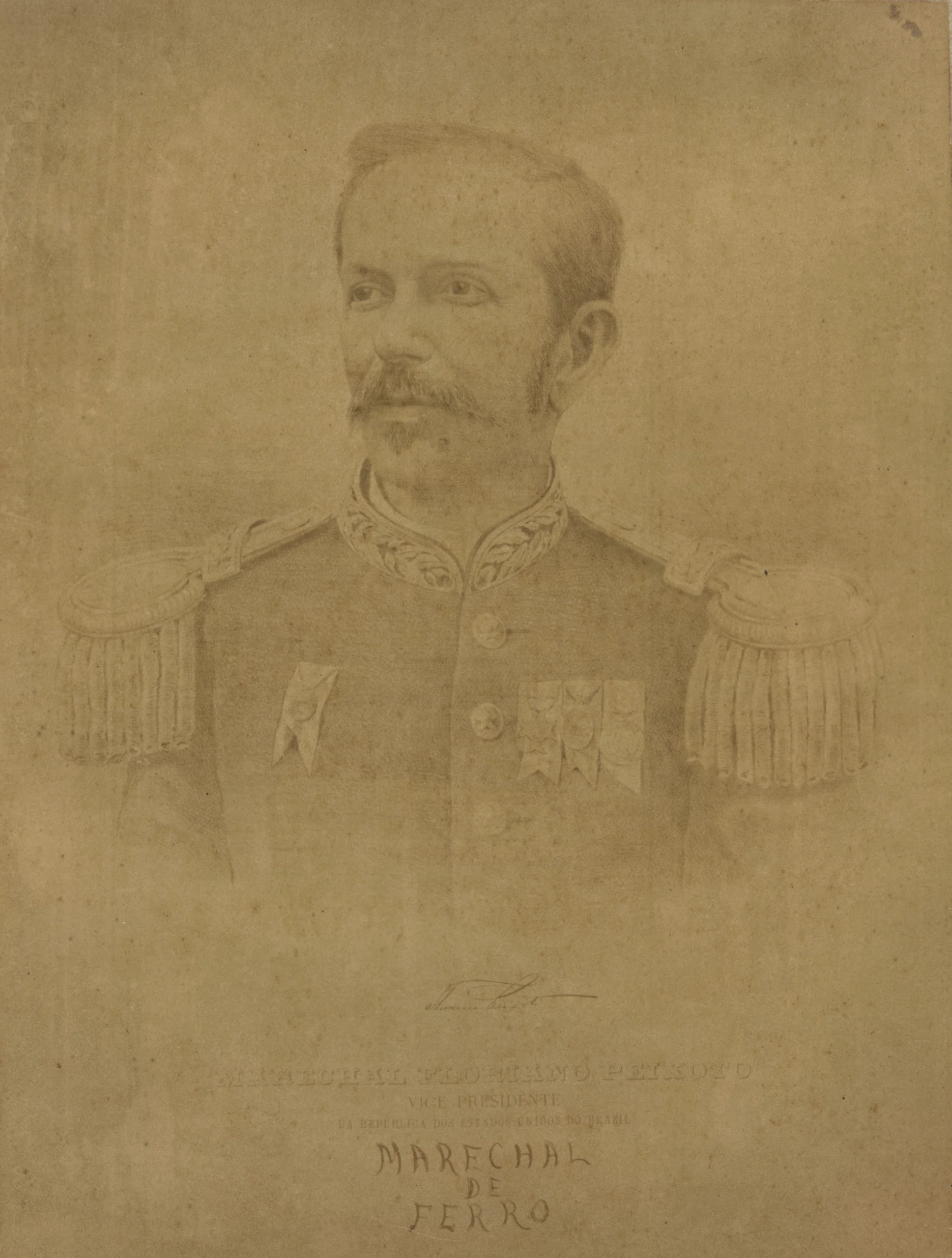
The following day, the Congress elected him the first president of the Republic. His presidency was marked by conflict with the civilian-dominated legislature, and he resorted to arbitrary decrees, including granting the port of Torres to a private company. Facing intense opposition and the threat of civil war, he dissolved Congress, but the move backfired. He resigned on November 23, 1891, and handed power to Vice President Floriano Peixoto. He died less than a year later.
Career Timeline
Public Image & Style
Fonseca is remembered as the military strongman who toppled an empire and founded a republic. In Brazil, he is a national hero, his image adorning monuments and his birthplace renamed in his honor. He is often portrayed as a man of action rather than a politician, someone who struggled with the subtleties of democratic governance. His military bearing and personal bravery in the Paraguayan War made him a beloved figure among troops, and that popularity carried him into politics. Today, his legacy is taught in schools, and Republic Day on November 15 celebrates the moment he proclaimed the new government.
Fame & Fandom
Deodoro da Fonseca currently holds no placement in the iFANN Global Top 1,000 rankings. The iFANN Global Fame Engine has evaluated this historical figure but found he does not currently occupy a spot on any published scope list or ranked tier. This absence reflects his status as a foundational statesman rather than a contemporary celebrity subject to viral metrics or pop culture consumption cycles.
The concept of a fandom for Deodoro da Fonseca is entirely absent from modern documentation. Unlike modern icons who inspire organized fanbases with specific names and rituals, Fonseca commands a legacy maintained through state commemoration and historical study. There are no collective titles used by admirers, no fan campaigns, and no subcultures dedicated to his persona. His image survives in monuments and the renaming of his birthplace, but these are acts of national remembrance rather than expressions of fan devotion.
November 15 remains a pivotal date in Brazilian history, marking the Proclamation of the Republic that Fonseca led. While crowds gather for this national holiday, they do so as citizens observing a civic milestone, not as fans engaging in fandom activities. The search results confirm no organized groups, inside jokes, or interactions typical of celebrity worship exist for him. His enduring presence is strictly political and historical, rooted in the 1889 coup and his brief presidency, lacking the entertainment mythology that defines modern fame.
Interesting Facts and Legends
Manuel Deodoro da Fonseca was born into a family where military service was the only path; all eight of his brothers entered the army, creating an unprecedented tradition of uniformed siblings. His own surname was not original; his father changed it from Galvão to Fonseca following a domestic dispute, a small family drama that inadvertently named Brazil's first president.
Fonseca was never a committed republican at heart. He joined the movement to overthrow Emperor Pedro II only after being persuaded at the last moment, viewing himself more as the heir to the Duke of Caxias than as a revolutionary ideologue. His tenure was fleeting; he served less than nine months after his formal election in February 1891, making his presidency one of the shortest in the nation's history.
A defining legend of his era involves the timing of his rise. He seized power just days after Princess Isabel abolished slavery, a move that shattered the political balance and added immediate turmoil to the new republic. This sequence of events, slavery's end followed immediately by imperial collapse, cemented his role as the man who ushered in a new age, even as he struggled to govern the fragile democracy he helped create.
Family & Personal Life
Deodoro married Mariana da Fonseca, but few details about their courtship or family life are documented. He was the son of Manuel Mendes da Fonseca Galvão, an obscure army officer, and Rosa Maria Paulina de Barros Cavalcanti. He grew up with seven brothers, all of whom pursued military careers, continuing the family tradition. His father's decision to adopt the Fonseca surname shaped the family's identity. The couple had no publicly recorded children, and their household remains largely private in historical records.
Notable Connections
Fonseca's life intersected with several key figures of his era. He deposed Emperor Pedro II in the 1889 coup, a moment that defined both their legacies. His vice president, Floriano Peixoto, became a bitter rival, and their political animosity contributed to the instability of his presidency. Benjamin Constant succeeded him as president of the Military Club and was also involved in the republican movement. Fonseca viewed himself as the heir to the Duke of Caxias, Brazil's greatest military hero. On the battlefield, he faced Francisco Solano López in the Paraguayan War.
Relationships & Dating History
Deodoro da Fonseca was married to Mariana da Fonseca, but the historical record is thin on details. They married at some point in the 19th century, though the exact date is unknown. No children are recorded from the marriage. There are no other documented romantic relationships, and no rumors or scandals appear in credible sources. As a military officer and later president, his private life remained largely out of the public eye. At the time of his death on August 23, 1892, he was still married to Mariana.
- MarriedMariana da Fonseca? - 1892Married for an unknown period; no children recorded.
Death & Aftermath
Died
August 23, 1892 (aged 65)
Death Place
Rio de Janeiro
Cause of Death
Heart failure
The final days of Brazil's first president unfolded in quiet resignation at his Rio de Janeiro residence, where Deodoro da Fonseca spent three months retired after stepping down to avert civil war. On August 23, 1892, the 65-year-old marshal passed away peacefully from heart failure, a condition exacerbated by the intense stress of his political struggles and abrupt departure from power. Physicians present at his bedside established the cause through direct observation rather than formal autopsy or coroner's ruling, a customary practice for high-ranking officials of that era who died of natural causes within their homes. The nation reacted with deep mourning and solemn reflection, viewing the loss as the end of an era and the closing chapter of the founding generation that had toppled Emperor Pedro II.
Tributes poured in from military peers and government officials who honored his service as the architect of the Republic, while official commemorations marked the transition to the consolidation of the First Republic. A major state funeral followed shortly after his death, attended by high-ranking military officers, government dignitaries, and prominent citizens of the capital. The ceremony featured military honors befitting a Marshal and the first President of the Republic, adhering to Catholic customs with a traditional burial rather than cremation. Posthumously, his memory endured through the renaming of streets, schools, and military units across Brazil, cementing his status as the Father of the Republic in historical texts and civic education.
Net Worth (Estate Value)
$10 Million
iFANN Editorial Team estimate
As a 19th-century military officer and politician, Deodoro da Fonseca did not accumulate personal wealth in the modern sense. His income came from his army salary and government stipends, which were modest. He left no significant estate, and his financial legacy is not a subject of historical study. Per iFANN's editorial analysis, the net worth figure of $10 Million reflects the historical value of his estate and the ongoing commemoration of his legacy, including monuments and the renaming of his birthplace. No posthumous earnings or licensing deals exist, as his image is part of Brazil's public heritage.
Awards & Accolades
View 4 records, honours and achievementsKnown For
First President of Brazil
1891 · President
Proclamation of the Republic
1889 · Leader of the coup
Keywords
Sources
Quick Facts
- Profession
- politician, military personnel
- Born
- August 5, 1827
- Birthplace
- Alagoas da Lagoa do Sul, Alagoas, Brazil
- Died
- August 23, 1892
- Death Place
- Rio de Janeiro (some sources say Barra Mansa)
- Gender
- Male
- Spouse
- Mariana da Fonseca
- Birth Sign
- Leo
Personal Details
- Full Name
- Manuel Deodoro da Fonseca
- Spouse
- Mariana da Fonseca
- Education
- Military School, Rio de Janeiro (graduated 1847)
Frequently Asked Questions
Who was Deodoro da Fonseca?
How did Deodoro da Fonseca die?
Was Deodoro da Fonseca married?
What did Deodoro da Fonseca accomplish?
Why did Deodoro da Fonseca resign as president?
Join the community
fans discussing