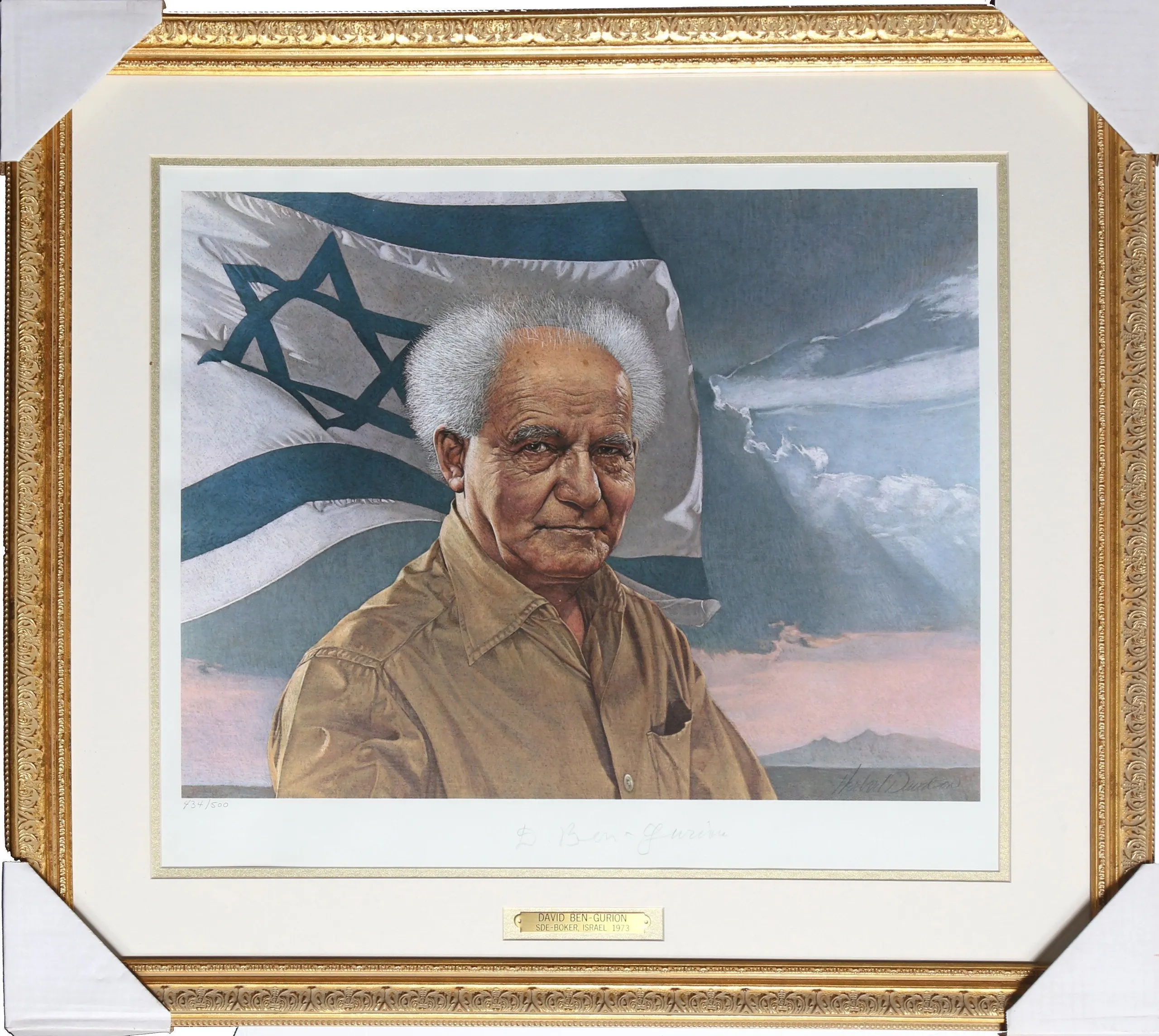
David Ben-Gurion
 Israel
politician•trade unionist•Zionist
Also known as: David Grün, Ben-Gurion, David Ben Gurion
Birthday
October 16, 1886
Birth Sign
Libra
Birthplace
Płońsk, Poland
Age
Died at 87
About
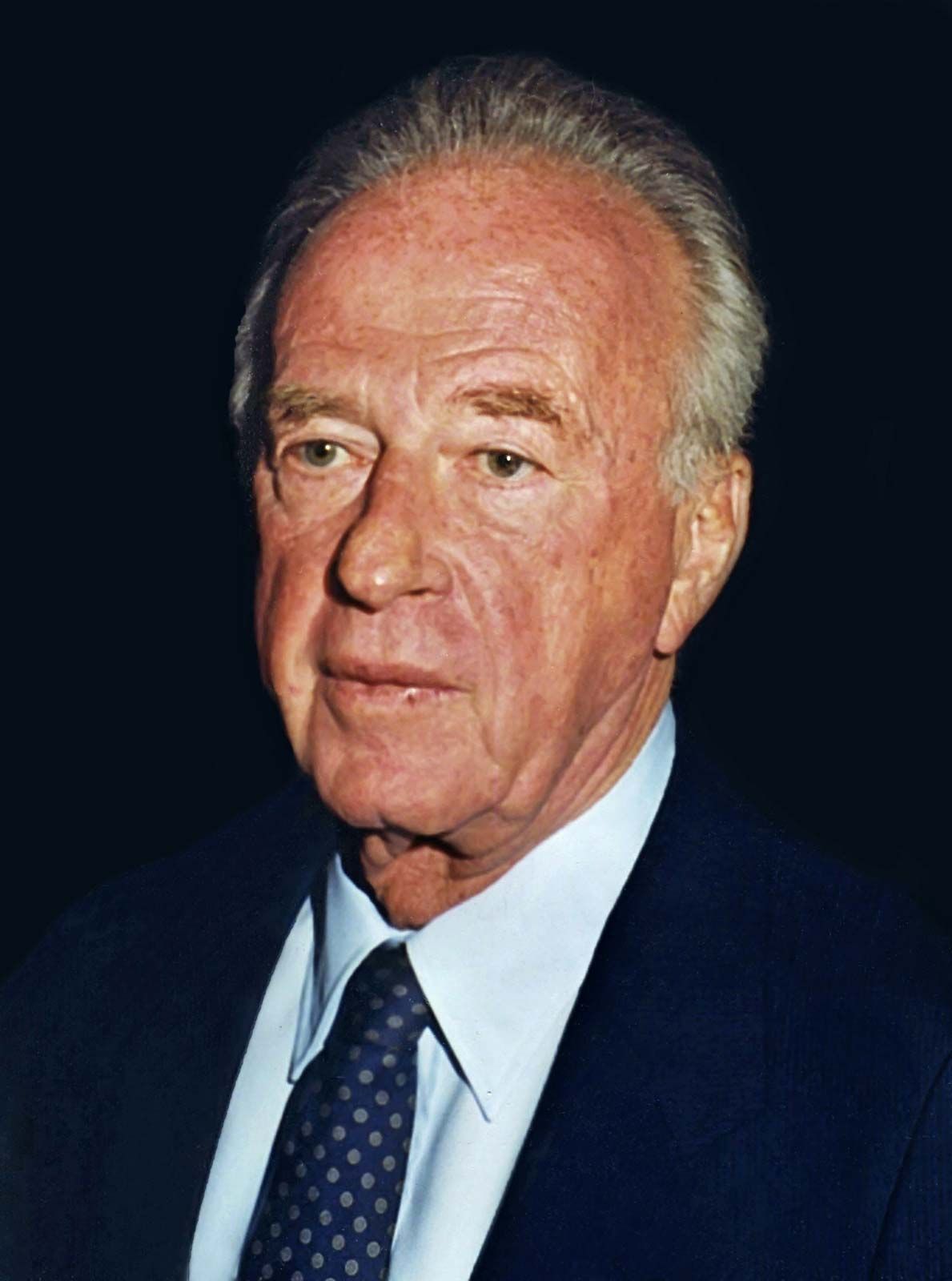
David Ben-Gurion was the primary national founder and first prime minister of the State of Israel. Born David Grün in Płońsk, Poland, he became the driving force behind the establishment of a Jewish state in the Land of Israel. He proclaimed Israel's independence on May 14, 1948, and led the nation through its formative years, including the 1948 Arab-Israeli War and the 1956 Suez Crisis.
Ben-Gurion served as prime minister from 1948 to 1953 and again from 1955 to 1963, shaping Israel's political and military institutions. He unified the various Jewish militias into the Israel Defense Forces, absorbed waves of immigrants, and forged a reparations agreement with West Germany. His vision of a Jewish state in the Negev desert led him to retire to Kibbutz Sde Boker, where he lived until his death in 1973.
Time magazine named him one of the 100 most important people of the 20th century, recognizing his role as a founding father of modern Israel.
Early Life & Background
David Grün was born on October 16, 1886, in Płońsk, a small town in Congress Poland, then part of the Russian Empire. His father, Avigdor Grün, was a lawyer and an active Zionist, which shaped David's early awareness of Jewish nationalism. The family home was steeped in Hebrew culture and the dream of a return to Zion.
At age 14, David co-founded a Zionist youth group called Ezra, and by 17 he was already a committed Zionist, teaching Hebrew to local children. He moved to Warsaw in 1904 to study, but his activism soon drew him to the idea of aliyah. In 1906, at the age of 20, he immigrated to Ottoman Palestine, working as a farm laborer in the Jewish settlements of Petah Tikva and Sejera.
In 1909, he adopted the Hebrew name Ben-Gurion, after the ancient Jewish leader Joseph ben Gurion, and began writing for Zionist publications. His early years in Palestine were marked by hardship and a deepening commitment to socialist Zionism, which would define his political philosophy.
Career Growth
Ben-Gurion's rise in Zionist leadership was rapid. By 1935, he headed the Jewish Agency, effectively leading the Jewish community in Mandatory Palestine. In 1946, he became the executive head of the World Zionist Organization. The pivotal moment came on May 14, 1948, when he formally proclaimed Israel's independence, reading the declaration he helped draft.
During the 1948 Arab-Israeli War, he unified the various Jewish militias into the Israel Defense Forces, securing victory and establishing the state's borders. As prime minister, he focused on building state institutions, integrating waves of immigrants, and forging a reparations agreement with West Germany. He also supported military responses to Arab guerrilla attacks and was involved in the 1956 Suez invasion.
After stepping down in 1963, he retired to Kibbutz Sde Boker in the Negev, where he continued to write and reflect on the future of Israel. His legacy remains central to Israeli identity and politics.
Career Timeline
Public Image & Style
Ben-Gurion's public image was that of a determined, sometimes gruff, founding father. He was often photographed with his iconic white hair and bushy eyebrows, a stern expression that softened in the presence of children. He was known for his plain speaking and his willingness to take unpopular decisions.
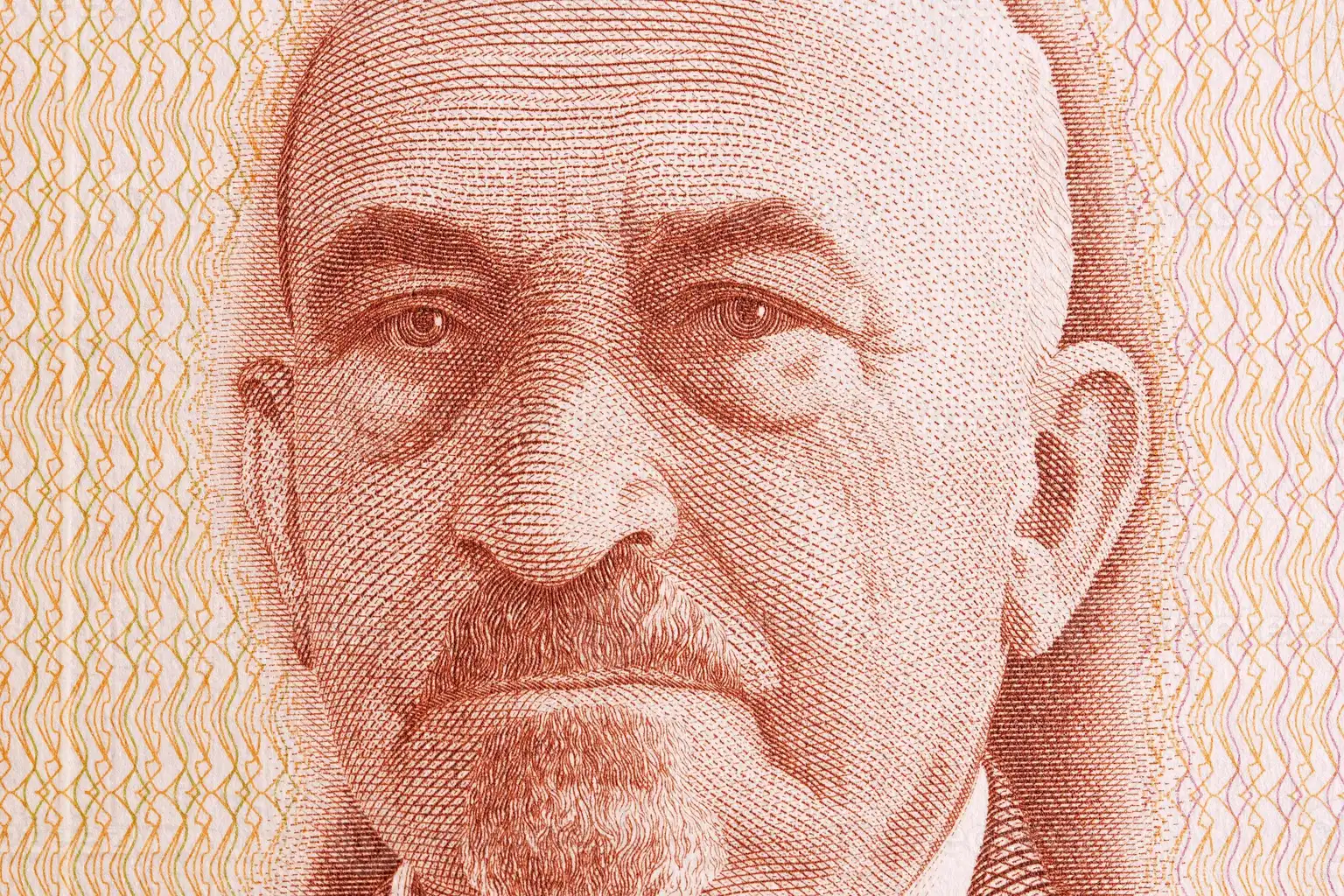
In Israel, he is revered as the "Father of the Nation," a title that reflects his central role in the state's creation. His image appears on Israeli currency and stamps, and his name adorns the country's main airport and numerous streets. He was also a controversial figure, particularly for his policies toward Palestinians and his handling of the 1946 King David Hotel bombing, which has been re-examined in recent years.
His legacy continues to be debated, but his place in Israeli history is secure.
Fame & Fandom (iFAMOUS Rankings)
The devotion to David Ben-Gurion differs sharply from the adoration of modern entertainers. His supporters do not form a fandom with rituals, unofficial names, or organized campaigns; instead, his legacy is sustained through state institutions, educational curricula, and serious historical discourse. There are no fan clubs chasing viral moments or crowds shutting down streets for personal appearances, as his public life was defined by political rallies during an era before celebrity worship existed. The reverence he commands is that of a founding father, maintained by citizens who view him as the architect of their nation rather than a pop icon. While organizations like the Sde Boker museum preserve his memory, these are acts of historical stewardship, not fan activism. Recent discussions in 2026 continue to revisit his complex decisions, particularly regarding Palestinians in 1948, ensuring his story remains a subject of intense analysis rather than passive consumption. This enduring engagement keeps his narrative alive across generations, blending deep respect with critical examination of his strategic errors. His standing in global recognition reflects this unique position as a foundational statesman. According to the iFANN Global Fame Rankings, David Ben-Gurion is the 2nd most famous person in Israel, a position holding steady from the previous cycle. He also ranks as the 5th most famous person from Israel and the 17th most famous person in Middle East. These placements capture the depth of his influence within the region and among those of his origin, tracking his prominence across media coverage, search activity, and cultural consumption worldwide.
Interesting Facts and Legends
Ben-Gurion was a voracious reader who reportedly finished several books each week, fueling his deep well of knowledge. A passionate advocate for Hebrew, he insisted on its exclusive use in all official capacities, helping to revive the language as a living tongue. He famously took long walks through the desert, claiming the silence helped him think. In his later years, he adopted a vegetarian diet, with herring listed as his favorite food. Despite being a heavy smoker, he quit cigarettes in his sixties. He maintained a diary for most of his life, creating a valuable historical resource. His nickname, "the Old Man," was used affectionately by both friends and colleagues. Beyond these habits, his life is marked by iconic moments that serve as national legends. The reading of the Declaration of Independence in Tel Aviv remains the single most defining event of his career. Another legendary chapter involves his voluntary resignation in 1953 to live on a kibbutz in the Negev, symbolizing his commitment to Zionism over political power. Even decades later, newly published writings from his archives continue to spark debate about his miscalculations regarding Palestinians in 1948, keeping his complex legacy alive in contemporary discourse.
Notable Quotes
“In our land, a Jew must be a master in his own house.”
“Anyone who does not believe in miracles is not a realist.”
“We shall fight the good fight and we shall win.”
Family & Personal Life
David Ben-Gurion married Paula Munweis in 1917. Paula, a Russian-born nurse, was a constant support throughout his political career. They had three children: a daughter, Geula, and two sons, Amos and Renana. The family lived in Tel Aviv and later at Kibbutz Sde Boker.
Ben-Gurion was known to be a devoted family man, though his political commitments often kept him away from home. His son Amos became a noted writer and military officer. The family's private papers and correspondence have been preserved in the Ben-Gurion Archives.
Notable Connections
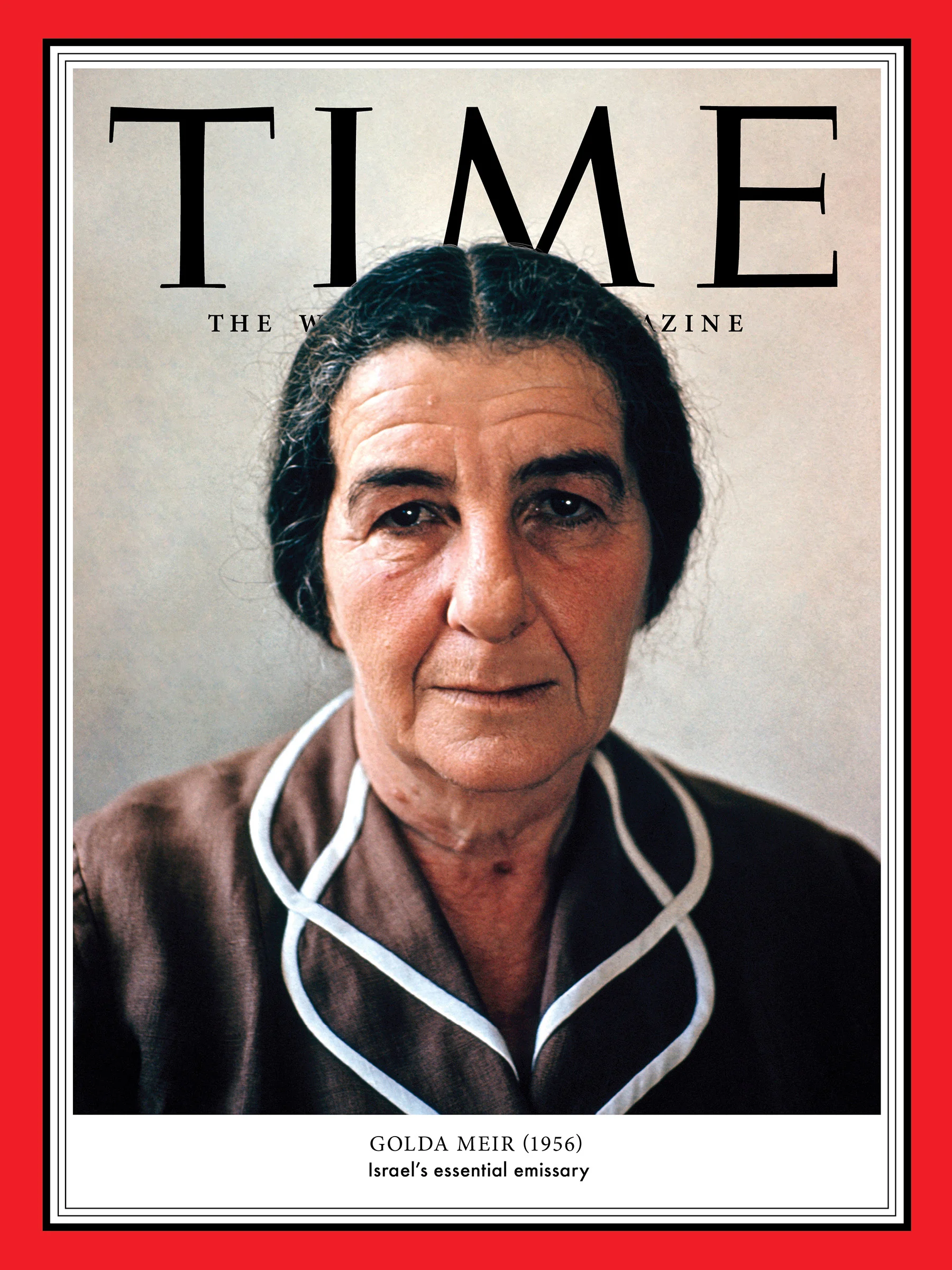
Ben-Gurion's closest political ally was Paula Ben-Gurion, his wife of over 50 years. He worked alongside Chaim Weizmann, the first president of Israel, though their relationship was often strained. His military chief of staff during the 1948 war was Yigael Yadin, and he mentored many young leaders, including Moshe Dayan and Shimon Peres.
Relationships & Dating History
David Ben-Gurion married Paula Munweis in 1917, after meeting her in New York where she was working as a nurse. Paula was a constant companion and political confidante, and they remained married until her death in 1968. The couple had three children.
Ben-Gurion was known to be devoted to his wife, though their marriage had its challenges due to his long absences and intense political focus. After Paula's death, he lived alone at Sde Boker until his own passing in 1973. He did not remarry.
- MarriedPaula Ben-Gurion1917 - 1968Married until her death in 1968; they had three children.
Death & Aftermath
Died
December 1, 1973 (aged 87)
Death Place
Sde Boker, Negev Desert, Israel
Cause of Death
natural causes
The final chapter for the architect of the State of Israel unfolded in the quiet isolation of his Negev home, where he had retreated to Kibbutz Sde Boker after stepping down from public office. David Ben-Gurion passed away on December 1, 1973, at the age of 87., historical records generally indicate he died of natural causes following a long period of declining health. The nation and the global Jewish community responded with profound mourning, treating the loss as a national tragedy befitting a founding father. Tributes poured in from peers and institutions alike, acknowledging his enduring shadow over Israeli politics and identity.
His funeral served as a major state event attended by government officials and dignitaries, reflecting the immense respect held for the man who proclaimed independence in 1948. Ben-Gurion requested burial next to his wife, Paula, who had predeceased him, ensuring their final rest together at Sde Boker. The site has since been designated as a national memorial dedicated to his life and work. Posthumously, his legacy has remained central to academic study and political discourse, with the Ben-Gurion Research Institute established at the university nearby to preserve his extensive writings and personal papers for future generations.
Net Worth (Estate Value)
$10 Million
iFANN Editorial Team estimate
Following David Ben-Gurion's death in 1973, his financial legacy is administered through his estate, managed by the Ben-Gurion Heritage Institute. The primary assets include rights to his extensive writings, diaries, and personal papers, which are preserved by the Ben-Gurion Archives. These materials have fueled numerous books, documentaries, and exhibitions, generating consistent royalties over the decades. Per iFANN's editorial analysis, the estate's value is estimated at $10 Million in 2026, reflecting the enduring global interest in his life and contributions. Additional income flows from the licensing of his name and image for various commemorative projects. His personal library and effects remain at Sde Boker, a site designated as a national heritage center. The continued publication of his letters and the sale of documentary rights further bolster the estate's financial sustainability, ensuring his cultural impact translates into tangible support for his archival work.
Awards & Accolades
View 3 records, honours and achievementsKnown For
First Prime Minister of Israel
1948 · Prime Minister
Proclamation of Israeli Independence
1948 · Signatory
Keywords
Sources
Quick Facts
- Profession
- politician, trade unionist, Zionist
- Born
- October 16, 1886
- Birthplace
- Płońsk, Poland
- Died
- December 1, 1973
- Death Place
- Ramat Gan, Israel
- Gender
- Male
- Spouse
- Paula Ben-Gurion
- Birth Sign
- Libra
- Children
- 3
Personal Details
- Full Name
- David Grün
- Spouse
- Paula Ben-Gurion
- Children
- 3
Frequently Asked Questions
Who was David Ben-Gurion?
When and where was David Ben-Gurion born?
What was David Ben-Gurion's role in the creation of Israel?
When did David Ben-Gurion serve as Prime Minister of Israel?
Where did David Ben-Gurion live after leaving office?
Join the community
fans discussing