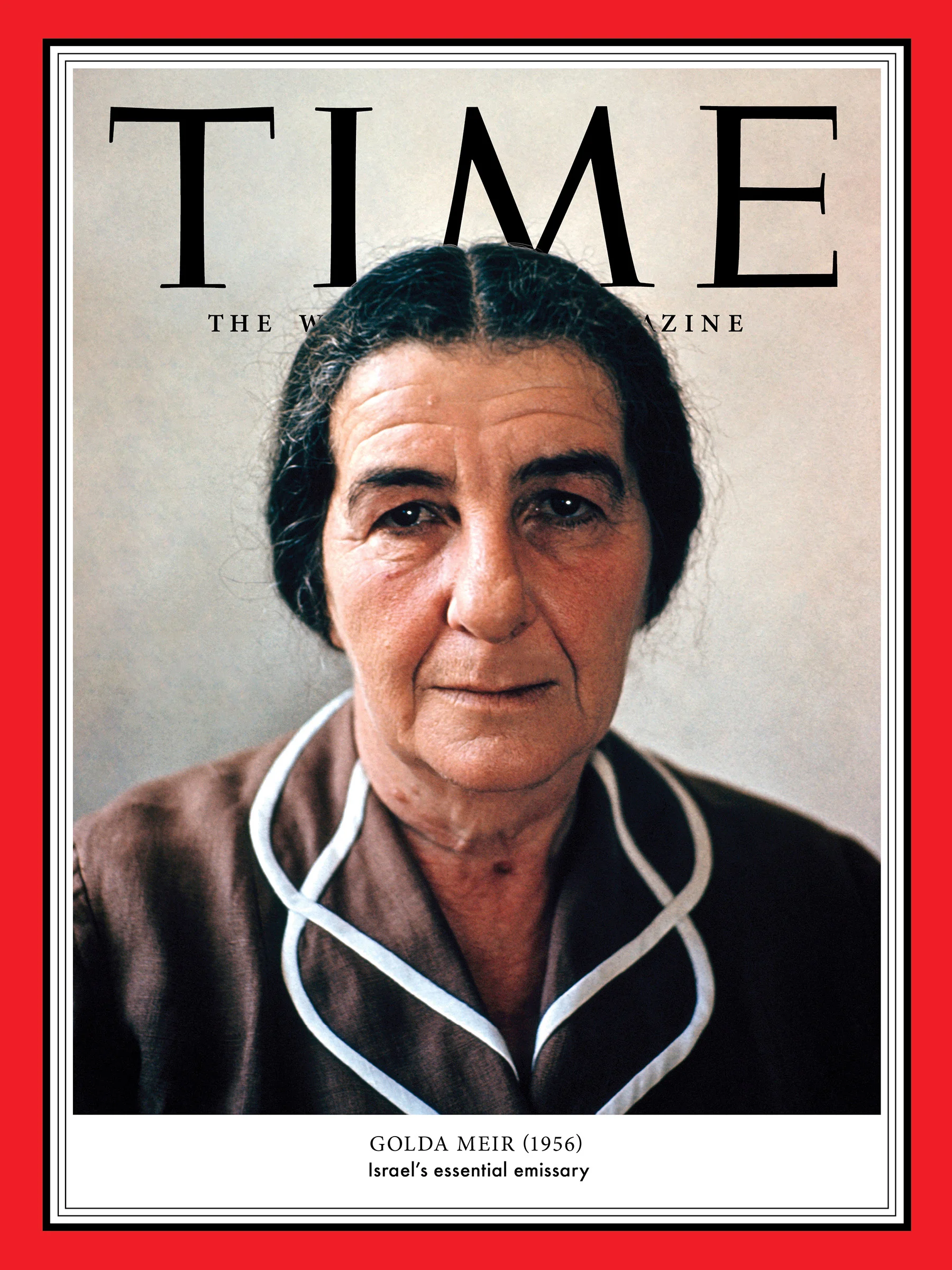
Golda Meir
 Israel
Also known as: Golda Meyerson, Golda Mabovitch
Birthday
May 3, 1898
Birth Sign
Taurus
Birthplace
Kyiv, Russian Empire (now Ukraine)
Age
Died at 80
About
Golda Meir was an Israeli politician who served as the fourth prime minister of Israel from 1969 to 1974, the first and only woman to hold the office. Born in Kiev and raised in Milwaukee, she immigrated to Palestine in 1921 and became a central figure in the Labor Zionist movement, signing Israel's Declaration of Independence in 1948. Before her premiership, she held key roles as ambassador to the Soviet Union, minister of labor, and foreign minister.
Her leadership during the Yom Kippur War of 1973, though controversial, solidified her image as the 'Iron Lady' of Israeli politics. After her resignation in 1974, she remained a respected elder stateswoman until her death in 1978. Her legacy endures through institutions like the Golda Meir School in Milwaukee and a planned park in Kyiv, and she is remembered as a pioneering woman in global leadership.
Early Life & Background
Golda Mabovitch was born on May 3, 1898, in Kiev, then part of the Russian Empire, the daughter of Moshe and Bluma Mabovitch. Her family fled poverty and anti-Semitic pogroms, immigrating to Milwaukee, Wisconsin, in 1906. There, her father worked as a carpenter and her mother ran a grocery store. Golda attended the Fourth Street School and later graduated from the Milwaukee State Normal School, training as a teacher. She worked as a teacher and librarian before becoming politically active in the Labor Zionist movement, influenced by her sister Sheyna, who introduced her to Zionist politics. In 1917, she married Morris Meyerson, and in 1921, the couple immigrated to Mandatory Palestine, joining Kibbutz Merhavia. Her early years on the kibbutz and her work with the Histadrut labor federation shaped her political career.
Career Growth
Golda Meir's political ascent began in the 1920s within the Histadrut, where she became secretary of the Women's Labor Council in 1928 and joined the executive committee in 1934. During World War II, she held key roles in the Jewish Agency, eventually heading its political department. She was one of 24 signatories of Israel's Declaration of Independence in 1948 and served as ambassador to the Soviet Union. Elected to the Knesset in 1949, she served as minister of labor until 1956, then as foreign minister until 1966. On March 17, 1969, she became prime minister, leading Israel through the Yom Kippur War in 1973. The war's initial setbacks led to public pressure and her resignation in 1974.
Career Timeline
Public Image & Style
Golda Meir's public image was that of a formidable, pragmatic leader, often called the 'Iron Lady' for her tough negotiating style and determination. She was known for her direct speech and grandmotherly appearance, which belied an iron will. The media portrayed her as a chain-smoking, no-nonsense figure, yet colleagues described her as warm and emotional in private. Her legacy is celebrated in Israel, where she remains a symbol of female leadership and pioneering Zionism, though she has no formal fandom. Schools, streets, and institutions bear her name, and her quotes remain widely cited.
Fame & Fandom (iFAMOUS Rankings)
Golda Meir never courted the adoration reserved for pop icons; her legacy rests on the gravitas of a stateswoman who navigated war and statehood with unyielding resolve. There is no organized fan club, no dedicated subreddit, and no army of followers chasing chart positions or erecting billboards for her birthday. Her admirers are historians, political activists, and members of organizations like StandWithUs who honor her memory through commemorative events rather than viral campaigns. While digital platforms occasionally spark renewed interest, such as a 2025 post by StandWithUs garnering over 52,000 reactions, these moments reflect sporadic engagement with a historical figure rather than the fervor of a modern fandom. The cultural mythology surrounding her life is built on verified events that have become central to Israeli national identity, from her signing of the Declaration of Independence to her stoic leadership during the Yom Kippur War. She remains a symbol of female leadership and pioneering Zionism, revered for her direct speech and grandmotherly appearance that belied an iron will. This enduring respect has translated into significant global recognition within the iFANN Global Fame Rankings. Current data places her as the 12th most famous person in Israel, a position she holds steady from the previous cycle. She ranks as the 6th most famous person from Israel globally, maintaining her standing without fluctuation. Furthermore, she stands as the 37th most famous person in the Middle East, reflecting her lasting impact across the region.
Interesting Facts and Legends
Golda Meir was the third woman in the 20th century to lead a nation, following Sirimavo Bandaranaike of Sri Lanka and Indira Gandhi of India. She was one of only two women to sign Israel's Declaration of Independence. She Hebraized her surname from Meyerson to Meir in 1956. Despite her socialist politics, she reportedly kept kosher. Her birth record was discovered in Kyiv in 2026, confirming her exact birth date. She was known for her chain-smoking habit and plain dress, a contrast to her private warmth. A defining legend of her career emerged during the Yom Kippur War in October 1973. At age 74, she famously declared, "We will not be pushed," while personally visiting front-line troops to boost morale. This act of courage galvanized the nation and cemented her reputation as the "Iron Lady" of Israeli politics. Another foundational story involves her immigration to Milwaukee, Wisconsin, in 1906. Born in Kiev in 1898, this American upbringing is frequently highlighted as the source of her pragmatic communication style. Recent updates from 2026 have revitalized these narratives, including the presentation of her birth record by the Kyiv Archive in May 2026 and commemorations marking the anniversary of her taking office on March 17, 2026. Additionally, the announcement in April 2026 that Israeli actress Shira Haas will star in a new American TV series about Meir indicates a resurgence of interest among new generations.
Notable Quotes
“We will have peace with the Arabs when they love their children more than they hate us.”
“One cannot and must not try to erase the past merely because it does not fit the present.”
“Pessimism is a luxury that a Jew can never allow himself.”
“I can honestly say that I was never affected by the question of the success of an undertaking. I was always affected by the question of whether the undertaking was the right thing to do.”
Family & Personal Life
Golda Meir was born to Moshe and Bluma Mabovitch, who fled poverty and anti-Semitic pogroms in Kiev. She had two sisters, Sheyna and Tzipora, with Sheyna being a formative influence in introducing her to Zionism. Golda married Morris Meyerson in 1917, and they had two children: son Menachem and daughter Sarah. The marriage was strained by her political commitments, and the couple separated in the 1930s but never divorced. Morris died in 1951. Golda's household in Israel was modest, and she often downplayed personal comforts in favor of public service. Her grandchildren and great-grandchildren have remained active in preserving her legacy.
Notable Connections
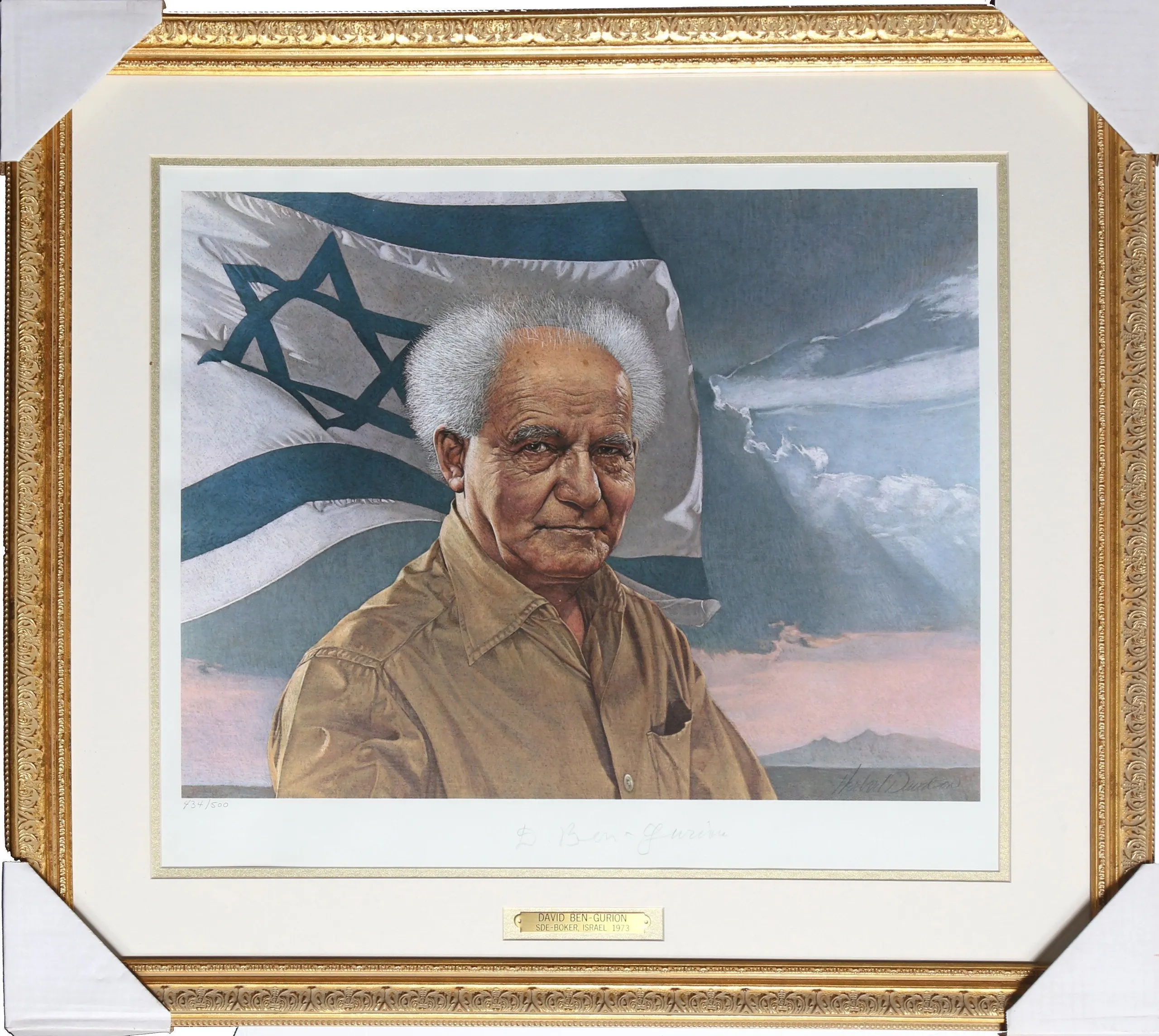
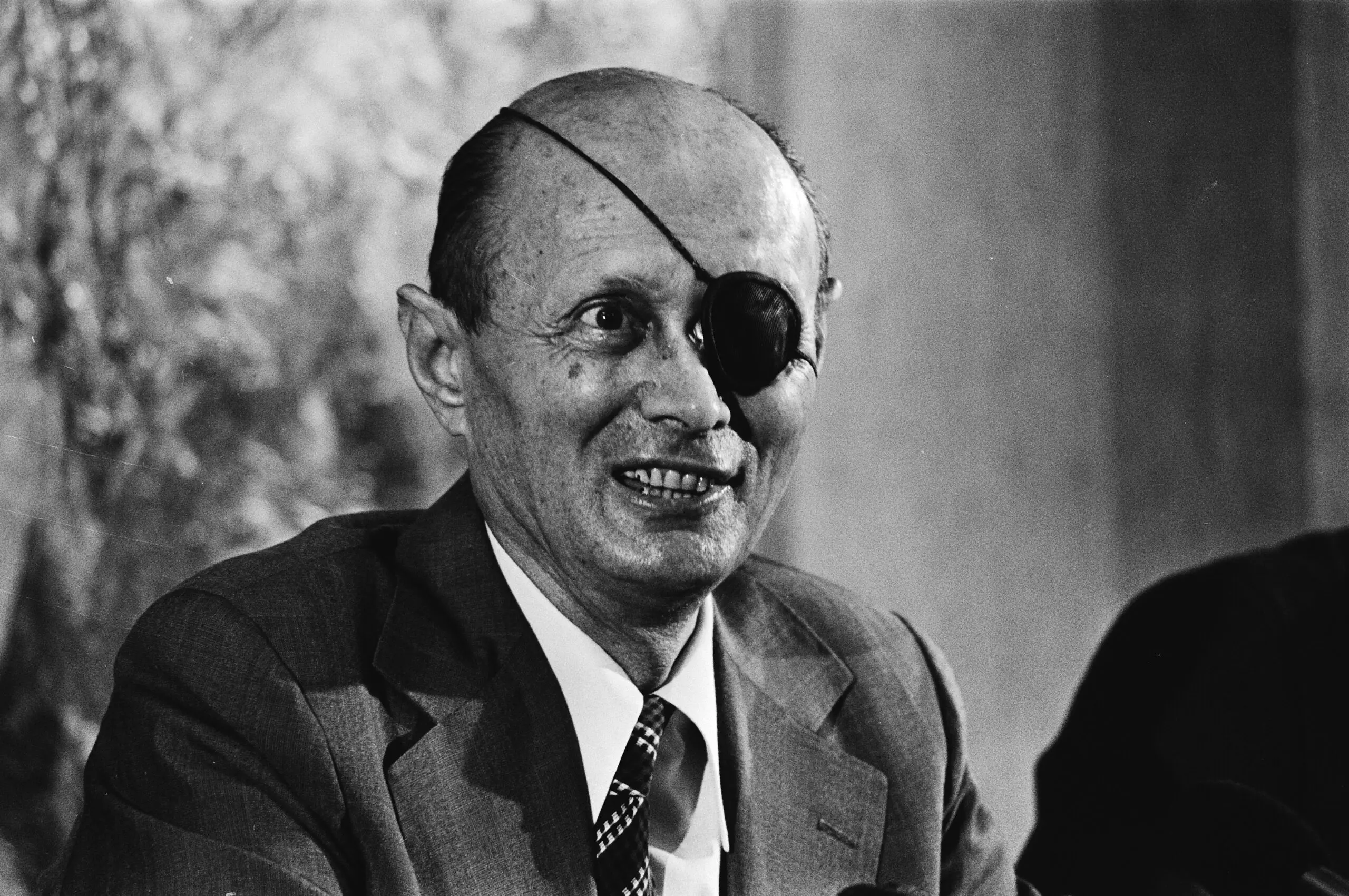
Golda Meir's political career was intertwined with several key figures. David Ben-Gurion, Israel's first prime minister, appointed her to crucial roles and famously called her 'the only man in his cabinet.' Moshe Dayan served as her defense minister during the Yom Kippur War. Henry Kissinger, as US secretary of state, had a famously difficult relationship with her. Her husband, Morris Meyerson, and her sister Sheyna were formative personal influences. President Richard Nixon's administration was a key ally during her tenure.
Relationships & Dating History
Golda Meir's known romantic relationships are limited to her marriage to Morris Meyerson. They met in Milwaukee through her sister Sheyna and married in 1917. Morris, a quiet sign painter, was reportedly unhappy with Golda's intense political involvement, and the couple separated in the 1930s when she remained in Palestine while he took the children to the United States. They later reunited but never divorced, staying married until his death in 1951. No other romantic relationships are documented, as her personal life was largely subordinated to her political mission.
- MarriedMorris Meyerson1917 - 1951Married in 1917; separated in the 1930s but never divorced; he died in 1951.
Death & Aftermath
Died
December 8, 1978 (aged 80)
Death Place
Jerusalem, Israel
Cause of Death
Leukemia complications
Golda Meir spent her final days in a quiet ward at the Hadassah University Hospital in Jerusalem. The former leader, who had largely stepped back from public life following her resignation in 1974, passed away on December 8, 1978, at the age of 80. Her death resulted from complications stemming from leukemia, a condition diagnosed years earlier that involved aplastic anemia and lymphoma. Medical records established the cause. The news triggered immediate national mourning across Israel, with flags flown at half-mast and a moment of silence observed in the Knesset. Tributes poured in from global leaders, including US President Jimmy Carter, who called her one of the greatest statesmen of our time, while British Prime Minister James Callaghan praised her leadership during the turbulent 1973 war.
Thousands gathered outside the parliament and at her home in Jerusalem for impromptu vigils. Four days after her passing, a state funeral took place at the Mount Herzl Military Cemetery, where dignitaries from around the world, including US Secretary of State Cyrus Vance and representatives from Arab nations, paid their respects. The service featured military honors before her body was laid to rest in the plot reserved for prominent figures. Posthumously, her memoir My Life continued to serve as an educational resource, and institutions like the Golda Meir House Museum in Denver were dedicated in her honor shortly thereafter. She was inducted into the National Women's Hall of Fame in 1985.
Net Worth (Estate Value)
$5 Million
iFANN Editorial Team estimate
Golda Meir's net worth at the time of her death in 1978 was modest, reflecting her career as a public servant. Posthumous revenue streams are minimal, with no significant licensing or royalties. Her legacy is commemorative rather than commercial, with institutions like the Golda Meir School and the planned Kyiv park honoring her name. Per iFANN's editorial analysis, the total value attributed to her estate and legacy is $5 Million.
Awards Won (1)
Golda Meir received the Israel Prize in 1975 for her special contribution to society and the State of Israel, one of the highest honors in the country. She was also named one of TIME magazine's 100 Most Important People of the Century in 1999, a posthumous recognition of her impact.
1975 · Special Contribution to Society and the State
Lifetime achievement
Known For
Prime Minister of Israel
1969 · Prime Minister
Israel's Declaration of Independence
1948 · Signatory
Foreign Minister of Israel
1956 · Foreign Minister
Minister of Labor
1949 · Minister
Keywords
Sources
Quick Facts
- Profession
- Politician
- Born
- May 3, 1898
- Birthplace
- Kyiv, Russian Empire (now Ukraine)
- Died
- December 8, 1978
- Death Place
- West Jerusalem
- Gender
- Female
- Spouse
- Morris Meyerson
- Children
- Menachem Meir, Sarah Meir
Personal Details
- Full Name
- Golda Mabovitch
- Spouse
- Morris Meyerson
- Children
- Menachem Meir, Sarah Meir
- Education
- Milwaukee State Normal School (now University of Wisconsin–Milwaukee)
Frequently Asked Questions
Was Golda Meir the first female prime minister in the world?
How old was Golda Meir when she became prime minister?
Why is Golda Meir called the 'Iron Lady'?
Did Golda Meir have children?
What happened after the Yom Kippur War?
Similar People
Join the community
fans discussing