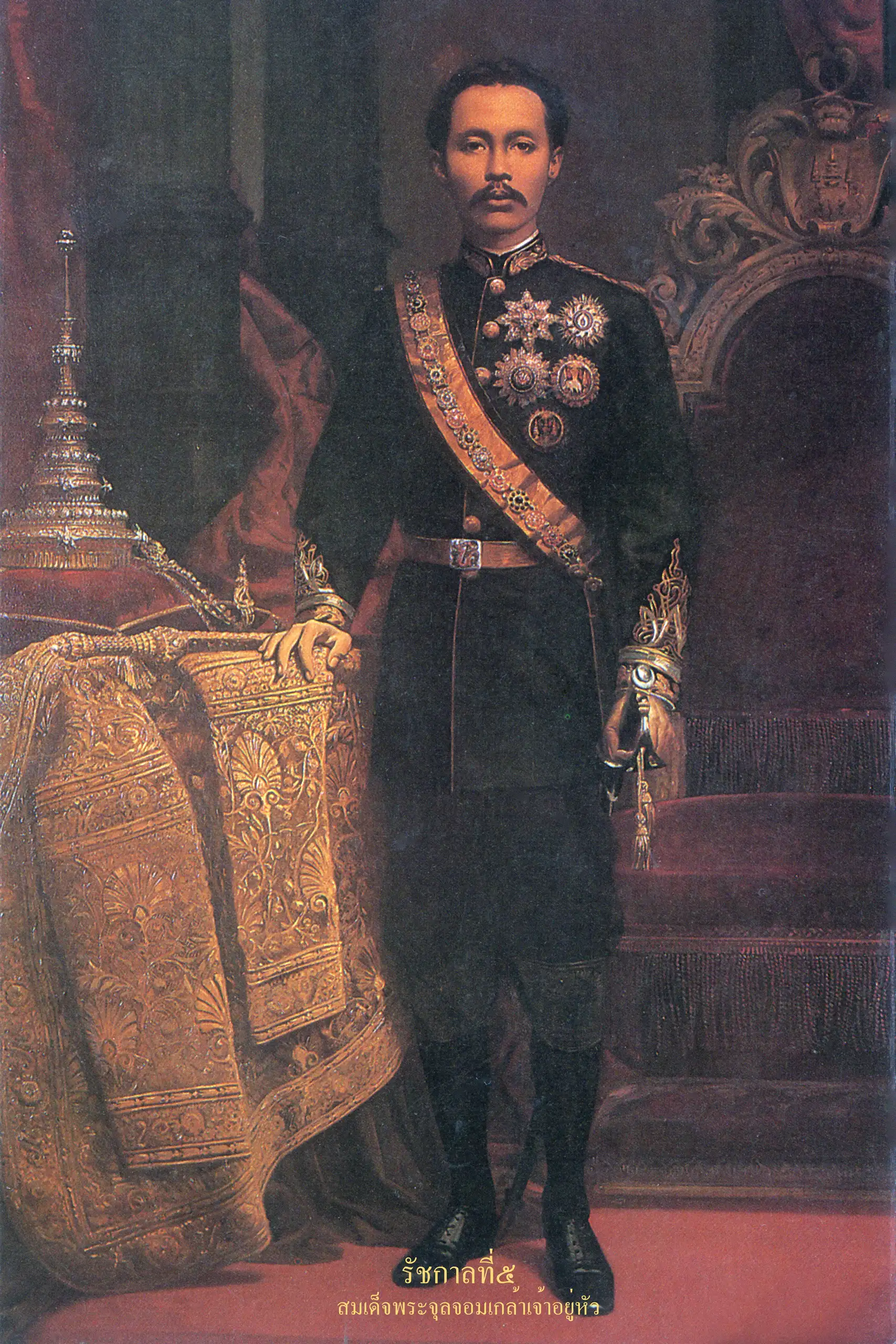
Chulalongkorn
 Thailand
Also known as: Rama V, Phra Piya Maharat, King Chulalongkorn the Great, Prince Chulalongkorn
Birthday
September 20, 1853
Birth Sign
Virgo
Birthplace
Bangkok, Siam (now Thailand)
Age
Died at 57
Height
5 ft 7 in (170 cm)
About
King Chulalongkorn, born Prince Chulalongkorn on September 20, 1853, was the fifth monarch of Siam from the Chakri dynasty, known posthumously as Rama V. He reigned from 1868 until his death in 1910 during a period when neighboring territories fell under British and French colonial rule. His leadership defined an era of sweeping modernization that preserved the nation's sovereignty. He earned the affectionate title Phra Piya Maharat, or the Great Beloved King, for his progressive policies and diplomatic skill.
His reign transformed Siam from a feudal society into a centralized modern state. He abolished slavery, reorganized the military, and established a civil service modeled after European systems. Despite facing territorial concessions to colonial powers, his shrewd diplomacy ensured Siam remained the only Southeast Asian nation to avoid direct colonization. His legacy lives on through institutions like Chulalongkorn University and the King Chulalongkorn Memorial Hospital.
Early Life & Background
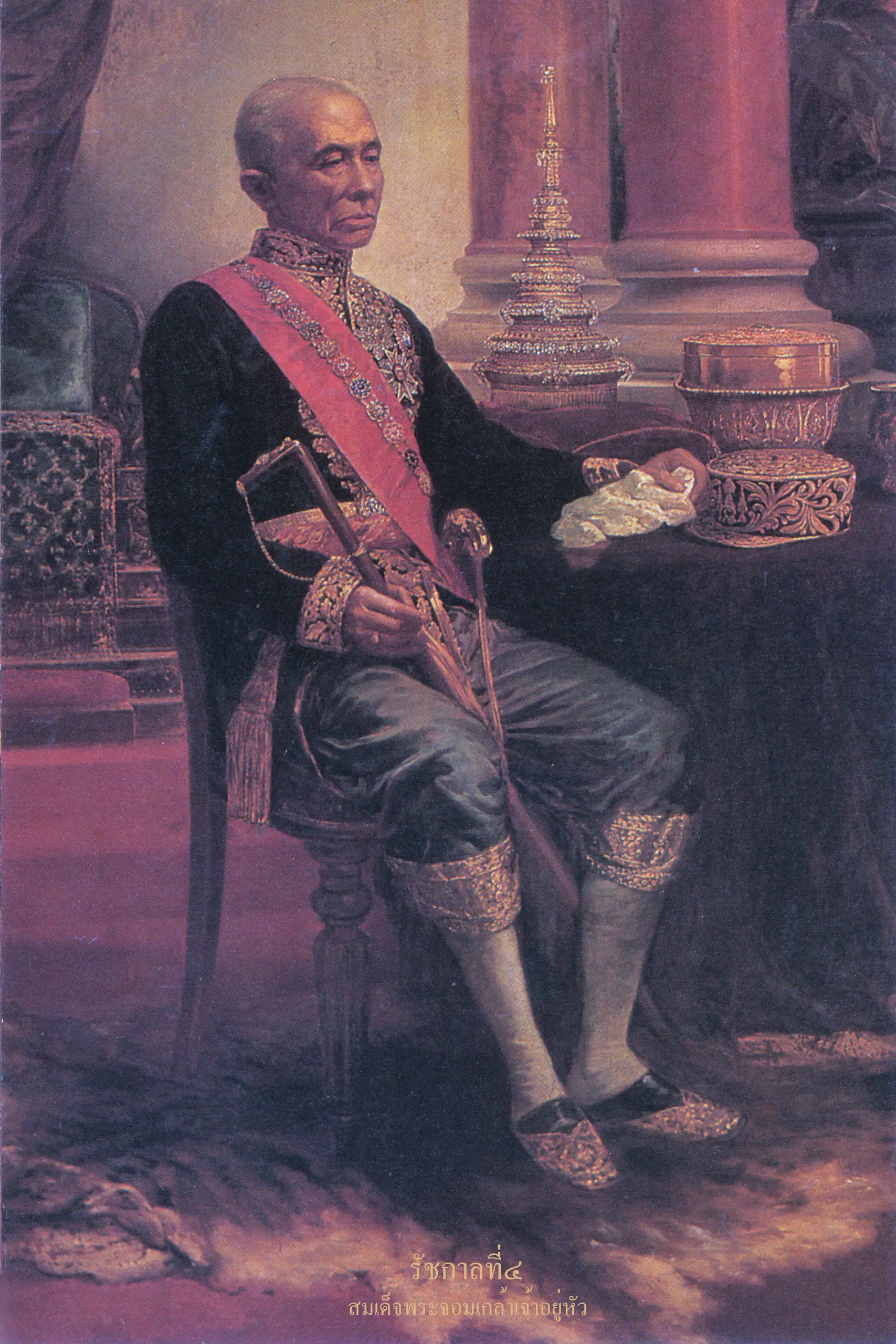
Born on September 20, 1853, in Bangkok, Prince Chulalongkorn was the ninth son of King Mongkut (Rama IV) and Queen Debsirindra. His upbringing occurred within the strict protocols of the Siamese royal court, where he received a rigorous education in Pali, Sanskrit, and traditional Thai literature. His father, a scholar-king deeply interested in Western astronomy and science, exposed the young prince to foreign diplomatic customs and modern ideas early in life.
A pivotal moment in his youth occurred in 1868 when he accompanied his father to Prachuap Khiri Khan Province to observe a total solar eclipse. Both men contracted malaria during the expedition. While King Mongkut succumbed to the illness shortly after returning, Chulalongkorn survived but suffered from chronic health issues for the rest of his life. This tragedy forced the 15-year-old prince to ascend the throne prematurely without the guidance of an experienced predecessor, leaving him to navigate a complex political landscape alone.
Before his formal accession, Chulalongkorn prepared for kingship by studying governance and absorbing the cultural nuances of the court. He witnessed the growing pressure from European powers firsthand through his father's interactions with foreign envoys. By the time he became king, he possessed a unique blend of traditional royal training and a keen awareness of the changing global order, setting the stage for his transformative reign.
Career Growth
Chulalongkorn ascended to the throne in 1868 at age 15, initially ruling under a regency until he took full control in 1873. His career was defined by systematic administrative reform and bold diplomatic strategy. Between 1874 and the 1880s, he initiated the gradual abolition of slavery and the corvée labor system, freeing thousands of serfs and restructuring the social hierarchy.
In 1882, he broke with tradition by undertaking his first royal tour of the provinces, walking among commoners to assess the state of the kingdom directly. From 1884 onward, he implemented the Thesaphiban system, replacing semi-autonomous principalities with a centralized bureaucratic structure modeled after European nations. In 1893, he successfully navigated the Franco-Siamese crisis, avoiding war despite French military pressure, though Siam was forced to cede territory east of the Mekong River.
A historic turning point came during his 1897 grand tour of Europe, where he visited London, Paris, Berlin, Vienna, and St. Petersburg. This trip solidified his understanding of Western power and accelerated internal reforms. In 1901, he established the Royal Guard and reorganized the military into a modern conscription-based force. By 1907, he abolished the remaining remnants of the slave system and established the Ministry of Justice. Upon his death in 1910, he left behind a unified, modernized nation-state that retained its independence.
Career Timeline
Public Image & Style
King Chulalongkorn is portrayed as a visionary, compassionate, and patriotic leader who saved Siam from colonization. Media representations emphasize his role as a modernizer who balanced Western influence with Thai traditions. His image is one of humility and dedication to the welfare of his subjects, often depicted in Western-style military uniforms during his later years. He is consistently ranked as one of the most revered figures in Thai history, with statues standing in major public squares and his likeness appearing on currency.
Fame & Fandom
King Chulalongkorn commands a reverence that transcends the modern concept of fandom. There is no organized fanbase, no social media stans, and no official club name for the fifth monarch of Siam. The Thai people do not identify as fans but as subjects honoring a revered ancestor through solemn state rituals. His legacy is institutionalized in annual observances like Chulalongkorn Day, where citizens wear black to mourn his passing, and in the enduring presence of Chulalongkorn University, which stands as a living monument to his vision rather than a stage for celebrity worship. This deep, national devotion replaces the chaotic energy of contemporary pop culture with a quiet, unwavering respect that has persisted for over a century.
His historical impact remains so profound that he consistently ranks among the most significant figures in global history. According to the iFANN Global Fame Rankings, he is the 4th most famous person in Thailand, holding steady from the previous cycle. He also claims the 13th most famous person from Thailand status globally. On a regional level, the data places him as the 15th most famous person in Southeast Asia. These placements reflect a scale of attention that tracks global cultural memory across centuries of media coverage and consumption signals worldwide.
Interesting Facts and Legends
The epithet Phra Piya Maharat translates to "The Great Beloved King," a title reflecting the genuine affection of the Thai people who view him as a savior of the nation. During his provincial tours, Chulalongkorn would often walk among commoners without guards to understand their plight, a practice that contrasted sharply with previous kings and became a foundational myth of his humanitarian rule. A widely retold story highlights his humility and dedication to knowing the needs of his subjects personally.
The malaria he contracted while observing the 1868 solar eclipse foreshadowed his own eventual death from similar complications decades later. Chulalongkorn University was founded by his son, King Vajiravudh, in 1917, just seven years after his death, serving as a living monument to his vision. In August 2026, the university revived the rare Piphat Dukdamban musical tradition to preserve Thailand's cultural heritage, directly linking current academic efforts to the King's legacy.
Notable Quotes
“I shall not be able to die before I have seen my country free.”
“The King must walk among his people to know their needs.”
Family & Personal Life
King Chulalongkorn practiced polygamy, a standard custom for Siamese royalty, resulting in a large family with over 70 children. His primary marriages were to four queens: Queen Sunanda Kumariratana, Queen Savang Vadhana, Queen Saovabha Phongsri, and Princess Dara Rasmi. Queen Sunanda died tragically in 1880 when their royal barge capsized. Queen Savang Vadhana served as his chief queen and outlived him, managing the royal household until her own death. Queen Saovabha Phongsri was a highly influential consort and mother to future kings Prajadhipok and Prince Purachatra.
Princess Dara Rasmi, brought to the capital from Chiang Mai in 1892 to strengthen ties with the northern kingdom, was known for her beauty and intellect. She died in 1905. Other notable consorts included Sukhumala Marasri and Ubolratana Narinaga. The King had many children, making him one of the most prolific fathers in Thai history. His sons Vajiravudh and Prajadhipok succeeded him as kings.
Notable Connections
Relationships & Dating History
King Chulalongkorn practiced polygamy, a standard custom for Siamese royalty, resulting in a large family. His primary marriages were to four queens. Queen Sunanda Kumariratana married him in 1877. Their marriage was reportedly happy and progressive, but she died tragically in 1880 when their royal barge capsized. Queen Savang Vadhana married him in 1879 and became his chief queen after Sunanda's death. She served as a stabilizing figure throughout his reign and outlived him. Queen Saovabha Phongsri married him in 1888 and was a highly influential consort. Princess Dara Rasmi became his consort in 1892 from Chiang Mai to strengthen ties with the north. She died in 1905. Other notable consorts included Sukhumala Marasri and Ubolratana Narinaga. As of his death in 1910, he was widowed by none, having lost others to death previously.
- MarriedQueen Sunanda Kumariratana1877 - 1880Died tragically in a boat accident
- MarriedQueen Savang Vadhana1879 - 1910Chief Queen, outlived the King
- MarriedQueen Saovabha Phongsri1888 - 1910Highly influential, mother of future kings
- MarriedPrincess Dara Rasmi1892 - 1905From Chiang Mai, died in 1905
Death & Aftermath
Died
October 23, 1910 (aged 57)
Death Place
Bangkok, Thailand
Cause of Death
Uremia from chronic kidney failure
King Chulalongkorn died on October 23, 1910, inside the Suan Sunandha Pavilion at Dusit Palace in Bangkok. His final weeks had been marked by a severe decline that forced him to abandon plans for medical treatment abroad. The royal physicians diagnosed uremia stemming from chronic kidney failure, a condition that had plagued him with headaches and swelling for months before he slipped into a coma and passed away later that day. The news of his passing triggered immediate and profound mourning across Siam. Flags flew at half-mast throughout the kingdom as the populace gathered at temples to pray for the King's soul. Traditional Buddhist ceremonies were held nationwide to honor the monarch who had abolished slavery and modernized the nation.
A grand funeral procession took place over several days in late 1910, culminating in a cremation on November 16 at the Phra Meru Maha Phiman Royal Crematorium in Sanam Luang. Thousands attended the elaborate rites, which featured traditional music and monks chanting while a massive pyre shaped like Mount Meru burned. His ashes were enshrined in a stupa at Wat Ratchabophit temple. In the years that followed, his legacy endured through the establishment of Chulalongkorn University in 1917 and the creation of the King Chulalongkorn Memorial Hospital. Today, Chulalongkorn Day is observed annually on October 23 as a public holiday to commemorate his life and reforms.
Net Worth (Estate Value)
$0
iFANN Editorial Team estimate
As a deceased monarch from the pre-modern era, King Chulalongkorn did not have a personal net worth in the contemporary sense. The value of his estate is represented by the enduring assets of the Thai monarchy and the institutions he founded. The assets of the late King are now part of the Crown Property Bureau of Thailand, which manages royal properties. Specific valuation of his personal estate is not publicly disclosed, but the institutions bearing his name generate billions of baht in annual revenue.
The estates of the monarchy and associated foundations continue to earn from real estate holdings, investments, and the operations of universities and hospitals. The Crown Property Bureau manages the assets, overseen by the current monarch. The iFANN Editorial Team notes that while exact figures for his personal estate remain private, the economic footprint of the institutions he created represents his enduring financial legacy.
Awards Won (3)
King Chulalongkorn received numerous honors including the Order of the White Elephant, the Order of the Nine Gems, Knight Grand Cross of the Order of the Bath, and Grand Cross of the Legion of Honour. He is posthumously titled "King Chulalongkorn the Great" and is consistently ranked as one of the most revered figures in Thai history.
1868 · National Honor
Service to Siam
1897 · International Honor
Diplomatic Relations
Known For
Kingdom of Siam
1868 · Monarch
Modernization of Thailand
1874 · Reformer
Keywords
Sources
Quick Facts
- Profession
- monarch, politician, diplomat
- Born
- September 20, 1853
- Birthplace
- Bangkok
- Died
- October 23, 1910
- Death Place
- Bangkok
- Gender
- Male
- Spouse
- Sunanda Kumariratana, Savang Vadhana, Saovabha Phongsri, Dara Rasmi
- Birth Sign
- Virgo
Personal Details
- Full Name
- Prince Chulalongkorn of Siam
- Height
- 5 ft 7 in (170 cm)
- Spouse
- Sunanda Kumariratana, Savang Vadhana, Saovabha Phongsri, Dara Rasmi
- Children
- Over 70 children including Kings Vajiravudh and Prajadhipok
- Education
- Traditional royal education in Pali, Sanskrit, and Thai literature; early exposure to Western customs
Frequently Asked Questions
Who was King Chulalongkorn?
When did King Chulalongkorn die?
Why is King Chulalongkorn called 'The Great'?
Did King Chulalongkorn have children?
What is Chulalongkorn Day?
Join the community
fans discussing