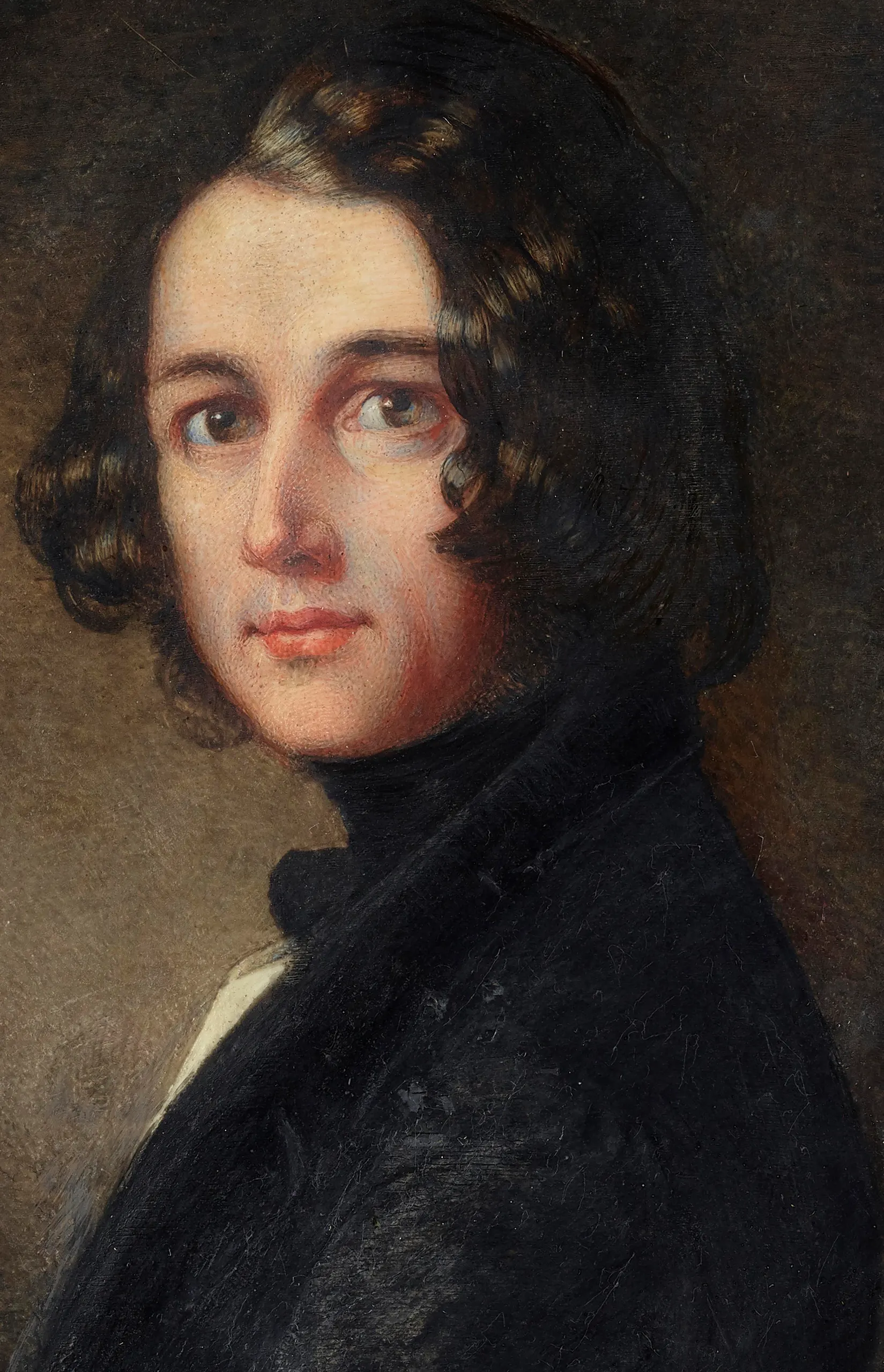
Charles Dickens
 United Kingdom
Also known as: Boz, Charles J. H. Dickens
Birthday
February 7, 1812
Birth Sign
Aquarius
Birthplace
Landport, Portsmouth, Hampshire, England
Age
Died at 58
Height
5 ft 8 in (1.73 m)
About
Charles John Huffam Dickens was an English writer and journalist born in 1812 who became the greatest novelist of the Victorian era. He created some of literature's most enduring characters and remains a dominant figure in English literature today. His career began under difficult circumstances when he left school at age twelve to work in a boot-blacking factory after his father landed in a debtors' prison. Three years later, he returned to education and launched a literary journey that would define the Victorian age. By the time of his death on June 9, 1870, at age 58, he had reshaped how stories reached the public.
Dickens built his reputation through serial publication, releasing works like The Pickwick Papers in monthly installments starting in 1836. This format allowed him to gauge reader reactions and adjust plots mid-stream, creating cliffhangers that kept audiences hooked week after week. He edited a weekly journal for two decades while penning fifteen novels, five novellas, and hundreds of short stories. His ability to weave current events into fiction made books like Bleak House powerful tools for social change, directly supporting legal reforms in the 1870s. Even illiterate poor people paid halfpennies to hear new episodes read aloud, expanding his reach far beyond traditional readers.
Early Life & Background
Charles Dickens was the second of eight children born to John Dickens, a clerk in the Navy Pay Office, and Elizabeth Barrow. The family moved to London in 1823 due to severe financial instability that plagued them throughout his childhood. Young Charles faced profound hardship that would shape his worldview forever. In 1824, when he was just twelve years old, his father was imprisoned for debt at the Marshalsea Prison. To support the family, the young boy was forced to leave school and work ten-hour days at Warren's Blacking Factory, pasting labels on pots of boot polish.
This experience of child labor and poverty left him with deep psychological scars and fueled his lifelong advocacy for social reform regarding the poor, the legal system, and education. After his father received an inheritance that allowed the family to pay their debts, Dickens returned to school briefly but soon abandoned formal education to pursue a career. He taught himself shorthand and became a freelance court reporter for newspapers in the early 1830s. His first published writing appeared in 1833 under the pseudonym "Boz" in The Monthly Magazine. These sketches of London life were well-received and led to his employment as a parliamentary reporter for The Morning Chronicle, where he honed his observational skills and developed the satirical voice that would define his career.
Career Growth
Dickens' breakthrough occurred in 1836 with the publication of The Pickwick Papers, originally titled The Posthumous Papers of the Pickwick Club. Serialized in monthly installments, it became a massive commercial success, making Dickens a celebrity overnight. The novel's popularity was so immense that it sparked a cultural phenomenon known as "Pickwickmania," influencing fashion, merchandise, and public discourse. His career trajectory was defined by the serialization model, which he mastered, releasing fifteen major novels, five novellas, and hundreds of short stories over three decades.
Key milestones include the serialization of Oliver Twist between 1837 and 1839, which exposed the grim realities of workhouses and juvenile crime. In 1842, he visited the United States, lecturing and writing American Notes and Martin Chuzzlewit. The following year, he published A Christmas Carol, a novella that revitalized the spirit of Christmas and remains his most famous work. From 1846 to 1850, he edited Household Words, and from 1850 to 1859, he edited All the Year Round, continuing his role as a journalist while publishing David Copperfield and Bleak House. In 1859, he released A Tale of Two Cities, set during the French Revolution, which sold exceptionally well.
Dickens also pioneered public readings, becoming the first author to earn a living primarily through performance. Between 1860 and 1865, he toured Britain and the United States, performing scenes from his works. In 1865, he survived the Staplehurst rail crash, where he famously tried to save a friend's manuscript rather than his own luggage. He undertook a second American tour in 1867 and 1868, delivering lectures and reading from his works to packed houses until his health declined.
Career Timeline
Public Image & Style
Dickens is portrayed as a man of immense energy, compassion, and moral conviction. His public persona was that of a champion for the underdog, using his fame to expose societal injustices. His signature aesthetic involved a top hat, a cane, and a distinctive mustache, often depicted in caricatures of the time. In modern media, he is remembered as a storyteller who could blend comedy and tragedy seamlessly. He was known for his theatrical personality and his ability to command attention in any room he entered.
His public image was that of a fierce critic of social inequality, particularly regarding the treatment of the poor and the flaws in the legal system. He used his platform to advocate for reform, often drawing inspiration from his own childhood experiences. His ability to connect with readers across class lines made him a beloved figure in Victorian society, and his influence extended far beyond literature into politics and social policy.
Fame & Fandom (iFAMOUS Rankings)
iFANN has not yet collected fame data for this person. The author does not appear in the September 2026 iFAMOUS Rankings flagship list. While Dickens lived long before the digital age, his fanbase remains active and dedicated. Known collectively as "Dickensians" or "Dickens Scholars," these groups are highly organized, with organizations like the Dickens Fellowship (founded in 1902) and the annual Dickens Universe conference bringing together enthusiasts from around the world. Fans celebrate his birthday on February 7 and hold annual tributes to A Christmas Carol.
Fan-driven projects include street theater performances and charity drives in his name. The fandom is characterized by scholarly discussion and creative reinterpretation of his works, keeping his legacy alive for new generations. Despite being deceased, his influence continues to resonate, with fans actively engaging with his texts and adapting them for modern audiences.
Interesting Facts and Legends
Charles Dickens was a man of many talents beyond writing. He was an accomplished amateur actor and performed frequently in charitable productions. He was also a passionate traveler who visited both the United States and Canada multiple times, documenting his observations in travelogues. One of his most famous quirks was his obsession with cleanliness; he reportedly washed his hands dozens of times a day and carried a handkerchief everywhere he went. He was also known for his love of food, particularly oysters and game, which he enjoyed during his reading tours.
A widely retold legend involves the Staplehurst rail crash of 1865. Surviving the derailment where ten people died, Dickens rushed back to retrieve a manuscript of his unfinished novel The Mystery of Edwin Drood and a letter to his mistress, Ellen Ternan, leaving his own luggage behind. This incident is often cited as the beginning of his physical decline. Another iconic moment is the "Pickwick Phenomenon," where the release of The Pickwick Papers created a frenzy where characters like Sam Weller became household names, marking the first true "celebrity culture" around an author.
Notable Quotes
“I am very fond of my profession... I love to write.”
“There is nothing in the world so irresistibly contagious as laughter and good humour.”
“It was the best of times, it was the worst of times...”
“I will honour Christmas in my heart, and try to keep it all the year.”
Family & Personal Life
Charles Dickens was the second of eight children born to John Dickens, a clerk in the Navy Pay Office, and Elizabeth Barrow. The family moved to London in 1823 due to financial instability. Dickens' childhood was marked by severe economic hardship that profoundly shaped his worldview. In 1824, when he was twelve years old, his father was imprisoned for debt at the Marshalsea Prison. To support the family, young Charles was forced to leave school and work ten-hour days at Warren's Blacking Factory, pasting labels on pots of boot polish. This experience of child labor and poverty left him with deep psychological scars and fueled his lifelong advocacy for social reform regarding the poor, the legal system, and education.
Dickens married Catherine Hogarth on April 2, 1836. They met when she was working as a secretary for his publisher. The marriage produced ten children: Charles Culliford Boz Dickens, Mary Angela Dickens, Kate Perugini, Francis Jeffrey Dickens, Alfred D'Orsay Tennyson Dickens, Sydney Henry Dickens, Edward Bulwer Lytton Dickens, William Charles Dickens, Herbert Dickens, and Lionel Doughty Dickens. However, the marriage deteriorated over time. By the late 1850s, Dickens had become estranged from Catherine, citing her inability to meet his emotional needs and his growing dissatisfaction with domestic life.
Notable Connections
Catherine Dickens, Ellen Ternan, John Forster, Wilkie Collins, Elizabeth Barrett Browning, Queen Victoria
Relationships & Dating History
Charles Dickens married Catherine Hogarth on April 2, 1836. They met when she was working as a secretary for his publisher. The marriage produced ten children: Charles Culliford Boz Dickens, Mary Angela Dickens, Kate Perugini, Francis Jeffrey Dickens, Alfred D'Orsay Tennyson Dickens, Sydney Henry Dickens, Edward Bulwer Lytton Dickens, William Charles Dickens, Herbert Dickens, and Lionel Doughty Dickens. However, the marriage deteriorated over time. By the late 1850s, Dickens had become estranged from Catherine, citing her inability to meet his emotional needs and his growing dissatisfaction with domestic life.
In 1857, Dickens began a long-term relationship with Ellen "Nelly" Ternan, a young actress much younger than him (she was 18 when they met, he was 45). While Dickens publicly maintained this was a professional association or a platonic friendship, modern biographers and historical evidence strongly suggest it was a romantic affair. This relationship lasted until his death in 1870. Dickens never divorced Catherine; instead, he separated from her in 1858, arranged for her to live separately, and effectively ended the marital cohabitation. He kept the existence of Ternan secret during his lifetime, only revealing hints in his private journals and letters after his death. There is no evidence of other public romantic relationships or flings prior to these two major commitments.
- MarriedCatherine Hogarth1836 - 1858Met through his publisher; split due to incompatibility and Dickens' desire for independence; ten children together.
- RumouredEllen "Nelly" Ternan1857 - 1870Met through theatrical circles; widely believed to be a mistress; no confirmed children; Dickens kept the relationship hidden from the public during his life.
Death & Aftermath
Died
June 9, 1870 (aged 58)
Death Place
Gads Hill Place, Higham, Kent, England
Cause of Death
Stroke (cerebral hemorrhage)
Charles Dickens died suddenly on the morning of June 9, 1870, at his home, Gads Hill Place in Higham, Kent. He was fifty-eight years old. The official medical report recorded a stroke caused by a cerebral hemorrhage, though modern historians and medical experts often suggest that chronic Bright's disease (kidney failure) or heart failure exacerbated by years of heavy drinking and extreme exhaustion from his relentless public reading tours played a significant role. In the days leading up to his death, he had been working feverishly on his final, unfinished novel, The Mystery of Edwin Drood. Just days before he passed, he completed a public reading of A Child's History of England, an event that left him visibly drained.
The news of his passing sent shockwaves through Britain and sparked an immediate national outpouring of grief. Tributes poured in from the highest levels of society; Queen Victoria sent a wreath, while literary contemporaries like William Makepeace Thackeray and George Eliot mourned the loss of a giant. His funeral was scheduled for June 14, 1870, at Westminster Abbey, despite Dickens having explicitly wished to be buried quietly in Rochester Cathedral near his family. The sheer number of mourners who gathered overwhelmed the church, forcing the procession to wind through the streets of London as thousands paid their respects.
Following his death, his estate was managed by his executor and son, Walter Macready Dickens. His works continued to sell in vast numbers, generating substantial royalties that secured his financial legacy long after his passing. The estate has remained highly profitable through decades of licensing deals, stage adaptations, film rights, and merchandise. As of 2026, the Dickens estate is estimated to generate millions annually, with the total value of his intellectual property reaching into the hundreds of millions of dollars. No major legal disputes have recently altered this valuation, ensuring his works remain a cornerstone of global literature and commerce.
Net Worth (Estate Value)
$250 Million
iFANN Editorial Team estimate
As Dickens died in 1870, he did not have a personal net worth in 2026. However, his estate and intellectual property continue to generate wealth. The Dickens estate is estimated to be worth between $100 million and $300 million USD as of 2026, driven by global book sales, film/TV adaptations, and merchandise. Research by the iFANN Editorial Team puts his fortune at around $250 Million.
Revenue sources include royalties from publishers, licensing fees for stage productions (over 500 versions of A Christmas Carol alone), film rights (including the 2026 Johnny Depp adaptation Ebenezer), and museum admissions (Charles Dickens Museum in London). Book sales account for approximately 40% of revenue, with film/TV adaptations and licensing comprising the remaining 60%. The estate has remained highly profitable through decades of licensing deals, ensuring his works remain a cornerstone of global literature and commerce.
Awards Won (3)
Charles Dickens received numerous honors during his lifetime, including honorary degrees from Harvard University in 1858 and Oxford University in 1865. He was elected as an honorary member of the Royal Society of Literature in 1869. Although he declined a knighthood twice, his contributions to literature were recognized posthumously with inductions into the Hall of Fame for Great Americans. His works have won countless awards and accolades since his death, cementing his status as one of the greatest writers in history.
1865 · Literature
Oxford University
1858 · Literature
Harvard University
1869 · Literature
Royal Society of Literature
Known For
The Pickwick Papers
1836 · Author
Oliver Twist
1838 · Author
A Christmas Carol
1843 · Author
Great Expectations
1861 · Author
A Tale of Two Cities
1859 · Author
Keywords
Sources
Quick Facts
- Profession
- writer, novelist, journalist
- Born
- February 7, 1812
- Birthplace
- Landport, Portsmouth, Hampshire, England
- Died
- June 9, 1870
- Death Place
- Gads Hill Place, Higham, Kent, England
- Gender
- Male
- Spouse
- Catherine Dickens
- Birth Sign
- Aquarius
Personal Details
- Full Name
- Charles John Huffam Dickens
- Height
- 5 ft 8 in (1.73 m)
- Spouse
- Catherine Dickens
- Children
- Charles Culliford Boz Dickens · Mary Angela Dickens · Kate Perugini · Francis Jeffrey Dickens · Alfred D'Orsay Tennyson Dickens · Sydney Henry Dickens · Edward Bulwer Lytton Dickens · William Charles Dickens · Herbert Dickens · Lionel Doughty Dickens
- Education
- Chatham House School (briefly); Self-taught shorthand and journalism
Frequently Asked Questions
How many children did Charles Dickens have?
Who was Charles Dickens' mistress?
What was the cause of Charles Dickens' death?
Did Charles Dickens ever get divorced?
What is Charles Dickens' most famous book?
Similar People

Join the community
fans discussing