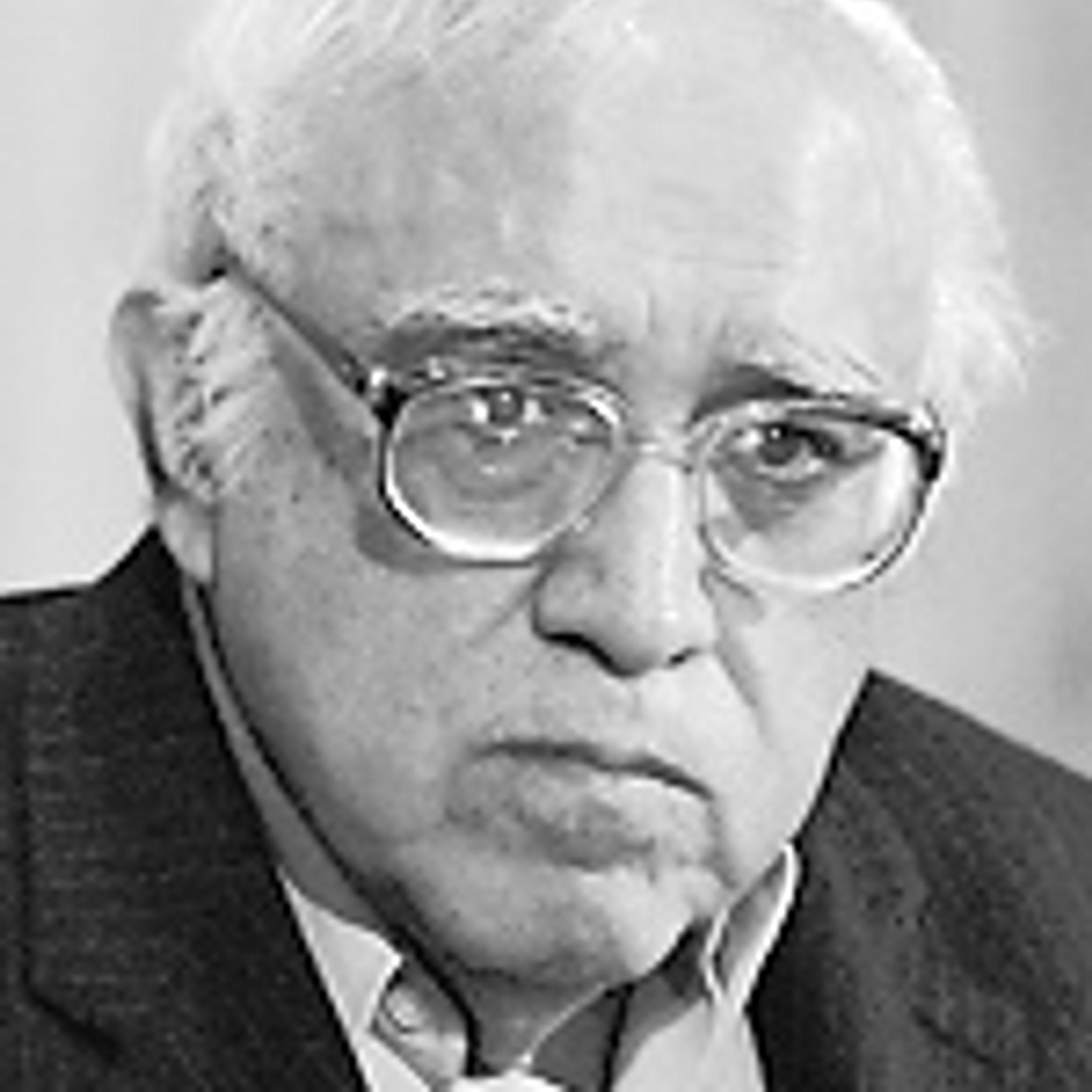
Carlos Monsiváis
 Mexico
film critic•journalist•screenwriter
Birthday
+1939-05-05
Birth Sign
Taurus
Birthplace
Mexico City
Age
Died at 71
About
Born in Mexico City on May 5, 1938, Carlos Monsiváis became a towering figure in Mexican letters, known for his sharp intellect and his prolific work as a journalist, film critic, and screenwriter. He was a keen observer of his country's culture and politics, documenting its societal shifts, class struggles, and evolving values with a distinctive voice. Monsiváis was part of a generation of influential Mexican writers that included Elena Poniatowska and Carlos Fuentes, leaving his own indelible mark through insightful essays, books, and opinion pieces. He passed away on June 19, 2010, at the age of 72, leaving behind a rich intellectual legacy.
Fame & Fandom
Carlos Monsiváis was a singular figure in Mexican letters, and his fame endures as a cultural force long after his passing. iFANN's Global Fame Engine has evaluated his legacy, and while he does not currently hold a placement in the published rankings, neither the Global Top 1,000 nor any Top-100 scope list, his renown is unmistakable. His name still resonates across media coverage, academic discourse, and the ongoing consumption of his chronicles, reflecting a fame that transcends any single metric.
His following is not a structured fandom with a formal name; rather, it is an intellectual and cultural community of readers, journalists, and students of Mexican society. They gather not in fan clubs but in libraries, conferences, and the streets of his beloved Mexico City. The Carlos Monsiváis Personal Library, housed in the Biblioteca de México, stands as a tangible monument to his influence, while his neighborhood of Portales has become a site of cultural pilgrimage. Even a fabricated interview that circulated in 2026, debunked on the program Soberanía, underscores how his voice remains iconic enough to be exploited.
Monsiváis's fame is that of a chronicler who turned the chaos of Mexico City into literature, a critic who held power to account, and a champion of the marginalized. His legacy is measured not in rankings but in the enduring relevance of his words.
Interesting Facts and Legends
Carlos Monsiváis was famously private about his personal life, yet he was a vocal supporter of gay rights, a paradox that defined his public persona. His aphorism from Los rituales del caos (1995), “In the visual realm, Mexico City is, above all, too many people”, has become a near-universal shorthand for the city's overwhelming energy, quoted in everything from literary criticism to urban studies. The London Review of Books cited it in 2022 as the defining lens for understanding Mexico City.
A documented legend: the FBI investigated Monsiváis for alleged links to the Black Panthers and the Chicano Movement, a revelation reported by El País in 2026. This surveillance stemmed from his consistent criticism of U.S. interventionism, cementing his image as a subversive intellectual.
Another story fans still retell: in 2026, a fabricated “interview” with Monsiváis surfaced, more than 15 years after his death. The program Soberanía devoted an episode to debunking the hoax, a cautionary tale about the manipulation of cultural memory. His death on June 19, 2010, prompted obituaries from the Associated Press, The Guardian, and The New York Times, each framing him as the chronicler who “wrote of the great and the small.”
Death & Aftermath
Died
+2010-06-19 (aged 71)
Death Place
Mexico City
Cause of Death
Unknown
The literary world paused as the New York Times and The Guardian published tributes on June 22 and June 24, 2010, honoring a writer whose trenchant chronicles had laid bare the foibles of political power brokers while making Mexico understandable to its own people. These reflections arrived just days after Carlos Monsiváis passed away at his home in Mexico City, where he had lived his entire life. He was seventy-two years old when he died on June 19, 2010, marking the end of an era for Mexican letters. The family and authorities adhered to privacy norms common in such contexts, leaving the medical details undisclosed. A public funeral followed shortly after his passing, treating the event with the gravity befitting a national icon, though specific dates and attendee lists remain unrecorded in available accounts.
He was buried in Mexico City, consistent with his lifelong residence there, but the exact cemetery and rites were not detailed in public sources. His estate continues to be managed by family and literary executors who oversee the ongoing publication of his writings and the preservation of his archives. Institutions like the Prince Claus Fund have long recognized his work as a critic and activist, ensuring his contributions to journalism and literature remain widely studied and cited within academic circles.
Awards & Accolades
Keywords
Quick Facts
- Profession
- film critic, journalist, screenwriter
- Born
- +1939-05-05
- Birthplace
- Mexico City
- Died
- +2010-06-19
- Death Place
- Mexico City
- Gender
- Male
- Birth Sign
- Taurus
Join the community
fans discussing