 Mexico
About
Octavio Paz Lozano was a Mexican poet, essayist, and diplomat whose work reshaped 20th-century literature. He served as a key figure in the Spanish-language literary canon, blending political insight with lyrical beauty. His diplomatic career took him across Europe and Asia, experiences that deeply informed his writing. Paz died in 1998, leaving behind a vast archive of thought that continues to influence readers worldwide.
Early Life & Background
Octavio Paz Lozano entered the world in Mexico City on March 31, 1914, during a time when the country was still reeling from the violence of the Mexican Revolution. His father, Octavio Paz Solórzano, was a lawyer who had fought against the dictatorship of Porfirio Díaz and later faced imprisonment under Victoriano Huerta. These early family struggles instilled in young Octavio a deep awareness of political turmoil and social injustice. As a child, he spent significant time living with his grandfather on a rural estate, an experience that fostered a lifelong connection to Mexican history and indigenous culture.
Financial instability forced the family to move frequently within Mexico City, where Paz attended primary and secondary school. He eventually enrolled at the National Preparatory School, a prestigious institution where he began writing poetry and engaging with leftist intellectual circles. Despite his initial attraction to communism, he soon grew disillusioned with the rigid dogmas of the Mexican Communist Party, particularly regarding Stalinism, leading him to leave the organization. He continued his studies at the National Autonomous University of Mexico, where he explored law and philosophy, but his true passion remained literature. By the late 1930s, he was working as a journalist and editor for publications like El Universal, laying the groundwork for a career that would soon span the globe.
Career Growth
Paz's career is defined by a unique synthesis of poetry, essayistic prose, and public service. In 1945, he was appointed as a cultural attaché at the Mexican embassy in Paris, marking the start of his extensive diplomatic journey. There, he connected with leading figures like André Breton and Pablo Picasso, which profoundly influenced his surrealist leanings. He co-founded the literary magazine Horizonte, creating a vital platform for Latin American writers. His seminal essay collection, The Labyrinth of Solitude, published in 1950, remains a definitive analysis of Mexican identity.
In 1951, Paz moved to India as consul general, where his exposure to Eastern philosophy and Hindu culture permeated his later work. He served in Japan, Switzerland, and the United States before returning to Mexico in the 1970s to focus on writing and teaching. A defining moment occurred in 1968 when he resigned from the Mexican diplomatic corps in protest of the government's massacre of student protesters at Tlatelolco. This act cemented his reputation as a moral voice. He later served as director of the National Council for Culture and Arts from 1988 to 1990. The pinnacle of his career arrived in 1990 when he was awarded the Nobel Prize in Literature, recognized for his impassioned writing with wide horizons.
Career Timeline
Public Image & Style
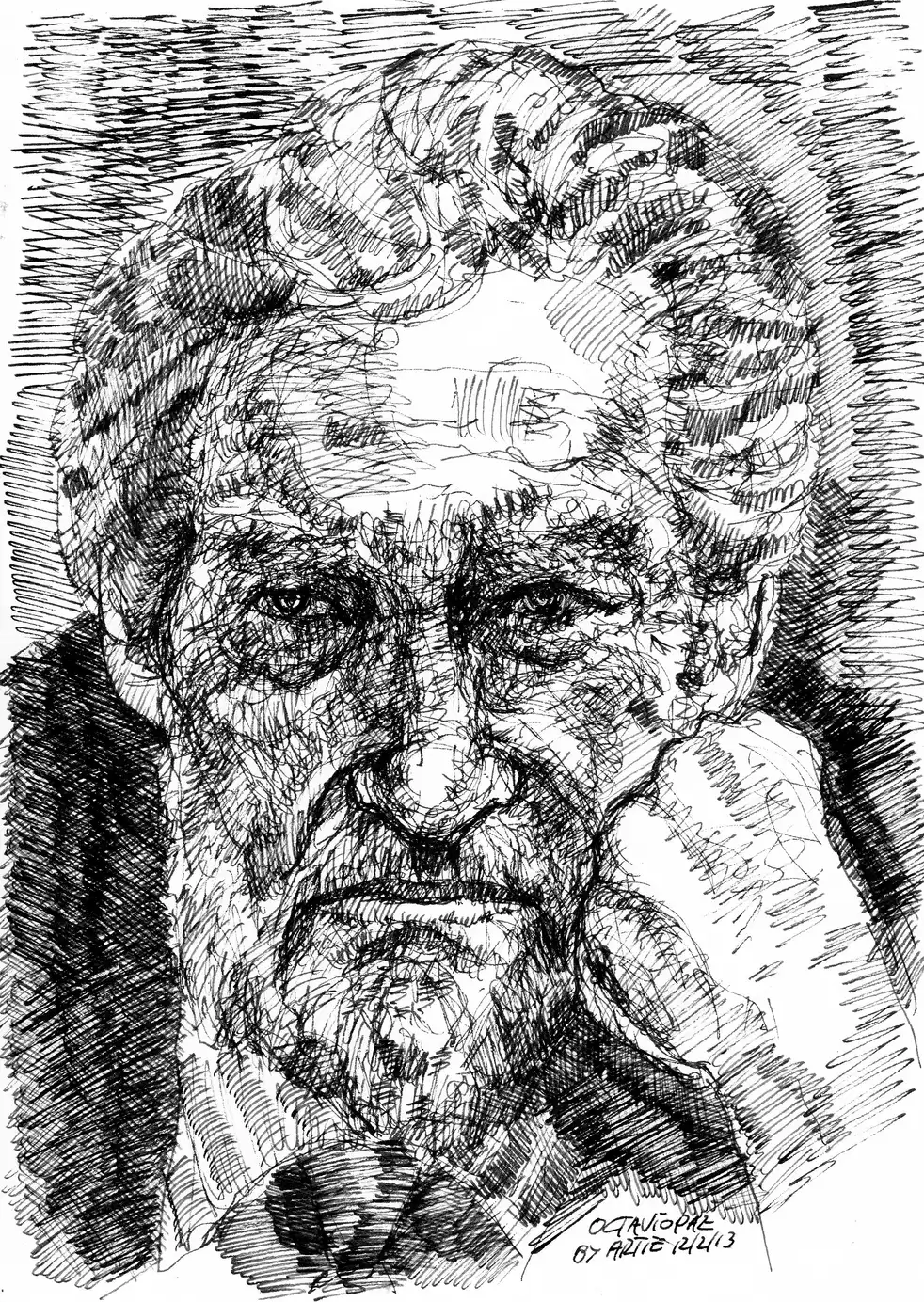
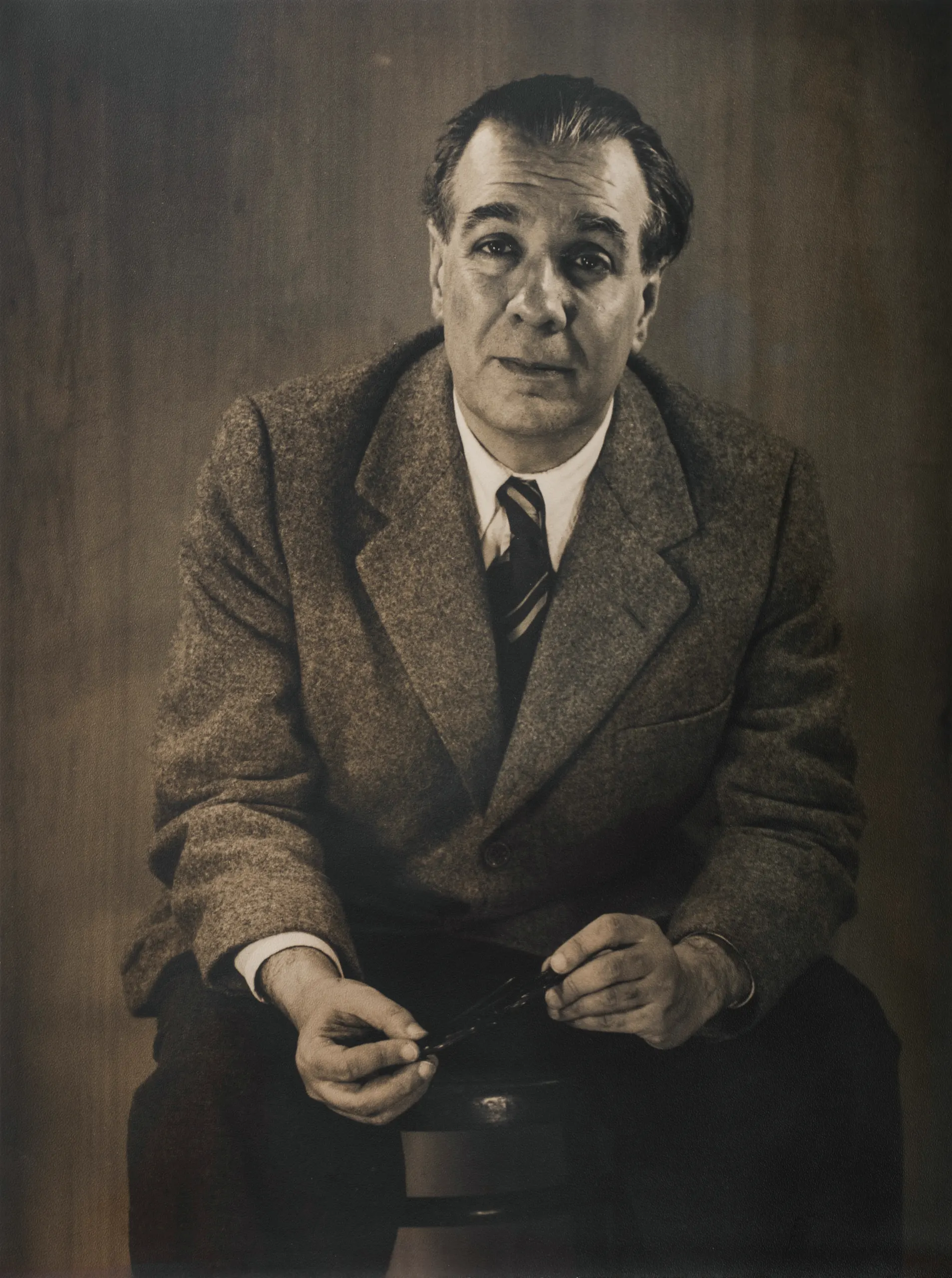
Octavio Paz is portrayed as a man of profound intellect and moral integrity. Media often highlights his dual identity as a diplomat and a poet, emphasizing his ability to bridge cultures and ideas. His writing style is described as lyrical yet analytical, blending personal reflection with broad historical and philosophical insights. He was known for his distinguished appearance, often sporting a beard and wearing traditional Mexican attire or formal European suits depending on the context. His public persona was one of a serious thinker who was unafraid to challenge authority, whether political or artistic.
Fame & Fandom (iFAMOUS Rankings)
iFANN has not yet collected fame data for this person. While Octavio Paz does not have a "fandom" in the pop-culture sense, his readership is vast and dedicated. Students, scholars, and literature enthusiasts globally consider his work essential reading. Fan campaigns often involve reading groups, academic symposia, and the creation of digital archives of his work. The term "Pazistas" is sometimes used informally to describe admirers of his work, reflecting the deep engagement his texts inspire among those who study Latin American literature.
Interesting Facts and Legends
Octavio Paz was a polyglot who spoke English, French, Japanese, and Hindi fluently, a skill set that facilitated his diplomatic work and literary translations. His poem Sunstone is famous for being written as a single long line that forms a circle, symbolizing the cyclical nature of time found in Aztec mythology. Initially a member of the Mexican Communist Party, he broke with the organization in 1956 following the Soviet invasion of Hungary, a decision that cost him some support but earned him respect as an independent thinker. He was also a key figure in the surrealist movement in Latin America before moving towards a more existentialist perspective. His resignation from the diplomatic corps in 1968 transformed him from a celebrated poet into a global symbol of moral courage.
Notable Quotes
“In the labyrinth of solitude, we all seek the other.”
“Poetry is not a luxury; it is a necessity.”
“I am not a Mexican; I am a human being who happens to be Mexican.”
Family & Personal Life
Octavio Paz was born into a family shaped by the Mexican Revolution. His father, Octavio Paz Solórzano, was a lawyer who fought against the dictatorship of Porfirio Díaz. Paz spent his childhood partly with his grandfather on a rural estate, which gave him a deep connection to Mexican history. He had a complex relationship with his family, often navigating their financial struggles and political tensions. He was married twice and did not have any biological children. His second wife, Marie José Tramini, was a close companion until his death, and they shared a life dedicated to art and literature.
Notable Connections
Elena Garro, Marie José Tramini, André Breton, Pablo Neruda, Julio Cortázar.
Relationships & Dating History
Octavio Paz was married twice, and his romantic life was often intertwined with his intellectual and diplomatic travels. His first marriage was to Elena Garro, whom he met in Paris in the mid-1940s. They were married in 1949. Their relationship was passionate but tumultuous, marked by infidelities and artistic rivalry. They separated in 1957 and officially divorced in 1959. Garro, a celebrated playwright and novelist herself, later wrote about their relationship in her memoirs. They had no children together.
Paz met Marie José Tramini, a French artist and writer, in Paris in 1962. They married in 1965. This marriage lasted until Paz's death in 1998. They did not have any biological children together, though they were known to be close companions in his final years. Paz remained widowed at the time of his passing, having lost his second wife to his own death rather than a separation.
- MarriedElena Garro1949 - 1959Passionate but tumultuous marriage; both were artists; no children.
- MarriedMarie José Tramini1965 - 1998Lasting marriage until his death; she managed his legacy.
Death & Aftermath
Died
April 19, 1998 (aged 84)
Death Place
Mexico City, Mexico
Cause of Death
Heart attack complications
Octavio Paz passed away on April 19, 1998, in his home in Mexico City at the age of 84. The immediate cause was reported as complications from a heart attack, though he had been dealing with various health issues related to his age. His death sent shockwaves through the literary world and the Mexican government, which declared a period of national mourning. State officials and fellow intellectuals gathered for a funeral that reflected his status as a cultural titan, honoring a man who had spent his life bridging gaps between cultures.
The aftermath of his passing saw an immediate surge in interest in his work. Publishers rushed to bring out new editions of his essays and previously unpublished manuscripts, while academic institutions organized symposia to discuss his legacy. The Octavio Paz Foundation was established shortly after his death to manage his estate, preserve his archives, and promote his writings globally. This foundation continues to operate today, funding scholarships and organizing international conferences that keep his ideas alive. Posthumous releases included critical editions of his correspondence with other major Latin American writers, offering fresh insights into his creative process. While no major legal disputes over his estate were publicly reported, the management of his intellectual property became a significant revenue stream, ensuring his influence persisted well beyond his lifetime.
Net Worth (Estate Value)
$12 Million
iFANN Editorial Team estimate
As Octavio Paz died in 1998, his net worth is now reflected in the value of his estate. Specific figures for his personal wealth at death are not publicly detailed in modern financial reports, but his estate continues to generate significant revenue through royalties and licensing. Research by the iFANN Editorial Team puts his estate's value at around $12 million USD as of 2026. This figure is derived from the continued sales of his books, which are staples in Latin American curricula, and the licensing of his works for translations and adaptations.
The estate earns primarily from book royalties, translation rights, and the management of his literary archives. The Fundación Octavio Paz manages his legacy, ensuring the preservation of his manuscripts and promoting his work globally. The foundation oversees the estate's assets and promotes his intellectual property, ensuring that his financial contributions to literature continue to grow. The trajectory of the estate has been positive, with ongoing interest in his work driving consistent revenue streams decades after his passing.
Awards Won (8)
Octavio Paz received the world's highest honors for his literary contributions. He won the Nobel Prize in Literature in 1990, the Neustadt International Prize for Literature in 1982, and the Miguel de Cervantes Prize in 1981. Other notable awards include the Jerusalem Prize in 1977 and the Prince of Asturias Award for Literature in 1981. His work has been recognized with numerous honorary degrees and international distinctions.
1990 · Literature
Body of Work
1982 · Literature
Body of Work
Known For
The Labyrinth of Solitude
1950 · Author
Sunstone
1957 · Poet
Nobel Prize in Literature
1990 · Recipient
Keywords
Sources
Quick Facts
- Profession
- poet, lyricist, diplomat
- Born
- March 31, 1914
- Birthplace
- Mexico City
- Died
- April 19, 1998
- Death Place
- Mexico City
- Gender
- Male
- Spouse
- Elena Garro, Marie José Tramini
- Birth Sign
- Sagittarius
Personal Details
- Full Name
- Octavio Paz Lozano
- Spouse
- Elena Garro, Marie José Tramini
- Children
- Education
- National Preparatory School; National Autonomous University of Mexico (UNAM)
Frequently Asked Questions
What is Octavio Paz famous for?
Who was Octavio Paz married to?
Why did Octavio Paz resign from his diplomatic post?
When did Octavio Paz die?
What is the significance of The Labyrinth of Solitude?

Join the community
fans discussing