
Byung-Chul Han
 South Korea
writer•philosopher•university teacher
Also known as: 한병철, Pyŏng-ch'ŏl Han
Birthday
1959
Birth Sign
Scorpio
Birthplace
Seoul, South Korea
Age
67 years old
About
Byung-Chul Han is a South Korean-born German philosopher and cultural theorist who has become one of the most influential voices on modern society. Born in Seoul in 1959, he moved to Germany to study philosophy and theology before establishing a career as a professor at the Berlin University of the Arts. His work focuses on the psychological impacts of neoliberalism, digital connectivity, and the crisis of attention in the information age.
Han writes in German but has found his largest and most passionate audience in the Spanish-speaking world. His books analyze how the shift from disciplinary societies to achievement societies has led to widespread burnout and self-exploitation. Despite his global reach and frequent comparisons to figures like Slavoj Žižek, he maintains a low public profile, preferring to let his texts speak for themselves rather than engaging in celebrity culture.
Early Life & Background
Byung-Chul Han was born in Seoul, South Korea, in 1959 during a period of rapid industrialization that would later shape his critiques of productivity. He moved to Germany in the early 1980s to pursue higher education, settling in Freiburg where he enrolled at the Albert-Ludwigs-University. There he studied philosophy, German literature, and Catholic theology, immersing himself in continental traditions that would define his intellectual trajectory.
His academic path was rigorous and deeply rooted in classical thought. He earned his doctorate in 1994 with a thesis examining Martin Heidegger's philosophy, followed by a habilitation in 2002. Before his rise to international prominence, Han taught at various institutions including the University of Basel. During this formative period, he began publishing essays that explored aesthetics and deconstruction, gradually pivoting toward social critique as he observed the changing landscape of post-war Europe.
The transition from academic obscurity to public recognition began in the mid-2000s when he started articulating a unique synthesis of Eastern and Western thought. His early works laid the groundwork for a new understanding of modernity, focusing on how technology and capitalism reshape human subjectivity. This foundational period prepared him for the breakthrough that would redefine contemporary philosophical discourse.
Career Growth
Byung-Chul Han's breakthrough arrived with the publication of Müdigkeitsgesellschaft (The Burnout Society) in 2010. This book analyzed the shift from Michel Foucault's disciplinary societies to what Han termed "achievement societies," where individuals exploit themselves in the pursuit of success. The text resonated globally, particularly in Spain and Latin America, sparking intense debates about mental health, overwork, and the erosion of community.
Following this success, Han released a series of influential monographs that expanded his critique of contemporary life. The Transparency Society (2012) examined the dangers of total visibility, while Psychopolitics (2014) explored how digital technologies manipulate behavior and thought. His subsequent works, including The Disappearance of Rituals (2016) and The Sickness of the Soul (2019), continued to dissect the anxieties of the 21st century.
In 2025, Han received the prestigious Princess of Asturias Award for Social Sciences, cementing his status as a leading public intellectual. His recent publications, such as The Spirit of Hope (2024) and The Tonality of Thought (2026), further explore themes of silence, exhaustion, and the fragmentation of narrative in a hyper-connected world. Although he retired from full-time teaching at the Berlin University of the Arts, he continues to lecture occasionally and remains active in the global philosophical conversation.
Career Timeline
Public Image & Style
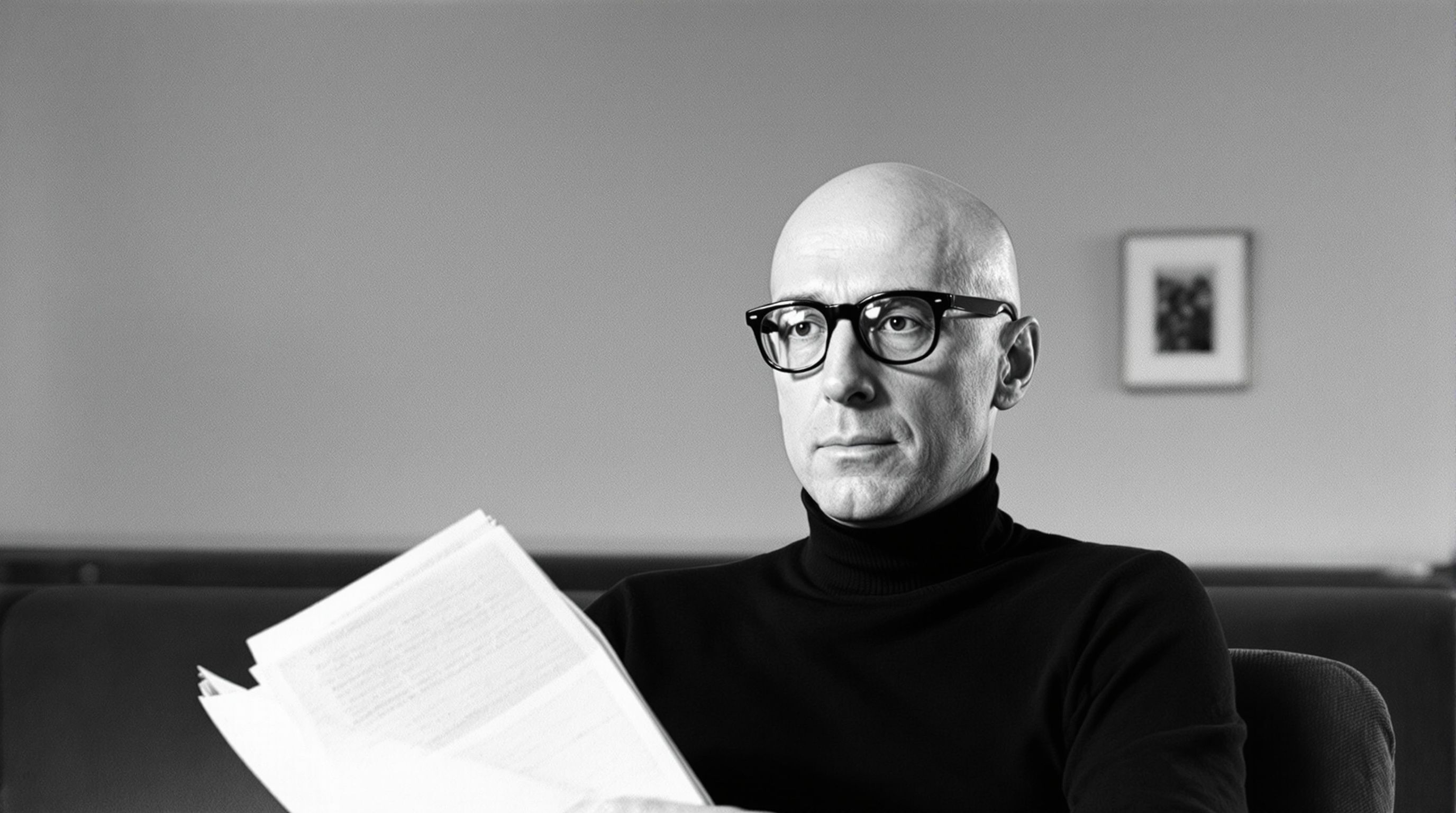
Media portrayals consistently highlight Han as a critical thinker who challenges the status quo. He is seen as a bridge between Eastern and Western thought, offering a unique perspective on the global condition. His tone is serious and reflective, avoiding sensationalism in favor of deep analysis. He typically wears simple, dark clothing and maintains a calm, introspective demeanor. His content tone is melancholic yet analytical, reflecting his critiques of modern anxiety and burnout. He is often described as a "social critic" whose work serves as a mirror to the anxieties of the 21st century.
Fame & Fandom (iFAMOUS Rankings)
Byung-Chul Han commands a global attention that extends far beyond the academic circles of continental Europe, reaching into the Spanish-speaking world where his critiques of neoliberalism and digital exhaustion have found their most enthusiastic readership. Current data from September 2026 confirms his standing as the 89th most famous person from South Korea, a position he holds within the iFANN Global Fame Rankings. These placements reflect a sustained interest in his work on burnout, connectivity, and the erosion of community rather than fleeting viral moments.
While his influence is vast, the nature of his audience remains distinct from the mobilized crowds typical of pop culture icons. There is no formal name for his fanbase; instead, his supporters are primarily academics, students, and general readers who engage with his texts critically rather than through organized rituals or campaigns. His reputation as a "rock star of ideas" describes his literary success and market reach, yet it does not indicate a celebrity-style fandom with specific monikers or dedicated infrastructure. Fans often cite his books as essential reading for understanding contemporary mental health crises, and grassroots efforts to translate his works into new languages continue to expand his reach.
Interesting Facts and Legends
Byung-Chul Han describes gardening as a form of silent meditation that counters the frantic pace of modern life. He often cites Rosa Luxemburg and the Bible as key influences on his philosophical framework. Despite being called a "rock star of ideas" by some media outlets, he rejects the celebrity label and avoids social media entirely. His books are known for their poetic yet accessible style, making complex concepts understandable to broad audiences. One widely retold story involves his observation that modern society has shifted from external discipline to internal self-exploitation, a concept that has become a cultural touchstone in workplace discussions. In a 2026 interview, he stated that humans were born to play, emphasizing the need for leisure in a productivity-obsessed culture.
Notable Quotes
“Humans were born to play.”
“The burnout society is a society of achievement, where the subject exploits itself.”
“We are free, but we are not free enough to say no.”
“Silence is the only thing that can save us from the noise of the digital age.”
“A lot of people read me, but I'm not a millionaire.”
Family & Personal Life
Byung-Chul Han lives an extremely private life in Berlin, keeping his personal affairs out of the public eye. There are no publicly documented romantic relationships, marriages, or children associated with him. He rarely discusses his family in interviews, and reports indicate he dedicates much of his time to writing, gardening, and listening to music. Unlike many public figures, he does not share details about his household or relatives, maintaining a boundary between his intellectual output and his private existence.
Notable Connections
Slavoj Žižek, Judith Butler, Martin Heidegger, Michel Foucault, Rosa Luxemburg
Relationships & Dating History
Byung-Chul Han maintains an extremely private existence regarding his personal life. There are no publicly documented romantic relationships, marriages, or divorces associated with him in credible sources up to 2026. Unlike many public figures, he does not discuss his family life in interviews, and no children have ever been confirmed. Reports indicate that he lives a quiet life in Berlin, dedicating much of his time to writing, gardening, and listening to music. As of 2026, Byung-Chul Han is considered single, with no reported partners. His focus remains entirely on his philosophical work and intellectual output.
Salary, Net Worth In 2026
$2 Million
iFANN Editorial Team estimate
Net worth estimates for Byung-Chul Han vary based on the scarcity of financial disclosure, but available data suggests a modest income relative to pop culture icons. A 2025 interview with El País explicitly stated, "A lot of people read me, but I'm not a millionaire," indicating a comfortable but not extravagant financial status. Estimates from financial tracking sites place his net worth between $1 million and $3 million USD, derived primarily from book royalties, university salaries, and lecture fees. Unlike celebrity authors who rely heavily on endorsements or business ventures, Han's wealth is almost exclusively generated through his academic position and the translation rights of his books. There are no reports of real estate holdings outside of standard residential living arrangements in Berlin, nor any major business ventures. iFANN currently estimates Han's net worth at approximately $2 Million as of 2026.
Awards Won (1)
Byung-Chul Han has received significant recognition for his contributions to social theory and philosophy. The most notable is the Princess of Asturias Award for Social Sciences, which he received in 2025. While he has been nominated for various literary and academic prizes, the Princess of Asturias Award stands as his primary major honor. His influence is often compared to that of Slavoj Žižek and Judith Butler, with some media outlets dubbing him a "rock star of ideas" due to the massive sales of his books in non-German speaking markets.
2025 · Social Sciences
Overall contribution to understanding the human condition in the digital age
Known For
The Burnout Society
2010 · Author
The Transparency Society
2012 · Author
Psychopolitics
2014 · Author
The Disappearance of Rituals
2016 · Author
Keywords
Sources
Quick Facts
- Profession
- writer, philosopher, university teacher
- Born
- 1959
- Birthplace
- Seoul, South Korea
- Gender
- Male
Personal Details
- Full Name
- Han Byung-chul
- Children
- Education
- University of Freiburg (PhD), University of Zurich
Frequently Asked Questions
What is Byung-Chul Han famous for?
Is Byung-Chul Han married?
Where did Byung-Chul Han go to school?
What is Byung-Chul Han's net worth?
Does Byung-Chul Han have children?
Join the community
fans discussing