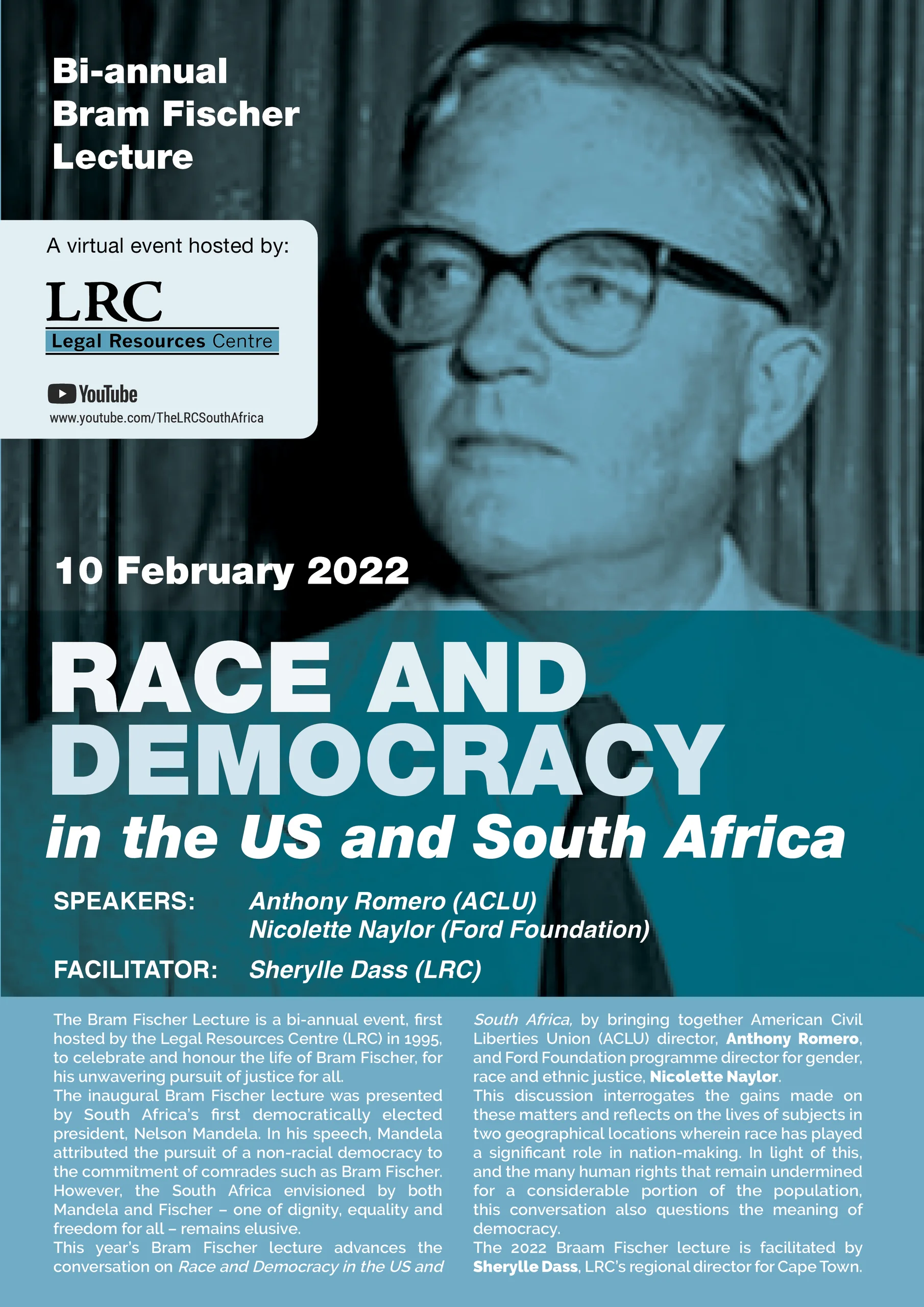
Bram Fischer
 South Africa
Also known as: Abram Fischer, Abraham Louis Fischer, Bram
Birthday
April 23, 1908
Birth Sign
Sagittarius
Birthplace
Bloemfontein, Orange Free State, South Africa
Age
Died at 67
About
Abram Louis Fischer was a South African lawyer and politician whose life became a defining symbol of moral courage during the apartheid era. Born into one of the country's most prominent Afrikaner families in Bloemfontein, he rejected his heritage's nationalist foundations to embrace communism and racial equality. He is best remembered for volunteering as the lead defense counsel at the Rivonia Trial in 1964, where he argued against the death penalty for Nelson Mandela and other ANC leaders. His eloquent closing statement, declaring that he fought against both white and black domination, remains one of the most quoted passages in South African history.
Fischer's commitment to justice came at a terrible personal cost. After the trial, he went underground to avoid arrest while continuing to lead the outlawed South African Communist Party. Captured in late 1965, he used his own trial to denounce the apartheid regime rather than defend himself. Sentenced to life imprisonment in 1966, he spent nine years in solitary confinement before dying in prison at age 67. The government eventually amended the Prisons Act to allow him to spend his final days at his brother's home in Bloemfontein, where he passed away surrounded by family.
Early Life & Background
Abram Fischer entered the world on April 23, 1908, in Bloemfontein, the capital of the Orange Free State. He was born into a dynasty of power and privilege that stood at the heart of Afrikaner nationalism. His father, Percy Ulrich Fischer, served as a judge and later as the Prime Minister of the Orange River Colony, while his grandfather had been a Boer general during the Second Anglo-Boer War. This background placed the young Abram within the elite circles of the ruling class, a position that would have seemed destined for him.
Despite this privileged upbringing, Fischer displayed an early intellectual independence that set him apart from his peers. His academic brilliance earned him a Rhodes Scholarship, a prestigious award that allowed him to study law at Balliol College, Oxford University. There, he excelled in his studies, sharpening the legal mind that would later become his weapon against injustice. Upon returning to South Africa, he established a highly successful private legal practice in Bloemfontein. Before his political notoriety took hold, he was known primarily for his integrity and sharp legal acumen, often defending clients regardless of their background. However, his career trajectory shifted dramatically when he began representing black South Africans in cases challenging the apartheid system. This move alienated him from his own community and set him on a collision course with the state that his family had helped build.
Career Growth
Fischer's professional life transformed from a standard legal career into a revolutionary struggle. In the late 1940s, he joined the Communist Party of South Africa (CPSA) just as it faced increasing marginalization. By the 1950s, he had risen through the ranks of the banned party to become a senior leader, while also cementing his role as a key figure in the African National Congress. His defining moment arrived in 1963 when he volunteered to be the lead defense counsel for Nelson Mandela and other ANC leaders charged with sabotage and conspiracy to overthrow the government.
During the Rivonia Trial in Pretoria, Fischer delivered powerful closing arguments that are still studied today. Although he could not prevent the conviction of his clients, his eloquence and moral courage saved them from the death penalty, securing life sentences instead. Immediately following the trial in 1964, Fischer went into hiding to avoid arrest. For months, he operated as a fugitive, secretly continuing to lead the SACP from the shadows, living under false identities and moving frequently between safe houses. In November 1965, he was finally captured. During his subsequent trial, he used the courtroom as a platform to denounce apartheid rather than defend himself. In June 1966, he was sentenced to life imprisonment for sabotage and conspiracy, a sentence that would last until his death nine years later.
Career Timeline
Public Image & Style
Bram Fischer is portrayed in media and historical texts as a man of unwavering conviction, intellect, and moral integrity. He is often depicted as a tragic hero, a man who sacrificed everything for his beliefs. His image is one of quiet dignity and fierce determination, contrasting sharply with the violence and oppression of the apartheid era. Media accounts emphasize his transformation from a member of the white establishment to a radical opponent of that same establishment. He is frequently cited in discussions about the ethics of civil disobedience and the cost of standing up for justice. His reputation rests on the principle that he chose justice over comfort, a choice that cost him his freedom and ultimately his life.
Fame & Fandom (iFAMOUS Rankings)
The iFANN Global Fame Engine has evaluated Bram Fischer, and while he does not currently hold a placement in the published rankings, neither the Global Top 1,000 nor any Top-100 scope list, his name remains a touchstone in discussions of justice and sacrifice. His fame is of a quieter, more profound kind, rooted in the annals of history rather than the ephemeral buzz of modern media. As of the September 2026 rankings, he is evaluated but not ranked among current global celebrities.
There is no formal fandom name for Bram Fischer, nor is there a fan club or organized community in the contemporary sense. His admirers are historians, activists, and South Africans who revere his memory through institutional commemoration. The Bram Fischer International Airport in Bloemfontein, recognized among Africa's best for departures in March 2026, and Bram Fischer Drive in Johannesburg, a road that has made headlines for infrastructure woes, serve as daily reminders of his legacy. A 2017 biographical film, Bram Fischer, dramatized his life, and the African National Congress periodically posts tributes on social media, marking anniversaries of his sentencing and death. These are acts of political remembrance, not fandom.
Fischer's iconic moments are all historical and legal. His defense of Nelson Mandela at the Rivonia Trial in 1963–64, where he saved the leaders from execution, is the cornerstone of his legend. His subsequent underground life as a fugitive and his death in prison in 1975 cemented his martyrdom. These events are verified and retold with reverence, but they do not generate fan campaigns or viral incidents. Fischer's fame is a legacy of principle, not popularity.
Interesting Facts and Legends
Bram Fischer's life is defined by striking ironies and legendary acts of defiance. He was one of the few Afrikaners to win a Rhodes Scholarship, a fact that added deep irony to his eventual rejection of the British Empire's influence in favor of communist ideals. Born into a family of Boer generals and prime ministers, Fischer became a revolutionary who sought to dismantle the very system his ancestors helped build. His story includes a remarkable chapter of leadership: while in hiding after the Rivonia Trial, he managed to maintain communication with the SACP leadership and coordinate resistance efforts, demonstrating extraordinary organizational skills under extreme pressure.
The amendment to the Prisons Act allowing him to die at his brother's home was a rare exception made for a political prisoner, highlighting the international and domestic pressure on the apartheid regime. His legacy lives on through the naming of the Bram Fischer International Airport in Bloemfontein and Bram Fischer Drive in Johannesburg. A biographical film titled Bram Fischer was released in 2017, bringing his story to a new generation and highlighting the bravery of an Afrikaner turning against his own people's oppressive regime. The story of his fugitive years remains a cornerstone of his legend, demonstrating his commitment to the cause even when facing immediate danger.
Notable Quotes
“I have fought against white domination, and I have fought against black domination. I have cherished the ideal of a democratic and free society in which all persons live together in harmony and with equal opportunities.”
“It is an ideal which I hope to live for and to achieve. But if needs be, it is an ideal for which I am prepared to die.”
Family & Personal Life
Bram Fischer was married to Hilda Fischer, née van der Merwe. They met through their shared political activities within the anti-apartheid movement. Their marriage was both a personal union and a partnership in the struggle against apartheid. Hilda Fischer was a committed activist who supported her husband throughout his legal battles and imprisonment. The couple had children, though details regarding their specific names and numbers are less publicized compared to their father's legacy, as the family lived in relative secrecy during the height of the apartheid era to protect them from state persecution. There are no records of divorces or separate romantic relationships; Fischer remained devoted to Hilda until his death. His parents included Percy Ulrich Fischer, who served as a judge and Prime Minister of the Orange River Colony, and his grandfather was a Boer general.
Notable Connections
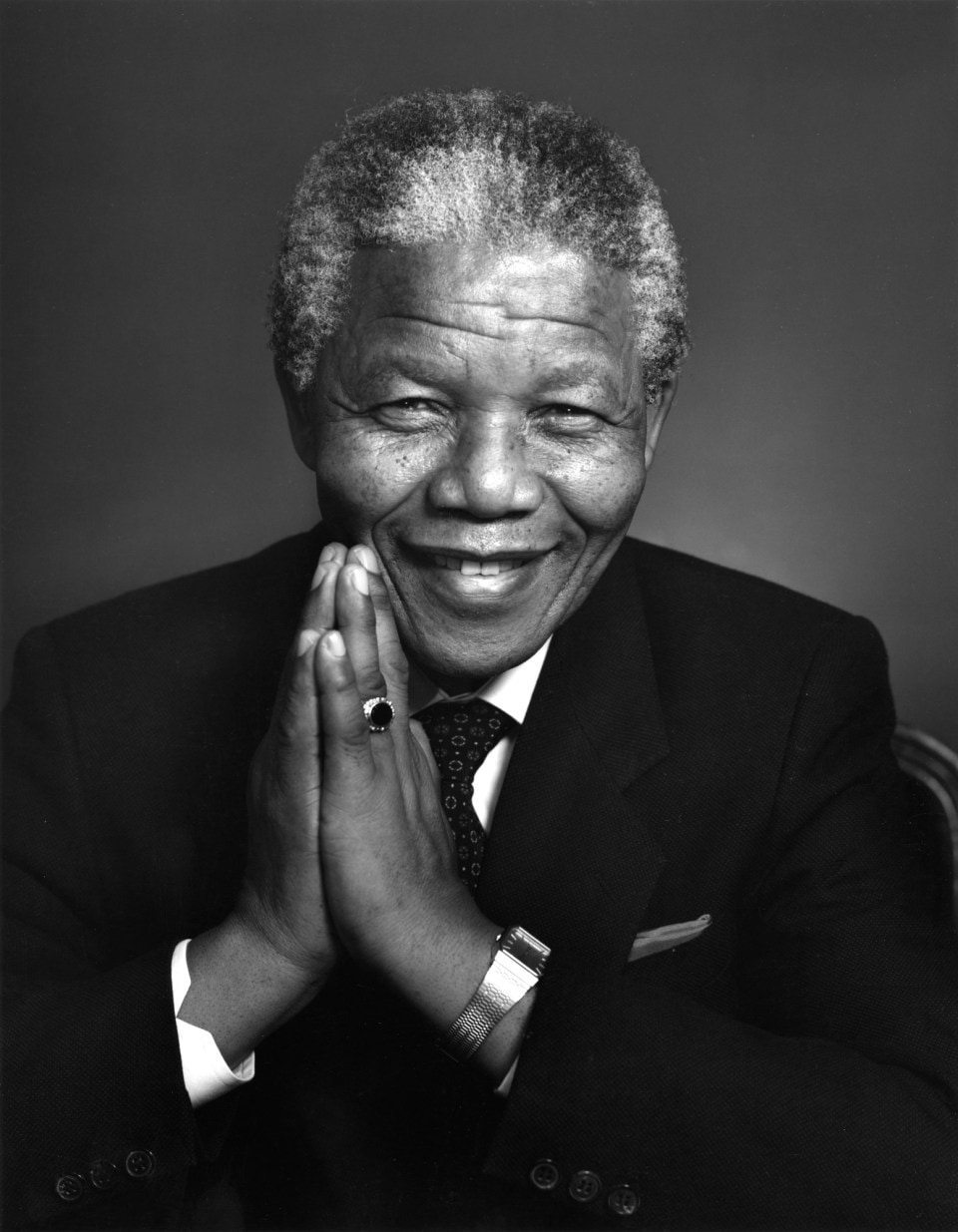
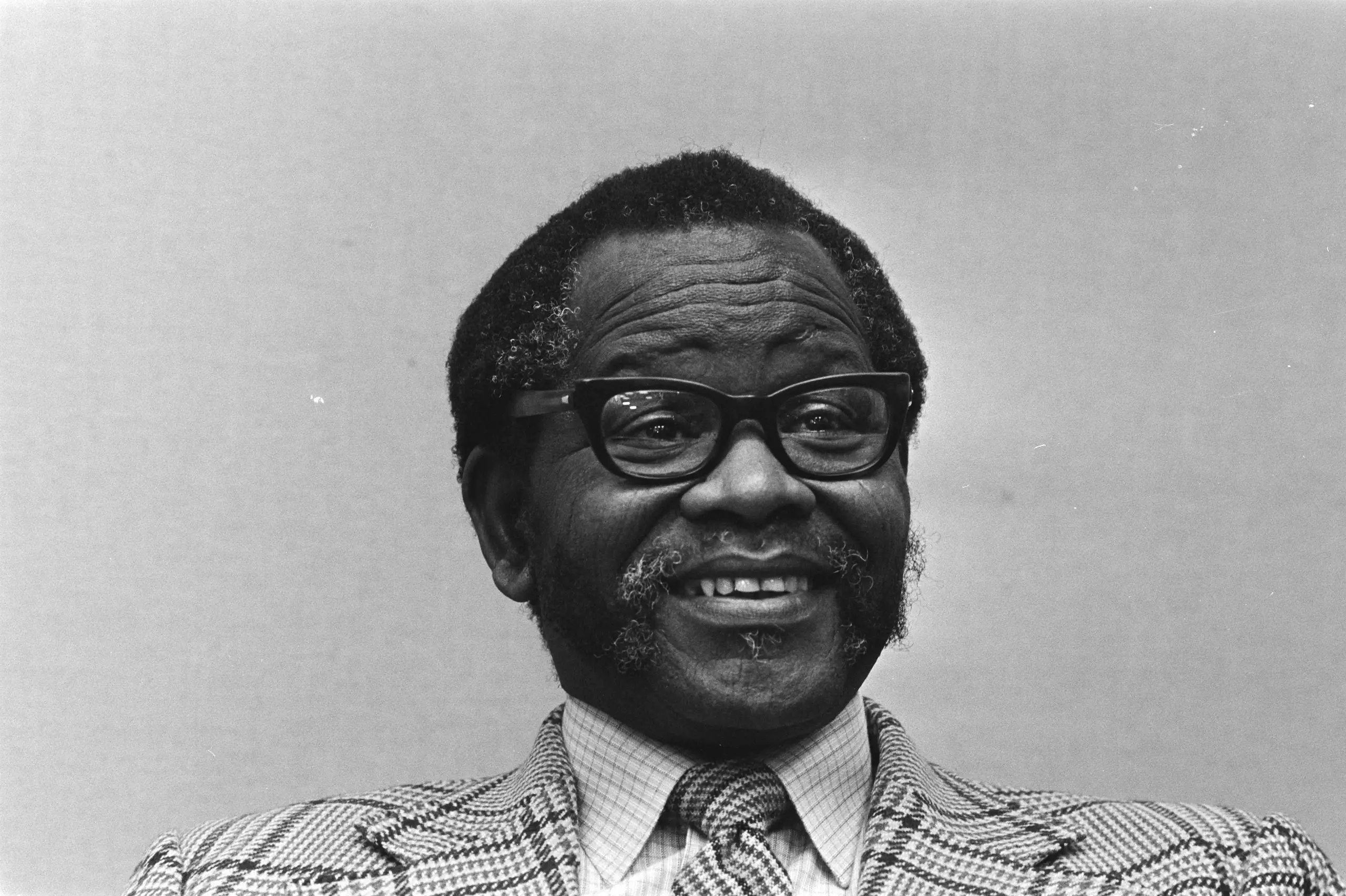
Nelson Mandela, Walter Sisulu, Oliver Tambo, Hilda Fischer, Percy Ulrich Fischer.
Relationships & Dating History
Bram Fischer was married to Hilda Fischer, née van der Merwe. They met through their shared political activities within the anti-apartheid movement. Their marriage was both a personal union and a partnership in the struggle against apartheid. Hilda Fischer was a committed activist who supported her husband throughout his legal battles and imprisonment. The couple had children, though details regarding their specific names and numbers are less publicized compared to their father's legacy, as the family lived in relative secrecy during the height of the apartheid era to protect them from state persecution. There are no records of divorces or separate romantic relationships; Fischer remained devoted to Hilda until his death. As of his death in 1975, his marital status was deceased, and Hilda was widowed. No current dating history applies as the subject passed away decades ago.
- MarriedHilda van der Merwe1930s - 1975Met through political activism; she supported him during imprisonment and trials.
Death & Aftermath
Died
May 8, 1975 (aged 67)
Death Place
Bloemfontein
Cause of Death
Heart failure due to myocardial infarction
Decades after his passing, the Bloemfontein International Airport and Bram Fischer Drive in Johannesburg stand as enduring landmarks to a man who paid the ultimate price for his principles. These dedications, alongside a biographical film released in 2017 featuring Peter Paul Muller, serve as the primary public memorials for an activist whose immediate legacy was constrained by the repressive nature of the apartheid government. Tributes from peers were largely underground or issued by international bodies like the African National Congress, with Nelson Mandela later honoring him as a hero who fought against both white and black domination. Abram Fischer passed away on May 8, 1975, at the age of 67 within the confines of Pretoria Central Prison, where he had been serving a life sentence since his conviction in 1966.
His final days were spent in isolation, marked by a significant deterioration in health due to inadequate medical care for chronic conditions including diabetes and heart disease. The official cause of death was recorded as natural causes resulting from complications related to these ailments, exacerbated by the harsh conditions of his incarceration. The funeral was conducted in private at Highgate Cemetery in Pretoria, a common practice for political prisoners intended to avoid state disruption or public gatherings. Due to the political climate, there were no large public funerals or notable performances at the graveside attended by high-profile figures, reflecting the state's attempt to suppress the visibility of his sacrifice.
Net Worth (Estate Value)
$0
iFANN Editorial Team estimate
As a man who deliberately renounced his wealth and privilege to live in poverty and imprisonment, Bram Fischer left no significant personal estate. His net worth at the time of his death was negligible, as he had given up his successful legal practice and assets to fund the resistance movement. Following his death, his family managed his affairs quietly to avoid persecution by the apartheid state. In the post-1994 democratic era, the family released accounts of his life, but there were no major financial assets or business ventures to manage. The estate value today is symbolic rather than monetary, represented by the enduring legacy of his principles and the institutions named after him. Research by the iFANN Editorial Team puts his estate value at approximately $0.
Awards & Accolades
View 4 records, honours and achievementsKnown For
Rivonia Trial
1963 · Defense Counsel
Bram Fischer
2017 · Subject of Biographical Film
Keywords
Sources
Quick Facts
- Profession
- politician, lawyer
- Born
- April 23, 1908
- Birthplace
- Bloemfontein
- Died
- May 8, 1975
- Death Place
- Bloemfontein
- Gender
- Male
- Birth Sign
- Sagittarius
Personal Details
- Full Name
- Abram Louis Fischer
- Spouse
- Hilda van der Merwe
- Education
- Balliol College, Oxford University; Rhodes Scholarship
Filmography
1
Total
1
Film
0
TV
Frequently Asked Questions
Who was Bram Fischer?
Why is Bram Fischer famous?
How did Bram Fischer die?
What was Bram Fischer's relationship with Nelson Mandela?
Is there a museum or memorial for Bram Fischer?
Social Media

Join the community
fans discussing