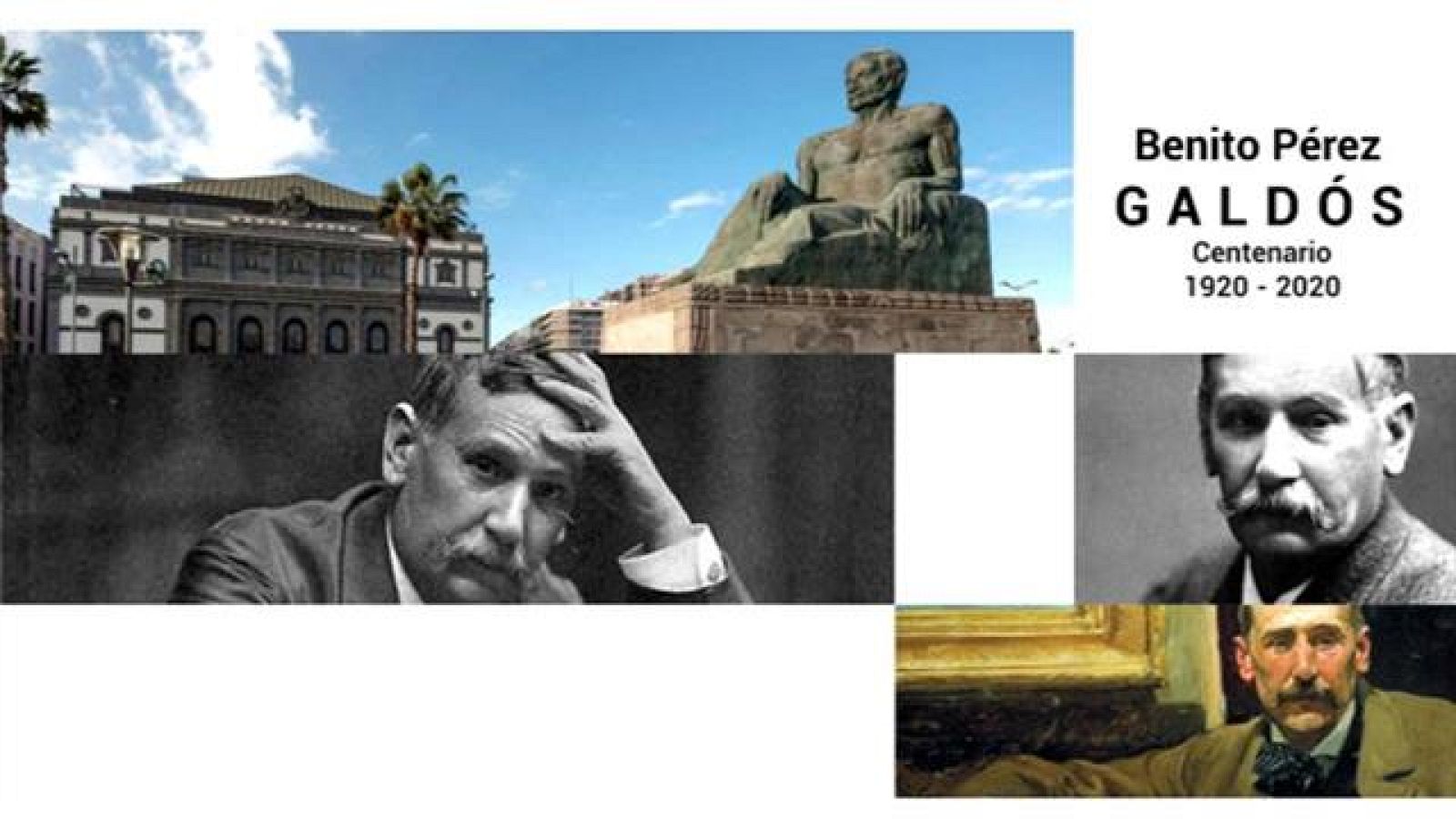
Benito Pérez Galdós
 Spain
SpainAlso known as: Galdós, Benito Pérez y de la Cuesta
Birthday
May 10, 1843
Birth Sign
Taurus
Birthplace
Las Palmas de Gran Canaria
Age
Died at 76
About
Benito Pérez Galdós, born Benito Pérez y de la Cuesta on May 10, 1843, in Las Palmas de Gran Canaria, was a towering figure in Spanish literature. A realist novelist, playwright, and politician, he is widely regarded as the greatest Spanish writer after Miguel de Cervantes. Over a career spanning more than five decades, he produced an astonishing body of work including 31 major novels, 46 historical novels across five series known as the Episodios Nacionales, 23 plays, and the equivalent of 20 volumes of shorter fiction and journalism. His output drew comparisons to Charles Dickens, Honoré de Balzac, and Leo Tolstoy for its scope and social depth. Though he died in 1920, his legacy remains vibrant. As of 2026, the Castalia Library has completed the first full English translation of the first series of the Episodios Nacionales, making these historical narratives accessible to Anglophone readers for the first time.
Galdós moved to Madrid in 1862 to study law but quickly abandoned it to pursue writing. His early novels established him as a keen observer of Spanish society, but it was the Episodios Nacionales that cemented his reputation as the nation's chronicler. These works fictionalized Spain's turbulent history from the War of Independence to the Restoration. His masterpiece, Fortunata y Jacinta, published in 1886-87, offered a panoramic view of Madrid's lower and middle classes. Politics ran deeply through his life; he served as a deputy for Puerto Rico, Madrid, and Las Palmas, representing the Republican-Socialist Conjunction. Despite being nominated for the Nobel Prize in Literature in 1912, conservative Catholic sectors boycotted him due to his secular views. He died in 1920, leaving behind a legacy that continues to shape Spanish culture.
Early Life & Background
Benito Pérez Galdós entered the world on May 10, 1843, in Las Palmas de Gran Canaria as the son of Benito Pérez de la Cuesta and María Teresa Fernández de la Cuesta. He grew up in a middle-class household where his father worked as a tailor and his mother managed the home. An early education at an English school in his hometown fostered a lasting appreciation for English literature. This connection proved pivotal when he later translated Charles Dickens' The Pickwick Papers into Spanish, introducing Victorian realism to a Spanish audience eager for new forms of storytelling. At the age of 19, in 1862, he packed his bags and moved to Madrid to study law at the Complutense University. However, the lecture halls of law held little appeal compared to the bustling streets of the capital. Driven by a passion for literature and social observation, he quickly abandoned his legal studies. For years, he lived in poverty in Madrid, often relying on friends and literary patrons for support while contributing articles to newspapers and magazines. His struggle was not just financial but artistic, as he sought to carve out a voice in a conservative literary landscape. His first novel, La Fontana de Oro, finally appeared in 1870, marking the end of his apprenticeship and the beginning of a prolific career that would span over fifty years.
Career Growth
The publication of La Fontana de Oro in 1870 launched Galdós into the literary spotlight. Throughout the 1870s, he wrote socially critical novels like Doña Perfecta (1876) and Marianela (1878), which challenged religious dogmatism and exposed social inequality. From 1873 to 1912, he authored the Episodios Nacionales, a massive cycle of 46 historical novels that fictionalized Spain's turbulent history from the War of Independence to the Restoration. This series cemented his reputation as the nation's primary chronicler. In 1886-87, he published Fortunata y Jacinta, widely considered his masterpiece and one of the greatest Spanish novels ever written. It offered a panoramic view of Madrid's lower and middle classes. His theatrical work also flourished; in 1892, he premiered Realidad, a groundbreaking play that challenged the conventions of the Spanish stage. Galdós's influence extended beyond literature into politics. He served as a Member of Parliament for Guayama, Puerto Rico, in 1886, and later won seats in the Madrid cortes in 1907 and 1910 as part of the Republican-Socialist Conjunction. He also represented Las Palmas in 1914. In 1912, he was nominated for the Nobel Prize in Literature. Despite being a favorite, conservative Catholic sectors boycotted him due to his secular views and anti-clerical writings, preventing him from winning. Posthumously, his works continue to be translated and studied globally. As of August 2026, the Castalia Library completed the first full English translation of the first series of the Episodios Nacionales.
Career Timeline
Public Image & Style
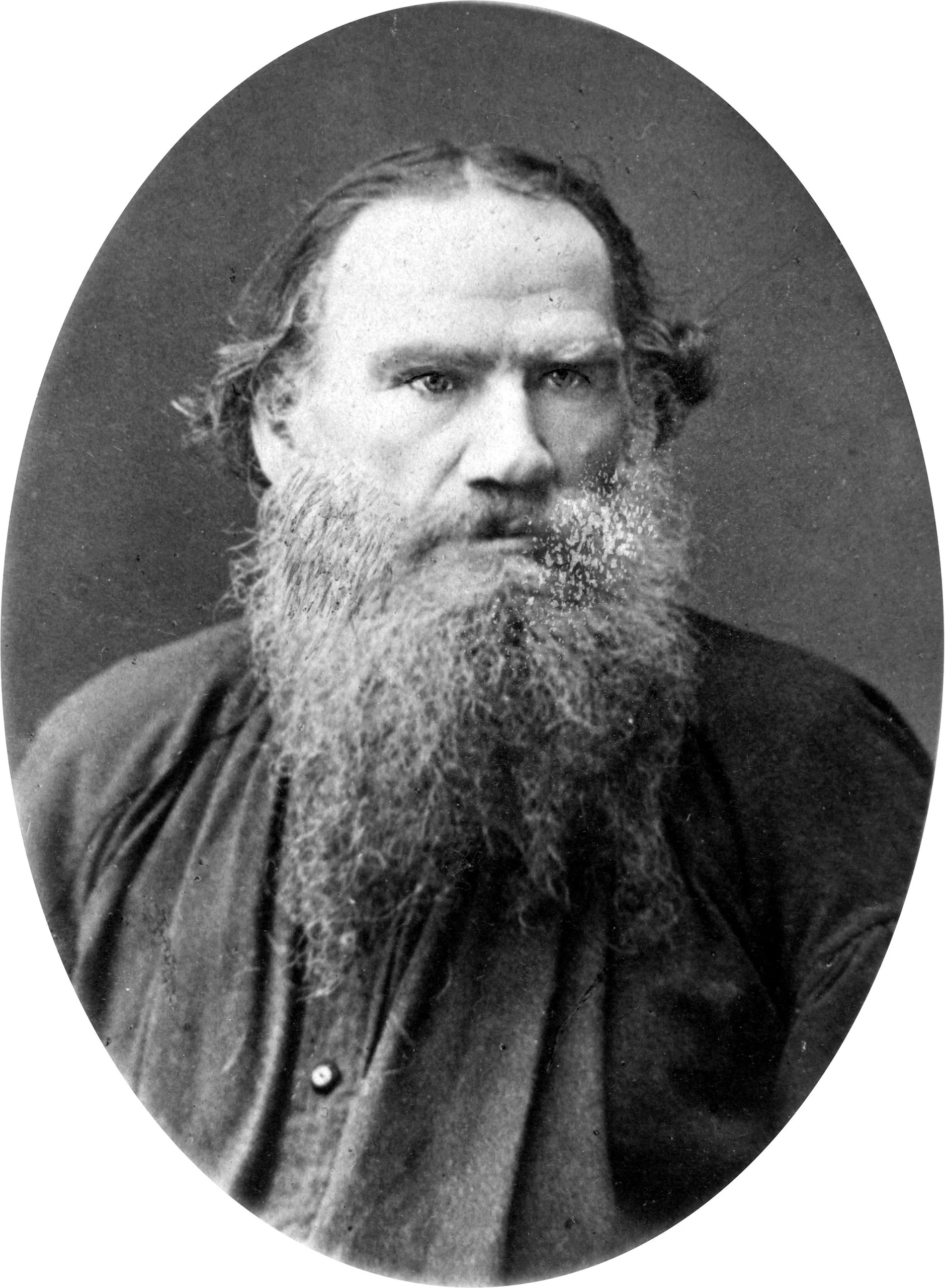
Galdós is portrayed as a courageous, progressive, and deeply patriotic figure. His image is that of a man who used his pen to fight for social justice and democratic reform. He is respected for his moral integrity and his ability to capture the complexities of Spanish society. Contemporary descriptions note his distinguished appearance, often wearing formal attire suitable for a politician and man of letters. He was known for his intense gaze and expressive demeanor. Even in his final days, when blind and paralyzed, he dictated his final thoughts to his wife Trinidad, symbolizing his unwavering dedication to his craft until the very end. His opposition to religious authority and his defense of Spanish unity made him a polarizing yet revered figure in his time.
Fame & Fandom (iFAMOUS Rankings)
Benito Pérez Galdós does not currently hold a placement in the published iFANN Global Top 1,000 or any Top-100 scope list. While his literary stature places him second only to Miguel de Cervantes in the Spanish canon, the iFANN Global Fame Engine has evaluated his modern digital footprint and found no active ranking within its current metrics. This absence of a numeric score reflects the reality that his primary audience consists of scholars and students rather than a mass market driving contemporary search volume or social engagement. The concept of a formal fandom for Galdós remains elusive; there is no documented name for his supporters, nor are there organized fan clubs, official nicknames, or interactive campaigns bearing his identity. His devotees operate as cultural enthusiasts who engage with his work through academic study and institutional appreciation rather than grassroots fandom rituals. Unlike modern celebrities who inspire subway ad campaigns or birthday billboards, Galdós's veneration manifests through state-sanctioned tributes. The most striking example occurred in 2020 when Metro Madrid transformed the Ríos Rosas station into a living recreation of characters from Fortunata y Jacinta, allowing commuters to walk through his fictional world. This transformation, alongside ongoing events in Gran Canaria and Arrecife celebrating his legacy, demonstrates how his 'fanbase' interacts with his memory through public infrastructure and educational initiatives. These moments highlight a reverence managed by municipal bodies rather than an organic community, yet they confirm that while he lacks a digital ranking today, his cultural resonance remains profound and enduring.
Interesting Facts and Legends
Benito Pérez Galdós is often ranked just behind Miguel de Cervantes in the canon of Spanish letters. He produced an astonishing body of work including 31 major novels, 46 historical novels across five series, and 23 plays. A notable legend among literary historians involves his role as a bridge between English and Spanish literature; he translated Charles Dickens' The Pickwick Papers into Spanish, making him a key figure in introducing Victorian realism to Spain. His political career was equally remarkable, as he served as a Member of Parliament known for his courage and progressive views, particularly his articles inveighing against Catalan separatism and his support for the Second Republic. When he died on January 4, 1920, it was a major national event marked by widespread mourning. In 2020, the centenary of his death saw significant tributes, including the publication of new editions of Misericordia by the Madrid City Council. Fans still retell stories of his prolific output, noting that he wrote the equivalent of 20 volumes of shorter fiction and journalism alongside his novels. The story of the Metro Madrid tribute at Ríos Rosas station in November 2020 has become a modern iconic moment where commuters literally walked through the setting of Fortunata y Jacinta, transforming the daily commute into a literary pilgrimage.
Notable Quotes
“La literatura es la vida misma.”
“El escritor debe ser el cronista de su tiempo.”
“No hay más patria que la verdad.”
Family & Personal Life
Benito Pérez Galdós was born to Benito Pérez de la Cuesta, a tailor, and María Teresa Fernández de la Cuesta. He married twice. His first marriage was to María del Pilar Faustina de la Cruz y Díez in 1875. The couple had no children. Their marriage ended in separation in 1886 due to Faustina's mental instability and Galdós's increasing dedication to his work and political activism. They remained legally married until her death in 1911. In 1911, shortly after his first wife's death, he married Trinidad Arroyo, a former actress and close friend. She managed his household and cared for him during his final years. They had no children together. The marriage lasted until his death in 1920. His legacy is preserved by the Pérez Galdós Foundation and the Spanish Ministry of Culture, which oversee the preservation of his archives and the promotion of his work.
Notable Connections
Charles Dickens, Miguel de Cervantes, Pablo Iglesias, Joaquín Sorolla, Trinidad Arroyo
Relationships & Dating History
Benito Pérez Galdós married twice. His first marriage was to María del Pilar Faustina de la Cruz y Díez in 1875. The couple had no children. Their marriage ended in separation in 1886 due to Faustina's mental instability and Galdós's increasing dedication to his work and political activism. They remained legally married until her death in 1911. In 1911, shortly after his first wife's death, he married Trinidad Arroyo, a former actress and close friend. She managed his household and cared for him during his final years. They had no children together. The marriage lasted until his death in 1920. There are no other reported romantic relationships or dating history beyond these two marriages.
- MarriedMaría del Pilar Faustina de la Cruz y Díez1875 - 1886Separated due to mental instability and his dedication to work; she died in 1911.
- MarriedTrinidad Arroyo1911 - 1920Former actress and close friend who cared for him until his death.
Death & Aftermath
Died
January 4, 1920 (aged 76)
Death Place
Madrid, Spain
Cause of Death
Complications from a stroke
Benito Pérez Galdós passed away on January 4, 1920, at his residence on Calle de Hilarión Eslava in Madrid at the age of 76. His final days were defined by a slow decline following a severe stroke suffered in late 1919 that left him partially paralyzed and unable to speak clearly. The literary world marked his passing with profound national mourning, recognizing him as the greatest Spanish novelist since Miguel de Cervantes. Tributes poured in from peers, government officials, and the public, who viewed his death as the end of an era. A massive funeral procession took place, attended by dignitaries, fellow writers, and political figures before he was laid to rest in the San Isidro Cemetery in Madrid. In 2020, the centenary of his death was commemorated by cultural institutions like Acción Cultural Española, featuring new editions of his works and exhibitions. The Metro Madrid station Ríos Rosas was transformed into a tribute to Fortunata y Jacinta, allowing commuters to walk through scenes from his novel, a modern iconic moment that continues to draw literary pilgrims.
Net Worth (Estate Value)
$0
iFANN Editorial Team estimate
As a deceased historical figure from the 19th and early 20th centuries, Benito Pérez Galdós does not have a net worth in the contemporary sense of liquid assets or salary. His estate value is represented by the ongoing royalties and licensing of his intellectual property. Specific dollar figures for his estate are not publicly tracked by celebrity net worth sites, as his works are largely in the public domain in Spain (published before 1920 plus 70 years equals public domain in many jurisdictions, though some specific editions may still be under copyright). Revenue sources include sales of new translations, academic licensing, and adaptations of his plays and novels. His legacy is managed by the Pérez Galdós Foundation and the Spanish Ministry of Culture, which oversee the preservation of his archives and the promotion of his work. The iFANN Editorial Team estimates that while no precise monetary valuation exists for his estate, the cultural and economic impact of his works through publishing rights and tourism related to his museums and memorials represents a significant, though unquantified, asset to Spanish heritage.
Awards Won (2)
Benito Pérez Galdós was elected to the Royal Spanish Academy in 1897. He served multiple terms as a Senator and Deputy in the Spanish Cortes, representing various constituencies including Puerto Rico, Madrid, and Las Palmas. Although nominated for the Nobel Prize in Literature in 1912, he did not win due to political opposition. Posthumously, he has been recognized as the second-greatest Spanish author after Cervantes. Museums dedicated to him, such as the Pérez Galdós Museum in Las Palmas, honor his memory.
1897 · Literary Honor
1912 · Literature
Known For
Fortunata y Jacinta
1886 · Novel
Episodios Nacionales
1873 · Series
Doña Perfecta
1876 · Novel
Realidad
1892 · Play
Keywords
Sources
Quick Facts
- Profession
- writer, playwright, politician
- Born
- May 10, 1843
- Birthplace
- Las Palmas de Gran Canaria
- Died
- January 4, 1920
- Death Place
- Madrid, Spain
- Gender
- Male
- Birth Sign
- Taurus
Personal Details
- Full Name
- Benito Pérez y de la Cuesta
- Spouse
- María del Pilar Faustina de la Cruz y Díez; Trinidad Arroyo
- Children
- Education
- Complutense University (Law)
Frequently Asked Questions
Who is Benito Pérez Galdós?
What is Benito Pérez Galdós best known for?
Why didn't Benito Pérez Galdós win the Nobel Prize?
When did Benito Pérez Galdós die?
Is Benito Pérez Galdós still alive?
Join the community
fans discussing