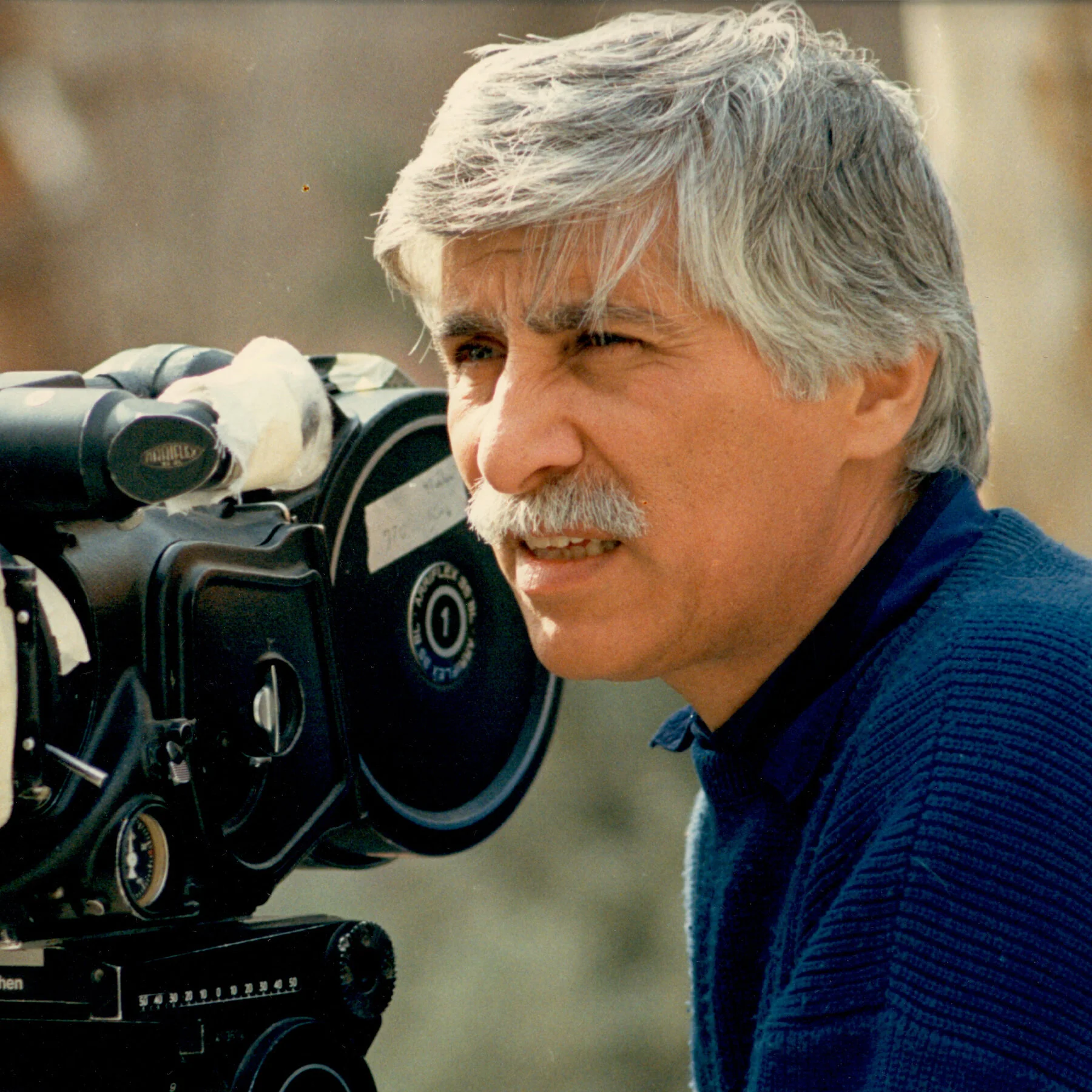
Bahram Beyzai
 Iran
Iranfilmmaker•playwright•theatre director•scholar
Also known as: Bahram Beyzaie, Beizai
Birthday
December 26, 1938
Birth Sign
Capricorn
Birthplace
Tehran, Iran
Age
Died at 87
About
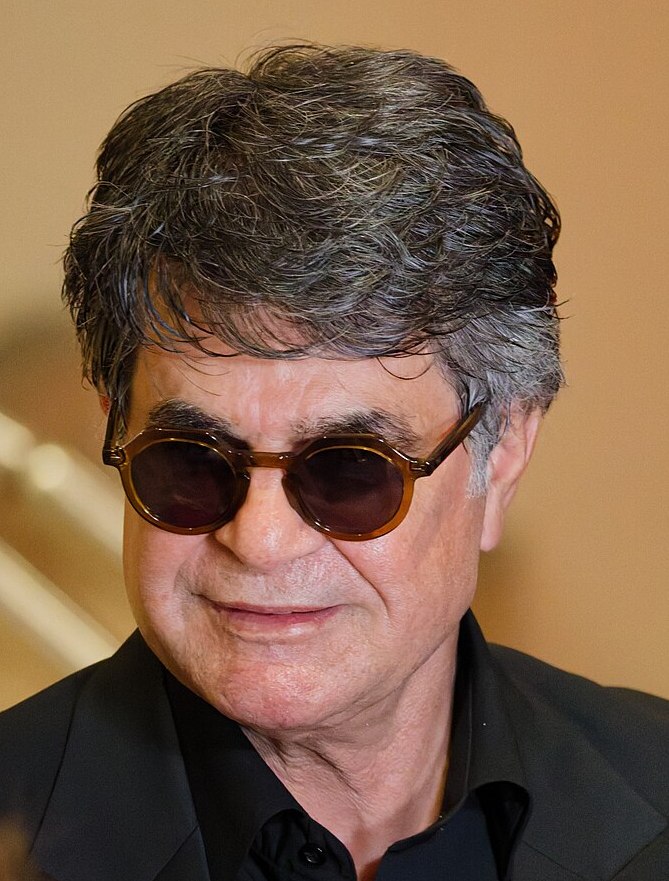
Bahram Beyzai was an Iranian filmmaker, playwright, theatre director, and scholar whose work spanned more than five decades and bridged cinema with Persian literary tradition. Born in Tehran in 1938, he came from a family of poets, which shaped his deep engagement with mythology and folklore. He is best known for his 1986 film Bashu, the Little Stranger, voted the Best Iranian Film of All Time in a 1999 critics' poll. After moving to California in 2010, he taught at Stanford University and remained a vocal critic of the Iranian regime. He passed away on December 26, 2025, at his home in Palo Alto, leaving behind a legacy of over thirty films and plays.
Early Life & Background
Raised in a household where poetry and storytelling were daily bread, Beyzai absorbed classical Persian literature and the folktales his mother and grandmother told. His father, Ne'matallah Beyzai, a poet and jurist, and his uncle Adib, a celebrated poet, filled the home with verse. At Dar'ol-Fonoun high school, he wrote two historical plays and often skipped classes to catch movies. At nineteen, he wrote his first play, Arash, a response to Siavash Kasraei's poem. He enrolled at the University of Tehran to study Persian literature but dropped out in 1960, frustrated that professors dismissed Iranian performing traditions. He found work in a notary's office and, after witnessing a local ta'ziyeh performance, fell in love with its technical craft. His research on indigenous theatre led to a transfer to the Office of Theatre in 1957, where he published monographs on Asian performance and, in 1965, the first complete study of Iranian theatre, Theatre in Iran.
Career Growth
Beyzai's breakthrough came in 1970 with his first short film, Uncle Moustache, followed by Journey (1972) and the feature Downpour (1972). His 1974 film The Stranger and the Fog and 1977's The Crow cemented his reputation. Ballad of Tara (1978–80) faced production delays during the revolution. His masterpiece, Bashu, the Little Stranger (1986), told the story of a war-orphaned boy and was later voted the best Iranian film ever. After the 1979 revolution, he was forced out of Tehran University and his work was censored. He left Iran in 1995 for France, returned to write, and finally settled in California in 2010, teaching at Stanford until his death. In 2025, a restored Bashu won the Venice Classics award.
Career Timeline
Public Image & Style
Beyzai was seen as a champion of artistic freedom, unafraid to challenge conservative forces. His films often explored exile and cultural identity, resonating with Iranian audiences both at home and in the diaspora. He was a pioneer of the Iranian New Wave, and his work inspired a generation of filmmakers. In the West, he was admired by directors like Martin Scorsese. His public persona was that of a principled artist, dedicated to truth and tradition.
Fame & Fandom
Bahram Beyzai remains a towering figure in global cinema and literature, revered not as a celebrity but as an ostād whose legacy transcends borders. Following his passing in late 2025, the community of Iranian cinephiles, scholars, and theater practitioners has coalesced around preserving his work rather than engaging in active fan campaigns. There is no formal nickname for this collective; they are simply the guardians of a master's archive. Posthumous tributes have been profound yet dignified, from the restoration of Bashu, the Little Stranger at the Munich International Film Festival to academic memorials at Stanford University that reiterate his role as a bridge between cultures. His death on his 87th birthday has become a defining element of his personal mythology, framing his life as a perfect poetic cycle that resonates deeply with those who study Persian identity. While he avoided the spotlight during his life, the silence of his absence has only amplified the weight of his contributions, turning his films into educational texts and his plays into living rituals for new generations. Despite his immense cultural footprint, iFANN's Global Fame Engine has evaluated this person, but they do not currently hold a placement in the published rankings (Global Top 1,000 or a Top-100 scope list). Consequently, no specific numerical rank or score can be assigned to his current standing in the world's most famous people lists.
Interesting Facts and Legends
Bahram Beyzai authored over 70 books, monographs, plays, and screenplays while directing 14 staged productions. He helped establish both the Society of Dramatic Authors and Composers in 1963 and the Iranian Writers Association in 1968. His scholarly inquiry into the origins of One Thousand and One Nights was captured in Where is Hezar Afsan? (2012), cementing his reputation as a master of Persian literature. Even at the height of his fame, he eschewed social media and rarely granted interviews. A story fans still retell is the precise coincidence of his death on December 26, 2025, which fell exactly on his 87th birthday, creating a narrative of a life completed in full circle. Another legendary moment involves his debut play Arash, written when he was just 19, which established his lifelong method of using ancient myths to critique modern reality. The enduring power of his work is further evidenced by the continued staging of his play Afra, or the Day Passes in Tehran in early 2026, proving his stories remain vital to contemporary audiences.
Family & Personal Life
Beyzai was born into a prominent literary and Baháʼí family. His father, Ne'matallah Beyzai, was a poet and jurist; his mother, Nayereh Movafegh, told him folktales. His uncle Adib Beyzai was a major poet, and his forebears were leading figures in ta'ziyeh, the Persian passion play. He married Monir-A'zam Raminfar in 1966; they had three children: Niloofar, Negar, and Niasan. In 1992, he married actress Mozhdeh Shamsai, who appeared in several of his films and survived him.
Notable Connections
Beyzai was closely associated with his wife and frequent collaborator, actress Mozhdeh Shamsai. He was a contemporary of Abbas Kiarostami, and his student Asghar Farhadi called him his 'great teacher.' Director Martin Scorsese was among his admirers.
Relationships & Dating History
Beyzai was married twice. His first marriage to Monir-A'zam Raminfar began in 1966 and produced three children. The couple later divorced. In 1992, he married actress Mozhdeh Shamsai, who appeared in several of his films. They remained together until his death on December 26, 2025. Shamsai survived him.
- MarriedMonir-A'zam Raminfar1966 - presentFirst wife; mother of his three children.
- MarriedMozhdeh Shamsai1992 - 2025CurrentSecond wife; actress in his films; survived him.
Death & Aftermath
Died
December 26, 2025 (aged 87)
Death Place
Palo Alto, California, USA
Cause of Death
Complications from pancreatic cancer
Bahram Beyzai died on December 26, 2025, at his home in Palo Alto, California, just as the sun rose on what would have been his eighty-seventh birthday. The cause of death was complications from pancreatic cancer, a condition that had long been managed during his years in exile. His wife, Mozhdeh Shamsai, confirmed the passing and noted that despite decades living abroad, he maintained a profound emotional attachment to Iran until the very end. Tributes arrived swiftly from cultural institutions and peers who recognized him as a giant of Iranian cinema and a scholar who seamlessly blended myth with folklore. The BBC honored him for facing bans in the 1980s while remaining a celebrated figure, and Stanford University released an official obituary in January 2026 to mark his prolific career.
While specific details regarding his funeral or burial were not made public, the immediate international response signaled a widespread mourning across media outlets like The New York Times and Deadline. The coincidence of his death date with Playwrights' Day in Iran added a layer of historical resonance to the news, turning a personal loss into a moment of collective reflection for artists worldwide. Posthumous efforts to honor his work began almost immediately, with the 43rd Munich International Film Festival announcing a screening of a restored version of Bashu: The Little Stranger in June 2026. This restoration served as a fitting tribute to the film voted the best Iranian movie of all time, ensuring his legacy would continue to reach new audiences through the medium he loved so deeply.
Net Worth (Estate Value)
$5 Million
iFANN Editorial Team estimate
As a scholar and filmmaker, his income derived primarily from teaching at Stanford, royalties from his extensive catalog of books and films, and occasional screenings. His estate is likely valued modestly, estimated here at $5 Million, reflecting his intellectual legacy rather than commercial wealth. Research by the iFANN Editorial Team puts his total net worth at $5 Million, attributing this figure to his posthumous earnings and ongoing academic relevance. His works continue to be studied and screened globally, ensuring steady revenue for his heirs without the volatility of typical entertainment industry fluctuations.
Awards Won (19)
Beyzai received significant recognition for his work, most notably when Bashu, the Little Stranger was voted the Best Iranian Film of All Time in 1999. In 2025, the restored version of the same film won the Venice Classics award for best restored film at the Venice Film Festival.
2025 · Restoration
Bashu, the Little Stranger
1999 · Critics' Poll
Bashu, the Little Stranger
Known For
Bashu, the Little Stranger
1986 · Director, Writer
Downpour
1972 · Director, Writer
The Stranger and the Fog
1974 · Director, Writer
The Crow
1977 · Director, Writer
Ballad of Tara
1980 · Director, Writer
Keywords
Sources
Quick Facts
- Profession
- Filmmaker, Playwright, Theatre Director, Scholar
- Born
- December 26, 1938
- Birthplace
- Tehran, Iran
- Died
- December 26, 2025
- Death Place
- Palo Alto, California, USA
- Gender
- Male
- Spouse
- Mozhdeh Shamsai
- Children
- Niloofar, Negar, Niasan
Personal Details
- Full Name
- Bahram Beyzai
- Spouse
- Mozhdeh Shamsai
- Children
- Niloofar, Negar, Niasan
- Education
- University of Tehran (dropped out)
Filmography
14
Total
10
Film
0
TV
Frequently Asked Questions
How old was Bahram Beyzai when he died?
Who was Bahram Beyzai's wife?
What is Bahram Beyzai's net worth?
What is Bahram Beyzai's best film?
What did Bahram Beyzai die of?
Join the community
fans discussing