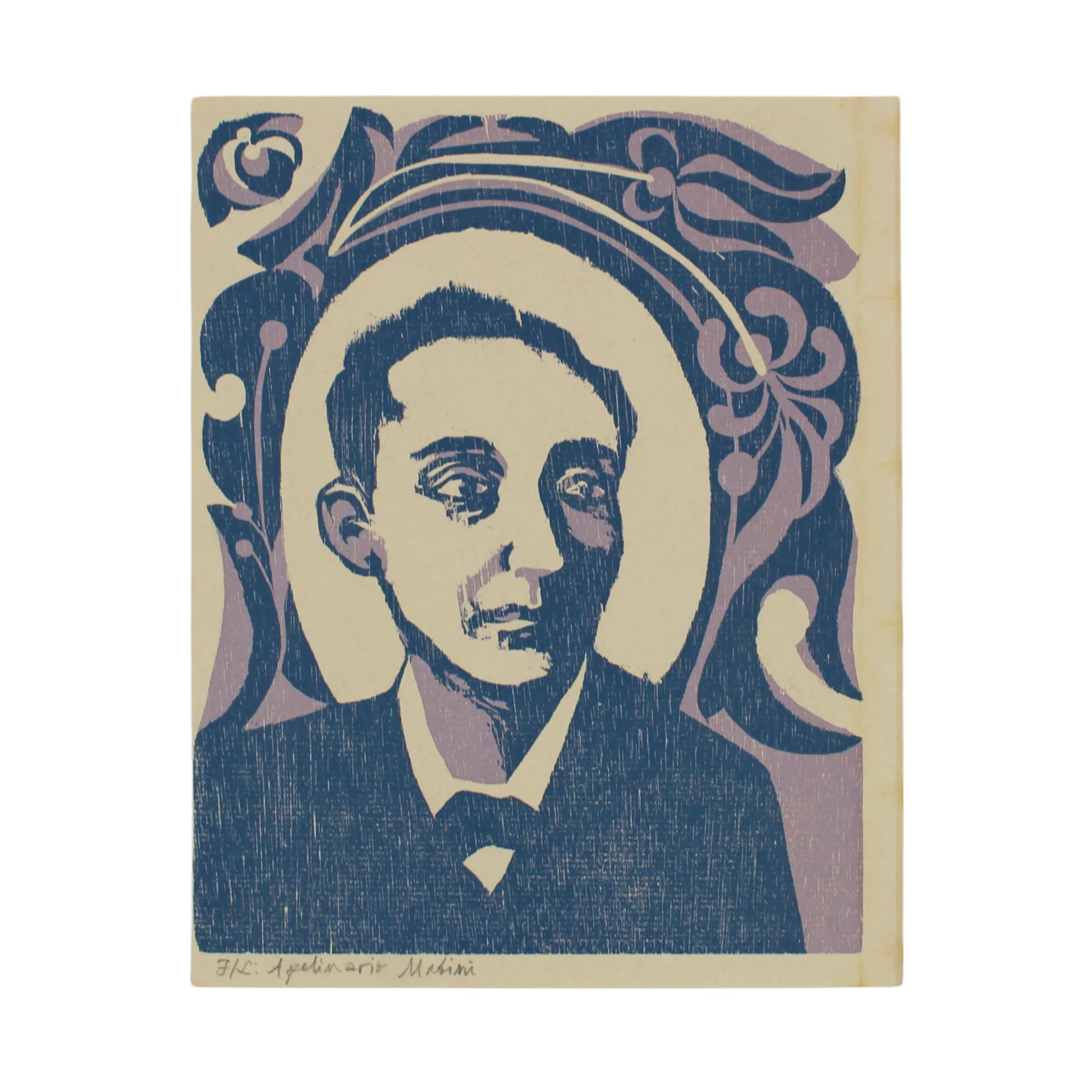
Apolinario Mabini
 Philippines
Also known as: A. Mabini, Mabini, Apolinario Mabini y Maranan, Utak ng Himagsikan
Birthday
July 23, 1864
Birth Sign
Cancer
Birthplace
Tanauan, Batangas, Philippines
Age
Died at 38
About
Apolinario Mabini y Maranán was a Filipino revolutionary leader, educator, lawyer, and statesman born on July 23, 1864, in Tanauan, Batangas. He is best known as the "utak ng himagsikan" or "brain of the revolution," serving as the first Prime Minister of the Philippines under the First Philippine Republic. Despite losing the use of both legs to polio in 1896, Mabini played a pivotal role in shaping the nation's fight for independence. His two key works, El Verdadero Decálogo (The True Decalogue) and Programa Constitucional de la República Filipina, were instrumental in drafting the Malolos Constitution. Mabini's career spanned both the Philippine Revolution against Spain and the Philippine-American War, during which he was captured and exiled to Guam by American authorities. He returned to the Philippines just two months before his death on May 13, 1903, at the age of 38. His legacy as a national hero endures, with his thoughts on government influencing Philippine independence for generations.
Early Life & Background
Apolinario Mabini y Maranán entered the world on July 23, 1864, in Barrio Talaga, now Barangay Talaga, in Tanauan, Batangas. He was the second of eight children born to Dionisia Maranan, a weaver, and Inocencio Mabini, a farmer. The family lived in modest circumstances, yet they placed a high value on education. Mabini attended primary school in his hometown before moving to Manila to pursue higher studies. He enrolled at the Colegio de San Juan de Letran, where he completed his secondary education, and later transferred to the University of Santo Tomas. Initially, he studied philosophy but eventually switched to law, driven by a deep interest in justice and governance. He graduated with honors in 1894, becoming one of the few Filipino lawyers of his time.
Before rising to national prominence, Mabini worked as a teacher and a practicing lawyer in Tanauan and Manila. During this period, he developed a rigorous intellectual foundation, studying political philosophy and the works of European thinkers like Rousseau and Montesquieu. These influences shaped his views on sovereignty and the rights of the Filipino people. He began writing essays under the pseudonym "Taga-Isda," laying the groundwork for his future revolutionary writings. His early life was marked by a fierce determination to overcome poverty and physical limitations, traits that would define his character when he faced greater challenges ahead.
Career Growth
Mabini's career trajectory is defined by his pivotal role in the Philippine struggle for independence. Following his diagnosis with polio in 1896, which left him permanently paralyzed from the waist down, he refused to let his disability hinder his work. He began advising the Katipunan, the secret society leading the revolution against Spanish rule. By 1897, he served as the Minister of Foreign Affairs in the revolutionary government under Emilio Aguinaldo. In 1898, he drafted foundational documents including El Verdadero Decálogo and the Programa Constitucional de la República Filipina.
In 1899, Mabini was appointed the first Prime Minister of the Philippines under the Malolos Constitution, making him the head of the executive branch of the world's first constitutional republic in Asia. His leadership during the Philippine-American War was characterized by strategic legal and diplomatic counsel. However, after the fall of the revolutionary government, American colonial authorities arrested him in 1901. He was exiled to Guam, where he remained for two years. Despite his confinement, he continued to write and reflect on the future of the Philippines. He was allowed to return to the Philippines in March 1903, arriving in Manila just two months before his death.
Career Timeline
Public Image & Style
Apolinario Mabini is portrayed in the media as a symbol of intellectual brilliance, integrity, and resilience. He is the archetype of the "brain" of the nation, someone who fought with words and laws as effectively as others fought with swords. His image is one of solemnity and dignity, often depicted in historical reenactments and educational materials. He is frequently shown wearing traditional Filipino attire, specifically the barong tagalog, along with glasses, emphasizing his scholarly nature. The narrative surrounding him focuses on his refusal to let physical incapacitation hinder his intellectual contributions, earning him the moniker "The Sublime Paralytic." This portrayal reinforces his status as a moral authority and a paragon of civic duty.
Fame & Fandom
Apolinario Mabini commands a reverence that transcends modern celebrity culture, rooted not in fan campaigns or interactive rituals but in the solemn veneration of a nation. He holds no organized fandom with an official name; instead, his legacy is upheld by government institutions and educational bodies that honor his memory through formal commemorations rather than viral moments. The closest equivalent to a fanbase is the Filipino public itself, which treats his life as a blueprint for civic duty and intellectual integrity. His titles, "The Brains of the Revolution" and "The Sublime Paralytic," serve as cultural icons, anchoring stories of resilience that are retold in classrooms and celebrated annually on his birth anniversary. While he did not engage with crowds in real-time, his exile to Guam and subsequent death cemented his status as a martyr, creating a one-way dialogue of inspiration that spans over a century. This institutionalized admiration ensures his story remains alive without the need for commercial promotion or fan-driven projects. Despite the passage of time, his influence persists through awards recognizing disability rights and artistic reinterpretations that reimagine his struggle for new generations. His fame endures not because of fleeting trends but because his contributions to the Philippine Constitution and revolutionary strategy remain foundational to the country's identity. As of September 2026, Apolinario Mabini stands as the 20th most famous person in Philippines, a position reflecting his enduring stature. He also ranks as the 47th most famous person from Philippines, holding steady within the iFANN Global Fame Rankings.
Interesting Facts and Legends
Apolinario Mabini never married and dedicated his entire life to the cause of Philippine independence, often referred to as his "marriage to the country." Before becoming a revolutionary leader, he taught mathematics and physics in Tanauan. When offered a position in the American colonial government, he refused, stating he could not serve a foreign power that oppressed his people. Even while exiled in Guam, he wrote extensively, producing works that analyzed the nature of democracy and the Filipino character. In 2026, a steampunk musical titled Mabining Mandirigma featuring Shai Opsimar portraying Mabini as a woman was produced, reinterpreting his story for new generations. His refusal to accept pity despite his paralysis earned him the enduring title "The Sublime Paralytic." Historians universally refer to him as "The Brains of the Revolution" due to his ability to draft complex legal documents while confined to his bed.
Notable Quotes
“Freedom is the highest aspiration of every human being.”
“I am a patriot, and I love my country more than my own life.”
“The strength of a nation lies not in its weapons, but in the minds of its people.”
Family & Personal Life
Apolinario Mabini was born to Dionisia Maranan, a weaver, and Inocencio Mabini, a farmer, in Tanauan, Batangas. He was the second of eight children in a family of modest means. His parents instilled in him a strong work ethic and a love for learning. Throughout his life, he maintained close ties with his siblings and extended family. After his paralysis set in, he relied heavily on the support of his relatives, particularly his sister-in-law, who cared for him during his final days in Manila. Mabini lived simply, often depending on friends and family for assistance. There are no recorded details about his household beyond his immediate family, as he chose a life of asceticism dedicated to public service.
Notable Connections
Relationships & Dating History
Apolinario Mabini never married and had no recorded romantic relationships or children. Historical records consistently describe him as a man who dedicated his entire life to the cause of Philippine independence and public service. His personal life was ascetic; he lived simply, often relying on the support of friends and family. There are no credible historical accounts of engagements, marriages, or flings. As of the date of his death in 1903, he remained single. The absence of a spouse or partner is frequently noted by biographers as a testament to his singular devotion to the nation, often referred to as his "marriage to the country." His focus remained entirely on the intellectual and political struggles of his time, leaving no room for domestic life.
Death & Aftermath
Died
May 13, 1903 (aged 38)
Death Place
Santa Mesa, Manila, Philippines
Cause of Death
Complications from poliomyelitis and respiratory failure
Apolinario Mabini passed away on May 13, 1903, in Santa Mesa, Manila, at the age of 38. His final days were spent in the home of his sister-in-law after returning from two years of exile in Guam. The official cause of death was complications arising from poliomyelitis, a disease that had paralyzed his lower limbs since 1896, exacerbated by severe respiratory failure and the harsh tropical climate which further weakened his constitution. Medical records from the era relied on clinical observation rather than modern autopsy procedures, with family accounts confirming the rapid decline following his return to the Philippines.
His funeral was a private affair held shortly after his death, attended primarily by fellow intellectuals and members of the revolutionary circle. While the American colonial administration restricted large public gatherings, the news of his passing sparked widespread mourning among the Filipino people. Tributes focused on his intellectual contributions and legal genius rather than ceremonial displays. In the decades that followed, his legacy was cemented through the establishment of schools, streets, and statues bearing his name, including the Apolinario Mabini Shrine in Tanauan, Batangas.
Posthumous recognition has evolved into formal state honors. The Philippine government established "Apolinario Mabini Day" as a special non-working holiday celebrated annually on July 23. Additionally, the Apolinario Mabini Awards were instituted to recognize outstanding achievements in accessibility and inclusion for Persons with Disabilities, reflecting his own struggle and resilience. Recent commemorations in 2026 included cultural reinterpretations of his life, such as the steampunk musical Mabining Mandirigma, ensuring his story remains relevant to new generations.
Net Worth (Estate Value)
$0
iFANN Editorial Team estimate
As a historical figure who died in 1903, Apolinario Mabini had no personal net worth in the modern sense, nor did he leave behind a commercial estate with liquid assets or business ventures. Upon his death, his estate consisted primarily of personal belongings, books, and manuscripts. There are no records of significant property holdings or financial investments. The value of his "estate" today is purely cultural and symbolic, measured in the revenue generated by tourism to his shrines and the licensing of his intellectual property by the Philippine government and educational institutions. Posthumous earnings come from the management of the Apolinario Mabini Shrine, the sale of commemorative items, and the use of his name in educational materials. These revenues are managed by the National Historical Commission of the Philippines and local government units, not a private family trust. It is impossible to assign a dollar figure to his personal net worth; any figure suggesting a monetary value for a historical figure from this period would be speculative and incorrect. His "wealth" is the enduring value of his ideas and the national holidays established in his honor.
Awards & Accolades
View 6 records, honours and achievementsKnown For
First Prime Minister of the Philippines
1899 · Statesman
The Brains of the Revolution
1898 · Advisor
Malolos Constitution
1899 · Author
Keywords
Sources
Quick Facts
- Profession
- diplomat, autobiographer, judge
- Born
- July 23, 1864
- Birthplace
- Tanauan, Batangas
- Died
- May 13, 1903
- Death Place
- Manila
- Gender
- Male
- Birth Sign
- Cancer
Personal Details
- Full Name
- Apolinario Mabini y Maranán
- Children
- Education
- University of Santo Tomas (Law), Colegio de San Juan de Letran
Frequently Asked Questions
What is Apolinario Mabini known for?
How did Apolinario Mabini die?
Did Apolinario Mabini have any children or get married?
What is the Apolinario Mabini Award?
Why is Apolinario Mabini called "The Sublime Paralytic"?
Social Media
Join the community
fans discussing