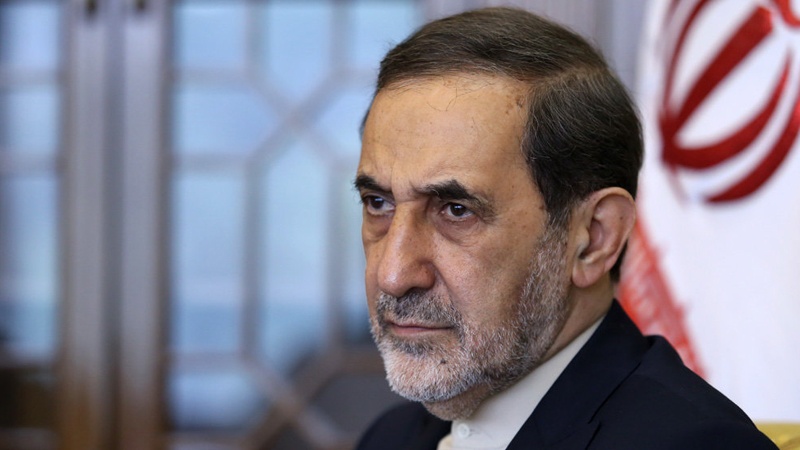
Ali Akbar Velayati
 Iran
Iranphysician•politician•foreign minister
Also known as: علیاکبر ولایتی
Birthday
June 24, 1945
Birth Sign
Cancer
Birthplace
Rostamabad, Shemiran, Tehran, Iran
Age
81 years old
About
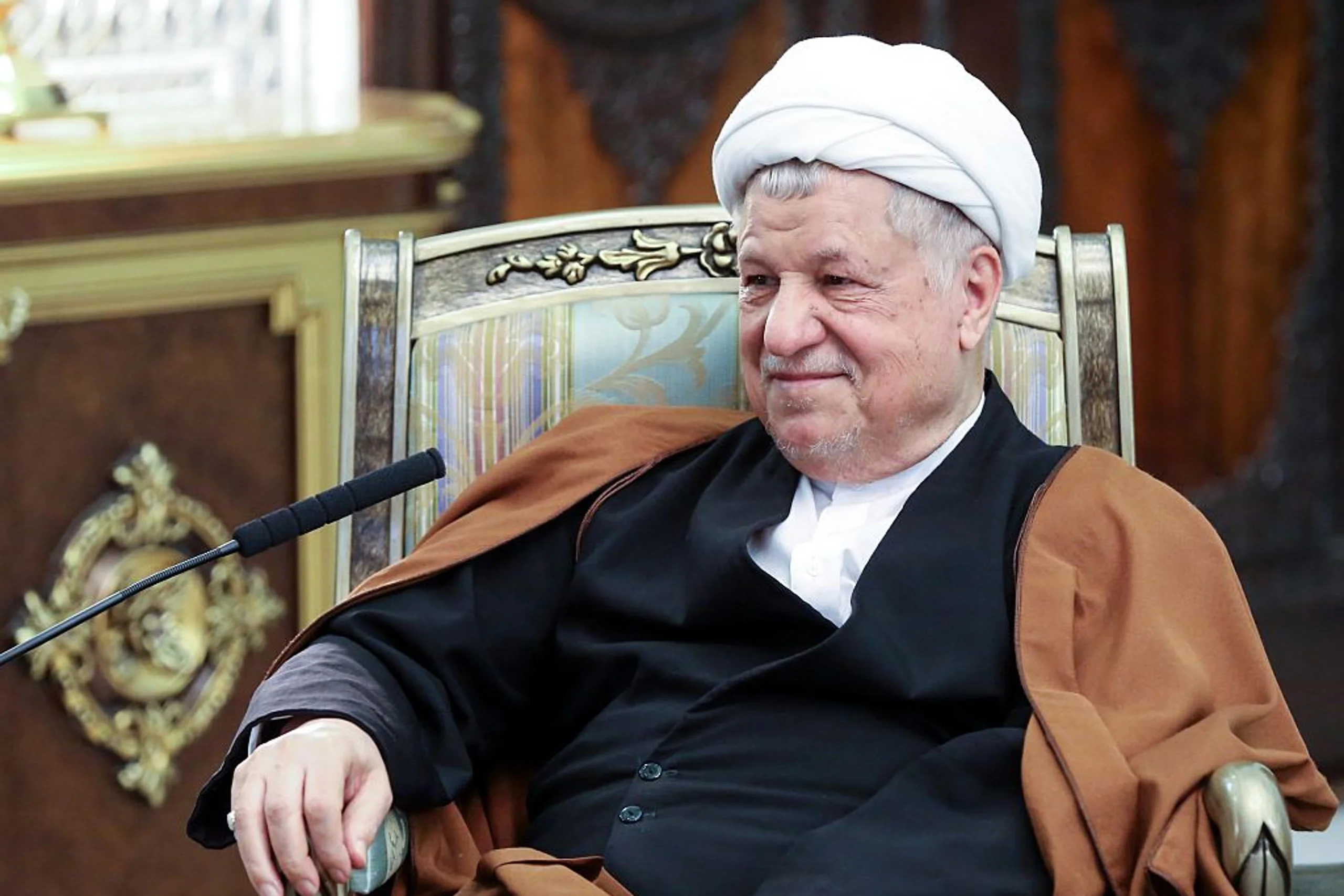
Ali Akbar Velayati, born June 24, 1945, in Tehran, is an Iranian physician and principlist politician who has spent decades at the center of the country's foreign policy. A distinguished professor at Shahid Beheshti University of Medical Sciences, he also serves as a senior adviser to the Supreme Leader on international affairs and heads the board of founders and trustees of the Islamic Azad University. Velayati's influence extends across academia and governance, with roles including membership in the Expediency Discernment Council and the Iranian Science and Culture Hall of Fame. He has chaired the Center for Strategic Research and is a senior fellow of the Iranian Academy of Medical Sciences, while also holding a seat on the Supreme Council of the Cultural Revolution. As secretary-general of the World Assembly of Islamic Awakening, he remains a key figure in regional political discourse.
Velayati's most prominent role came as Iran's foreign minister, a position he held for over fifteen years, from December 1981 to August 1997. Serving under Prime Minister Mir-Hossein Mousavi and Presidents Ali Khamenei and Akbar Hashemi Rafsanjani, he is the only person to have served more than ten years in that post. His tenure spanned the Iran-Iraq War and the post-war reconstruction era, shaping Iran's diplomatic stance during a turbulent period. In 2013, he ran for president, finishing fifth out of six candidates with 2,268,753 votes, roughly 6.18% of the total. Despite the loss, he has remained a steady presence in Iranian politics, blending his medical background with a long career in public service. At 81, he continues to advise and teach, embodying a bridge between the Islamic Republic's revolutionary ideals and its institutional evolution.
Early Life & Background
Velayati was born in Rostamabad, a village in Shemiran, just north of Tehran, in 1945. Some sources, including the US Office of Foreign Assets Control, list his birth date as June 25, 1945, but the majority of sources, including Wikidata and Wikipedia, confirm June 24. His political awakening came early: at sixteen, in 1961, he joined the National Front, the secular democratic party founded by Mohammad Mossadegh. But by 1963, he had shifted allegiance. As he later put it, "I separated from the National Front and began to involve myself with religious scholars and activists." That move put him on a collision course with the Shah's security apparatus, and SAVAK interrogated him for his role in organizing protests against the monarchy.
While politics pulled at him, medicine anchored his education. He entered Tehran University of Medical Sciences in 1964 and earned his medical degree in pediatrics in 1971. A fellowship in infectious diseases at Johns Hopkins University in Baltimore followed in 1976, a period when he also joined the Muslim Students Association, a group with Muslim Brotherhood ties. These years abroad sharpened both his medical expertise and his revolutionary convictions. Returning to Iran, he became a distinguished professor at Shahid Beheshti University of Medical Sciences, a position he has held ever since. His early career also included a role as deputy health minister after the 1979 revolution, and in 1980 he won a seat in parliament representing Tehran, Rey and Shemiranat with 858,305 votes (52.5%).
Career Growth
Velayati's defining political appointment came on December 15, 1981, when he was named Minister of Foreign Affairs under Prime Minister Mir-Hossein Mousavi. He would hold that post for over fifteen years, through the Iran-Iraq War and the Rafsanjani presidency, until August 20, 1997. No one else has served as Iran's foreign minister for more than a decade. His tenure saw Iran navigate the end of the war with Iraq, the Salman Rushdie affair, and the early years of the nuclear program.
After leaving the foreign ministry, Velayati transitioned to an advisory role, becoming senior adviser to the Supreme Leader for international affairs. He also took on leadership of the Center for Strategic Research. In 2005, he floated a presidential run but withdrew. He tried again in 2013, finishing fifth with 6.18% of the vote. His influence continued through multiple institutional posts: member of the Expediency Discernment Council, head of the Islamic Azad University's board of founders, and secretary-general of the World Assembly of Islamic Awakening. In March 2020, he contracted COVID-19 and was quarantined, but he recovered and remains active.
Career Timeline
Public Image & Style
In the West, Velayati is often cast as a hardline conservative. A 2020 Middle East Monitor opinion piece accused him of embodying "the regime's contempt for facts," painting him as a self-appointed custodian of the region. Within Iran, however, he is seen as a moderate conservative and a respected statesman, someone who bridges the revolutionary ideals of 1979 with the institutional realities of the Islamic Republic. His public persona is that of a senior academic and physician, equally at home in a hospital ward or a diplomatic meeting.
Fame & Fandom
Ali Akbar Velayati commands a unique form of reverence that diverges sharply from the adulation reserved for entertainers or athletes. His following is not defined by viral moments, fan clubs, or birthday billboards, but by a deep-seated political alignment within Iran's conservative base and global attention on his decades of strategic influence. There is no formal name for this audience; they are supporters of the principlist faction rather than devotees in the pop-culture sense, engaging with his work through state channels and geopolitical analysis instead of social media rituals or organized campaigns. The absence of a celebrity fandom underscores his role as a statesman whose legacy is built on policy rather than performance. Regarding his standing in the global consciousness, iFANN has evaluated Ali Akbar Velayati against its comprehensive metrics, yet he currently does not hold a placement in the published Global Top 1,000 rankings or any specific scope list. This evaluation reflects the reality that while his impact on Middle Eastern geopolitics is profound, it translates to a different kind of fame than what drives the world's most ubiquitous celebrities. He remains an influential figure in diplomatic circles without crossing into the numeric thresholds required for a ranked position in the current global index.
Interesting Facts and Legends
Ali Akbar Velayati holds the record as Iran's longest-serving foreign minister, a distinction that still stands after over fifteen years in office. Beyond his political career, he remains an active physician who heads Masih Daneshvari Hospital in Tehran, a major center for respiratory diseases. His early academic years included time at Johns Hopkins University, where he joined the Muslim Students Association in 1976, a group with connections to the Muslim Brotherhood. Throughout his career, he has maintained membership in key organizations like the Islamic Association of Physicians of Iran and the Islamic Coalition Party, while his official communications remain available via pressmin.com. His tenure as Foreign Minister during the final years of the Iran-Iraq War and the presidencies of Ali Khamenei and Akbar Hashemi Rafsanjani stands as a defining historical milestone. More recently, his statements have become part of contemporary political lore; in August 2026, he issued strong warnings calling for the total withdrawal of foreign forces from the Middle East, explicitly arguing that West Asia should not be treated as the backyard of the West. Just weeks prior, he publicly criticized the Iraqi premier following a meeting with the White House, labeling the visit regrettable. These moments cement his reputation as a steadfast advocate for regional independence from Western influence.
Notable Quotes
“I separated from the National Front and began to involve myself with religious scholars and activists.”
Family & Personal Life
Velayati has been married twice. His first wife, Shirin Khoshnevisan, died in 2003 after roughly 23 years of marriage. In 2007, he married Leyla Enayati, who remains his wife. He has six children from his two marriages. Details about individual children are scarce, as he keeps his family life largely private.
Notable Connections
Velayati's career has been intertwined with Iran's most powerful figures. He served as foreign minister under Prime Minister Mir-Hossein Mousavi and Presidents Ali Khamenei and Akbar Hashemi Rafsanjani. Kamal Kharazi succeeded him in 1997. He continues to advise Supreme Leader Ali Khamenei on international affairs.
Relationships & Dating History
Velayati married Shirin Khoshnevisan in 1980. They were together for 23 years until her death in 2003. In 2007, he married Leyla Enayati, and they remain married as of 2026. He has six children from his two marriages.
- MarriedShirin Khoshnevisan1980 - 2003First wife, died in 2003 after 23 years of marriage.
- MarriedLeyla Enayati2007 - presentCurrentSecond wife, married since 2007.
Salary, Net Worth In 2026
No reliable net worth estimates for Ali Akbar Velayati are publicly available. His income derives from his state salary as a senior adviser and council member, his professorship at Shahid Beheshti University, and his medical practice at Masih Daneshvari Hospital. As of 2026, he remains active in these roles, but specific dollar figures are not documented by financial outlets or celebrity net worth trackers.
Awards Won (1)
Velayati has received the Order of Knowledge (1st class), an Iranian state honour. He is also a member of the Iranian Science and Culture Hall of Fame.
State honour
Known For
Minister of Foreign Affairs of Iran
1981-1997 · Foreign Minister
Senior Adviser to the Supreme Leader
1997-present · Adviser
Keywords
Sources
Quick Facts
- Profession
- physician, politician, foreign minister
- Born
- June 24, 1945
- Birthplace
- Rostamabad, Shemiran, Tehran, Iran
- Gender
- Male
- Birth Sign
- Cancer
- Spouse
- Leyla Enayati
- Children
- 6
Personal Details
- Full Name
- Ali Akbar Velayati
- Spouse
- Leyla Enayati
- Children
- 6
- Education
- Tehran University of Medical Sciences (MD, 1971); Johns Hopkins University (fellowship in infectious diseases, 1976)
Frequently Asked Questions
How old is Ali Akbar Velayati?
Is Ali Akbar Velayati married?
What is Ali Akbar Velayati's net worth?
How long was Ali Akbar Velayati Iran's foreign minister?
Does Ali Akbar Velayati have children?
Social Media
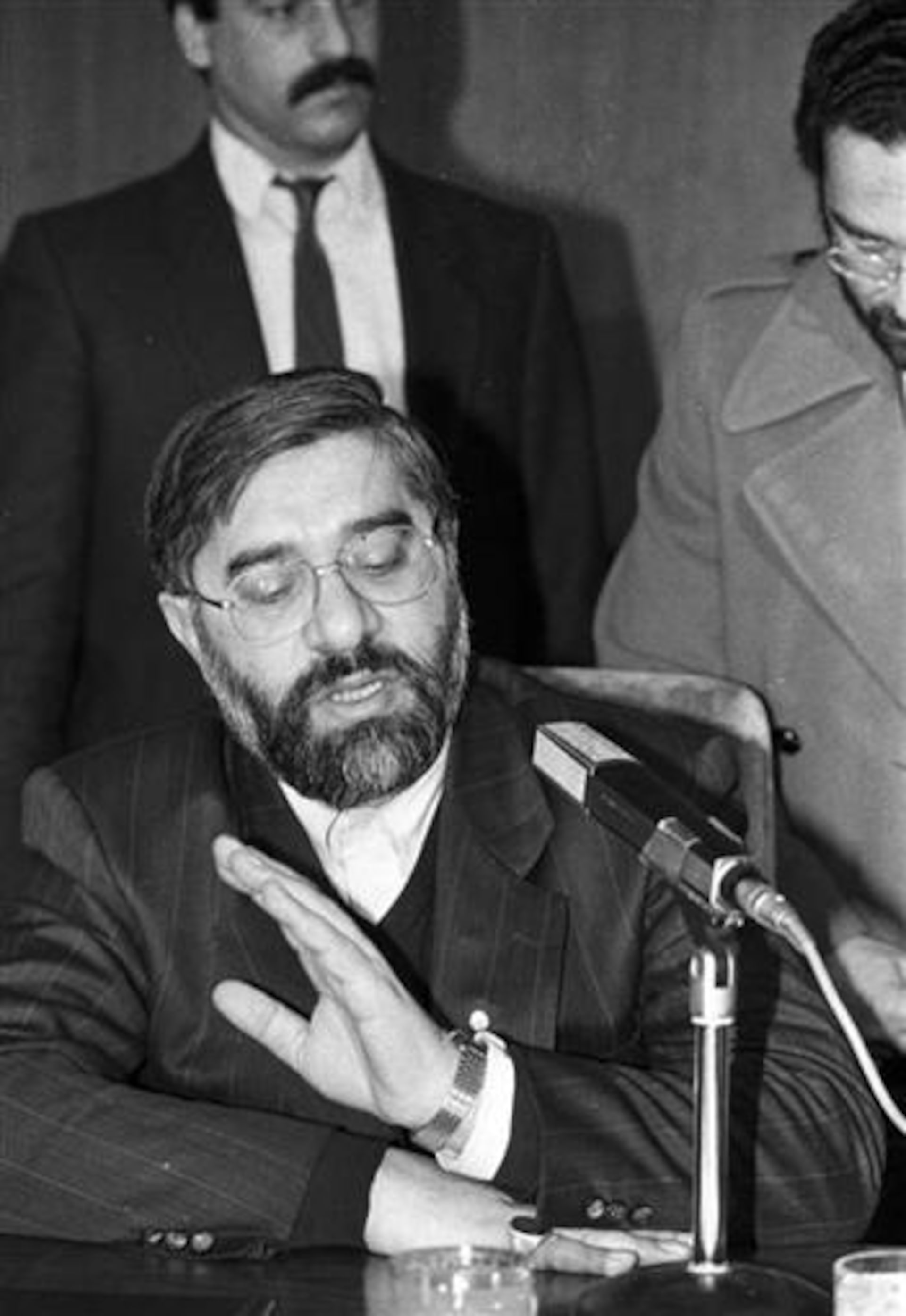
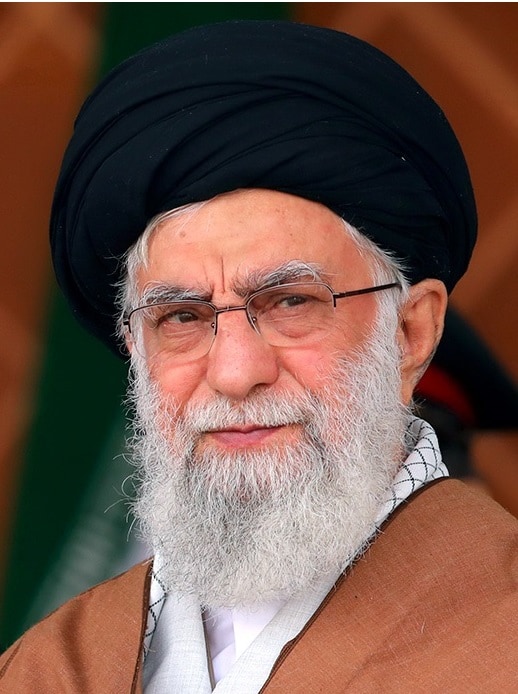
Join the community
fans discussing