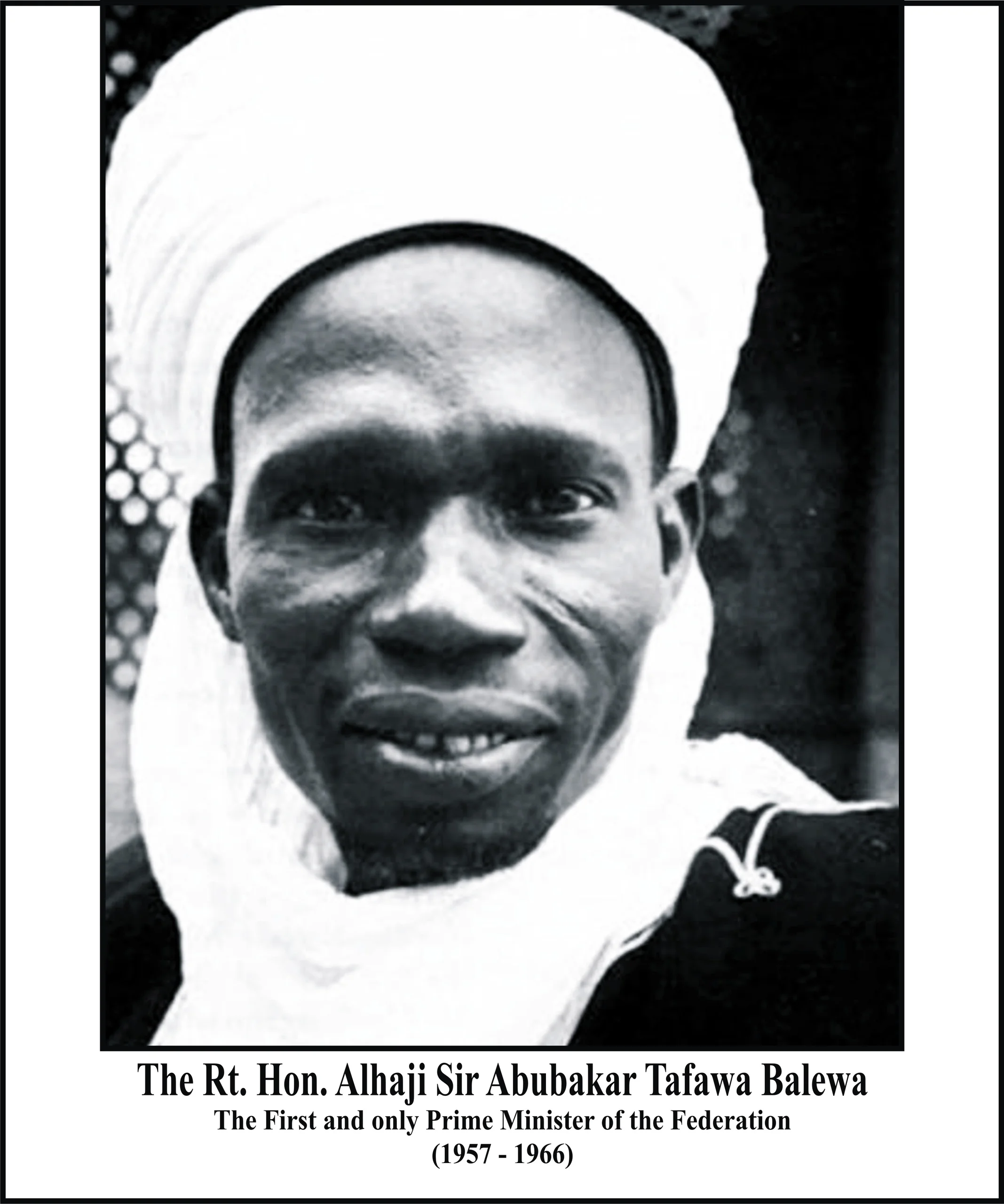
Abubakar Tafawa Balewa
 Nigeria
Also known as: Alhaji Sir Abubakar Tafawa Balewa, Aliyu, Alhaji Abubakar Balewa, Tafawa Balewa
Birthday
December 1912
Birth Sign
Capricorn
Birthplace
Bauchi, Northern Nigeria
Age
Died at 53
About
Sir Abubakar Tafawa Balewa (December 1912 – 15 January 1966) was the first and only Prime Minister of Nigeria, a statesman whose career defined the nation's transition from British colonial rule to independence. Born in the village of Bauchi in northern Nigeria, he rose from humble beginnings to become the country's chief executive, navigating the fragile political landscape of the early 1960s with a conservative, pro-British, and unifying ideology. His leadership culminated in Nigeria's independence in 1960, for which he was knighted by Queen Elizabeth II, earning the title "Sir." However, his tenure was cut short when he was assassinated during the first military coup d'état on 15 January 1966, an event that plunged Nigeria into decades of political instability.
Balewa is remembered as a man of peace who sought to unite a fractured nation through dialogue and diplomacy. Known for his eloquent speaking style, often described as the "Golden Voice," he inspired confidence among Nigerians and the international community. As Prime Minister, he focused on infrastructure development, education, and maintaining strong international relations, particularly with the Commonwealth. His refusal to flee his home during the coup, choosing instead to face his fate rather than abandon his people, cemented his status as a martyr for Nigerian democracy.
Early Life & Background
Abubakar Tafawa Balewa was born in December 1912 in the village of Bauchi, located in what is now Bauchi State in northern Nigeria. Raised in a modest environment within the Hausa-Fulani cultural sphere, his early life was shaped by the traditions of the region. Before entering the political arena, he pursued a path of education that combined traditional and modern learning. He began his studies at a Koranic school, where he gained a foundation in religious and cultural knowledge, before advancing to the Government College in Zaria. At this prestigious institution, he excelled academically, distinguishing himself among his peers.
His professional journey began not in high office but in the fields of education and civil service. After completing his schooling, Balewa worked as a teacher in Bauchi, sharing his knowledge with the local community. He later served as a clerk in the Northern Region's civil service, where he honed his administrative skills and developed a reputation for integrity and diligence. These early roles provided him with a deep understanding of the bureaucracy and the needs of the people, laying the groundwork for his future political career.
His entry into politics was gradual and methodical. In the 1940s, he became involved in local governance and nationalist movements, gradually rising through the ranks. A pivotal moment in his pre-fame life was his appointment as the Secretary of the Northern People's Congress (NPC) in 1951. This position allowed him to consolidate power in the north and build a formidable political base. His ability to negotiate between the diverse ethnic groups of Nigeria and his diplomatic acumen made him a natural choice for national leadership, setting the stage for his historic ascent to the premiership.
Career Growth
Balewa's political ascent was marked by steady, methodical progression that transformed him from a regional administrator to the head of a newly independent nation. In 1951, his appointment as Secretary of the Northern People's Congress marked his formal entry into high-level politics. By 1954, he had become the Premier of the Northern Region, a role he held until 1957, establishing himself as a dominant figure in northern Nigerian politics. His breakthrough came in 1957 when he was appointed the first Federal Prime Minister of Nigeria following the creation of the Federation of Nigeria.
From 1959 to 1960, Balewa led the negotiations for Nigeria's independence from Britain, successfully guiding the country through constitutional conferences that paved the way for sovereignty. On 1 October 1960, he officially became the Prime Minister of independent Nigeria, a position he held with distinction until his death. During this period, he undertook significant state visits, including a notable trip to the United States in 1961 where he met President John F. Kennedy to strengthen diplomatic ties between the two nations.
Despite facing increasing political challenges, including regional tensions and the rise of opposition parties, Balewa maintained a focus on national unity and economic development. He oversaw the consolidation of a multi-ethnic, multi-religious nation into a cohesive federal entity, prioritizing infrastructure development and education. His leadership was characterized by a commitment to peaceful transitions and strong international relations. Tragically, his tenure ended abruptly on 15 January 1966, when he was assassinated during the first military coup d'état, cutting short a career that had laid the foundations for modern Nigeria.
Career Timeline
Public Image & Style
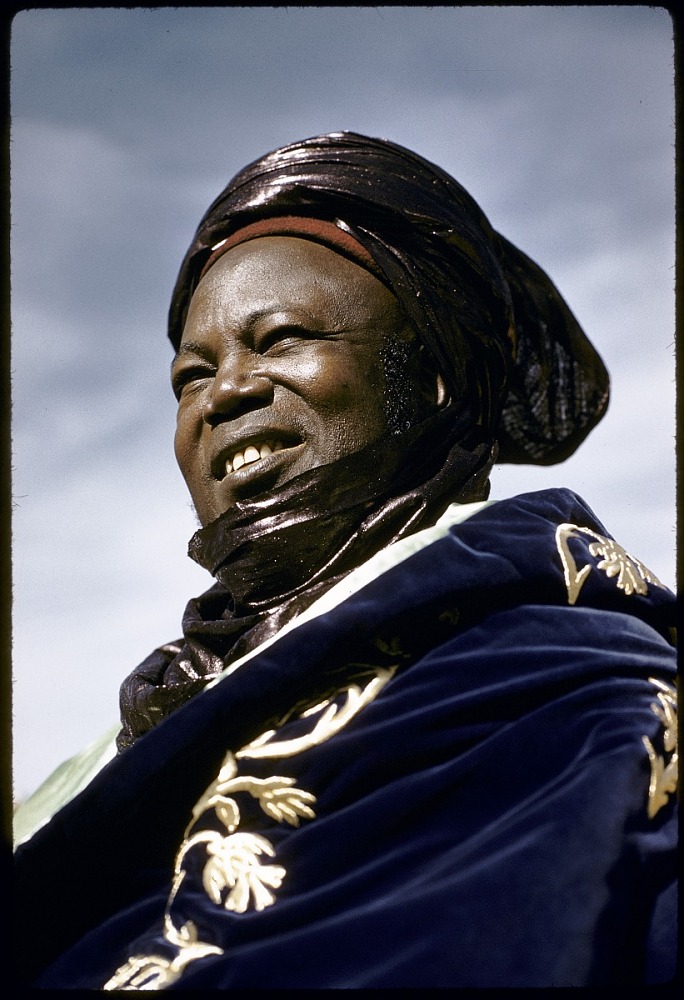
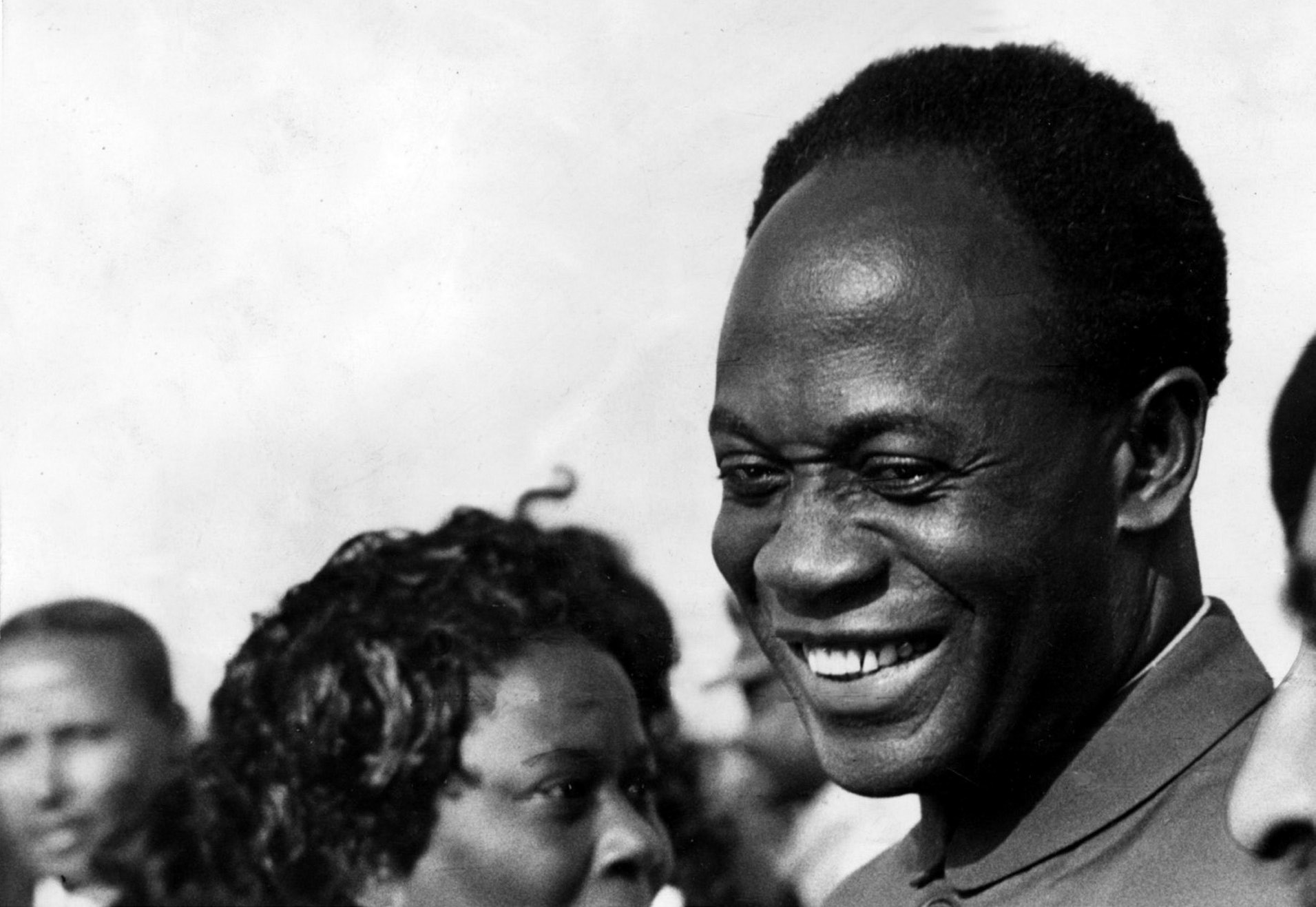
Sir Abubakar Tafawa Balewa is portrayed in the media and public consciousness as a dignified, patriotic, and visionary leader. He is remembered as a man of peace who sought to unite a fractured nation. His image is one of solemnity and integrity, often depicted in black-and-white photographs wearing traditional attire or formal suits. The media portrays him as a foundational pillar of Nigeria, a symbol of what could have been if the country had remained stable after his death. His "Golden Voice" oratory style inspired confidence among Nigerians and the international community, reinforcing his reputation as a statesman of immense caliber.
Fame & Fandom (iFAMOUS Rankings)
Abubakar Tafawa Balewa never courted a fanbase in the modern sense. He was not a pop star seeking chart dominance or a celebrity whose personal life fueled viral trends. Instead, his relationship with the public was one of solemn historical reverence. The Nigerian people, historians, and political institutions remember him as the first Prime Minister who navigated the fragile birth of their nation. There is no organized group with a formal name, nor are there subway ads celebrating his birthday or charity drives funded by devoted followers. His legacy manifests through state-sponsored lectures, academic discussions, and the enduring name of Abubakar Tafawa Balewa University rather than fan rituals. The most potent story surrounding him remains the tragic assassination during the January 1966 military coup, an event that halted the country's early democratic experiment and cemented his status as a foundational pillar of history. While recent 2026 reflections continue to hail him as an unforgettable hero, these are journalistic acknowledgments of a statesman, not manifestations of a pop-culture fandom. iFANN has evaluated his global standing thoroughly. Despite his monumental role in African history and his knighthood by Queen Elizabeth II, he does not currently hold a placement in the published Global Top 1,000 rankings or any Top-100 scope list; the Global Fame Engine has evaluated him but he remains unranked in the current cycle.
Interesting Facts and Legends
Abubabar Tafawa Balewa was known for his eloquence, earning him the nickname "The Golden Voice" due to his powerful oratory skills that captivated audiences across Nigeria. He spoke multiple languages fluently, including English, Hausa, and Fulfulde, which helped him bridge cultural gaps in a diverse nation. One of the most iconic moments in his life occurred during the 1966 coup, when he famously refused to leave his home despite knowing the danger, stating, "I will not run away from my people." He also delivered a historic address to the United Nations General Assembly in 1961, advocating for African unity and non-alignment. Beyond politics, he was a writer who contributed to political discourse through essays and articles. The village where he was born, originally called Bauchi, was later renamed Tafawa Balewa in his honor.
Notable Quotes
“I will not run away from my people.”
“We must work together for the good of all.”
“The future of Nigeria depends on the unity of its people.”
Family & Personal Life
Sir Abubakar Tafawa Balewa was married to Fatima Tafawa Balewa, who managed the household and supported her husband's political career while remaining largely out of the public eye. The couple had several children, including a son named Yakubu Abubakar Tafawa Balewa, who has occasionally spoken about his father's legacy in recent years. There is no public record of divorces, engagements, or other romantic partners outside of his marriage. Fatima Balewa survived her husband, and their family continues to be remembered for its dedication to public service and the preservation of his legacy. The family lived a relatively private life compared to modern standards, focusing on their duties and the upbringing of their children.
Notable Connections
Ahmadu Bello, Nnamdi Azikiwe, Chukwuma Kaduna Nzeogwu, Yakubu Abubakar Tafawa Balewa, Queen Elizabeth II
Relationships & Dating History
Sir Abubakar Tafawa Balewa was a private man regarding his personal life, and detailed public records of romantic relationships or dating history are virtually non-existent, consistent with the norms of mid-20th-century African statesmen who prioritized family privacy and public duty over celebrity culture. He was married to Fatima Tafawa Balewa, and the couple had several children, including a son named Yakubu Abubakar Tafawa Balewa. There is no public record of divorces, engagements, or other romantic partners outside of his marriage. Fatima Balewa managed the household and supported her husband's political career, though she remained largely out of the public eye. As Sir Abubakar Tafawa Balewa died in 1966, his marital status is posthumously recorded as "widowed" regarding his wife, Fatima, who survived him. There are no current relationships to report as he passed away nearly six decades ago. His legacy continues through his descendants and the institutions named after him, such as Abubakar Tafawa Balewa University (ATBU) in Bauchi State.
- MarriedFatima Tafawa Balewaunknown - 1966Married until his death; they had several children.
Death & Aftermath
Died
January 15, 1966 (aged 53)
Death Place
Lagos, Nigeria
Cause of Death
Assassination during the first military coup d'état
On the morning of 15 January 1966, mutinous soldiers led by Major Chukwuma Kaduna Nzeogwu stormed the Prime Minister's residence at Aso Rock Villa in Lagos. Despite receiving security warnings to evacuate, Balewa refused to abandon his post, declaring that he would not run away from his people during a time of crisis. He was shot and beaten to death alongside his bodyguards, an act that violently terminated Nigeria's First Republic and plunged the nation into decades of political instability.
The assassination sent shockwaves across the country and the world, marking the end of the democratic experiment that had begun with independence just six years prior. Tributes poured in from peers, traditional rulers, and international dignitaries who recognized him as a unifying figure and the founding father of modern Nigeria. A state funeral was held shortly after his death, attended by government officials and foreign representatives before he was laid to rest in his hometown of Tafawa Balewa in Bauchi State.
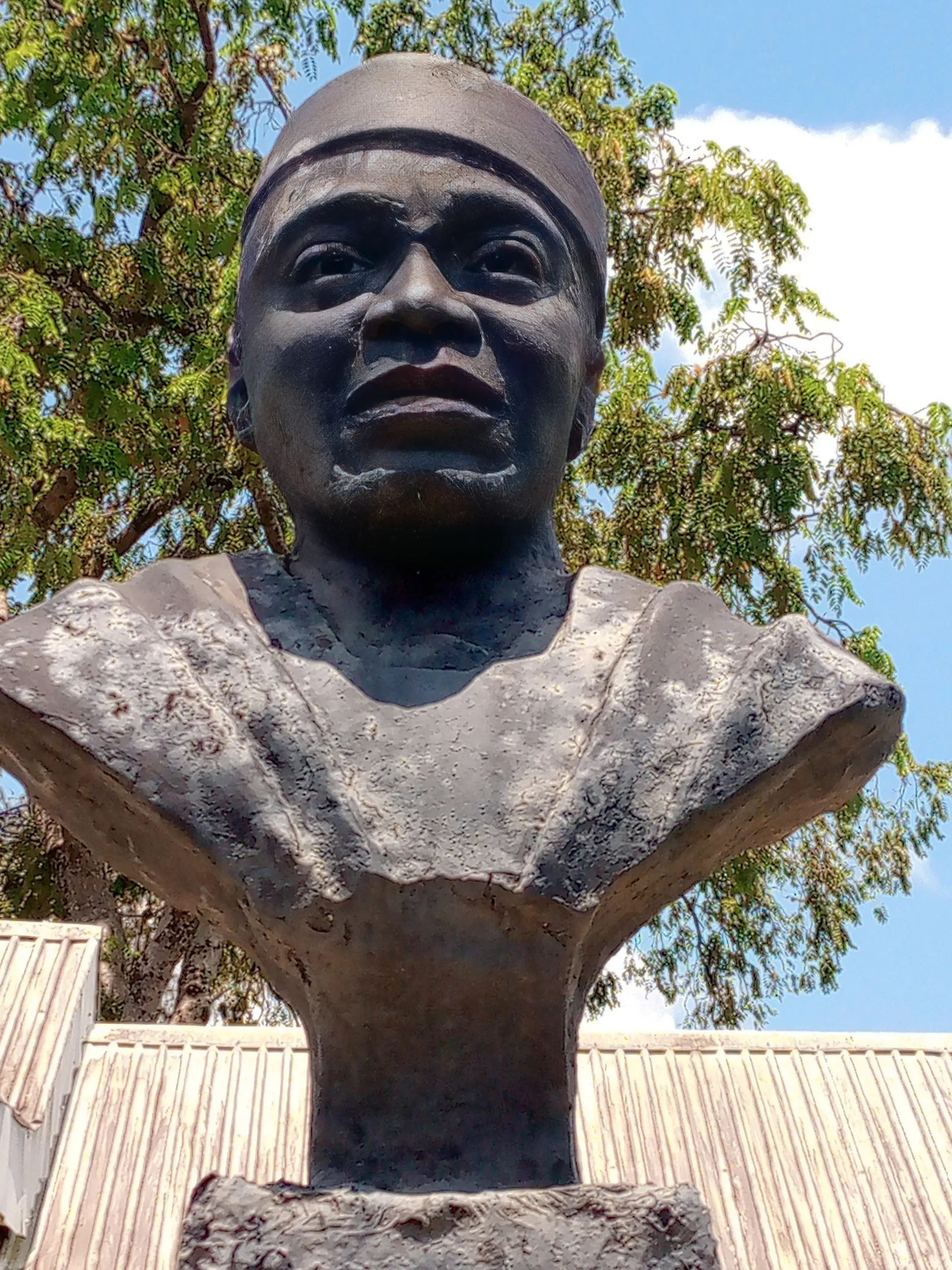
In the decades following his death, his legacy has been commemorated through various means. The anniversary of his death is observed annually as a day of reflection on Nigeria's political history. In recent years, efforts have been made to rehabilitate his tomb and continue academic discussions on his contributions to African politics. His son, Yakubu Abubakar Tafawa Balewa, has occasionally spoken about his father's legacy and unfulfilled wishes, ensuring that the memory of the man who guided Nigeria to independence remains alive in the national consciousness.
Net Worth (Estate Value)
$0
iFANN Editorial Team estimate
As a deceased politician from the mid-20th century, Sir Abubakar Tafawa Balewa does not have a publicly tracked net worth in the modern sense of celebrity wealth. His estate value is not quantified in dollar terms because Nigeria's economy in the 1960s was vastly different from today's, and personal wealth was not typically accumulated or reported in the same manner as modern celebrities. As a head of state, his income was a salary, and he did not engage in commercial ventures, endorsements, or real estate speculation typical of modern influencers. Any earnings related to his name today come from royalties on books, documentaries, or the operation of institutions named after him, but these do not constitute a personal estate value for the individual. His wealth is measured in his enduring legacy, the institutions he founded, and the respect he commands in Nigerian history.
Awards Won (2)
Sir Abubakar Tafawa Balewa received significant honors for his service to Nigeria and the Commonwealth. Most notably, he was knighted by Queen Elizabeth II in 1960, becoming Sir Abubakar Tafawa Balewa, for his role in leading Nigeria to independence. He was also awarded the Knight Commander of the Order of the British Empire (KBE). Posthumously, he received recognition as a founding father of Nigeria, with numerous institutions and landmarks named in his honor.
1960 · Honour
Services to the Commonwealth and Nigeria's independence
Posthumous · National Honour
Service to the nation
Known For
First Prime Minister of Nigeria
1957-1966 · Prime Minister
Leader of Independence Movement
1960 · Statesman
Keywords
Sources
Quick Facts
- Profession
- politician, diplomat, writer
- Born
- December 1912
- Birthplace
- Bauchi, Northern Nigeria
- Died
- January 15, 1966
- Death Place
- Lagos, Nigeria
- Gender
- Male
- Birth Sign
- Capricorn
Personal Details
- Full Name
- Alhaji Sir Abubakar Tafawa Balewa
- Spouse
- Fatima Tafawa Balewa
- Children
- Yakubu Abubakar Tafawa Balewa and others
- Education
- Government College Zaria; Koranic school
Frequently Asked Questions
Who was Abubakar Tafawa Balewa?
How did Abubakar Tafawa Balewa die?
Where was Abubakar Tafawa Balewa born?
What is the legacy of Abubakar Tafawa Balewa?
Did Abubakar Tafawa Balewa have any children?
Join the community
fans discussing