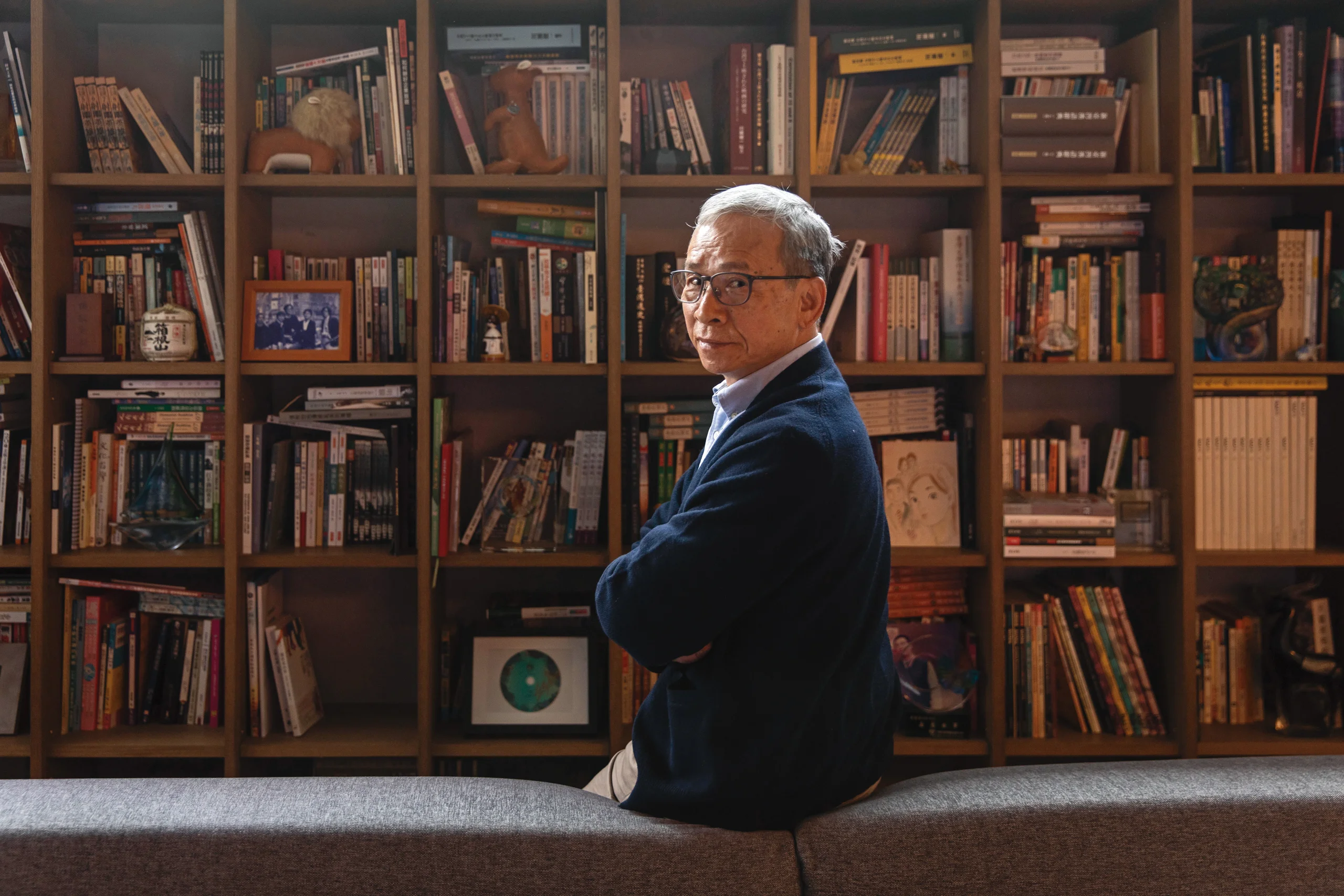
Wu Nien-jen
 Taiwan
screenwriter•film director•actor•writer
Also known as: Nien Jen Wu, 吳念真
Birthday
August 5, 1952
Birth Sign
Leo
Birthplace
Ruifang District, New Taipei City, Taiwan
Age
74 years old
About
Wu Nien-jen is a Taiwanese screenwriter, director, and actor whose work has shaped the identity of modern Taiwanese cinema. Born August 5, 1952, in Ruifang District, New Taipei City, he is widely regarded as one of the most important figures in the New Taiwanese Cinema movement, a wave that brought the island's stories to global audiences. With a career spanning nearly five decades, Wu has written over 50 screenplays, directed several acclaimed features, and appeared in front of the camera in memorable roles, most notably as the father in Edward Yang's masterpiece Yi Yi (2000).
Today, Wu remains a towering presence in Taiwanese culture. He is celebrated for his ability to capture the quiet dignity of ordinary people, especially the working class, drawing on his own upbringing in a coal-mining family. His works, whether films, books, or stage plays, resonate deeply with audiences who see their own lives reflected in his stories. As of 2026, he continues to be active in theater, with his production Human Condition VIII drawing attention in 2025, and his classic films are being rediscovered by new generations through restorations like the 4K release of Yi Yi.
Early Life & Background
Wu Nien-jen grew up in the coal-mining town of Ruifang in northern Taiwan, the son of a miner. The harsh realities of industrial labor were a constant presence in his childhood, and the struggles of the mining community left an indelible mark on his worldview. He often speaks of the men who went into the mines each day, their silent resilience becoming a recurring theme in his later work.
Despite the modest circumstances, Wu excelled academically and enrolled at National Taiwan University, initially majoring in accounting. But numbers never held his imagination the way words did. In 1975, while still a student, he began publishing short stories in newspapers, quickly gaining attention for his keen ear for dialogue and his ability to render the vernacular of everyday Taiwanese life with authenticity. His stories were grounded in the people he knew: miners, factory workers, shopkeepers. This early recognition encouraged him to pivot fully to literature and film, setting the stage for his rise as a central figure in the New Taiwanese Cinema movement of the 1980s.
Before his first major film credit, Wu worked as a scriptwriter for television and contributed to several projects that helped him hone his craft. His big break came when he collaborated with director Edward Yang on Taipei Story (1985), a film that would launch both their careers and define a new era of Taiwanese filmmaking.
Career Growth
Wu Nien-jen's breakthrough came in the mid-1980s when he co-wrote the screenplay for Edward Yang's Taipei Story (1985), a film that became a cornerstone of the New Taiwanese Cinema. The following year, he wrote Dust in the Wind (1986) for Hou Hsiao-hsien, a poignant coming-of-age story based on Wu's own first love. The film won critical acclaim and established Wu as a master storyteller.
In 1994, Wu made his directorial debut with A Borrowed Life, a deeply personal film about a miner's life that won the Golden Horse Award for Best Original Screenplay and was selected as Taiwan's entry for the Academy Awards. He continued to write and direct throughout the 1990s, but his most famous role came in 2000 when he starred as the father in Edward Yang's Yi Yi, a film that won Best Director at Cannes and is now considered one of the greatest films of all time.
Wu's later career saw him explore other media. He directed The Island (2011), a historical drama, and in 2015 brought his stage production to Beijing. In 2025, his theater work Human Condition VIII premiered in Taiwan, demonstrating his continued creative vitality. As of 2026, Yi Yi has been re-released in 4K by The Criterion Collection, introducing his work to a new generation of viewers.
Career Timeline
Public Image & Style
Wu Nien-jen is revered in Taiwan as the "Master Storyteller," a title that reflects his ability to articulate the collective memory of the island. His public persona is that of a humble, thoughtful artist who prefers substance over spectacle. Fans admire his authenticity and his commitment to portraying the lives of ordinary people with dignity. His films are often screened at special events, and discussions of his work are a staple of Taiwanese film culture. He is also respected for his advocacy of the Hokkien language and his efforts to preserve Taiwanese cultural heritage.
Fame & Fandom (iFAMOUS Rankings)
Wu Nien-jen commands a reverence that transcends the typical celebrity fanfare, existing instead as a national treasure whose audience consists of cinephiles, scholars, and theatergoers who revere his work rather than chase his persona. There is no organized fandom with a specific name or ritualistic campaigns; his admirers are united by a shared appreciation for the quiet dignity he brings to ordinary lives on screen and stage. This community does not push charts or erect billboards but engages deeply with his legacy through academic study and institutional screenings of classics like *Yi Yi* and *Taipei Story*. The connection between Wu and his public is forged through the enduring power of his stories, from the coal miner's son rising to become a master storyteller to the recent discussions surrounding his play *Human Condition VIII*. While modern idols rely on direct social media interaction, Wu maintains a minimal digital footprint, letting his scripts speak for him. His influence remains a steady current in Taiwanese culture, respected by those who understand the weight of a well-crafted sentence. This deep cultural standing places him firmly among the most significant figures in the region's entertainment history. According to the iFANN Global Fame Rankings, Wu Nien-jen is currently the 44th most famous person in Taiwanese Drama, a position he has held steady since the previous cycle.
Interesting Facts and Legends
Wu Nien-jen is celebrated for his authentic mastery of the Hokkien dialect, grounding his narratives in the local reality of Taiwan. He once reflected on his creative philosophy with the simple yet profound statement, "Time is a remedy." Despite his towering status, he keeps a low profile online, choosing to communicate his vision exclusively through his art. Beyond cinema, he is a published author with several collections of short stories and essays. A central legend surrounding his life is his origin story as the son of a coal miner, a narrative that underscores his lifelong connection to the working class and fuels the authenticity of his writing. Fans often retell the mythos of his collaboration with Edward Yang, viewing their partnership as a golden era of Asian cinema. Their joint work on *Yi Yi* is frequently cited as the pinnacle of their artistic synergy, especially following its 4K restoration. Another iconic moment involves his 2025 interviews regarding *Human Condition VIII*, where he found humor in the tragedy of an elderly man, showcasing his unique blend of comedy and pathos that continues to define his theatrical legacy.
Notable Quotes
“Time is a remedy.”
“The power of theatre lies in its ability to make the invisible visible.”
Family & Personal Life
Wu Nien-jen was born into a coal miner's family in Ruifang, the son of a miner. The experience of growing up in a mining community deeply influenced his worldview and his art. He has spoken publicly about the sacrifices of his father and the resilience of the women in his family. While he keeps his current family life private, his works often explore family dynamics, suggesting a deep personal engagement with these themes. He is known to be a father, though details about his children are not widely publicized.
Notable Connections
Wu Nien-jen is closely associated with the directors Edward Yang and Hou Hsiao-hsien, with whom he collaborated on several landmark films. He also worked with actress Elaine Jin and cinematographer Chen Kun-sheng. These partnerships were instrumental in shaping the aesthetic and thematic direction of New Taiwanese Cinema. Wu is often grouped with the second-wave Taiwanese filmmakers who brought the country's cinema to international prominence.
Relationships & Dating History
Wu Nien-jen has kept his personal life remarkably private, and there are no confirmed public records of his romantic relationships. He has been inspired by his first love, which served as the basis for Dust in the Wind, but the identity of that person and the details of the relationship have never been disclosed. As of 2026, he is believed to be unmarried and lives a quiet life away from the spotlight. His focus on family themes in his work suggests a deep understanding of domestic relationships, but he has chosen to keep his own personal affairs out of the public eye.
Salary, Net Worth In 2026
$5 Million
iFANN Editorial Team estimate
Per iFANN's editorial analysis, Wu Nien-jen's net worth stands at $5 Million as of 2026. This financial standing reflects decades of sustained contribution across film, theater, and literature. He generates income through royalties from his extensive library of screenplays, which remain staples in educational curricula and production houses. His directorial efforts, including *A Borrowed Life* and *The Island*, have secured box office returns and ongoing sales revenue. Stage productions such as *Human Condition VIII* further bolster his earnings through live performance rights. Additionally, his published books of short stories and essays contribute steadily to his financial portfolio. Unlike many global stars, Wu avoids major endorsement deals or speculative real estate investments, prioritizing creative integrity over commercial expansion.
Awards Won (3)
Wu Nien-jen has received numerous awards throughout his career, primarily from Taiwanese institutions. He has won the Golden Horse Award for Best Original Screenplay multiple times, including for A Borrowed Life and Dust in the Wind. He has also received a Lifetime Achievement Award from the Golden Horse Film Festival, recognizing his immense contribution to cinema. While his films have been nominated for international awards, such as Yi Yi at Cannes, his most significant honors are those from his home country, where he is celebrated as a national treasure.
1994 · Best Original Screenplay
A Borrowed Life
1986 · Best Original Screenplay
Dust in the Wind
2014 · Lifetime Achievement
Known For
Yi Yi
2000 · Actor (Yang Ji-yong), Screenwriter
Dust in the Wind
1986 · Screenwriter
A Borrowed Life
1994 · Director, Screenwriter
Taipei Story
1985 · Screenwriter
Keywords
Sources
Quick Facts
- Profession
- screenwriter, film director, actor, writer
- Born
- August 5, 1952
- Birthplace
- Ruifang District, New Taipei City, Taiwan
- Gender
- Male
- Birth Sign
- Leo
Personal Details
- Full Name
- Wu Nien-jen
- Education
- National Taiwan University (studied accounting, later shifted to literature)
Filmography
50
Total
40
Film
10
TV
Frequently Asked Questions
Who is Wu Nien-jen?
What is Wu Nien-jen's net worth?
Is Wu Nien-jen married?
What is Wu Nien-jen's most famous work?
How did Wu Nien-jen start his career?
Similar People
Join the community
fans discussing