 United States
About
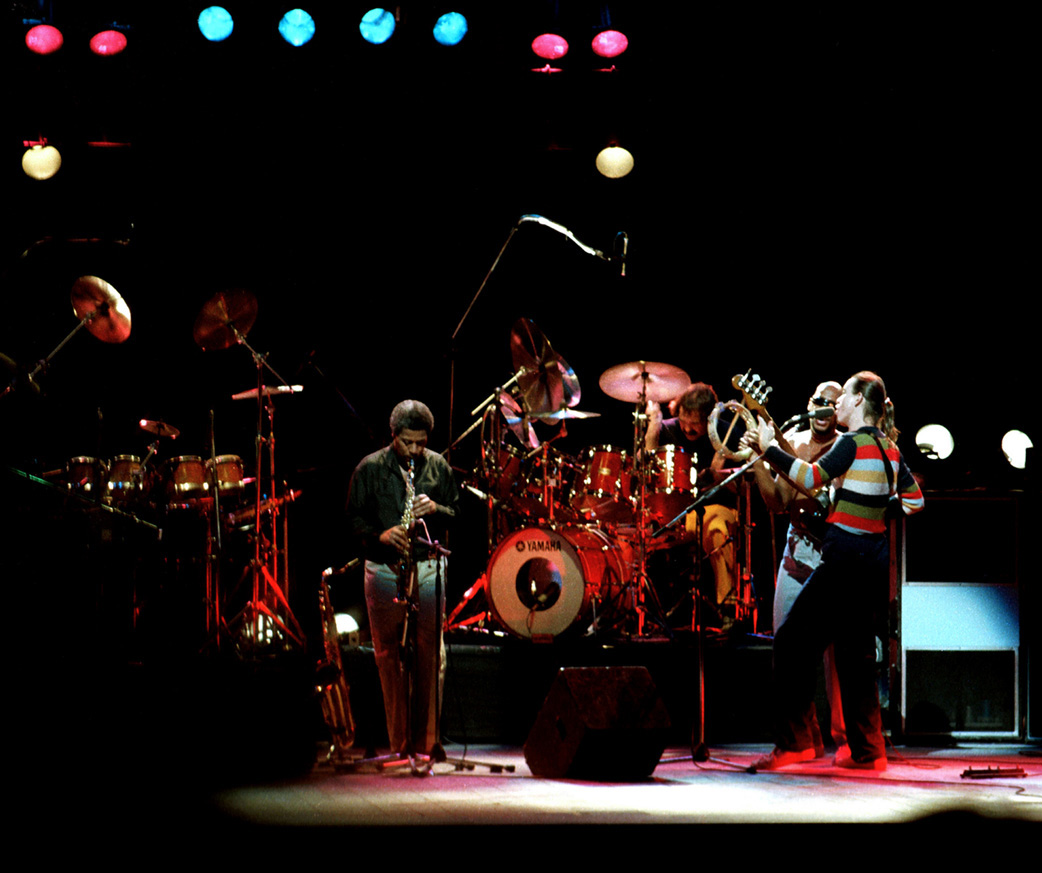
Weather Report stands as one of the most influential jazz fusion ensembles of all time, active from 1970 until their disbandment in 1986. Anchored by the visionary keyboard work of Joe Zawinul and the distinctive saxophone melodies of Wayne Shorter, the band consistently pushed musical boundaries. Over their career, the lineup evolved, featuring exceptional talents like bassists Jaco Pastorius, Alphonso Johnson, and Victor Bailey, and drummers Peter Erskine, Omar Hakim, and Alphonse Mouzon. The core quintet usually featured Zawinul, Shorter, a bassist, a drummer, and a percussionist.
The group's sound journeyed from experimental free jazz with electronic textures to a more groove-oriented fusion that blended R&B, funk, and world music influences. Zawinul's masterful manipulation of synthesizers created a rich, unique sonic palette that defined their era. This innovative approach earned them significant recognition, including five consecutive wins for DownBeat magazine's 'best album award' in the early to mid-1970s. Alongside contemporaries like Mahavishnu Orchestra and Return to Forever, Weather Report is celebrated for shaping the jazz fusion landscape.
Formation Story
The genesis of Weather Report traces back to 1970 in New York City, a fertile ground for musical innovation. Austrian keyboardist Joe Zawinul, already known for his work with Cannonball Adderley, and American saxophonist Wayne Shorter, a key figure in Miles Davis's second great quintet, decided to form a new band. They envisioned a project that would explore new sonic territories beyond traditional jazz.
The initial lineup solidified with Czech bassist Miroslav Vitouš, American drummer Alphonse Mouzon, and American percussionists Don Alias and Barbara Burton. This powerful ensemble debuted with the self-titled album Weather Report in 1971, showcasing a blend of free improvisation, avant-garde electronics, and Zawinul's burgeoning compositional vision. Early on, the band was co-led by Zawinul and Shorter, with Zawinul's electronic explorations laying the groundwork for their signature sound.
As the band progressed into the 1970s, creative differences, particularly between Zawinul and Vitouš, led to personnel changes. Zawinul increasingly took the reins, steering the band's direction towards a more focused, funk-influenced, and rhythmically sophisticated sound. This evolution, coupled with the arrival of virtuosos like bassist Jaco Pastorius, propelled Weather Report to greater commercial and critical success, solidifying their place as leaders in the burgeoning jazz fusion movement.
Members
Musical Style
Weather Report's musical identity was forged in the crucible of jazz fusion, a genre they helped define. Initially, their sound was characterized by adventurous free improvisation and the pioneering use of electronic instruments, especially synthesizers, under Joe Zawinul's direction. This early phase explored complex harmonies and avant-garde textures.
Following Miroslav Vitouš's departure, Zawinul shifted the band's focus. The music became more structured, incorporating robust funk grooves, R&B rhythms, and diverse global musical influences, from Latin America to Africa. Zawinul's innovative synthesizer work remained a cornerstone, creating a unique sonic landscape with rich textures and dynamic soundscapes. Wayne Shorter's lyrical and often haunting saxophone lines provided a melodic counterpoint to Zawinul's electronic explorations. Lyrical themes, when present, often touched on social commentary and introspection, delivered through Zawinul's compositions.
Discography
| Title | Year |
|---|---|
| This is This | 1986 |
| Weather Report | 1982 |
| Night Passage | 1980 |
| 8:30 | 1979 |
| Mr. Gone | 1978 |
| Heavy Weather | 1977 |
| Black Market | 1976 |
| Tale Spinnin' | 1975 |
| Mysterious Traveller | 1974 |
| Sweetnighter | 1973 |
| I Sing the Body Electric | 1972 |
| Weather Report | 1971 |
Tours
1979 Tour
1979
1978 Tour
1978
1977 Tour (Heavy Weather)
1977
Cultural Impact
Weather Report's impact on the music world, particularly within jazz and beyond, is undeniable. They were at the forefront of the jazz fusion movement, demonstrating how jazz could effectively integrate elements from rock, funk, and world music. Their sophisticated compositions and virtuosic performances inspired countless musicians across various genres.
Zawinul's groundbreaking use of synthesizers and electronic effects not only defined Weather Report's sound but also influenced the broader trajectory of electronic music and studio production techniques. The band's success proved that challenging, experimental music could achieve mainstream recognition and commercial viability, paving the way for future generations of artists exploring genre fusion. Their work continues to be studied and appreciated by musicians and fans alike for its innovation and artistry.
Fandom Culture
While Weather Report did not have a formal fandom name or associated traditions in the way modern pop groups do, they cultivated a devoted following among jazz enthusiasts and musicians worldwide. Their concerts were often intense, immersive experiences, celebrated for the band's incredible musicianship and improvisational prowess.
Fans appreciated the band's commitment to pushing musical boundaries and their ability to consistently deliver high-quality, innovative music throughout their career. The live album 8:30, released in 1979, captures the energy and improvisational spirit that thrilled their audiences during their extensive tours.
Awards Won (14)
for: 8:30
for: Weather Report
for: Weather Report
for: Weather Report
for: Weather Report
for: Weather Report
for: Weather Report
for: Heavy Weather
for: Black Market
for: Tale Spinnin'
Milestones
Active period of the band
Release of the commercially successful album Heavy Weather
Release of the live album 8:30, recorded during their tour
Trivia
The band's name, Weather Report, was inspired by the idea of conveying messages and moods, much like meteorological reports, through their music.
Keyboardist Joe Zawinul was a master of synthesizer technology for his time, often creating custom sounds and textures that were integral to the band's unique sonic identity.
Bassist Jaco Pastorius, who joined in 1976, is widely regarded as one of the most influential electric bassists in history, revolutionizing the instrument's role in popular music.
The album Heavy Weather (1977) was a significant commercial success, reaching number 30 on the Billboard 200 chart, a remarkable achievement for a jazz fusion band at the time.
Keywords
Sources
Quick Facts
- Formed
- 1970
- Disbanded
- 1986
- Origin
- New York City, USA
- Label
- Columbia Records
- Key Members
- Joe Zawinul, Wayne Shorter, Jaco Pastorius, Alphonso Johnson, Peter Erskine, Omar Hakim, Miroslav Vitouš, Alphonse Mouzon, Alex Acuña, Airto Moreira, Chester Thompson, Victor Bailey, Don Alias, Barbara Burton
Group Info
- Formed
- 1970-01-01
- Debut
- 1971-01-01
- Origin
- New York City, USA
- Label
- Columbia Records
- Status
- Disbanded (1986-01-01)
Also Known As
Join the community
fans discussing