Jaco Pastorius
Member of Weather Report
jazz bassist•composer•producer
Also known as: Jaco
Birthday
December 1, 1951
Birth Sign
Sagittarius
Birthplace
Norristown, Pennsylvania
Age
Died at 35
About
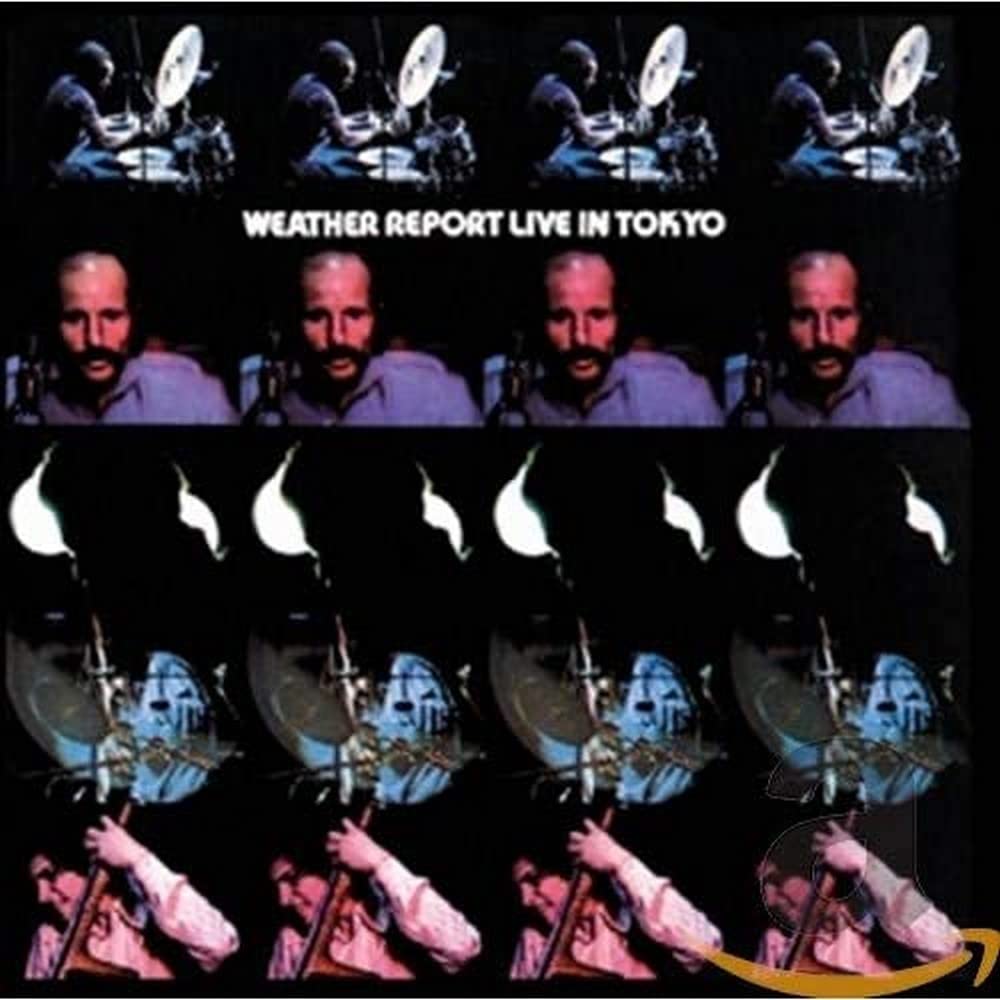
Jaco Pastorius was an American jazz bassist, composer, and producer. Many people consider him one of the most influential bassists in music history. He played a significant role in the jazz fusion group Weather Report from 1976 to 1981, and he also released his own solo albums. His distinctive playing style, which often featured a fretless bass, lyrical solos, and a strong funk influence, left a lasting mark on countless musicians across genres. Pastorius also collaborated with major artists like Joni Mitchell and Pat Metheny, showcasing his versatility and unique voice on the instrument. Even decades after his passing, his recordings and innovative techniques continue to inspire new generations of bass players and music enthusiasts.
Early Life & Background
John Francis Anthony Pastorius III was born in Norristown, Pennsylvania, on December 1, 1951, but his family soon moved to Fort Lauderdale, Florida, where he spent his formative years. He came from a musical family; his father was a singer and drummer. Jaco initially followed in his father's footsteps, starting out on drums. He played in local bands during his teenage years, performing at various venues around South Florida. A football injury at age 13, which damaged his wrist and made drumming difficult, led him to switch to the bass guitar. He bought his first bass for $30 and, being largely self-taught, developed a highly individual approach to the instrument. Pastorius famously removed the frets from a bass he acquired, creating the unique fretless sound that became his signature. This early experimentation with the instrument, combined with his deep immersion in funk, R&B, and jazz, laid the groundwork for the revolutionary style he would later introduce to the world. Before joining Weather Report, he played with several groups, including the Las Olas Brass and Wayne Cochran and the C.C. Riders, honing his skills and gaining invaluable stage experience.
Career Growth
Jaco Pastorius's career truly took off in 1976 with the release of his self-titled solo debut album, Jaco Pastorius. This record immediately showcased his innovative fretless bass playing and compositional prowess, featuring collaborations with Herbie Hancock and Sam & Dave. That same year, he joined the influential jazz fusion group Weather Report, a move that would define a major phase of his career. With Weather Report, he contributed to some of their most celebrated albums, including Heavy Weather in 1977, which featured his iconic composition "Birdland," and 8:30 in 1979. His tenure with the band, which lasted until 1981, saw him elevate the electric bass to a lead instrument, pushing boundaries of jazz and funk.
Beyond Weather Report, Pastorius was a highly sought-after collaborator. He notably worked with Joni Mitchell on several albums, including Hejira in 1976, Don Juan's Reckless Daughter in 1977, and Mingus in 1979, often touring with her. He also played on Pat Metheny's 1976 album Bright Size Life, further cementing his reputation. In 1981, he released his second solo album, Word of Mouth, which featured a large ensemble and showcased his ambitious compositional ideas. However, as the 1980s progressed, Pastorius struggled with mental health issues and substance abuse, which significantly impacted his ability to sustain his career, leading to periods of instability and homelessness before his untimely death in 1987.
Career Timeline
Public Image & Style
Jaco Pastorius cultivated a public image as a fearless innovator and a virtuoso on the electric bass. He was known for his energetic and often theatrical stage presence, sometimes leaping off drum risers or engaging in playful antics. His playing style itself was a huge part of his persona: the melodic lines, the expressive use of harmonics, and the deep, singing tone of his fretless bass were instantly recognizable. Fans admired his ability to push the instrument beyond its traditional rhythmic role, transforming it into a lead voice. While his later years saw his public behavior become more erratic due to his struggles, his musical genius and magnetic personality remained central to how audiences perceived him. He was seen as a maverick who redefined what was possible on the bass guitar.
Fame & Fandom (iFAMOUS Rankings)
The appreciation for Jaco Pastorius flows through jazz fusion enthusiasts and bassists globally rather than forming a distinct, organized subculture with internal rituals or a formal name. While tribute projects exist, such as the 2022 return of Pat Casey and Ricky Sebastian with a performance honoring Pastorius, these remain professional musical homages rather than fan-organized initiatives. There is no record of Pastorius engaging in direct interaction with fans or performing acts specifically designed for audience engagement, likely due to his tragic death in 1987 and the subsequent lack of a living artist-fan dynamic. The mythology surrounding him is defined by his revolutionary technical ability and the tragic circumstances of his end. iFANN has evaluated this musician within its Global Fame Engine framework. Jaco Pastorius is currently unevaluated for a published ranking, holding no placement in the Global Top 1,000 or any Top-100 scope list. This status reflects an evaluation where the engine recognizes his historical significance without assigning a current numeric position. His legacy persists through the widespread admiration of his peers and the enduring influence of his recordings on new generations of musicians across genres. The narrative of his brief, brilliant life serves as the core folklore, contrasting his immense talent with his personal struggles and premature end.
Interesting Facts and Legends
Jaco Pastorius originally played the drums before switching to the bass following an injury that made drumming difficult. He famously removed the frets from his instrument, which he nicknamed "the Bass of Doom," to achieve his signature lyrical tone. He often wrote "World's Greatest Bass Player" on his equipment or clothing, a bold declaration that many in the music world came to agree with. A specific iconic moment remains his performance of "Teen Town," a composition he wrote that showcases his virtuosity and serves as a primary entry point for new listeners. Another legendary aspect involves his improvisational philosophy, captured in his quote, "I'd rather go in and just be Jaco. I improvise all the time. I never play the same thing twice." Fans still retell the story of how he lost his prized bass in a canal in New York City, only for it to be recovered years later in a much-damaged state. The most significant and widely told story regarding Pastorius is not a performance event but his violent death. On December 22, 1987, security guards ejected him from a nightclub in Fort Lauderdale for being intoxicated and disruptive. He died three days later from injuries sustained during the assault, cementing a narrative of unparalleled innovation cut short by tragedy.
Notable Quotes
“I'm not a freak. I'm a genius.”
“I don't play notes, I play music.”
“The bass is the most important instrument in the band.”
Family & Personal Life
Jaco Pastorius grew up in a musical household; his father, Jack Pastorius, was a drummer and singer. Details about his mother are less publicly known. Jaco himself became a father to four children through his two marriages. He had a daughter, Mary, and a son, John, with his first wife, Tracy Lee Pastorius. Later, with his second wife, Ingrid Pastorius, he had two more sons, Felix and Julius. Despite his later struggles, his children remained a significant part of his life and have since been involved in preserving his musical legacy. His brother, Gregory Pastorius, also pursued a career in music as a drummer.
Notable Connections
Relationships & Dating History
Jaco Pastorius had two marriages during his life, both of which ended in divorce. He first married Tracy Lee Pastorius (née Sexton) in 1970. Together, they had two children, Mary and John. This marriage lasted for nearly a decade before they divorced in 1979. Shortly after the end of his first marriage, Jaco married Ingrid Pastorius (née Horn-Müller) in 1980. With Ingrid, he had two more children, Felix and Julius. This second marriage continued for five years, concluding in their divorce in 1985. Following his divorce from Ingrid, Pastorius did not remarry. He was reportedly single at the time of his death in 1987, navigating personal challenges during his final years. His relationships provided a foundation for his family life, even as his musical career took him around the world.
- MarriedTracy Lee Pastorius (née Sexton)1970 - 1979They had two children, Mary and John, before divorcing in 1979.
- MarriedIngrid Pastorius (née Horn-Müller)1980 - 1985They had two children, Felix and Julius, before their divorce in 1985.
Death & Aftermath
Died
September 21, 1987 (aged 35)
Death Place
Fort Lauderdale, Florida, USA
Cause of Death
Stroke from subdural hematoma
The news of Jaco Pastorius's passing triggered an immediate, global outpouring of grief that rippled through the jazz community and beyond. Tributes poured in from peers like Chick Corea, Herbie Hancock, Pat Metheny, and Joni Mitchell, who described the loss as the death of a musical soulmate. Fan vigils erupted in Fort Lauderdale and New York City, where musicians gathered to play bass in his honor. Pastorius died on September 21, 1987, at Fort Lauderdale General Hospital in Fort Lauderdale, Florida, following severe head trauma sustained days earlier. On September 19, he was involved in altercations at the Hollywood club after becoming aggressive and drinking heavily.
He suffered significant injuries during these confrontations and was hospitalized the next day. The coroner ruled the cause of death as a stroke resulting from a subdural hematoma caused by the physical blows, though initial accounts debated whether alcohol intoxication or bipolar disorder played the primary role. A police investigation led to the manslaughter charges against two men, Michael Smith and Robert Johnson, but they were acquitted in 1989 due to insufficient evidence linking their actions directly to the fatal stroke. A private funeral service took place on September 24, 1987, attended by family and close friends including Wayne Shorter and Stanley Clarke.
Pastorius was cremated, and his ashes were scattered at sea. In the years following his death, the Jaco Pastorius Foundation was established to support young bassists, and posthumous releases like Live at the Blue Note kept his music alive. His legacy received formal recognition with induction into the Rock and Roll Hall of Fame in 2017 as a member of Weather Report and a Grammy Lifetime Achievement Award in 2020.
Net Worth (Estate Value)
$1.2 Million
iFANN Editorial Team estimate
At the time of his passing in 1987, Jaco Pastorius's financial situation was unfortunately difficult, marked by periods of homelessness and instability. His estate, however, continued to generate income through his extensive discography and enduring influence. Per iFANN's editorial analysis, the estimated value of his estate is around $1.2 Million as of 2026. This figure primarily reflects ongoing royalties from his solo albums, such as his self-titled 1976 debut and 1981's Word of Mouth, as well as his significant contributions to Weather Report's most successful albums like Heavy Weather and 8:30. Additionally, his estate earns from his numerous collaborations, including his iconic work with Joni Mitchell and Pat Metheny. Posthumous releases, reissues, and licensing of his music for documentaries and other media have also contributed to the estate's value. The 2014 documentary film Jaco, which celebrated his life and musical impact, likely spurred renewed interest in his catalog, generating further royalties. His family members, particularly his children, have been involved in managing his musical legacy, ensuring his work remains available and appreciated. While his personal wealth was limited during his later life, the consistent demand for his groundbreaking recordings has allowed his estate to maintain a notable valuation over the decades.
Awards Won (1)
Jaco Pastorius received posthumous recognition for his profound impact on jazz. He was inducted into the DownBeat Jazz Hall of Fame in 1988, a significant honor that acknowledged his pioneering work on the electric bass. This induction positioned him among legendary figures in jazz, highlighting his lasting influence on instrumentalists and composers alike.
1988 · Jazz Hall of Fame
Lifetime Achievement
Known For
Jaco Pastorius
1976 · Solo Album
Heavy Weather
1977 · Bassist, Co-composer (with Weather Report)
Hejira
1976 · Bassist (for Joni Mitchell)
Fretless Bass Innovation
1970 · Pioneering Technique
Keywords
Sources
Quick Facts
- Profession
- jazz bassist, composer, producer
- Born
- December 1, 1951
- Birthplace
- Norristown, Pennsylvania
- Died
- September 21, 1987
- Death Place
- Broward Health
- Gender
- Male
- Birth Sign
- Sagittarius
- Group
- Weather Report
Personal Details
- Full Name
- John Francis Anthony Pastorius III
- Children
- Mary Pastorius · John Pastorius · Felix Pastorius · Julius Pastorius
- Education
Filmography
2
Total
1
Film
0
TV
Frequently Asked Questions
How old was Jaco Pastorius when he died?
What was Jaco Pastorius known for?
What was Jaco Pastorius's net worth at the time of his death?
Was Jaco Pastorius married when he died?
How did Jaco Pastorius die?
Social Media
Join the community
fans discussing