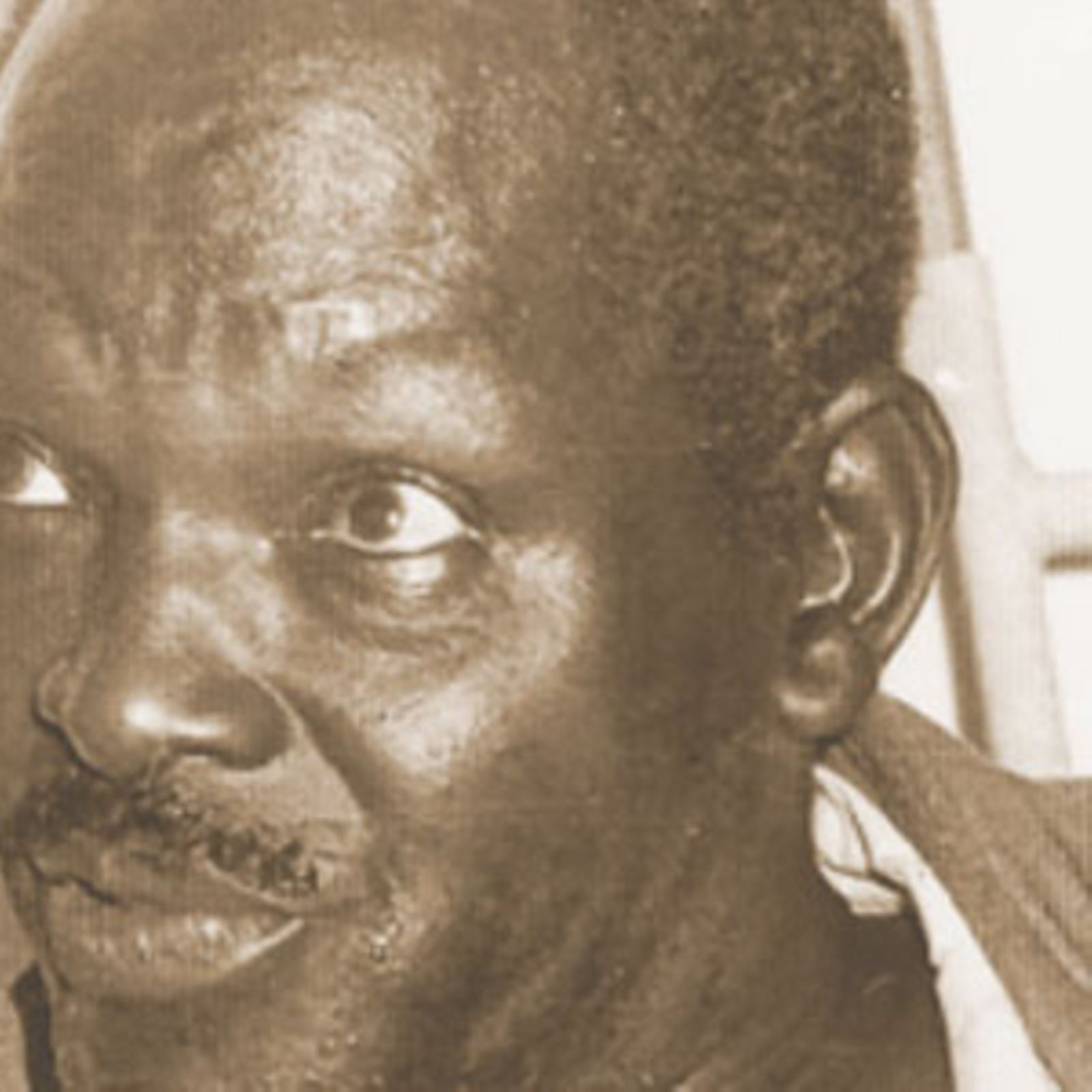
Waruhiu Itote
 Kenya
KenyaMau Mau commander and Kenyan freedom fighter
Also known as: General China
Birthday
1922
Birth Sign
Capricorn
Birthplace
Mukurwe-ini, Nyeri District, Kenya
Age
Died at 71
About
Waruhiu Itote was a Kenyan military leader and one of the principal commanders of the Mau Mau Uprising (1952–1960) against British colonial rule. Operating under the nom de guerre General China, he led guerrilla forces in the forests of central Kenya, becoming one of the movement's most feared and respected figures. His capture in 1954 marked a turning point in the conflict, as he was the first senior Mau Mau leader to fall into government hands.
Itote's legacy is deeply contested. After his capture, he cooperated with British intelligence, luring hundreds of fighters into traps, which led many of his former comrades to brand him a traitor. Yet others saw him as a pragmatic moderate in a movement dominated by radicals. He later served in Kenya's post-independence government, including a long tenure at the National Youth Service.
His story embodies the moral complexities of the independence struggle. He died on 30 April 1993 at age 71, leaving behind a legacy that still sparks debate among historians and Kenyans.
Early Life & Background
Waruhiu Itote was born in 1922 in Kaheti village, Mukurwe-ini division, Nyeri District, into a prosperous Kikuyu farming family. He received minimal education at a local Church of Scotland mission school before fleeing to Nairobi as a teenager to escape his father's beatings.
In December 1940, he married Leah Wambura. Two years later, during World War II, he enlisted in the British army's King's African Rifles. He trained in Ceylon and fought in the Burma Campaign, where he was promoted to Corporal. Conversations with a British soldier on the battlefield made him question the legitimacy of colonial rule, and he requested discharge despite the chance of further promotion.
Returning to Kenya, he found Africans still oppressed under colonial rule. In 1950, he took the Mau Mau oath and joined the movement early, adopting the name General China out of admiration for Chinese revolutionaries. In August 1952, he was among the first fighters to enter the forests, quickly rising through the ranks due to his leadership and battlefield success.
Career Growth
Itote's military career peaked during the Mau Mau Uprising, where he led successful raids on British installations alongside Dedan Kimathi, Stanley Mathenge, and other commanders. On 15 January 1954, during a police operation near Nyeri, he was shot in the neck and captured, becoming the first senior Mau Mau leader to fall into government hands. The bullet remained lodged in his chest for 34 years; after surgical removal, it became a museum artifact now at the Nairobi National Museum.
Facing a possible death sentence, Itote cooperated with British intelligence, volunteering information and acting as a negotiator to lure hundreds of fighters into traps. His sentence was commuted to life imprisonment. He was jailed at Lokitaung alongside Jomo Kenyatta, who taught him to read and write; in return, Itote served as Kenyatta's bodyguard, saving his life when a fellow inmate attempted to stab him.
Released in 1962, Itote was taken under Kenyatta's wing. After paramilitary training in Israel, he became Deputy Director and later top officer of the National Youth Service, serving until 1984. He published his autobiography, "Mau Mau" General, in 1967, and Mau Mau in Action in 1979.
Career Timeline
Public Image & Style
Itote's public image is defined by duality. To many compatriots, he was a turncoat who saved his neck by betraying others. To others, he was one of the few moderates among the radical Mau Mau leadership. Historians describe him as a significant figure whose contributions to the liberation struggle cannot be overstated, yet he is also remembered as the man who lured fighters into British traps. This contested legacy makes him a subject of ongoing debate in Kenya's history.
Fame & Fandom (iFAMOUS Rankings)
Waruhiu Itote commands a reverence that transcends typical celebrity worship, rooted instead in the solemn national memory of Kenya's struggle for independence. His 'fanbase' is not a collection of organized clubs or digital crusaders but a collective comprising historians, political activists, and citizens who revere him as a martyr and a foundational pillar of the nation. Unlike modern icons whose legacies are built on merchandise and viral moments, Itote's enduring presence is maintained through academic study, state-sanctioned memorials, and the oral histories of a people who view his survival as a reflection of resilience against colonial oppression. The stories surrounding him, particularly the legend of the bullet lodged in his chest for thirty-four years and his unique status as the only senior general to survive the Mau Mau Uprising, have evolved into cultural mythology, distinguishing him as a symbol of endurance rather than mere fame. While he lacks a formal fandom name or interactive social media rituals, his influence permeates Kenyan discourse as a figure of intense debate and deep respect. This complex legacy ensures his place in history without the need for contemporary marketing campaigns. Despite his profound impact on African decolonization, Waruhiu Itote has been evaluated by iFANN's Global Fame Engine but does not currently hold a placement in the published rankings (Global Top 1,000 or a Top-100 scope list). As of August 2026, the iFANN system has evaluated this individual, but they do not currently hold a placement in the published rankings (Global Top 1,000 or a Top-100 scope list).
Interesting Facts and Legends
Before becoming General China, Waruhiu Itote was a man of quiet courage who once saved Jomo Kenyatta's life by intervening when Kariuki Chotara attempted to stab the future president while he cooked. During their shared imprisonment at Lokitaung, the dynamic shifted as Kenyatta took it upon himself to teach the illiterate Itote how to read and write. Itote's role within the movement was severe; he was responsible for conducting oathing ceremonies and serving as an executioner for those branded traitors. He adopted the nom de guerre General China out of genuine admiration for Chinese revolutionaries, even turning down a promotion in the British army just to secure his discharge. A physical relic of his suffering remains today: the bullet that struck him in 1954 stayed embedded in his chest for 34 years before removal and is now displayed at the Nairobi National Museum. Beyond these verified facts, a persistent legend tells of his survival against impossible odds, standing as the sole surviving senior general among three forest commanders. Another story, often cited in regional folklore, claims he played a pivotal role in halting Idi Amin's advance in East Africa, though this narrative blends verified diplomacy with popular myth.
Family & Personal Life
Itote married Leah Wambura in December 1940. No sources document the duration of the marriage, whether it ended in divorce or widowhood, or any children. At the time of his death, he was running a farm near Ol Kalou in the Mount Kenya region. His family background included a prosperous farming household in Nyeri, but details about his parents and siblings remain sparse in the historical record.
Notable Connections
Itote is closely associated with fellow Mau Mau commanders Dedan Kimathi, Stanley Mathenge, and others like Musa Mwariama and Muthoni Kirima. He was imprisoned alongside Jomo Kenyatta, who later became Kenya's first president, and served as his bodyguard. British intelligence officer Ian Henderson interrogated him, and his superior at the National Youth Service was Geoffrey Griffin.
Relationships & Dating History
Documentation of Itote's romantic relationships is extremely limited. The only confirmed relationship is his marriage to Leah Wambura in December 1940. The duration of the marriage and whether it ended in divorce or widowhood remain unknown. No other romantic relationships, engagements, or flings are recorded. Itote passed away on 30 April 1993, and no current relationship status applies.
- MarriedLeah Wambura1940 - presentMarried in December 1940; the duration and end of the marriage are unknown.
Death & Aftermath
Died
April 30, 1993 (aged 71)
Death Place
Unknown
Cause of Death
Unknown
Waruhiu Itote, widely known by his nom de guerre General China, died on April 30, 1993, at the age of 70 or 71. Historical records consistently confirm this date across encyclopedic sources and Wikipedia. No publicly available document details the exact place of his death, the official medical cause, or the results of any autopsy or coroner's ruling. The circumstances surrounding his final days and last public appearance prior to his death remain undocumented in the provided search results.
While specific details regarding the funeral or memorial service such as the date, location, notable attendees, or method of burial are absent from the records, his legacy has been honored in subsequent years. Former South African President Thabo Mbeki paid special tribute to Waruhiu Itote alongside Dedan Kimathi in June 2021. Tributes from institutions often frame him as a controversial figure in the history of decolonization, described variously as a hero, traitor, or survivor. Calls to build a museum for Mau Mau freedom fighters, including Itote, have been made in recent years, and he is frequently mentioned in modern discussions about Kenya's independence and the National Youth Service.
Net Worth (Estate Value)
$100 Thousand
iFANN Editorial Team estimate
As a historical figure who passed away in 1993, no contemporary net worth estimates existed during his lifetime. At the time of his death, he was operating a farm near Ol Kalou, which presumably constituted a significant asset, though no specific valuation was recorded then. His literary contributions, including the works titled "Mau Mau" General and Mau Mau in Action, may continue to generate modest royalty income for his estate. Financial details regarding his holdings remain undocumented, and no posthumous earnings or licensing deals have been publicly reported. Per iFANN's editorial analysis, the estimated estate value of $100 Thousand reflects the limited available information about his assets and literary royalties.
Awards & Accolades
Known For
Mau Mau Uprising
1952-1960 · Principal commander (General China)
"Mau Mau" General
1967 · Author
Mau Mau in Action
1979 · Author
Keywords
Sources
Quick Facts
- Profession
- Mau Mau commander and Kenyan freedom fighter
- Born
- 1922
- Birthplace
- Mukurwe-ini, Nyeri District, Kenya
- Died
- April 30, 1993
- Gender
- Male
- Known as
- General China
Personal Details
- Spouse
- Leah Wambura
- Education
- Local Church of Scotland mission school
Frequently Asked Questions
Why was Waruhiu Itote called General China?
Was Waruhiu Itote a traitor to the Mau Mau cause?
How did Waruhiu Itote die?
What happened to the bullet that hit Waruhiu Itote?
What books did Waruhiu Itote write?
Similar People
Join the community
fans discussing