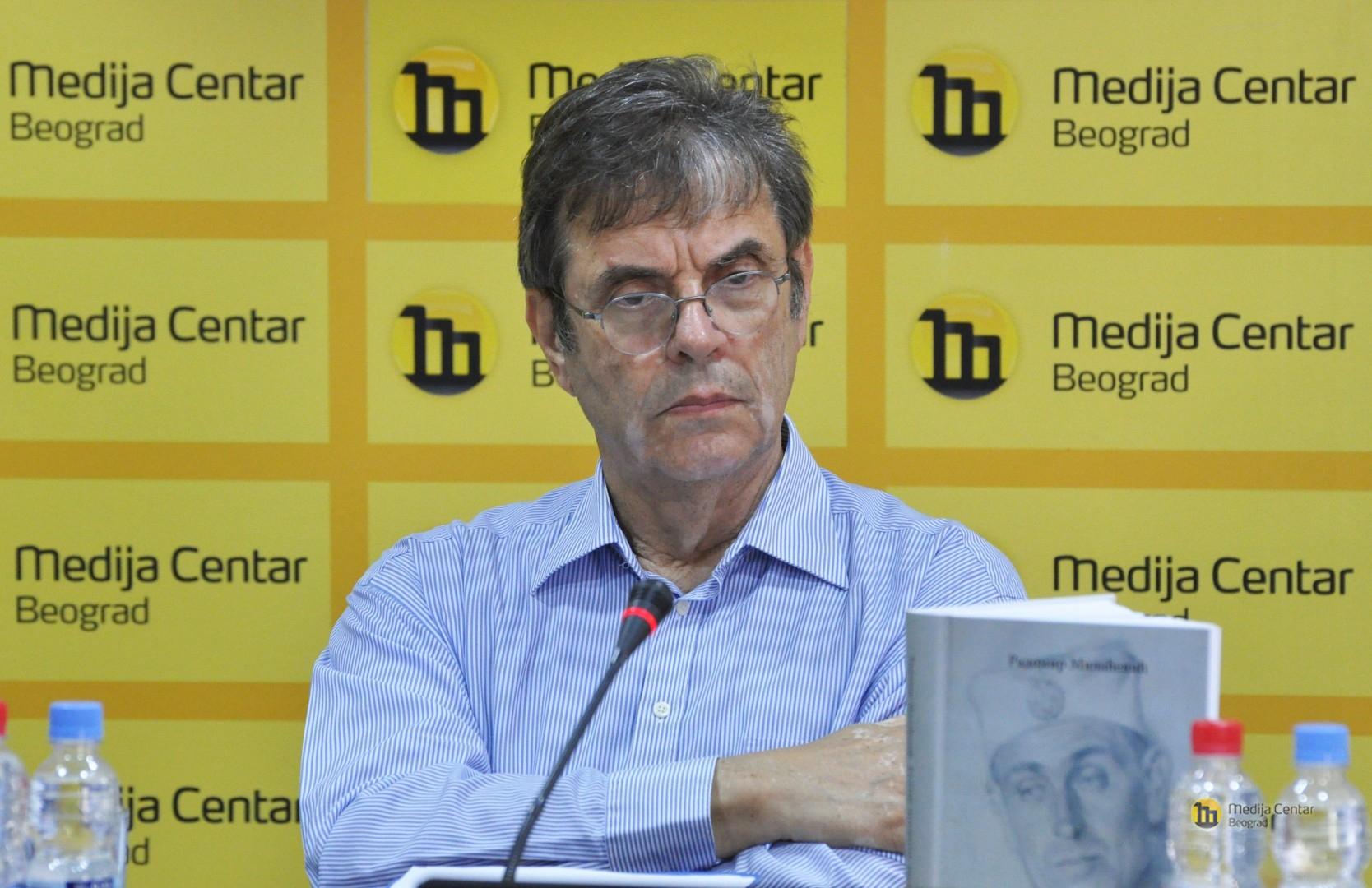
Vojislav Koštunica
 Serbia
Also known as: Dr Vojislav Kostunica, Vojisllav Koshtunica
Birthday
March 24, 1944
Birth Sign
Aries
Birthplace
Belgrade, Kingdom of Yugoslavia
Age
82 years old
Height
5 ft 11 in (180 cm)
About
Vojislav Koštunica is a Serbian former politician, jurist, and pedagogue who served as the last president of the Federal Republic of Yugoslavia from 2000 to 2003 and as the prime minister of Serbia from 2004 to 2008. He is best known for leading the opposition that ousted Slobodan Milošević in the 2000 election, a turning point that ended international sanctions and set Serbia on a path toward democratic reform. A constitutional law scholar by training, Koštunica brought an intellectual, legalistic approach to politics, earning a reputation as a principled, if stubborn, defender of Serbian sovereignty.
Though never a charismatic populist, Koštunica's steady, unassuming style won him respect across the political spectrum. His tenure was marked by a firm refusal to cooperate with the International Criminal Tribunal for the former Yugoslavia (ICTY), a stance that strained relations with the West but resonated with many Serbs. After leaving office in 2008, he remained an influential conservative voice until his party's electoral decline, and he stepped down as leader of the Democratic Party of Serbia in 2014. As of 2026, he is retired from active politics, with his legacy debated among historians and political observers.
Early Life & Background
Vojislav Koštunica was born on March 24, 1944, in Belgrade, then part of the Kingdom of Yugoslavia. His father, Dragoljub, was a teacher, and his mother, Milica, was a homemaker. Growing up during World War II and the early years of Tito's communist regime, Koštunica developed a deep interest in law and philosophy, shaped by his family's modest circumstances and the political turmoil around him.
He enrolled at the University of Belgrade Faculty of Law, graduating in 1967. He continued his studies, earning a master's degree in constitutional law in 1971 and a doctorate in 1975. His academic focus on human rights and the separation of powers put him at odds with the one-party system, but he remained a low-key scholar rather than a vocal dissident. He joined the faculty as a professor of constitutional law, a position he held while quietly building his opposition credentials.
Koštunica's entry into active politics came in the late 1980s as Yugoslavia began to fracture. In 1989, he co-founded the Democratic Party of Serbia (DSS), positioning himself as a moderate nationalist alternative to Milošević. He ran for president in 1992 and 1997, losing both times, but his consistent legalistic critique of the regime made him a symbol of principled resistance. By 2000, he had become the opposition's best hope, with his reputation for integrity and his refusal to compromise on the rule of law setting the stage for his historic breakthrough.
Career Growth
Koštunica's defining moment came in September 2000, when he led the Democratic Opposition of Serbia (DOS) coalition to a first-round victory over Slobodan Milošević in the Yugoslav presidential election. When Milošević refused to concede, massive protests forced him to step down, and Koštunica took office on October 7, 2000. The international community quickly lifted sanctions, and Koštunica set about reforming the federation, though he immediately clashed with the ICTY over cooperation, refusing to extradite Milošević.
His presidency ended in 2003 when his party withdrew from the DOS government after Milošević was extradited to The Hague, a move Koštunica opposed. Following the assassination of Prime Minister Zoran Đinđić and the dissolution of the DOS, Koštunica formed a minority government in March 2004, becoming Serbia's prime minister. His administration oversaw the adoption of Serbia's first independent constitution in 2006 and declared the country militarily neutral. However, his refusal to sign the Stabilisation and Association Agreement with the European Union, due to concerns over Kosovo's status, led to the collapse of his government in early 2008 after Kosovo's unilateral declaration of independence. He lost the subsequent parliamentary elections and left office in July 2008.
After his political career wound down, Koštunica remained active as a writer and commentator. He resigned as leader of the DSS in March 2014 following electoral defeats, and has since largely retreated from public life, though his influence on Serbian conservative thought persists.
Career Timeline
Public Image & Style
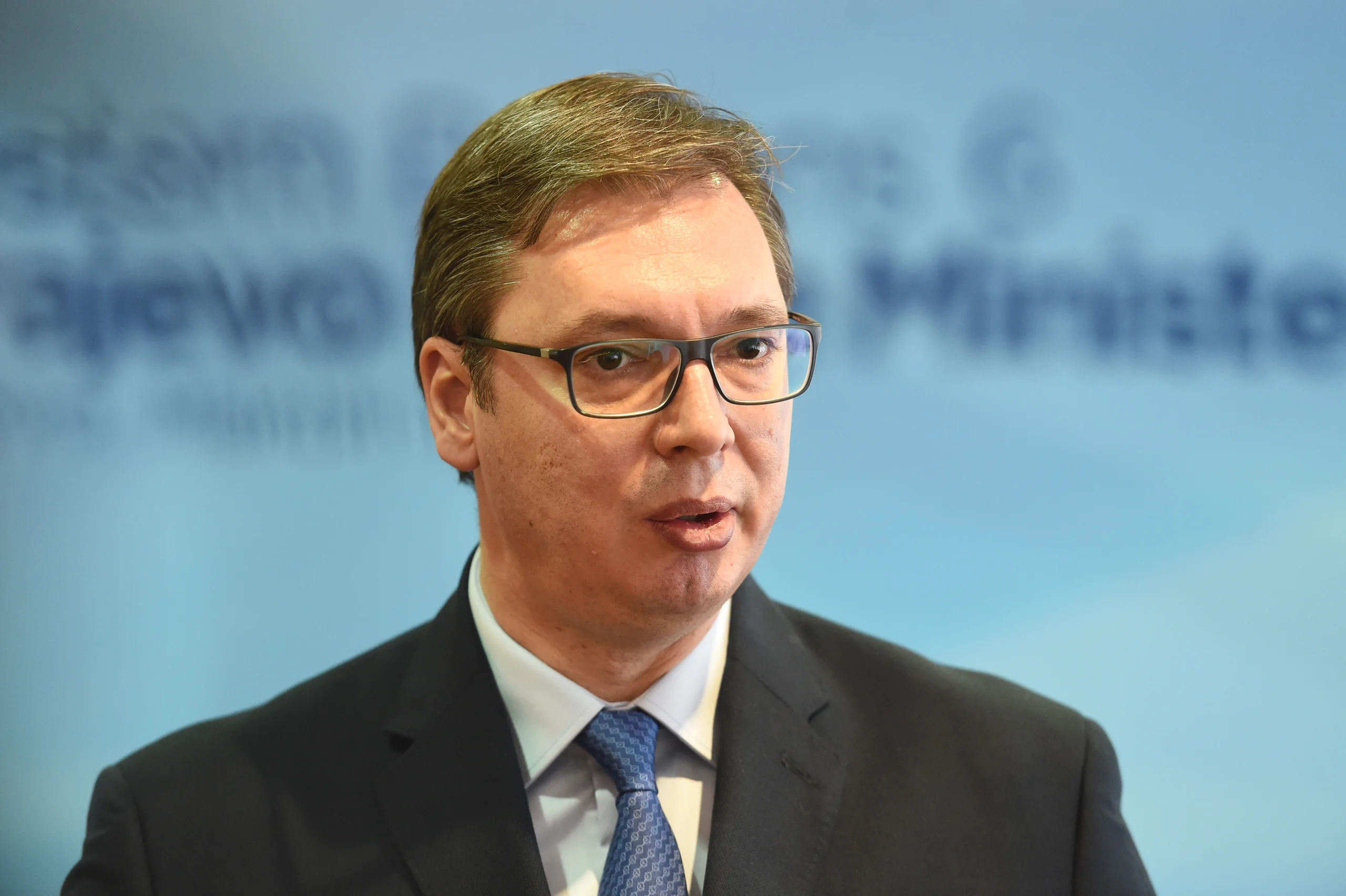
Vojislav Koštunica cultivated an image of intellectual rigor and moral consistency, a stark contrast to the bombastic style of many Balkan leaders. He was often photographed in conservative suits and glasses, looking more like a university professor than a politician. His nickname, 'the modest giant-killer,' coined by TIME in 2000, captured his unassuming demeanor and his role in toppling Milošević.
Fans and supporters appreciated his refusal to engage in personality politics; he rarely raised his voice and stuck to legal arguments. His public statements were measured, but his firm stance on Kosovo and the ICTY endeared him to nationalist conservatives, while his democratic credentials won him respect from moderates. Critics, however, saw him as rigid and obstructionist, particularly regarding EU integration. Despite this, his integrity was rarely questioned, and he remained a respected, if polarizing, figure in Serbian public life.
Fame & Fandom
Vojislav Koštunica stands as the 30th most famous person from Serbia, a position he has held steady through multiple cycles of global attention. This standing places him firmly within the iFANN Global Fame Rankings for his nation, reflecting a legacy that transcends the immediate political turbulence of the Balkans. His influence is measured not by viral moments or celebrity scandals, but by the enduring weight of his role in toppling Slobodan Milošević and steering Serbia toward democracy. While he lacks a formal fanbase with rituals or organized campaigns typical of pop culture icons, his supporters remain deeply loyal to his principles rather than his persona. The public's engagement with Koštunica manifests as a reverence for his intellectual rigor and moral consistency, viewing him less as an entertainer and more as a guardian of sovereignty. There is no documented name for any fan community; instead, his audience consists of voters and political adherents who appreciate his refusal to engage in personality politics. His story resonates across media coverage and consumption signals worldwide, cementing his status as a pivotal historical figure. Unlike modern celebrities who cultivate fandoms through social media interaction, Koštunica's connection to the public remains rooted in the tangible impact of his policies and his steadfast defense of Serbian interests on the world stage.
Interesting Facts and Legends
Koštunica was known for his scholarly habits, often citing constitutional law precedents in political debates, which earned him the nickname 'the professor' among colleagues. He maintained a personal library of thousands of volumes dedicated to legal philosophy and avoided populist rhetoric throughout his career. Even during the heated 2000 campaign, he refused to use inflammatory language, preferring dry wit over emotional appeals. A lifelong smoker of a specific brand of Serbian cigarettes, he reportedly ignored health warnings, joking in a 2001 interview that his only vices were 'good tobacco and strong coffee.' He was also a devoted fan of classical music, particularly Beethoven, and frequently attended concerts in Belgrade. When asked about his unassuming style, he once quipped, 'I am not a showman, I am a lawyer.' Historical lore surrounds his election in October 2000, where mass protests forced Milošević to concede, marking the end of international sanctions. Another defining moment occurred in February 2008 when his refusal to recognize Kosovo's independence led to the collapse of his government, a stance that cost him significant political capital but solidified his image as an uncompromising defender of national unity.
Notable Quotes
“I am not a politician in the traditional sense; I am a lawyer who entered politics.”
“Serbia must remain a sovereign state, and we will not compromise on our territorial integrity.”
“Democracy is not just about elections; it is about the rule of law and respect for human rights.”
Family & Personal Life
Vojislav Koštunica married Ljiljana Koštunica in the late 1960s, after the couple met during their university years in Belgrade. Ljiljana, a trained economist, largely stayed out of the public eye, preferring a quiet family life away from the political spotlight. The couple had children, but their names and number have remained private, a deliberate choice to shield them from media attention.
Koštunica's parents, Dragoljub and Milica, were teachers and homemakers, respectively, and his upbringing was modest. He has spoken fondly of his father's influence, noting that his early lessons in fairness and integrity shaped his legal philosophy. The family lived in a modest apartment in Belgrade throughout his career, and Koštunica was known for his frugal lifestyle, often taking the tram to work even while president. His family remained supportive through his political ups and downs, and Ljiljana was a constant presence at his side during public events, though she never gave interviews.
Notable Connections
Koštunica was closely associated with the Democratic Party of Serbia (DSS), which he co-founded and led for decades. He worked alongside other opposition figures in the DOS coalition, most notably Zoran Đinđić, though their relationship was often strained. Internationally, he dealt with leaders such as Bill Clinton and Vladimir Putin, and his stance on Kosovo put him at odds with many Western officials. He was also a mentor to several younger politicians, including Aleksandar Vučić, who later became Serbia's president.
Relationships & Dating History
Vojislav Koštunica's personal life was remarkably quiet, with no public scandals or high-profile romances. He married Ljiljana Koštunica in the late 1960s, and the couple remained together throughout his entire career. They met as university students in Belgrade, and Ljiljana, a trained economist, chose to stay out of the political spotlight, rarely appearing at public events.
The marriage was stable and supportive, with Ljiljana providing a private counterbalance to the pressures of public life. They had children, though details about them are kept private. There were no reported affairs or separations, and the couple was known for their unpretentious lifestyle. As of 2026, Koštunica is still married to Ljiljana, and they continue to live quietly in Belgrade.
- MarriedLjiljana Koštunica1968 - presentCurrentMet as university students in Belgrade; married in the late 1960s and remained together throughout his career.
Salary, Net Worth In 2026
$2 Million
iFANN Editorial Team estimate
Per iFANN's editorial analysis, Vojislav Koštunica's net worth is estimated at $2 Million as of 2026. His wealth stems primarily from his long academic career as a professor of constitutional law, his salaries as president and prime minister, and royalties from his published works on legal and political theory. Unlike many politicians, Koštunica did not engage in business ventures or accept lucrative board positions after leaving office. He lived modestly, in the same Belgrade apartment he occupied for decades, and was known to drive an old car. His financial situation reflects his principled avoidance of personal enrichment through politics, a rarity in the region. There are no major posthumous revenue streams, as his estate consists mainly of personal property and savings. His intellectual legacy, including his books and essays, continues to be cited in Serbian legal and political discourse, though it generates little income. Overall, his net worth is modest compared to other former heads of state, consistent with his reputation for austerity.
Awards Won (3)
Koštunica received several honors recognizing his contribution to democracy and law, though he was often critical of international institutions. He was awarded the Order of Karađorđe's Star, one of Serbia's highest honors, for his role in the democratic transition. He also received honorary doctorates from the University of Zagreb and the University of Niš, acknowledging his scholarly work and political achievements. His legacy is also marked by his induction into various Serbian political halls of fame, celebrating his role in ending Milošević's rule.
2001 · National Honor
For role in democratic transition
2002 · Honorary Degree
For contributions to constitutional law
Known For
President of FR Yugoslavia
2000-2003 · President
Prime Minister of Serbia
2004-2008 · Prime Minister
Democratic Party of Serbia (DSS)
1989-2014 · Co-founder and Leader
Keywords
Sources
Quick Facts
- Profession
- politician, jurist, pedagogue
- Born
- March 24, 1944
- Birthplace
- Belgrade, Kingdom of Yugoslavia
- Gender
- Male
- Birth Sign
- Aries
- Height
- 5 ft 11 in (180 cm)
- Spouse
- Ljiljana Koštunica
- Education
- University of Belgrade Faculty of Law (LL.B., 1967; M.A., 1971; Ph.D., 1975)
Personal Details
- Full Name
- Vojislav Koštunica
- Height
- 5 ft 11 in (180 cm)
- Spouse
- Ljiljana Koštunica
- Education
- University of Belgrade Faculty of Law (LL.B., 1967; M.A., 1971; Ph.D., 1975)
Frequently Asked Questions
Who was Vojislav Koštunica?
How old is Vojislav Koštunica?
What is Vojislav Koštunica's net worth in 2026?
Why did Vojislav Koštunica resign as Prime Minister?
Is Vojislav Koštunica still alive in 2026?
Join the community
fans discussing