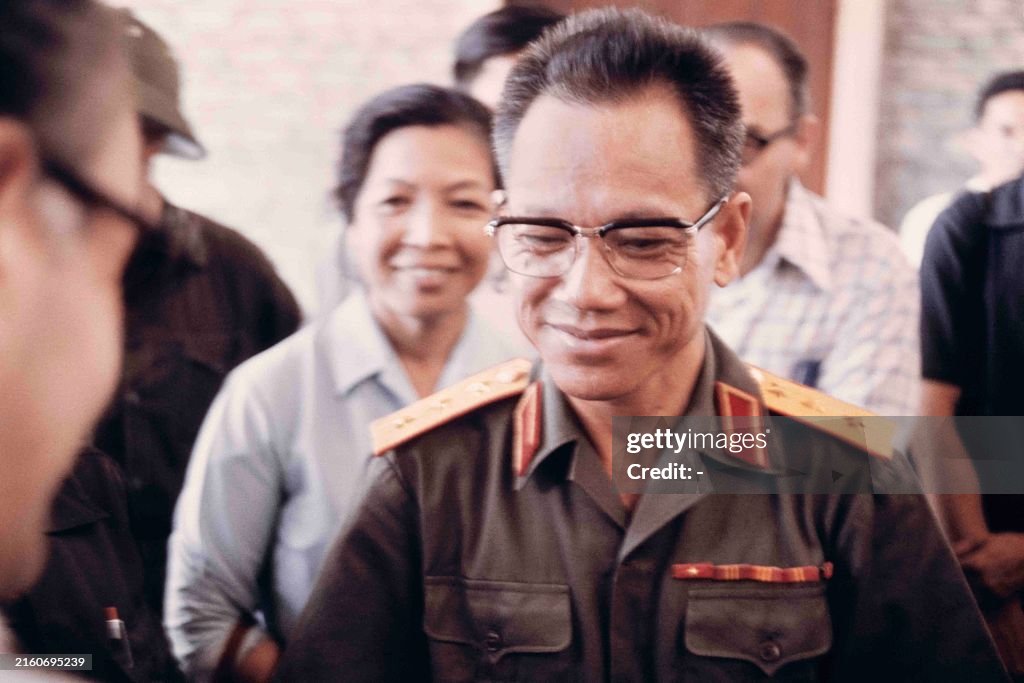
Trần Văn Trà
 Vietnam
military personnel•politician•military commander
Also known as: Nguyễn Chấn, Tư Chi
Birthday
September 15, 1919
Birth Sign
Virgo
Birthplace
Quảng Ngãi Province, Vietnam
Age
Died at 76
About
Trần Văn Trà was a colonel-general in the People's Army of Vietnam and one of the key military strategists of the Vietnam War. Born Nguyễn Chấn on 15 September 1919 in Quảng Ngãi Province, he commanded the B2 Front from 1963 to 1967 and served as deputy commander of the Liberation Army of South Vietnam from 1968 to 1972. He is best remembered for leading the communist forces that captured Saigon on 30 April 1975, effectively ending the war.
Beyond his battlefield role, Trà held significant political positions, including two terms on the Central Committee of the Workers' Party of Vietnam from 1960 to 1982. After the fall of Saigon, he served as the second chairman of the military administration in the former South Vietnamese capital. He died on 20 April 1996 in Ho Chi Minh City at the age of 76, leaving behind a legacy as a decisive figure in Vietnamese history.
Early Life & Background
Born into a period of French colonial rule, Trần Văn Trà grew up in southern Vietnam, where he became involved in anti-colonial resistance from an early age. His first taste of combat came on 23 September 1945 at the Battle of Cầu Bông, a clash that marked the beginning of the anti-French resistance in the South following the August Revolution. This engagement set the tone for his long military career.
In the years that followed, Trà joined the Viet Minh and rose through the ranks, gaining experience in both guerrilla warfare and conventional operations against the French. His early command roles prepared him for the larger conflict that would erupt in the 1960s, as he developed a reputation for strategic thinking and battlefield leadership that would define his later prominence in the Vietnam War.
Career Growth
Trần Văn Trà's career reached its peak during the Vietnam War. From 1963 to 1967, he commanded the B2 Front, the communist military structure overseeing operations in South Vietnam. He then served as deputy commander of the Liberation Army of South Vietnam from 1968 to 1972, coordinating major offensives during the war's most intense period. Western historians often described him as North Vietnam's counterpart to General William Westmoreland.
His most celebrated achievement came in 1975, when he commanded the forces of the Ho Chi Minh Campaign that seized Saigon on 30 April. After the city fell, Trà held an international press conference to announce the restoration of peace, and he later served as the second chairman of the Saigon military administration. His political career included two terms on the Central Committee of the Workers' Party of Vietnam from 1960 to 1982.
Career Timeline
Public Image & Style
In Vietnam, Trần Văn Trà is honoured as a national hero who played a decisive role in the liberation of Saigon. His name adorns streets and his career is celebrated in state media and historical publications. In Western historiography, he is recognized as the senior field commander of North Vietnamese and Viet Cong forces in the South, often compared to his American counterpart, General William Westmoreland. His legacy is that of a strategic military mind and a dedicated revolutionary, remembered for his role in one of the 20th century's most significant conflicts.
Fame & Fandom (iFAMOUS Rankings)
The reverence surrounding Trần Văn Trà exists not in the chaotic energy of modern pop culture but in the solemn, state-sanctioned continuity of national memory. His audience is composed of historians, veterans, and a public that treats his life as foundational to their identity rather than as entertainment. There is no organized fan club with a specific name or grassroots campaigns; instead, his legacy is preserved through official commemorations, educational curricula, and the quiet dedication of families maintaining archives. This distinction sets him apart from living celebrities whose fame fluctuates with trends; Trà's stature remains steady because it is rooted in the historical necessity of his actions during the Vietnam War. The cultural mythology built around him focuses on his strategic brilliance and his famous maxim about duty preceding self-interest, themes that resonate deeply within Vietnamese society rather than generating viral moments abroad. While he lacks the transient buzz of internet fandoms, his influence permeates the nation's physical landscape and intellectual discourse, ensuring his story is retold with precision rather than hype. This enduring presence has been quantified by global metrics that track attention across media coverage, search behavior, and consumption signals worldwide. According to the August 2026 data, he holds significant standing among figures from his homeland. Trần Văn Trà is the 79th most famous person from Vietnam, a position holding steady from the previous cycle within the iFANN Global Fame Rankings.
Interesting Facts and Legends
Born Nguyễn Chấn, this legendary commander operated under several aliases throughout his long career, including "Tư Chi" and the more commonly cited "Ba Trà." His military journey began with a decisive engagement at Cầu Bông on 23 September 1945, an event widely regarded as the spark that ignited the anti-French resistance in southern Vietnam. Even after the war concluded, his voice remained powerful; upon the fall of Saigon, he publicly declared the restoration of peace following what he described as "more than 117 years" of colonial and foreign occupation. Beyond the battlefield, Trà was a noted scholar who penned writings analyzing the conflict, contributing a rare intellectual perspective to the revolutionary narrative. Today, his memory is physically woven into the fabric of Vietnam, with a street in Cần Thơ bearing his name. While some might look for folkloric legends or viral moments akin to pop culture icons, Trà's lore is grounded in the sober reality of his unfinished memoirs, which remain a primary source for those studying his life and the broader struggle for national liberation. Recent publications have further highlighted his strategic acumen and his famous quote emphasizing that duty must always come before self-interest: "Làm nhiệm vụ, trước hết phải vì Dân," cementing his moral legacy for new generations.
Notable Quotes
“After more than 117 years, peace has been restored.”
“We have won, but the war was a tragedy for all.”
Family & Personal Life
Details about Trần Văn Trà's family life remain sparse in public records. He was born in Quảng Ngãi Province but raised in southern Vietnam, where he began his political and military activities. His birth name, Nguyễn Chấn, and alias "Tư Chi" are documented, but information about his parents, spouse, or children is not widely available. As a senior military figure in a communist state, his personal life was kept private, and no specific family details have been published in accessible sources.
Notable Connections
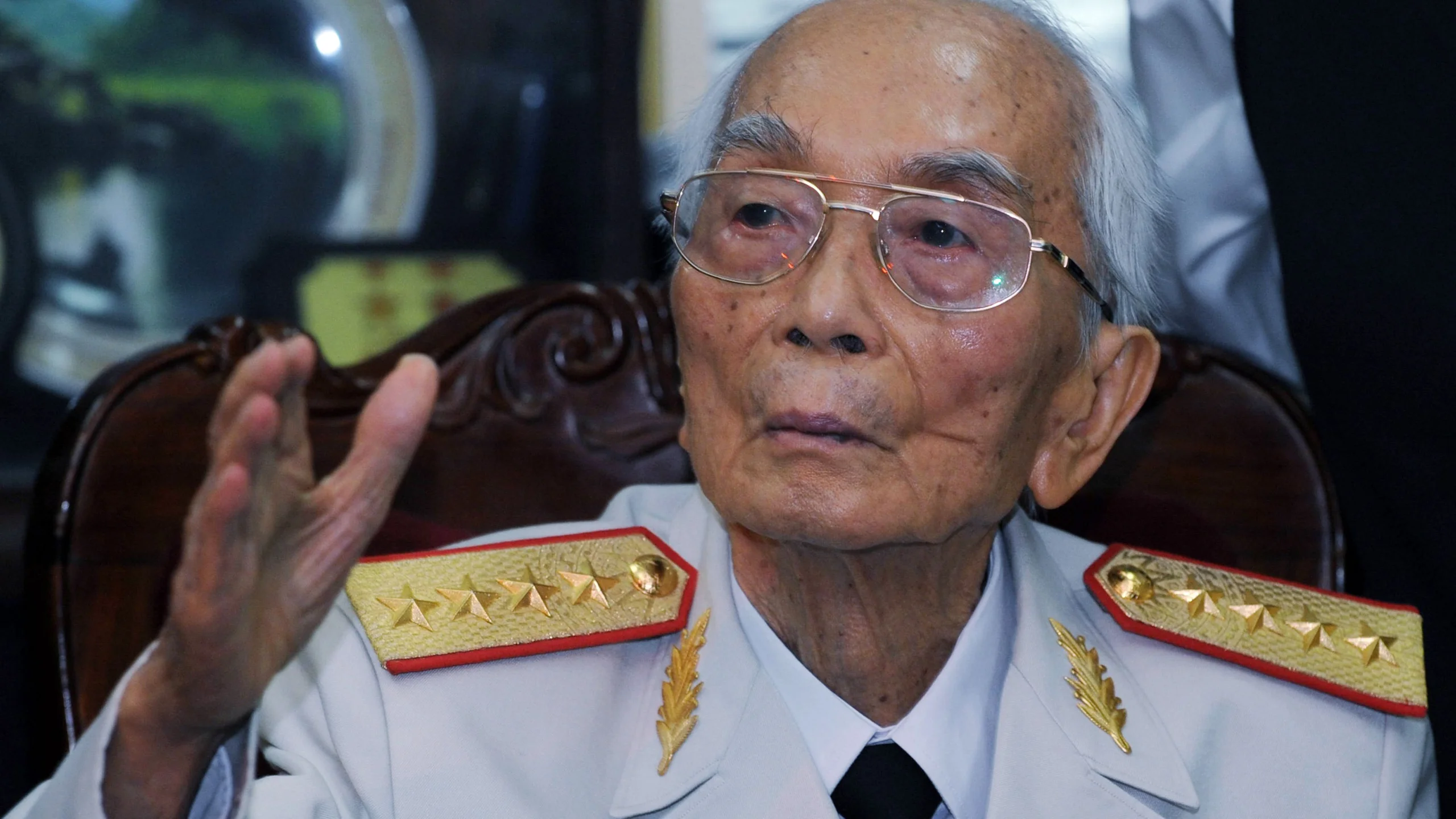
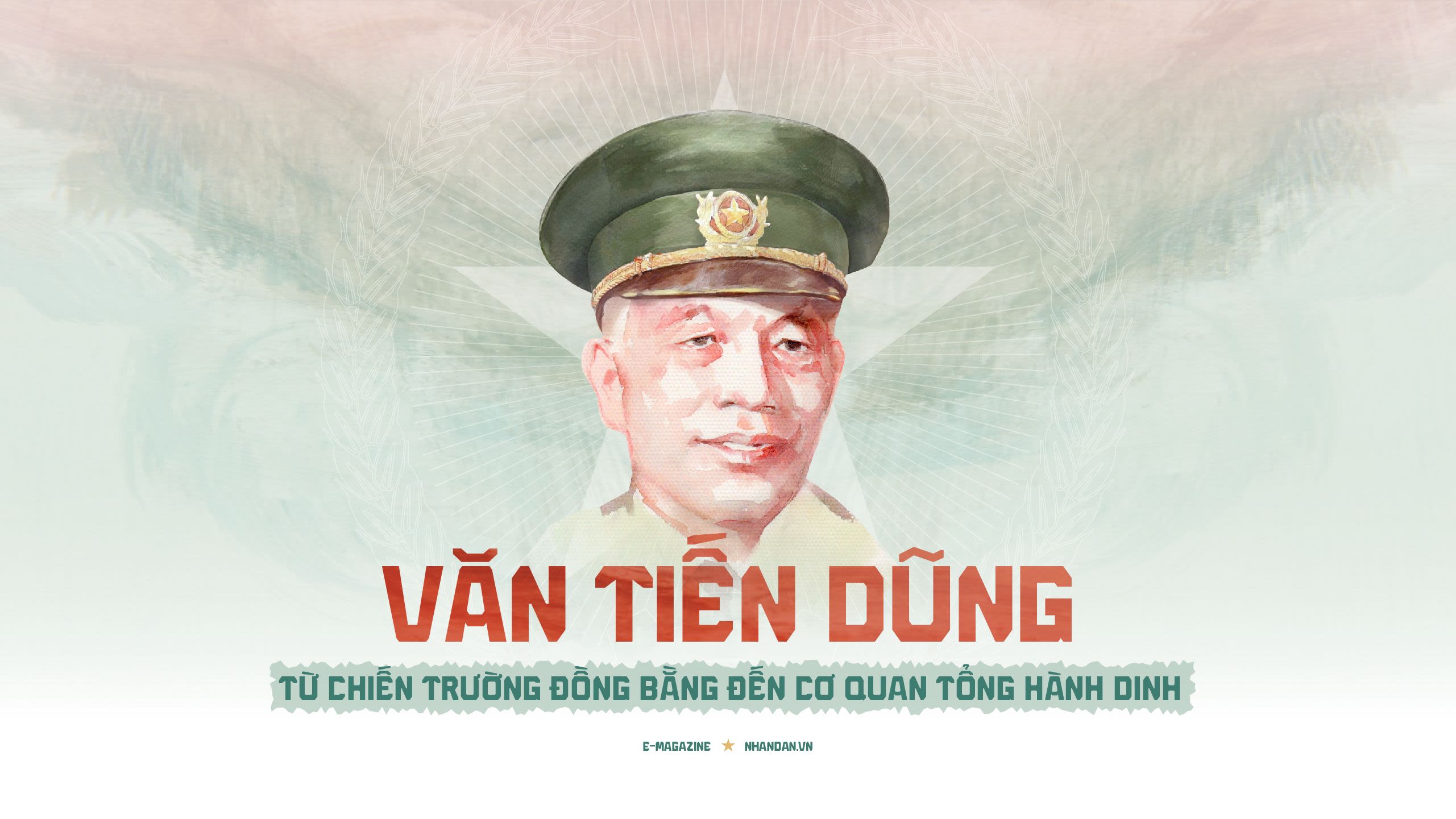
Trần Văn Trà worked alongside General Văn Tiến Dũng, a fellow senior commander in the Ho Chi Minh Campaign that captured Saigon in 1975. On the opposing side, he was often compared to General William Westmoreland, the American commander in Vietnam. These figures represent the key military leaders of the conflict's final years.
Relationships & Dating History
Public records do not document Trần Văn Trà's romantic relationships or marriage. As a senior military leader in a communist state, his personal life was largely kept out of the public eye. He was married and had descendants, but specific names and dates are not available in accessible sources. At the time of his death on 20 April 1996, his marital status was not publicly reported.
Death & Aftermath
Died
April 20, 1996 (aged 76)
Death Place
Ho Chi Minh City, Vietnam
Cause of Death
Unknown
The passing of Colonel-General Trần Văn Trà drew tributes from Vietnamese state institutions and peers, cementing his status as a key commander during the Vietnam War and the liberation of Saigon. His legacy is frequently honored in historical documentaries such as Thượng tướng Trần Văn Trà and segments on Câu chuyện thời hoa lửa, which highlight his pivotal role as the commander responsible for freeing the city. While specific details regarding fan vigils or memorial murals remain unrecorded, official state media outlets like Nhân Dân and the Ho Chi Minh Communist Youth Union website published articles commemorating his life and military contributions. Trần Văn Trà died on April 20, 1996, in Ho Chi Minh City at the age of seventy-six. Born Nguyễn Chấn in Tịnh Long commune, Sơn Tịnh district, Quảng Ngãi province, he had spent decades shaping the nation's history before his final days.
The available records do not specify an official cause of death, nor do they contain details regarding hospital statements, family confirmations, or coroner rulings. As a Colonel-General and prominent figure in the Socialist Republic of Vietnam, it is consistent with protocol that he received a state funeral in Ho Chi Minh City, though specific attendees or burial arrangements were not detailed in the primary accounts. Posthumously, his memoirs remain a significant subject of historical interest, with accounts noting a story being suppressed or halted from publication for forty years before its narrative was revisited. This ongoing engagement with his written legacy suggests a continued reverence for his strategic insights and personal reflections.
Net Worth (Estate Value)
As a military officer in the People's Army of Vietnam, Trần Văn Trà did not accumulate personal wealth comparable to contemporary public figures. He was a state employee, and his income would have come from his military salary and government benefits. No net worth estimates exist for him, and his estate has not been publicly reported. The Vietnamese state provides for the families of deceased senior officials, but specific financial details remain private.
Awards & Accolades
View 3 records, honours and achievementsKnown For
Commander of the B2 Front
1963-1967 · Commander
Deputy Commander of the Liberation Army of South Vietnam
1968-1972 · Deputy Commander
Ho Chi Minh Campaign
1975 · Commander
Keywords
Sources
Quick Facts
- Profession
- military personnel, politician, military commander
- Born
- +1919-09-15
- Birthplace
- Quảng Ngãi Province, Vietnam
- Died
- +1996-04-20
- Death Place
- Ho Chi Minh City, Vietnam
- Gender
- Male
- Birth Sign
- Virgo
Personal Details
- Full Name
- Nguyễn Chấn
Frequently Asked Questions
Who was Trần Văn Trà?
What role did Trần Văn Trà play in the Vietnam War?
When did Trần Văn Trà die?
What was Trần Văn Trà's real name?
Where is Trần Văn Trà from?
Similar People
Join the community
fans discussing