
Trần Trọng Kim
 Vietnam
historian•politician•pedagogue
Also known as: Tran Trong Kim, Lệ Thần
Birthday
January 1, 1883
Birth Sign
Capricorn
Birthplace
Nghi Xuân, Hà Tĩnh Province, Vietnam
Age
Died at 70
About
Trần Trọng Kim was a distinguished Vietnamese historian, educator, and politician who served as the first Prime Minister of the short-lived Empire of Vietnam in 1945. Born in 1883 in Nghi Xuân district, he dedicated his life to scholarship and the development of the Vietnamese education system before entering the political arena during World War II. His legacy is defined by his foundational historical works, particularly Viet Nam Su Luoc, which remains a cornerstone of national historiography.
Kim passed away on December 2, 1953, in Đà Lạt at the age of 70. While his brief tenure as Prime Minister remains a subject of historical debate regarding collaboration versus sovereignty, his contributions to Vietnamese literature and education are universally respected. He died under French colonial administration, leaving behind a body of work that continues to shape how Vietnam understands its past.
Early Life & Background
Trần Trọng Kim entered the world on January 1, 1883, in the quiet district of Nghi Xuân within Hà Tĩnh Province. He emerged from a family with deep scholarly roots, a background that heavily influenced his early trajectory. Unlike many contemporaries who pursued purely traditional paths or fully embraced Western models, Kim navigated both worlds with remarkable fluency. He received a rigorous Confucian education alongside modern Western studies, a dual foundation that would define his intellectual career.
His academic prowess became evident when he attended the École Coloniale in Hanoi. There, he excelled not only in Vietnamese classics but also in French language and literature, mastering the tools of both the colonizer and the colonized. Before stepping into the high-stakes realm of politics, Kim spent decades as a teacher and administrator within the French colonial education system. He rose through the ranks to become the Chief Inspector of Studies in Hanoi, a position he held until his retirement in 1942. During these years, he adopted the pen name "Lệ Thần" (Weeping Subject) for some of his literary works, signaling a deep emotional connection to his cultural heritage.
His pre-fame years were marked by a singular focus on history, linguistics, and philosophy. He authored significant texts that aimed to present Vietnamese history through a nationalistic lens rather than a purely colonial one. This period of scholarship laid the groundwork for his later political ambitions, as he sought to preserve Vietnamese identity amidst foreign occupation. By the time he retired from the education ministry, he was already recognized as one of the nation's foremost intellectuals.
Career Growth
The most defining chapter of Trần Trọng Kim's public life began in April 1945, following Japan's coup against French forces in Indochina. Seeking to legitimize their control, Japanese authorities established the nominally independent Empire of Vietnam. On April 17, Emperor Bảo Đại appointed Kim as the first Prime Minister of this new state. This government lasted only four months, collapsing in August 1945 after Japan's surrender and the subsequent rise of the Viet Minh during the August Revolution.
Kim formed a cabinet composed almost entirely of scholars and intellectuals, a unique configuration in Vietnamese history. His primary goal was to maintain administrative continuity and foster national unity while navigating the complex geopolitical landscape of the war's end. Although the regime lacked real military or economic power, remaining subordinate to Japanese interests, Kim worked tirelessly to assert Vietnamese sovereignty. The government dissolved as Allied forces moved in and the Viet Minh seized control of the country.
After stepping down, Kim retreated from active political involvement in the ensuing conflict between the Viet Minh and the French. He settled in Đà Lạt, where he focused on writing and teaching until his death. Despite the brevity of his political tenure, his earlier work as an author of Viet Nam Su Luoc and his annotated translation of the epic poem Truyen Kieu cemented his status as a pivotal figure in Vietnamese culture. His efforts to standardize the use of Quốc ngữ (Vietnamese alphabet) over Chinese characters in education also left a lasting impact on the nation's literacy and cultural identity.
Career Timeline
Public Image & Style
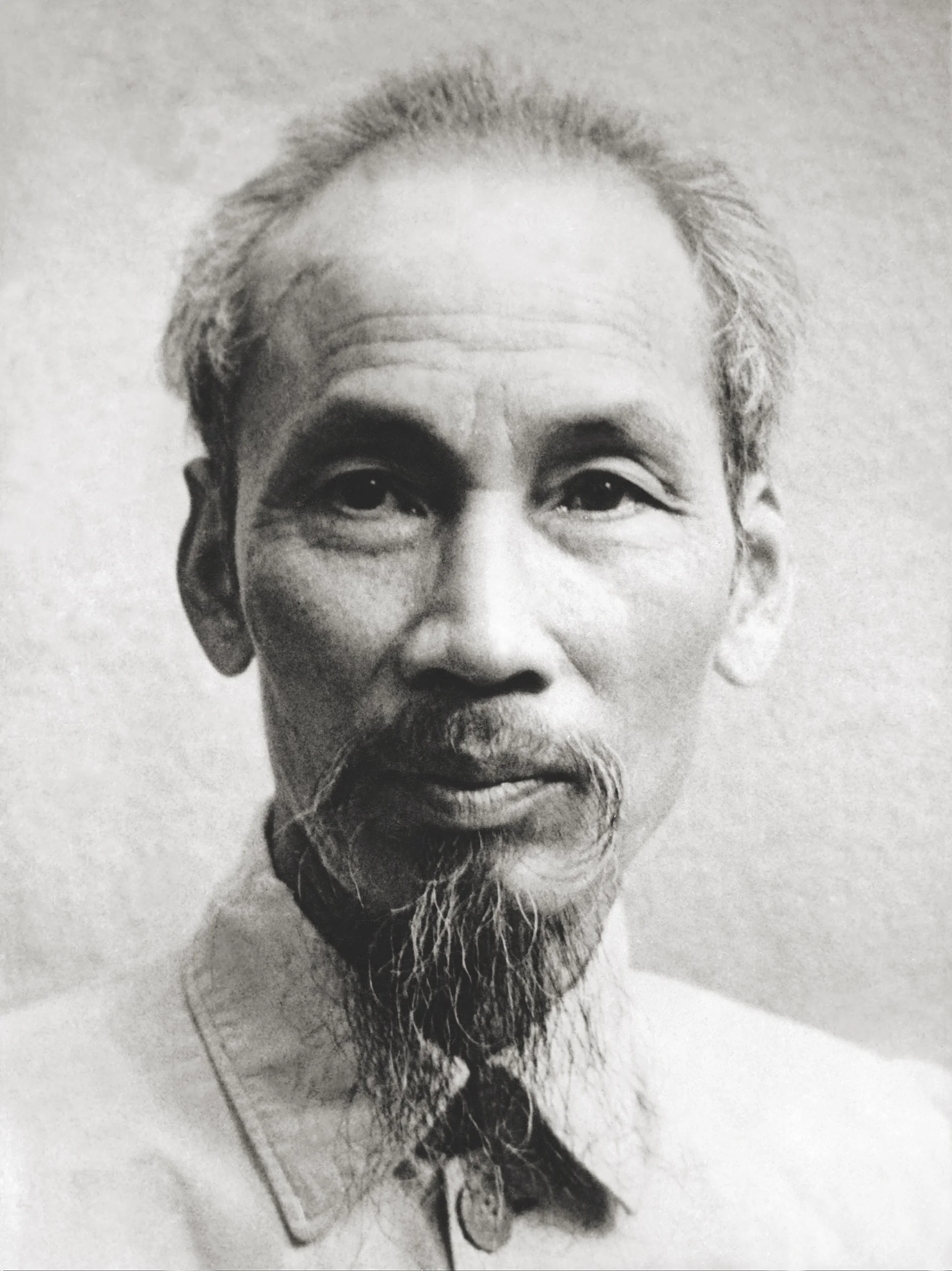
Trần Trọng Kim is portrayed as a dignified, intellectual figure, a true "scholar-statesman." Media and historical accounts emphasize his integrity, his deep knowledge of Vietnamese culture, and his tragic position trying to navigate a nation caught between empires. He is not associated with a signature fashion style or aesthetic beyond the formal attire typical of a 1940s statesman. His public persona was defined by seriousness and a commitment to national education rather than celebrity charm.
Fame & Fandom (iFAMOUS Rankings)
Trần Trọng Kim does not hold a current placement in the iFANN Global Fame Rankings, as the engine has evaluated him but found no published ranking data for October 2026. He is not featured on the September 2026 iFAMOUS Rankings flagship list. His fame is rooted in history and academia rather than contemporary pop culture metrics. He possesses no formal fanbase with a specific name or organized campaigns typical of modern celebrities.
Instead, his audience consists of students, historians, and citizens of Vietnam who study his works. His legacy is intellectual, centered on his seminal book Viet Nam Su Luoc and his brief tenure in government during 1945. The narrative surrounding him focuses on his attempt to preserve sovereignty amidst occupation, a story often retold in academic circles. Unlike modern figures who might have viral moments or merchandise drives, Kim's influence remains confined to the realms of study and historical memory.
Interesting Facts and Legends
Trần Trọng Kim wrote under the pseudonym "Lệ Thần," which translates to "Weeping Subject," reflecting his deep emotional investment in his nation's struggles. His cabinet in 1945 stands out in history for being composed almost entirely of scholars and intellectuals rather than military men or career politicians. He played a key role in promoting the use of Quốc ngữ, the modern Vietnamese alphabet, replacing Chinese characters in the educational curriculum.
Historians often debate the nature of his four-month government. While post-1954 narratives in North Vietnam frequently labeled it a puppet regime collaborating with Japan, modern scholars increasingly view his actions as a desperate attempt to preserve Vietnamese dignity and sovereignty amidst foreign occupation. His work Viet Nam Su Luoc remains a required text in many Vietnamese schools, ensuring his voice continues to be heard by new generations.
Notable Quotes
“History is the mirror of the past that guides the future.”
“Understanding our own history is essential to building a strong nation.”
Family & Personal Life
Trần Trọng Kim was a private individual whose personal life remained largely out of the public eye, consistent with the cultural norms of his era. Historical sources confirm he was married, though the full name of his wife is rarely cited in general biographical summaries. He had children, but specific names and details about them are not widely documented in public English-language sources. He is generally described as having been devoted to his family and his intellectual pursuits, balancing his domestic responsibilities with his demanding career as a scholar and statesman.
Notable Connections
Bảo Đại (Emperor of Vietnam), Nguyễn Du (Poet), Ho Chi Minh (Leader of Viet Minh).
Relationships & Dating History
Trần Trọng Kim was a private individual, and detailed records of his romantic life are scarce, consistent with the cultural norms of his era and the nature of his profession. Historical sources confirm he was married, but the full name of his wife is rarely cited in general biographical summaries. He had children, though specific names and details about them are not widely documented in public English-language sources. There are no recorded instances of high-profile dating, engagements, or divorces in the modern celebrity sense. As a man of the late 19th and mid-20th century, his personal life was kept out of the public eye. He is generally described as having been devoted to his family and his intellectual pursuits. He died in 1953, leaving his widow behind.
Death & Aftermath
Died
December 2, 1953 (aged 70)
Death Place
Đà Lạt, Vietnam
Cause of Death
Natural causes due to old age
Net Worth (Estate Value)
$0
iFANN Editorial Team estimate
As a state official and scholar in the early-to-mid 20th century, Trần Trọng Kim did not accumulate wealth in the manner of modern celebrities or business tycoons. His income consisted of salaries from his positions as a teacher, inspector, and Prime Minister. Given the economic conditions of colonial Vietnam and the brevity of his prime ministership, his financial standing was modest compared to the elite. Any assets he owned would have been liquidated or absorbed into the family estate long ago, with no ongoing commercial empire or royalties comparable to modern entertainment figures.
Awards & Accolades
View 1 records, honours and achievementsKnown For
Viet Nam Su Luoc
1920 · Author
Empire of Vietnam
1945 · Prime Minister
Truyen Kieu
1930s · Annotator
Keywords
Sources
Quick Facts
- Profession
- historian, politician, pedagogue
- Born
- January 1, 1883
- Birthplace
- Nghi Xuân, Hà Tĩnh Province
- Died
- December 2, 1953
- Death Place
- Đà Lạt, Vietnam
- Gender
- Male
- Birth Sign
- Capricorn
Personal Details
- Full Name
- Trần Trọng Kim
- Children
- Unknown
- Education
- École Coloniale, Hanoi
Frequently Asked Questions
Who was Trần Trọng Kim?
When did Trần Trọng Kim die?
Why is Trần Trọng Kim famous?
Was Trần Trọng Kim a collaborator?
Did Trần Trọng Kim have children?
Similar People

Join the community
fans discussing