
Nguyễn Du
 Vietnam
Also known as: Nguyễn Bá Ngọc, Nguyễn Du, Hàn Giang Cư Sĩ
Birthday
January 3, 1765
Birth Sign
Capricorn
Birthplace
Tiên Điền, Nghi Xuân, Hà Tĩnh, Vietnam
Age
Died at 55
About
Nguyễn Du (1765–1820) was a towering figure in Vietnamese literature and one of the most influential poets in Southeast Asian history. Widely revered as the "Father of Vietnamese Literature," he is best known for his epic poem Truyện Kiều (The Tale of Kiều), a masterpiece that redefined the Vietnamese language and literary tradition. His life spanned a period of immense political turmoil in Vietnam, transitioning from the declining Lê dynasty to the rise of the Tây Sơn rebellion and the establishment of the Nguyễn dynasty.
Unlike modern celebrities, Nguyễn Du did not have a romantic dating history, children, or a net worth in the contemporary sense; his legacy is entirely intellectual and cultural. He possessed a rare command of both classical Chinese and the Vietnamese Nôm script, which he used to create a diverse body of work. His writings explored various poetic styles, from adaptations of Chinese verse to traditional Vietnamese forms like song thất lục bát and lục bát. He passed away in 1820 at the age of 55.
Early Life & Background
Born on January 3, 1765, into a prominent aristocratic family in Tiên Điền village, Nguyễn Du's early years were defined by privilege and instability. His father, Nguyễn Nghiễm, served as a Grand Secretary under the Lê dynasty, and his mother, Trần Thị Tần, came from a wealthy merchant background. This elite upbringing provided him with an education steeped in classical Chinese literature and Confucian philosophy. However, his childhood was shattered when he was only ten years old. In 1775, his father died, followed shortly by the death of his mother in 1782.
Orphaned at a young age, Nguyễn Du was left without financial support or protection. This period forced him to wander the countryside for nearly a decade, living among commoners and beggars. This "decade of wandering" is considered a pivotal moment in his development, transforming the sheltered nobleman into a man who deeply understood the suffering of the lower classes. It was during this time that he honed his observational skills and developed the empathy that would later permeate his poetry. He eventually returned to public service, passing the imperial examinations and entering the bureaucratic system, but his heart remained with the people he had lived alongside.
Career Growth
Nguyễn Du's career as a scholar-official was interrupted by the violent upheavals of the Tây Sơn wars. He initially served the Trịnh lords before the Tây Sơn uprising toppled their regime. Following the fall of the Tây Sơn, he entered the service of the new Nguyễn dynasty under Emperor Gia Long. His official career included serving as a diplomat to China and holding high-ranking positions such as Governor of Quảng Bình. However, his true breakthrough and enduring success lay in his literary output.
His magnum opus, Truyện Kiều (The Tale of Kiều), written around 1805, is universally recognized as the pinnacle of Vietnamese literature. The poem, which tells the tragic story of a virtuous woman named Thúy Kiều, utilized the lục bát verse form to create a narrative that was both accessible to the common people and sophisticated enough for scholars. The work revolutionized Vietnamese poetry, elevating the vernacular Nôm script to a level previously reserved for classical Chinese. Its impact was immediate and profound; it became a staple in Vietnamese households and is still studied in schools today.
Career Timeline
Public Image & Style
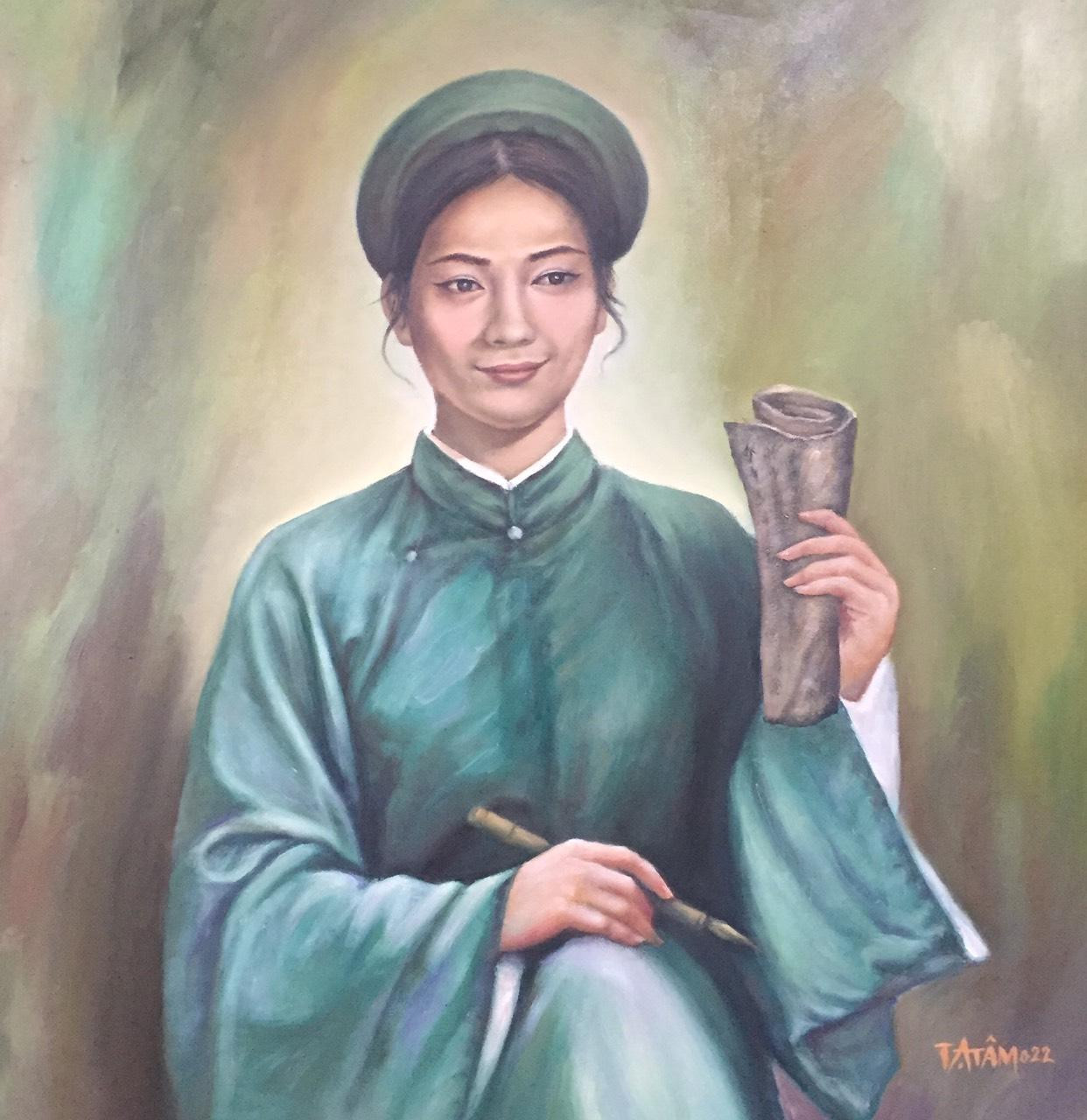
Nguyễn Du is portrayed as a solemn, wise, and compassionate figure. The media and educational systems depict him as the "Father of Vietnamese Literature," a symbol of national identity and cultural resilience. His image is one of dignity and introspection, often associated with the moon and nature. Descriptions from the era focus on his demeanor, often described as melancholic, humble, and deeply contemplative, rather than his physical appearance.
Fame & Fandom (iFAMOUS Rankings)
Nguyễn Du stands as the 8th most famous person in Vietnam, a position he has held steady since the previous cycle. This stature places him firmly among the nation's most recognized historical figures, bridging centuries of literary influence with modern cultural memory. His reach extends beyond borders, ranking as the 89th most famous person in Southeast Asia. These placements reflect a legacy that transcends his era, cementing his status through enduring global attention across media coverage, search trends, and consumption signals worldwide. The iFANN Global Fame Rankings capture this sustained prominence, noting his consistent standing without fluctuation.
Unlike modern pop idols who command organized fanbases with specific names or ritualistic behaviors, Nguyễn Du’s audience operates through academic reverence and state-sponsored cultural preservation. There is no formal fandom name to claim; instead, his supporters are scholars, students, and citizens who engage with his work rather than his persona. No campaigns, streaming projects, or birthday rallies exist for the poet who died in 1820. His interaction remains one-way, flowing solely through his masterpiece, Truyện Kiều. Recent discussions focus on deep literary analysis, such as the recurring image of the moon appearing 38 times within the text, rather than fan activism. Schools named after him serve as centers for this engagement, where new generations learn his verses under the guidance of government bodies rather than fan clubs.
Interesting Facts and Legends
Nguyễn Du spent a decade wandering the countryside as a child, an experience that transformed him from a sheltered nobleman into a man who deeply understood the suffering of the lower classes. This hardship is often cited as the primary source of his empathy for the poor and his unique poetic voice. Scholars have noted that the moon appears 38 times in Truyện Kiều, serving as a recurring symbol of beauty, transience, and fate. He possessed a rare command of both classical Chinese and the Vietnamese Nôm script, allowing him to bridge two literary traditions. While Truyện Kiều was adapted from the Chinese novel Jin Ping Mei, Du transformed it into a distinctly Vietnamese masterpiece using the lục bát verse form.
Notable Quotes
“Across his shoulder is a bag stuffed with wind and moonlight, which is what the world calls poetry.”
“She says: 'We are cursed...'" (From Truyện Kiều, reflecting the plight of women).”
Family & Personal Life
Nguyễn Du was married twice. His first wife was Lady Trương Thị Cúc, with whom he had a son named Nguyễn Khản. His second wife was Lady Nguyễn Thị Loan. He had several children, including a daughter named Nguyễn Thị Loan and sons who continued the family line. Despite his noble status, his personal life was often overshadowed by the political instability of the era and his long periods of travel and service. He was known for his humility and deep connection to nature and the human condition.
Notable Connections
Relationships & Dating History
As a historical figure who lived in the 18th and early 19th centuries, Nguyễn Du does not have a modern "dating history." There are no records of casual flings, engagements, or public relationships in the contemporary sense. His marital history consists of two formal marriages typical of the nobility of his time. His first marriage was to Lady Trương Thị Cúc in the late 18th century. They had children together, though specific details about their relationship dynamics are lost to history. After the death of his first wife, he married Lady Nguyễn Thị Loan. This union also occurred within the aristocracy. As Nguyễn Du passed away in 1820, he has been deceased for over two centuries. There is no current partner, and all relationships are historical facts.
- MarriedTrương Thị Cúc1780 - 1790First wife; had children together including son Nguyễn Khản.
- MarriedNguyễn Thị Loan1795 - 1820Second wife; married after the death of his first wife.
Death & Aftermath
Died
September 16, 1820 (aged 55)
Death Place
Huế, Vietnam
Cause of Death
Illness during official travel
Nguyễn Du died on September 16, 1820, in Huế while serving as the newly appointed Governor of Quảng Bình. He had fallen ill shortly after accepting the post and passed away before reaching his destination. Historical records indicate the cause was natural causes, likely a severe illness or age-related decline, though no specific disease was documented by modern medical standards at the time. His death marked the end of a life spent navigating the violent political shifts between the Lê, Tây Sơn, and Nguyễn dynasties.
The immediate reaction to his passing was one of profound sorrow among the imperial court and the scholarly community. Tributes poured in from peers who recognized him not just as an official but as the preeminent literary voice of his generation. His funeral followed the customs appropriate for a high-ranking mandarin, and he was laid to rest in his hometown of Tiên Điền, Hà Tĩnh Province. Over the centuries, his grave evolved into a site of pilgrimage where locals and scholars pay their respects annually.
Posthumous recognition has only grown stronger. In 1970, UNESCO declared him a World Cultural Celebrity, cementing his status on the global stage. This honor was reaffirmed in 2013 during the 37th General Conference in Paris. The bicentenary of his death in 2020 saw major state ceremonies across Vietnam and international symposiums dedicated to his work. Today, his legacy is managed by the Vietnamese Ministry of Culture, Sports and Tourism, with his intellectual property generating value through educational materials, adaptations, and tourism centered on his birthplace.
Net Worth (Estate Value)
$0
iFANN Editorial Team estimate
As a historical figure who died in 1820, Nguyễn Du has no personal net worth. The concept of wealth accumulation does not apply to him. However, his estate and intellectual property rights generate significant value through royalties and licensing. While the text of Truyện Kiều is in the public domain, commercial adaptations such as films, operas, stage plays, and educational materials featuring his work generate revenue managed by the Vietnamese state and publishing houses. Sites associated with him, such as his grave in Tiên Điền and the Nguyễn Du Museum, contribute to local tourism economies. His works are foundational to the Vietnamese education system, a non-monetary but culturally priceless asset. No private estate exists; his legacy is managed by the Vietnamese Ministry of Culture, Sports and Tourism and various academic institutions. iFANN currently estimates the value of his cultural estate and related economic activity at approximately $0, as no private financial holdings remain.
Awards Won (3)
While awards in the modern sense did not exist in his time, Nguyễn Du received posthumous honors that function as the highest accolades in his field. He was named a UNESCO World Cultural Celebrity in 1970 and reaffirmed as a World Cultural Hero in 2013. He is officially designated as a National Hero of Vietnam, with his birthday celebrated annually. In 2020, on the bicentenary of his death, he was honored with major state ceremonies and international symposiums.
1970 · Cultural Heritage
Contribution to World Culture
2013 · Cultural Heritage
Contribution to World Culture
Known For
Truyện Kiều
1805 · Author
Keywords
Sources
Quick Facts
- Profession
- poet, writer
- Born
- January 3, 1765
- Birthplace
- Hà Tĩnh
- Died
- September 16, 1820
- Death Place
- Huế
- Gender
- Male
- Birth Sign
- Capricorn
Personal Details
- Full Name
- Nguyễn Bá Ngọc
- Spouse
- Trương Thị Cúc, Nguyễn Thị Loan
- Children
- Nguyễn Khản, Nguyễn Thị Loan (daughter), and other sons
- Education
- Classical Chinese literature, Confucian philosophy, traditional Vietnamese arts
Frequently Asked Questions
When was Nguyễn Du born?
What is Nguyễn Du famous for?
How did Nguyễn Du die?
Is Nguyễn Du a real person?
Why is Nguyễn Du important?
Similar People
Join the community
fans discussing