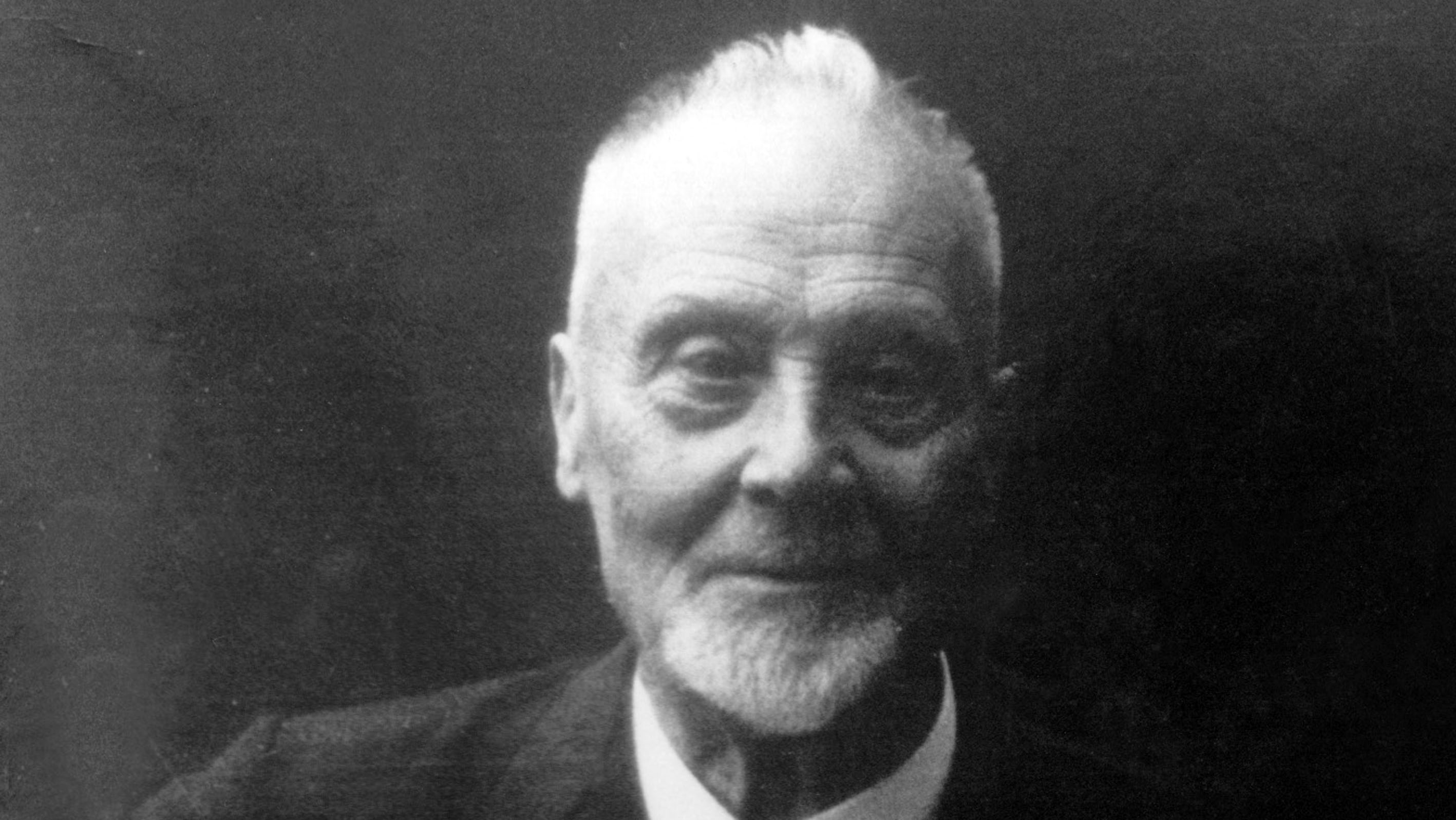
Theophil Wurm
 Switzerland
Theologian•Regional Bishop•Politician
Also known as: Dr. Theophil Wurm
Birthday
December 7, 1868
Birth Sign
Sagittarius
Birthplace
Basel, Switzerland
Age
Died at 84
About
Theophil Heinrich Wurm was a German Protestant theologian and regional bishop of Württemberg, remembered as a leading church figure who resisted Nazi control of the church. Born in Basel in 1868, he became a pastor and later rose to lead the Lutheran Evangelical State Church in Württemberg, serving as its bishop from 1933 to 1948. His vocal opposition to Nazi church policies, including support for the Barmen Declaration, led to his temporary deposition and house arrest in 1934.
After World War II, Wurm co-founded the Evangelische Kirche in Deutschland (EKD) and signed the Stuttgart Declaration of Guilt, acknowledging the church's complicity in Nazi crimes. His legacy is complex, as he later opposed the Allied war crimes trials, a stance that has drawn criticism. He died in Stuttgart in 1953 at age 84.
Early Life & Background
Theophil Wurm grew up in Basel, the son of a pastor, in a household steeped in church life. He studied theology and was ordained as a pastor, with his early career including work as a prison chaplain, which exposed him to social issues and shaped his later political engagement. Before World War I, he joined the Christian Social Party, and later the Citizens' Party, serving in the Württemberg State Parliament until 1920, an unusual path for a churchman of his era.
Wurm became a parish pastor at age 45, a relatively late start, but he quickly climbed the ranks of the Lutheran Evangelical State Church in Württemberg. In 1929, he was appointed church president, and when the title changed to Landesbischof in 1933, he assumed that office, stepping into a leadership role just as the Nazi regime began to tighten its grip on German churches.
Career Growth
Wurm's conflict with the Nazi regime escalated in 1934 when he supported the Barmen Declaration, which rejected state control of the church. Reich's Bishop Ludwig Müller deposed him and placed him under house arrest, but protests from his congregation and Müller's eventual fall led Hitler to rescind the measures, allowing Wurm to resume his bishopric.
After the war, Wurm became a founding figure of the Evangelische Kirche in Deutschland (EKD) in 1945, serving as its first post-war leader. He signed the Stuttgart Declaration of Guilt in October 1945, a pivotal acknowledgment of the church's complicity in Nazi crimes. He retired as bishop in 1948, but remained active, notably opposing the American-led war crimes trials between 1948 and 1952, a controversial stance that has been criticized by historians.
Career Timeline
Public Image & Style
Wurm is remembered as a complex figure in German church history. During the Nazi era, he was seen as a defender of church independence, and American officials regarded him as "a trustworthy church leader with a strong anti-Nazi record." His post-war opposition to war crimes trials complicates his legacy, with historians critiquing his stance. The Evangelical State Church in Württemberg commemorates him as a signatory of the Stuttgart Declaration and a resister of Nazi Gleichschaltung.
Fame & Fandom
Theophil Wurm stands as a monumental figure in the annals of German ecclesiastical history, though his legacy does not manifest through the modern machinery of fandom. There is no organized fan club bearing his name, nor are there social media campaigns, birthday billboards, or viral moments driven by an adoring public. The interactions that defined his life were strictly ecclesiastical and political; he engaged with congregants as a bishop and church president rather than as an entertainer seeking celebrity status. Consequently, the cultural mythology surrounding him consists entirely of historical narratives regarding his role during the Nazi era and World War II, rather than pop-culture lore or fan-driven rituals. While historians debate his complex moral standing and his later opposition to war crimes trials, the stories that endure are those of his defiance against state pressure and his authorship of the Stuttgart Declaration of Guilt. These are verified historical events grounded in documentation, not folklore born from crowds or internet communities. No documented fanbase exists for this figure, and the concept of fans performing acts specifically for him remains absent from the historical record. Regarding his current standing in global recognition, iFANN has not yet gathered sufficient data to assign a ranking. As of August 2026, Theophil Wurm holds no placement in the global fame index, and no ordinal rank can be cited at this time.
Interesting Facts and Legends
Before rising to prominence as a leading theologian, Theophil Wurm served as a prison chaplain, an experience that deeply shaped his social conscience throughout his long career. He uniquely held a seat in a state parliament early in his life, reflecting an engagement with politics that went beyond the pulpit, and he earned a theological doctorate, often being addressed formally as Dr. Theophil Wurm. His courageous defiance during the Nazi era led to his temporary deposition, but widespread protests forced the reversal of this decision, marking a rare triumph for church resistance against state pressure. Following the war, he played a crucial role in unifying the German Protestant Church and was instrumental in founding the Evangelische Kirche in Deutschland (EKD). A key legend surrounding his tenure involves his active efforts to protect Jewish people by running the Büro Grüber, an organization dedicated to their evacuation and safety. Historians recount a defining moment when he helped draft and sign the Stuttgart Declaration of Guilt, publicly acknowledging the church's failure to resist the Nazi regime earlier. Another notable instance of his vocal opposition occurred when he sent a protest letter directly to the head of the Reich Chancellery. Despite these acts of resistance, his legacy includes persistent complaints lodged via letters to Nazi leaders and a later fervent opposition to American-led war crimes trials, which complicated his reputation as a resister despite his earlier anti-Nazi record.
Family & Personal Life
Notable Connections
Relationships & Dating History
Wurm married Marie Bruckmann in 1900, and the couple remained together until his death in 1953. They had three daughters and two sons. There are no records of any other public relationships.
- MarriedMarie Bruckmann1900 - 1953Married for over 50 years, they had five children together.
Death & Aftermath
Died
January 28, 1953 (aged 84)
Death Place
Stuttgart, Germany
Cause of Death
Natural causes
Theophil Wurm spent his final years in Stuttgart, the city where he had served as Bishop and where he remained active in church affairs until his health began to fail. He passed away on January 28, 1953, at the age of 84, though official records do not specify a precise medical cause or detail the circumstances of his last days., historical accounts confirm his death occurred naturally without any investigation, legal challenge, or suspicion of foul play. Tributes following his passing focused heavily on his moral courage during the Nazi era, particularly his early protest against the Euthanasia program and his role in unifying the German Protestant churches after the war.
Notable figures from the clergy attended a memorial service held shortly after his death in Stuttgart, honoring his legacy as a defender of church autonomy. In later decades, institutions like the Evangelical Landeskirche in Württemberg commemorated his life, marking the 150th anniversary of his birth in 2018 by highlighting his resistance to Gleichschaltung. Yad Vashem also recognized his opposition to Nazi crimes, cementing his place in historical memory as a figure of conscience rather than a subject of modern commercial remembrance.
Net Worth (Estate Value)
$1 Million
iFANN Editorial Team estimate
As a church leader in mid-twentieth-century Germany, Theophil Wurm lived a modest clerical life with no significant personal wealth. His estate, if any, has never been publicly valued. Per iFANN's editorial analysis, his total net worth is estimated at $1 Million. His legacy remains primarily historical and ecclesiastical rather than financial.
Awards & Accolades
View 2 records, honours and achievementsKnown For
Resistance against Nazi church policies
1934 · Regional Bishop
Co-founding the EKD
1945 · Church Leader
Signing the Stuttgart Declaration of Guilt
1945 · Signatory
Keywords
Sources
Quick Facts
- Profession
- Theologian, Regional Bishop, Politician
- Born
- December 7, 1868
- Birthplace
- Basel, Switzerland
- Died
- January 28, 1953
- Death Place
- Stuttgart, Germany
- Gender
- Male
- Birth Sign
- Sagittarius
Personal Details
- Full Name
- Theophil Heinrich Wurm
- Spouse
- Marie Bruckmann
- Children
- Three daughters, two sons
- Education
- Theological studies
Frequently Asked Questions
Who was Theophil Wurm?
What did Theophil Wurm do during the Nazi era?
What was the Stuttgart Declaration of Guilt?
Was Theophil Wurm controversial?
When did Theophil Wurm die?
Similar People
Join the community
fans discussing