 Italy
About
As of 2026, the original lineup of The Three Tenors is inactive. The group effectively ceased operations after their final concert in September 2003, and the permanent dissolution followed the death of Luciano Pavarotti in September 2007. Despite various tribute acts and cover bands adopting the name in recent years, no new performances by the original trio are possible. The ensemble remains defined by its historic run between 1990 and 2003, during which they transformed the perception of opera from an elite art form into a mainstream global spectacle.
The trio is best known for their massive commercial success and their ability to fill stadiums worldwide. Their debut album, The Three Tenors in Concert, became the best-selling classical album of all time, moving over 20 million copies. Their sound blended traditional Italian Neapolitan songs, Broadway standards like My Way, and famous opera arias such as Nessun dorma. This approach created a unique category of music that appealed to both classical purists and general pop audiences.
Formation Story
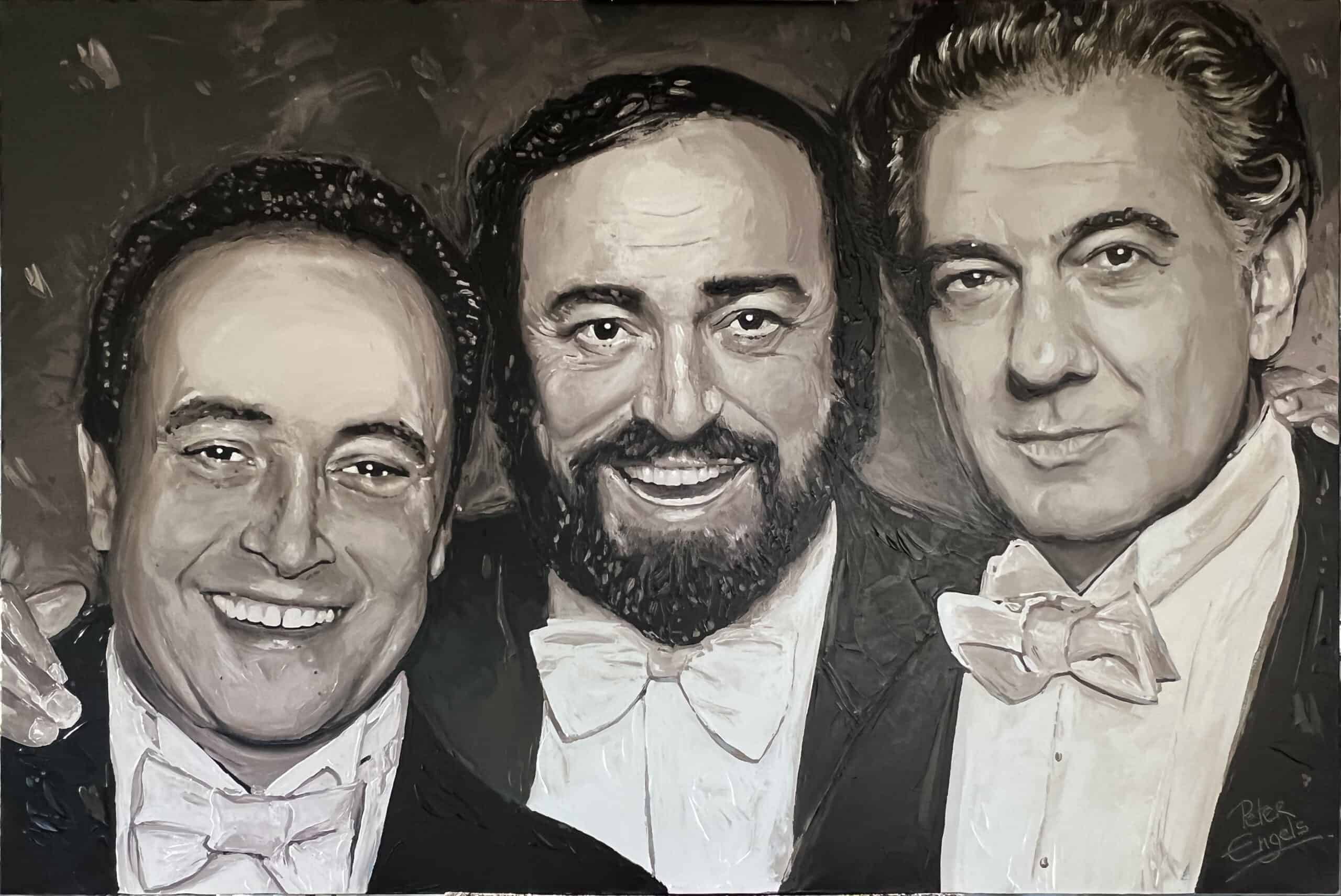
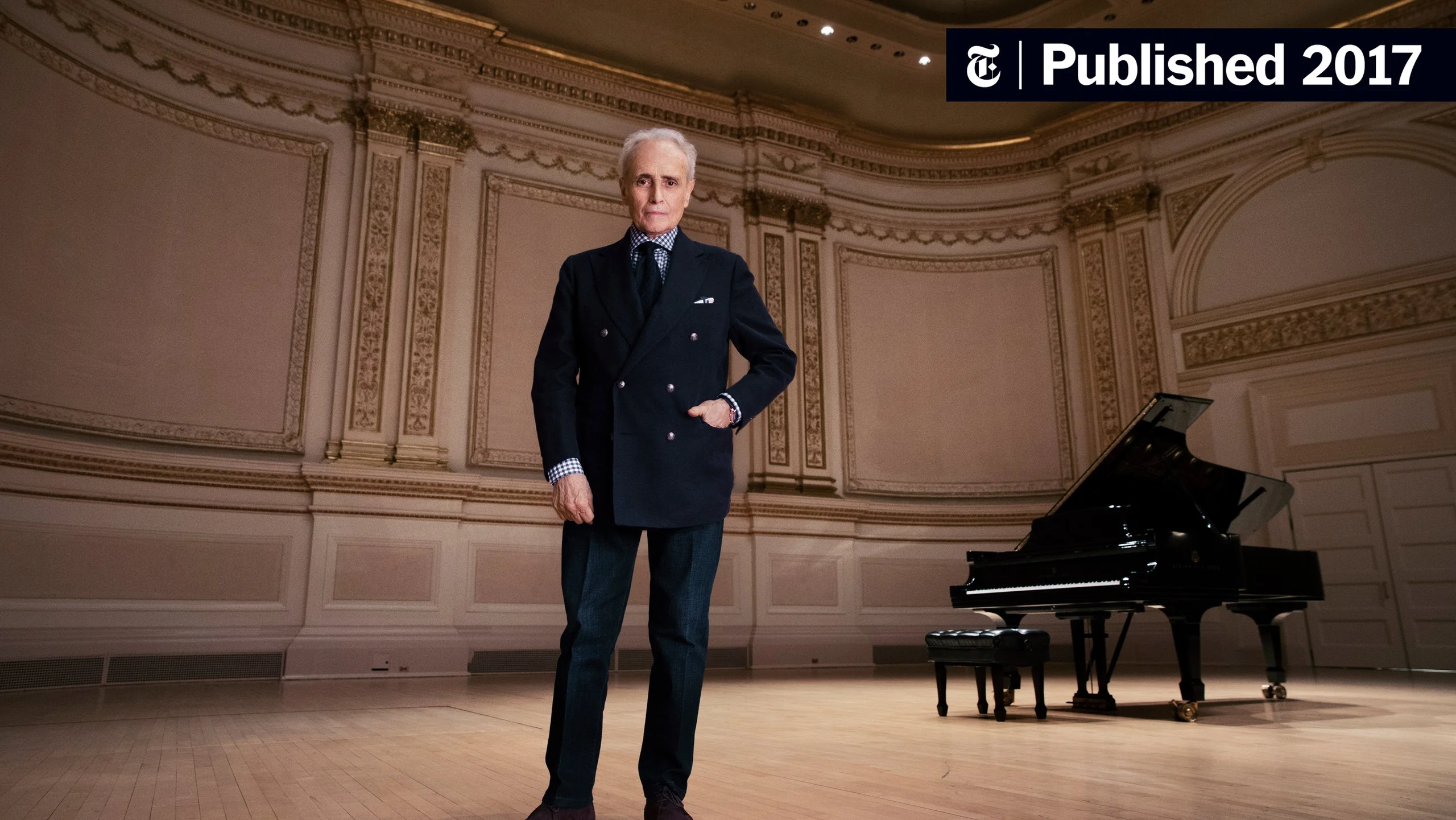
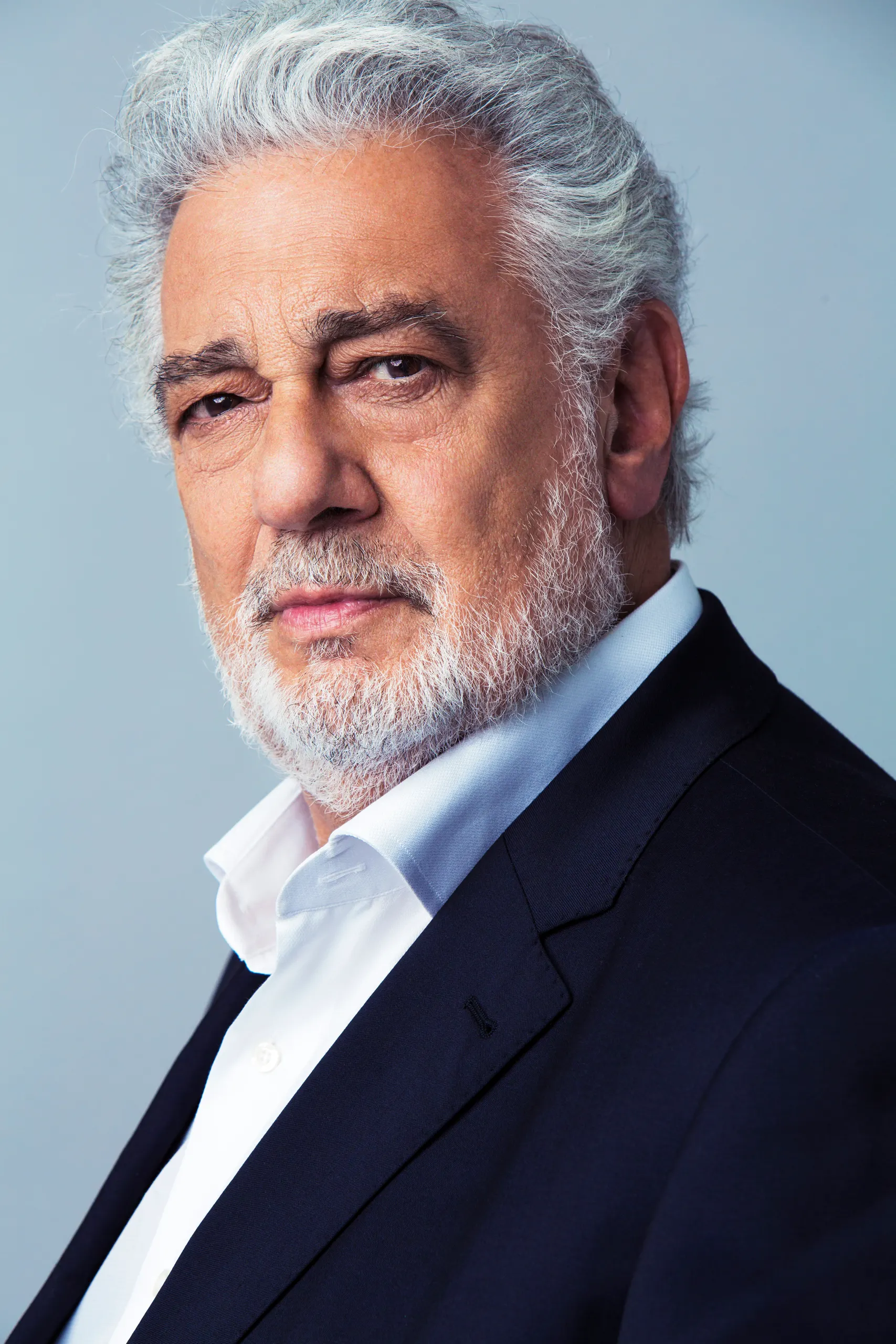
The concept for the group originated in the late 1980s when Luciano Pavarotti and José Carreras discussed the idea of performing a concert to raise funds for charity and promote opera. Both men had been friends since the 1970s and shared a desire to reach a wider audience beyond the traditional opera house. They invited Plácido Domingo, another close friend and fellow tenor, to join them. There was no formal audition process or agency recruitment; the selection relied entirely on their status as the preeminent tenors of their era.
The first concert took place on July 7, 1990, at the ancient Baths of Caracalla in Rome, just before the final match of the FIFA World Cup. The choice of venue was symbolic, placing the singers against a backdrop of Roman ruins that emphasized the timeless nature of their art. The event was broadcast live to an estimated 800 million people across 150 countries. The overwhelming positive response led to immediate planning for subsequent concerts tied to future World Cups.
Training and preparation involved extensive rehearsals to blend their distinct vocal styles. Unlike modern boy bands where members learn choreography and specific roles, the Three Tenors focused on vocal harmony and stage presence. They adopted a uniform look of white tuxedos, which became an iconic visual identity for the group. The initial plan was for a single event, but the financial and cultural success forced them to extend their collaboration for over a decade.
Members
Musical Style
The musical repertoire of the trio was a deliberate mix of genres designed to bridge the gap between high culture and popular entertainment. While rooted in the operatic tradition, the setlists frequently included songs from the Great American Songbook, Italian folk classics, and contemporary pop standards. This stylistic fusion, often termed operatic pop, allowed them to perform familiar melodies with the power and technique of classically trained voices.
Pavarotti typically sang the show-stopping arias like Nessun dorma, showcasing his renowned ability to hit high Cs. Carreras and Domingo provided harmonic support and solo verses for other pieces. The group rarely performed pure opera excerpts without context; instead, they arranged pieces to highlight the emotional resonance of the lyrics for a non-specialist audience. Their production style favored acoustic clarity over heavy orchestration, letting the natural timbre of their voices carry the performance.
Discography
| Title | Year |
|---|---|
| The Three Tenors in Concert | 1990 |
| The Three Tenors in Concert 1994: Los Angeles | 1994 |
| The Three Tenors in Concert 1998: Paris | 1998 |
| The Three Tenors: The Final Concert | 2003 |
Tours
1990 World Cup Tour
1990 · 3 shows
1994 World Cup Tour
1994 · 4 shows
1998 World Cup Tour
1998 · 5 shows
2002 Yokohama Tour
2002 · 2 shows
2003 Final Tour
2003 · 3 shows
Cultural Impact
The Three Tenors fundamentally altered the landscape of classical music marketing and consumption. Before their debut, opera albums were niche products sold primarily to collectors and enthusiasts. The success of their first concert proved that classical music could achieve mass-market sales figures previously reserved for rock and pop stars. Record labels immediately began signing crossover artists, and major opera houses started producing more accessible programming to capture similar demographics.
Their concerts also served as significant cultural diplomacy tools. Performing at FIFA World Cup finals allowed them to reach sports fans who might never attend an opera house. The image of the three men singing in front of ancient monuments became a defining visual of the 1990s. Furthermore, their association with charitable causes, particularly Carreras' work with leukemia research, lent the group a humanitarian dimension that elevated their public standing beyond mere entertainment.
Fandom Culture
The Three Tenors did not have a formal fandom name, lightstick, or organized fan club structure typical of modern pop groups. Their audience consisted of the general public rather than a dedicated subculture. Media outlets referred to the phenomenon as "Tenor Fever" to describe the intense public interest and the rapid sell-out of tickets for their stadium tours. Fans often gathered in large crowds outside venues or tuned in en masse to watch the televised broadcasts.
Following Pavarotti's death in 2007, the public reaction mirrored the mourning seen for major political figures or pop icons. Millions of people sent messages of condolence, and tributes aired globally. This outpouring demonstrated the deep affection the general public held for the trio. In the absence of official fan organizations, the community expressed itself through memorials, charity donations in their names, and the continued attendance of tribute concerts.
Awards Won (16)
The Three Tenors won multiple Grammy Awards for Best Classical Album – Choral, including wins for their 1990 and 1994 concert recordings. They received numerous international honors for their contributions to music and culture. Their albums consistently topped classical charts worldwide, and they were recognized by various institutions for their role in popularizing opera.
Best Classical Album – Choral
for: The Three Tenors in Concert 1994: Los Angeles
Best Classical Album – Choral
for: The Three Tenors in Concert
Lifetime Achievement
for: Career Achievement
Favorite Pop/Rock Album
for: The Three Tenors in Concert 1994: Los Angeles
Milestones
Debut concert at the Baths of Caracalla in Rome
Performed at the 1994 FIFA World Cup Final in Los Angeles
Performed at the 1998 FIFA World Cup Final in Paris
Final concert at Schottenstein Center in Columbus, Ohio
Death of Luciano Pavarotti marks effective end of the group
Fame & Fandom (iFAMOUS Rankings)
Trivia
The 1990 concert at the Baths of Caracalla was watched by an estimated 800 million people, making it one of the most-watched television events in history., Luciano Pavarotti famously wore a red bow tie during many of their performances, a signature accessory he kept throughout the tour., The trio recorded only four studio albums, all of which were live recordings from their concerts., Plácido Domingo conducted several of the later performances while also singing, a rare feat for a lead vocalist., The group's revenue from ticket sales and merchandise exceeded $100 million during their active years.
Keywords
Sources
Quick Facts
- Formed
- 1990
- Origin
- Rome, Italy
- Genres
- opera, operatic pop
- Members
- 3
- Status
- Disbanded
Group Info
- Formed
- 1990-07-07
- Debut
- 1990-07-07
- Debut Song
- Nessun dorma / 'O sole mio
- Origin
- Rome, Italy
- Label
- Decca Records
- Status
- Disbanded (2003-09-28)
Social Media
Also Known As
Join the community
fans discussing