Luciano Pavarotti
 Italy
Member of The Three Tenors
opera singer•film actor•singer
Also known as: Lulu, Il Canzone del Mare
Birthday
October 12, 1935
Birth Sign
Libra
Birthplace
Modena, Italy
Age
Died at 71
Height
5 ft 10 in (178 cm)
About
Luciano Pavarotti was an Italian operatic tenor widely regarded as one of the greatest singers of the 20th century. Born in Modena to a working-class family, he rose from selling insurance and teaching school to becoming a global icon known as the King of the High Cs. His clear, bright tone and effortless ability to hit high notes defined his career, which spanned over four decades. He recorded more than 100 million records worldwide and brought opera to audiences who had never attended a performance.
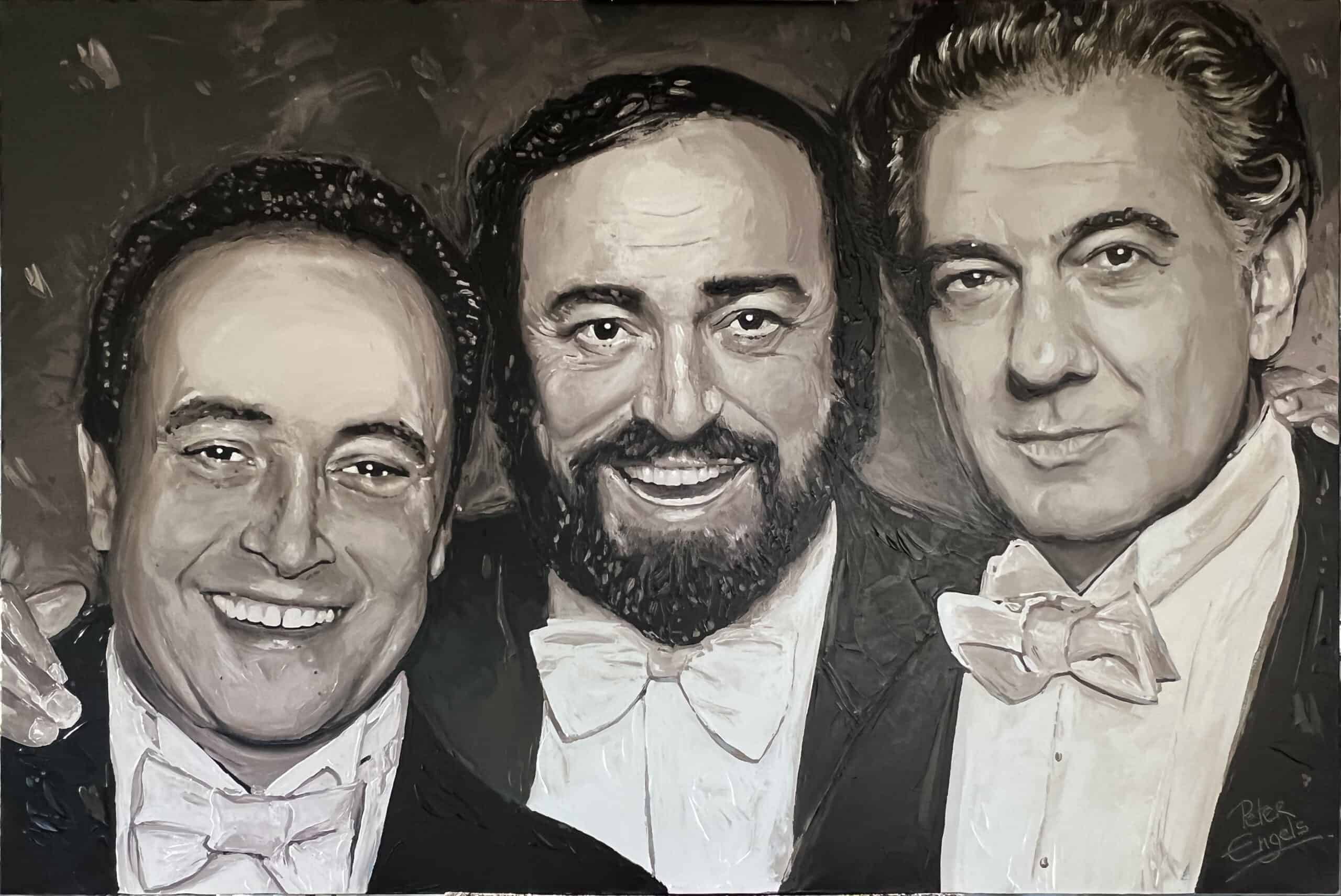
Pavarotti's legacy is anchored by his role in The Three Tenors, a collaboration with Plácido Domingo and José Carreras that transformed classical music into a mainstream phenomenon. Their 1990 concert before the FIFA World Cup final reached an estimated 3.5 billion viewers globally. Despite his massive fame, he remained grounded in his roots, frequently returning to Modena and using his platform for humanitarian causes. He passed away in 2007 at age 71 from pancreatic cancer, leaving behind a vast catalog of recordings and a foundation dedicated to charitable work. His influence extended beyond the stage, earning him honors such as the Kennedy Center Honors in 1998 and a star on the Hollywood Walk of Fame. Today, he stands as a cultural touchstone, proving his reach extended far beyond the opera house.
Early Life & Background
Luciano Pavarotti entered the world on October 12, 1935, in a public housing block on the outskirts of Modena, Emilia-Romagna. His father Fernando worked as a baker and his mother Adele ran a small shop. The family lived in poverty, often sharing a single room above the bakery where they baked bread for the local community. Music was the heartbeat of their home; Fernando loved singing Verdi arias and would perform them around the house despite not being a professional musician.
Following societal expectations and his father's advice, Luciano initially pursued a career outside of music. He attended primary school and later enrolled in the Liceo Scientifico, a scientific high school in Modena. After graduating, he studied at the Conservatorio di Bologna to become a teacher. In the late 1950s, he worked as a schoolteacher and also sold insurance policies to support his family. His pivot to music began when he joined the local choir, Coro Polifonico di Carpi, under the direction of Arrigo Pola. Pola recognized Pavarotti's potential and convinced him to abandon teaching to focus entirely on singing. A pivotal moment arrived in 1961 when he won the international competition Concorso Internazionale di Canto in Spoleto, securing his first major professional contract. This victory marked the definitive end of his teaching career and the beginning of his journey toward international stardom.
Career Growth
Pavarotti made his professional debut in 1961 as Rodolfo in Puccini's La bohème at the Teatro Communale in Modena, a role he would perform over 500 times throughout his life. By the mid-1960s, he was performing at Europe's most prestigious venues including La Scala in Milan and the Royal Opera House in London. His breakthrough in the United States occurred in 1968 when he replaced an ill Plácido Domingo at the Metropolitan Opera in New York City. This performance launched his American stardom and established him as a leading tenor of his generation.
The defining commercial success of his career arrived in 1990 when he joined Plácido Domingo and José Carreras for the first Three Tenors concert at the Baths of Caracalla in Rome. Broadcast to 3.5 billion people, the event and its accompanying album became the best-selling classical album in history, eventually exceeding 20 million copies sold. The trio continued with tours in 1994 and 1998, bringing opera to stadiums and arenas worldwide. Pavarotti also engaged in significant crossover projects, hosting the annual Pavarotti & Friends concerts which raised funds for the Red Cross and war-torn regions like Afghanistan and Kosovo. His repertoire focused heavily on bel canto operas and works by Verdi and Puccini. He received numerous accolades, including multiple Grammy Awards for Best Classical Album and the National Medal of Arts in 1999. His final public performance took place on December 15, 2006, at the Winter Olympics opening ceremony in Turin, where he sang Nessun Dorma before a global audience.
Career Timeline
Public Image & Style
Pavarotti was portrayed as a warm, accessible, and generous man who embraced pop culture unlike many of his contemporaries. He appeared frequently on talk shows and interacted freely with fans, breaking down the barrier between opera stars and the general public. His style was characterized by formal stage attire, usually a tuxedo, and his charismatic smile. He was seen as a humanitarian, using his fame to raise money for refugees and disaster relief. His public persona was one of joy and generosity, often described as the "King of the High Cs" both for his vocal range and his approachable nature.
He was frequently featured on the covers of major publications like TIME and Rolling Stone, solidifying his status as a global celebrity. His distinctive mustache became a trademark look, though he occasionally shaved it for specific roles or interviews. Pavarotti was known for his love of food, particularly pasta and wine, once stating that he was what he ate. This relatability endeared him to audiences worldwide, making him a beloved figure beyond the opera house.
Fame & Fandom (iFAMOUS Rankings)
Luciano Pavarotti stands as the 16th most famous person from Italy and the 15th most famous person in Classical within the iFANN Global Fame Rankings. These positions reflect a career that bridged high art and popular culture with unmatched success. He was featured at No. 14 in the September 2026 iFAMOUS Rankings. Even without a formal club name or branded fanbase like modern pop acts, his audience was vast and devoted. They kept his legacy alive through record-breaking album sales and the enduring broadcast of The Three Tenors concerts. Today, he stands as a cultural touchstone, proving his reach extended far beyond the stage. The fanbase, often simply called opera enthusiasts, honors him through the Luciano Pavarotti Foundation, which supports children affected by war and poverty. There are no documented campaigns for billboards or subway ads, yet the collective memory of his accessible personality and humanitarian spirit creates a unique bond.
Interesting Facts and Legends
Before his rise to fame, Pavarotti worked as an insurance salesman and a schoolteacher. He was fluent in Italian, English, French, and German. Pavarotti owned a collection of luxury cars including Ferraris and Lamborghinis. A widely retold story involves his rendition of Nessun Dorma at Dodger Stadium in Los Angeles during the 1994 Three Tenors tour, which demonstrated his ability to fill massive outdoor venues. Another legend suggests that during live performances, the orchestra would sometimes stop playing to let his high C ring out, highlighting his technical mastery. He was diagnosed with pancreatic cancer in May 2006 and underwent surgery, but the disease proved terminal. He died on September 6, 2007, at the Policlinico di Modena, surrounded by family. His funeral was held on September 9, 2007, at the Cathedral of San Geminiano in Modena, attended by thousands including Plácido Domingo and José Carreras. He was buried in the crypt of the Church of Santa Maria della Vittoria near his parents.
Notable Quotes
“I am what I eat.”
“Music is the language of the soul.”
“Opera is not just for the elite anymore.”
Family & Personal Life
Luciano Pavarotti's early life was shaped by a close-knit family living in modest circumstances. His father, Fernando, was a baker who instilled a love for music in young Luciano, while his mother, Adele, managed a small shop. The family resided in a single room above the bakery in Modena, where the scent of fresh bread mingled with the sound of Verdi arias sung by his father. This environment fostered a deep appreciation for art and hard work that would define Pavarotti's character throughout his life.
He had no siblings mentioned in standard biographies, focusing instead on his own path after joining the local choir. His household dynamics were simple, centered around the bakery and the conservatory. Later in life, his family became the center of his personal world, providing stability amidst his global travels. The bond between Pavarotti and his parents remained strong until his death, reflecting the values of his upbringing in Modena.
Notable Connections
Relationships & Dating History
Luciano Pavarotti was married twice. His first marriage was to Adua Veroni in 1961, shortly after his professional debut. They met in Modena while he was still a student and teacher. Together they had three daughters: Cristina, Lorenza, and Riccarda. The marriage ended in divorce in 1981 due to his growing fame and lifestyle changes. Adua remained in Modena and rarely spoke publicly about her ex-husband.
In 1984, Pavarotti married Nicoletta Mantovani, a former flight attendant and model who was 25 years old at the time. They met in 1983, and she managed his business affairs during his later years. The couple had four daughters: Isabella, Giulia, Virginia, and Alice. They remained married until his death in 2007. Nicoletta continues to manage his estate and legacy following his passing.
- DivorcedAdua Veroni1961 - 1981Married during his early career; three daughters together before splitting due to his rising fame.
- WidowedNicoletta Mantovani1984 - 2007Married until his death; four daughters together; currently manages his estate.
Death & Aftermath
Died
September 6, 2007 (aged 71)
Death Place
Modena, Italy
Cause of Death
Pancreatic cancer
A documentary titled Passion Pavarotti, directed by Academy Award-winning filmmaker Ron Howard, later drew on rare archive footage to honor the tenor's life. The film followed a period of global tributes from peers, institutions, and officials who recognized him as one of the greatest singers of his time. Fans and colleagues commemorated the loss through moments of silence and memorials that reflected his status as opera's brightest star. Luciano Pavarotti passed away on September 6, 2007, at his home in Modena, Italy, at the age of 71. Medical reports and family statements confirmed he had undergone major abdominal surgery earlier in his final year to treat pancreatic cancer, a diagnosis received approximately 14 months prior.
The illness proved fatal following its progression, and hospital communications established the terminal nature of the condition without dispute or legal investigation. His funeral and memorial services were held in Modena, where he was laid to rest alongside his father, Fernando Pavarotti, also a baker and amateur tenor. The event drew notable figures from the music world and dignitaries who attended to pay their respects. Posthumous releases included lost recordings such as his concert in Llangollen, Wales, which his widow expressed delight over, while various halls of fame continued to offer dedications.
Net Worth (Estate Value)
$180 Million
iFANN Editorial Team estimate
As of 2026, the estate of Luciano Pavarotti is valued at approximately $180 million according to research by the iFANN Editorial Team. This figure reflects the ongoing revenue generated from his extensive catalog of recordings, licensing deals, and posthumous releases. The estate has continued to grow since his passing in 2007, driven by steady sales of The Three Tenors albums and digital streams. Major revenue streams include royalties from over 100 million records sold globally, licensing of his voice and image in films and commercials, and management of the Luciano Pavarotti Foundation. The family trust manages real estate assets and ensures the preservation of his artistic heritage through charitable initiatives. His estate also benefits from the continued popularity of the Pavarotti House Museum in Modena, which attracts tourists annually.
Awards Won (16)
Luciano Pavarotti received numerous accolades throughout his career, including multiple Grammy Awards for Best Classical Album. He was honored with the Kennedy Center Honors in 1998 and received the National Medal of Arts in 1999. He was appointed Knight Grand Cross of the Order of Merit of the Italian Republic and Commander of the Legion of Honour in France. His contributions to music were recognized with induction into the Classical Music Hall of Fame in 1999.
1999 · Best Classical Album
Pavarotti & Friends for Afghanistan and Kosovo
1994 · Best Classical Album
Pavarotti's Greatest Hits
1992 · Best Classical Album
Pavarotti's Christmas
1991 · Best Classical Album
The Three Tenors in Concert
1998
Luciano Pavarotti
Known For
La bohème
1961 · Rodolfo
Tosca
1972 · Cavaradossi
Turandot
1985 · Calaf
The Three Tenors in Concert
1990 · Performer
Keywords
Sources
Quick Facts
- Profession
- opera singer, film actor, singer
- Born
- October 12, 1935
- Birthplace
- Modena, Italy
- Died
- September 6, 2007
- Death Place
- Modena, Italy
- Gender
- Male
- Spouse
- Adua Veroni, Nicoletta Mantovani
- Birth Sign
- Libra
Personal Details
- Full Name
- Luciano Pavarotti
- Height
- 5 ft 10 in (178 cm)
- Spouse
- Adua Veroni, Nicoletta Mantovani
- Children
- Cristina, Lorenza, Riccarda, Isabella, Giulia, Virginia, Alice
- Education
- Conservatorio di Bologna; Liceo Scientifico in Modena
Filmography
12
Total
4
Film
8
TV
Frequently Asked Questions
How did Luciano Pavarotti die?
What was Luciano Pavarotti's net worth at the time of his death?
Who were Luciano Pavarotti's wives?
Why was Luciano Pavarotti called the King of the High Cs?
What is the Luciano Pavarotti Foundation?
Similar People
Join the community
fans discussing