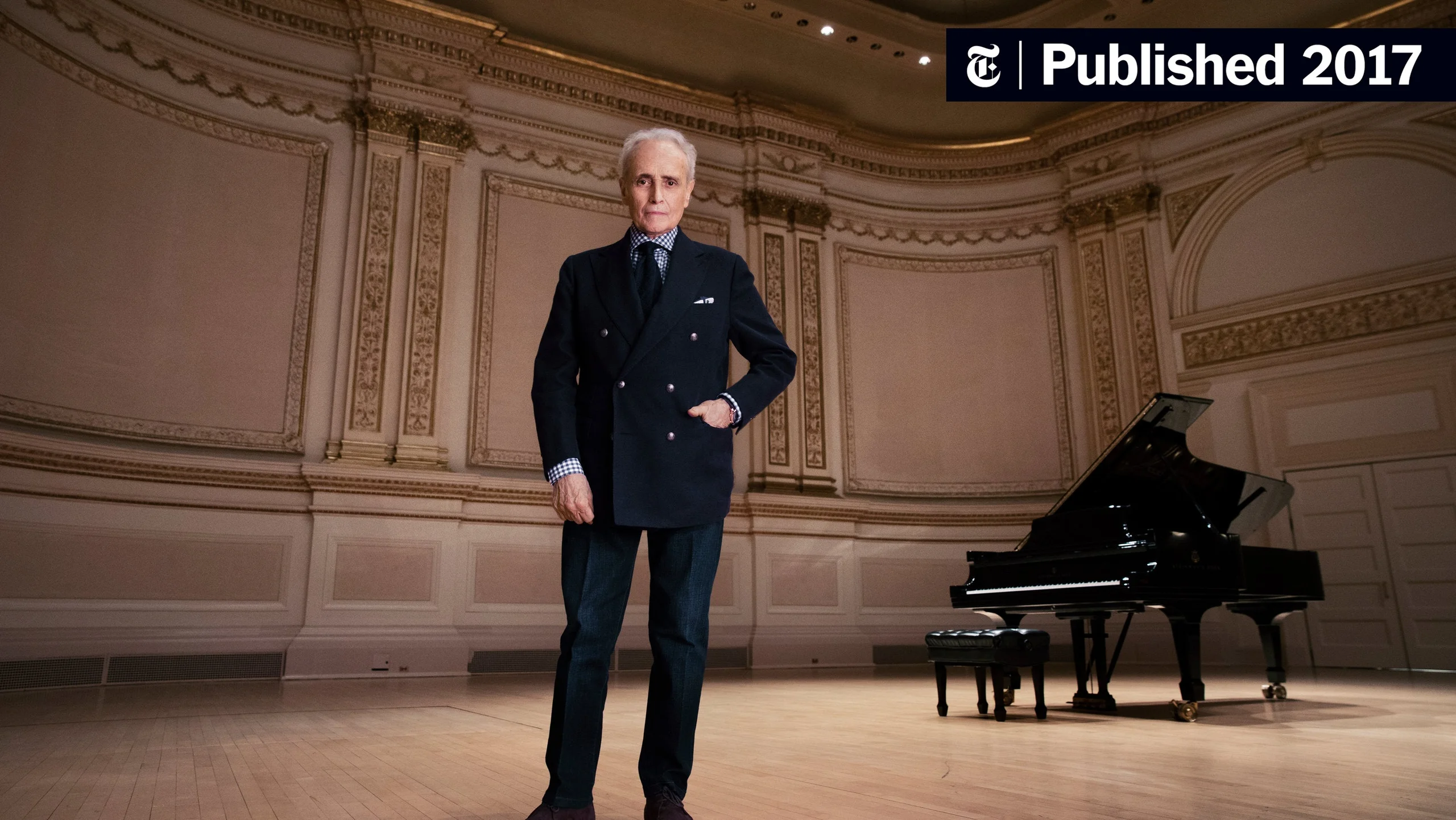
José Carreras
 Spain
SpainMember of The Three Tenors
opera singer•recording artist•singer
Also known as: Josep Maria Carreras Coll, Josep Carreras
Birthday
December 5, 1946
Birth Sign
Sagittarius
Birthplace
Barcelona, Spain
Age
79 years old
Height
5 ft 10 in (178 cm)
About
Josep Maria Carreras Coll, known professionally as José Carreras, is a Spanish operatic lyric tenor whose career has spanned over six decades. Born in Barcelona and raised speaking Catalan before adopting the Castilian name José for international recognition, he established himself as one of the most celebrated vocalists of his generation. His rich voice and dramatic intensity made him a leading figure in the works of Donizetti, Verdi, and Puccini, performing at major houses like La Scala, the Metropolitan Opera, and the Royal Opera House.
Carreras achieved global fame not only through his solo operatic roles but also as a core member of The Three Tenors alongside Plácido Domingo and Luciano Pavarotti. The trio's 1990 World Cup concert became a cultural phenomenon, bringing opera to an estimated 900 million viewers. Beyond the stage, he is renowned for his humanitarian work after surviving acute myeloid leukemia in 1987. He founded the José Carreras International Leukaemia Foundation that same year, transforming his personal battle into a global movement for cancer research and patient support. As of 2026, he remains active in performance and philanthropy.
Early Life & Background
Josep Maria Carreras Coll entered the world on December 5, 1946, in Barcelona, Catalonia. A native speaker of Catalan, he adopted the name José later in life to facilitate his international career. His musical journey began with remarkable speed; by age 11, he had already stepped onto a professional stage. In 1957, he made his debut as Trujamán in Manuel de Falla's El retablo de Maese Pedro, a puppet opera performed at the Gran Teatre del Liceu in his hometown. This early start was not merely a childhood hobby but the beginning of rigorous training.
Following his initial stage appearance, Carreras enrolled at the Liceu Conservatory in Barcelona. There, he studied under distinguished teachers who honed his natural talent into a professional instrument. His formal operatic debut arrived in 1963 when he portrayed Tamino in Mozart's Die Zauberflöte. By his mid-twenties, he had moved beyond student productions to take on demanding roles in the standard repertoire. Critics noted his ability to convey deep emotion through his singing, setting the stage for his future success in major European and American venues. Before the world knew him as part of a legendary trio, he was already a respected soloist in the classical music community.
Career Growth
The trajectory of José Carreras's career accelerated rapidly in the 1970s. He made his debut at London's Royal Opera House in 1970 as Alfredo in La traviata and appeared at New York's Metropolitan Opera in 1973 as Cavaradossi in Tosca. His performances at La Scala in Milan and the Salzburg Festival further cemented his status as a leading tenor. He was particularly celebrated for his interpretations of Manon Lescaut and Lucia di Lammermoor.
A defining chapter began in 1987 when Carreras was diagnosed with acute myeloid leukemia just months before he was scheduled to perform at the Seoul Olympics opening ceremony. He canceled the event to undergo a bone marrow transplant in Philadelphia, a procedure that was still experimental at the time. His successful recovery in 1988 marked a turning point. That same year, he founded the José Carreras International Leukaemia Foundation, which has since raised hundreds of millions of dollars for research.
Global superstardom arrived in 1990 when Luciano Pavarotti invited Carreras and Plácido Domingo to perform together at the Baths of Caracalla in Rome. The concert, broadcast to nearly a billion people, sold over 10 million copies of its album. They reunited for concerts in Berlin in 1994 and Los Angeles in 1997, with their final joint performance taking place in Madrid in 2003. Despite often being overshadowed by Pavarotti's marketing, Carreras provided the essential dramatic flair and vocal blend that defined the group. In 2026, he continued to perform, headlining a stadium concert in Brisbane featuring pop stars like Robbie Williams to celebrate his 80th birthday.
Career Timeline
Public Image & Style
Carreras projects an image of grace, dignity, and humility. He is widely perceived as a gentlemanly artist who bridges the gap between high culture and popular entertainment. His commitment to charity, particularly his work with the Leukaemia Foundation, defines much of his public persona. Unlike some contemporaries, he avoids controversy and maintains a dignified presence in media interviews. His style is classic and timeless, often seen in traditional tuxedos or formal opera attire. He is viewed as a symbol of resilience and hope, especially following his battle with cancer.
Fame & Fandom
The collective energy surrounding José Carreras rarely coalesces into a single, branded tribe. Instead, his audience merges into the vast, global community of opera enthusiasts who rallied behind the phenomenon known as The Three Tenors. This wasn't a fanbase organized by hashtags or digital campaigns, but one forged through record-breaking album sales and stadium-filling concerts that introduced classical music to millions who had never stepped inside an opera house. Fans often channel their devotion into supporting the José Carreras International Leukaemia Foundation, the organization he founded after surviving acute myeloid leukemia in 1987. This charitable pillar became a central part of the community identity, turning personal tragedy into a shared mission for patient support. While specific rituals like birthday billboards remain undocumented, the anticipation for his recent milestones proves the bond remains strong. In 2026, fans gathered with palpable excitement for his 80th birthday celebrations in Brisbane and his performances outside Dubrovnik's cathedral. These events highlighted a legend defined not just by vocal prowess, but by an endurance that defied early health scares. Today, José Carreras stands as the 27th most famous person in Classical, a ranking held steady from the previous cycle within the iFANN Global Fame Rankings.
Interesting Facts and Legends
Carreras speaks four languages fluently: Catalan, Spanish, Italian, and English. He is an avid art collector who has donated pieces to various museums throughout Europe. Despite his immense fame, he is known for remaining humble, often signing autographs and taking photos with fans after concerts rather than retreating to a private lounge. His survival from leukemia inspired countless patients and families, leading to increased awareness and funding for cancer research worldwide. Folklore sometimes casts him as the 'quiet third' in The Three Tenors, yet his unique dramatic style was essential to the trio's emotional depth. In 2026, he hosted an all-star concert in Australia that brought together opera legends and pop icons, showcasing his enduring appeal across genres.
Notable Quotes
“Music is a language that transcends borders and brings people together.”
“My battle with leukemia taught me the value of life and the importance of helping others.”
“Opera is not just for the elite; it belongs to everyone.”
Family & Personal Life
José Carreras was born into a family that supported his early artistic endeavors in Barcelona. He married Italian soprano Katia Ricciarelli in 1977. The couple met during their early careers in the opera world, where both were rising stars. Their marriage lasted until 1990, ending in divorce. They did not have biological children together. Following their separation, Carreras focused heavily on his health recovery and the establishment of his foundation. He maintains a low profile regarding his private life, prioritizing his charitable work and occasional public appearances. As of 2026, he resides primarily in Europe, managing his legacy and foundation activities.
Notable Connections
Relationships & Dating History
José Carreras has been married once. He wed Italian soprano Katia Ricciarelli in 1977. The couple met during their early careers in the opera world; Ricciarelli was a rising star, and Carreras was already gaining recognition. Their marriage lasted until 1990, ending in divorce. There are no widely reported children from this union, though they did not have biological children together. Following their separation, Carreras remained focused on his health recovery and philanthropy. As of 2026, there are no credible reports of a new romantic partner or engagement. He is currently single, having maintained a low profile regarding his private life since his divorce. The absence of recent relationship news suggests he remains unmarried and unattached, prioritizing his charitable work and occasional public appearances.
- MarriedKatia Ricciarelli1977 - 1990Met in the opera world; divorced after 13 years.
Salary, Net Worth In 2026
$18 Million
iFANN Editorial Team estimate
iFANN currently estimates José Carreras's net worth at approximately $18 million. This figure reflects his long-standing reputation and diverse income streams accumulated over a career spanning more than sixty years. The majority of his wealth stems from royalties generated by his extensive discography, which includes over 60 operatic recordings and the highly successful Three Tenors albums. Speaking fees and concert appearances continue to contribute significantly, with recent high-profile events like the 2026 Brisbane concert adding to his earnings.
Real estate investments in Barcelona and other European cities form another pillar of his financial portfolio. While the José Carreras International Leukaemia Foundation is a major focus of his life, the foundation itself operates separately from his personal assets, though his involvement likely generates speaking engagements and endorsements. Luxury brand partnerships and cultural institution collaborations also supplement his income. Unlike many modern celebrities who rely on business ventures, Carreras's fortune is built on artistic excellence and humanitarian impact. As of 2026, his financial standing remains robust, supported by the enduring popularity of his recorded works and live performances.
Awards Won (4)
José Carreras has received numerous accolades throughout his career, including a Grammy Award for Best Classical Vocal Performance shared with The Three Tenors in 1991. He was awarded the Order of Isabella the Catholic by the Spanish government for his contributions to culture. Carreras has also received honorary doctorates from several universities, including the University of Barcelona and the University of Miami. His humanitarian efforts have been recognized with multiple lifetime achievement awards from various opera organizations and cultural institutions globally.
1991 · Best Classical Vocal Performance
The Three Tenors in Concert
1988 · Civil Order
Cultural Contributions
Known For
The Three Tenors in Concert
1990 · Performer
Tosca
1973 · Cavaradossi
La traviata
1970 · Alfredo
Manon Lescaut
1974 · Title Role
Keywords
Sources
Quick Facts
- Profession
- opera singer, recording artist, singer
- Born
- December 5, 1946
- Birthplace
- Barcelona, Spain
- Gender
- Male
- Spouse
- Katia Ricciarelli
- Birth Sign
- Sagittarius
Personal Details
- Full Name
- Josep Maria Carreras Coll
- Height
- 5 ft 10 in (178 cm)
- Spouse
- Katia Ricciarelli
- Children
- Education
- Liceu Conservatory, Barcelona
Filmography
12
Total
5
Film
7
TV
Frequently Asked Questions
What is José Carreras's full name?
How did José Carreras get sick?
Who are The Three Tenors?
Does José Carreras have any children?
Is José Carreras still performing in 2026?
Similar People
Join the community
fans discussing