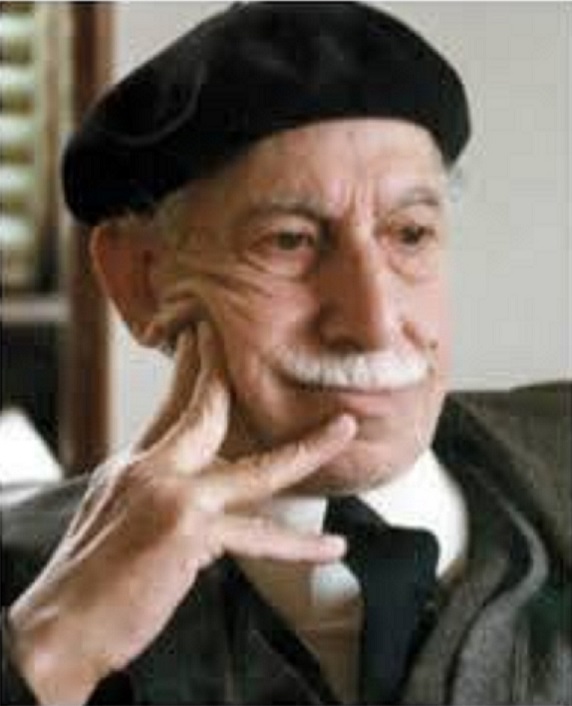
Tawfiq al-Hakim
 Egypt
EgyptBirthday
+1898-10-09
Birth Sign
Libra
Birthplace
Alexandria
Age
Died at 88
About
Born in Alexandria in 1898, Tawfiq al-Hakim emerged as a towering figure in Egyptian literature, shaping the trajectory of the Arabic novel and drama. His career, spanning much of the 20th century until his passing in 1987, saw him become a pioneer in these literary forms. He brought a unique perspective to Arabic storytelling, exploring complex themes that resonated deeply within Arab societies.
Fame & Fandom
Tawfiq al-Hakim commanded a global audience that spanned decades, yet his standing in contemporary fame metrics reflects the unique nature of his legacy as a literary giant rather than a pop culture icon. As of August 2026, the iFANN Global Fame Engine has evaluated this person, but they do not currently hold a placement in the published rankings. This absence of a numeric rank or score within the Global Top 1,000 or any Top-100 scope list indicates that while his historical impact remains profound, he does not generate the specific volume of current search activity or media consumption signals required for a charted position today. The fanbase associated with Tawfiq al-Hakim has no formal name documented in iFANN data. Unlike modern celebrities who mobilize organized communities with specific monikers and digital rituals, the admirers of his work are scholars, students, and readers of Arabic literature who engage with his texts through academic study rather than grassroots campaigns. There are no records of fan-funded projects, birthday billboards, or interactive social media movements dedicated to him. His enduring presence is maintained through institutional efforts, such as the Hindawi Foundation's provision of free electronic access to his books and the 2023 English-language publication of *Return of the Spirit*, rather than the organic energy of a named fandom.
Interesting Facts and Legends
Born in Alexandria in 1898, Tawfiq al-Hakim passed away on July 26, 1987, leaving behind a body of work that redefined Arabic storytelling. He served as both a writer and journalist, eventually becoming known as the "Dean of Dramatic Literature." A widely retold story among literary historians concerns his status as a contender for the Nobel Prize in Literature in 1969, a moment where the world narrowly missed recognizing an Arabic giant alongside Naguib Mahfouz. Another cornerstone of his cultural mythology is his semi-autobiographical novel, *Diary of a Country Prosecutor*, which remains legendary for its unflinching critique of judicial injustice and the plight of peasants in Egypt. Readers and scholars continue to view this book as a foundational text for understanding social realism in Arabic literature. Al-Hakim also built a reputation as a sharp satirist during his long tenure as a literary columnist for the major newspaper *al-Ahram*. These writings are part of the folklore of Egyptian intellectual history, known for their political analysis and biting commentary. While he did not have viral incidents or stage outbursts typical of modern stars, his life's work elevated the Arabic stage to a level of dignity comparable to the novels of his contemporaries.
Death & Aftermath
Died
+1987-07-26 (aged 88)
Death Place
Cairo, Egypt
Cause of Death
Not explicitly stated
Tawfiq al-Hakim, the renowned Egyptian writer, playwright, and journalist widely considered the 'father of modern Arab theatre,' died on July 26, 1987, in Cairo, Egypt. Born on October 9, 1898, in Alexandria, he was 88 years old at the time of his death. The confirmed facts regarding his death are limited to the date and location; multiple authoritative sources corroborate that he passed away in Cairo on July 26, 1987. However, the specific cause of death is not explicitly stated in the provided search results. The circumstances of his final days were not reported in the available biographical summaries. Consequently, there are no disputed accounts or conflicting narratives found in these sources regarding the mechanics of his death; the information simply remains unrecorded in general biographical overviews.
While specific details regarding fan vigils or memorial murals for his immediate death in 1987 are not detailed, his status as a foundational figure ensured a significant legacy response. A 2023 article notes that he left behind a literary approach that continues to inspire hundreds of writers. Tributes from peers and institutions are implied by his classification as a leading figure, though specific quotes from officials or immediate tributes from 1987 are not present in the text. The provided search results do not contain specific details regarding the date, location, or attendees of his funeral or memorial service. Information concerning whether the burial was public or private, the specific cemetery where he was interred, or notable performances held in his memory immediately following his death is absent from the documents.
His posthumous impact is characterized by enduring academic and literary study rather than new releases tied specifically to his death date. His works, such as Return of the Spirit and The People of the Cave, remain significant in twentieth-century Arabic literature and are frequently cited in academic journals like JSTOR. Regarding his estate, the sources do not provide details on how it was handled, nor do they mention specific foundations, scholarships, or family statements released regarding the administration of his legacy.
Awards & Accolades
Keywords
Quick Facts
- Profession
- writer, journalist, playwright
- Born
- +1898-10-09
- Birthplace
- Alexandria
- Died
- +1987-07-26
- Death Place
- Cairo
- Gender
- Male
- Birth Sign
- Libra
Join the community
fans discussing