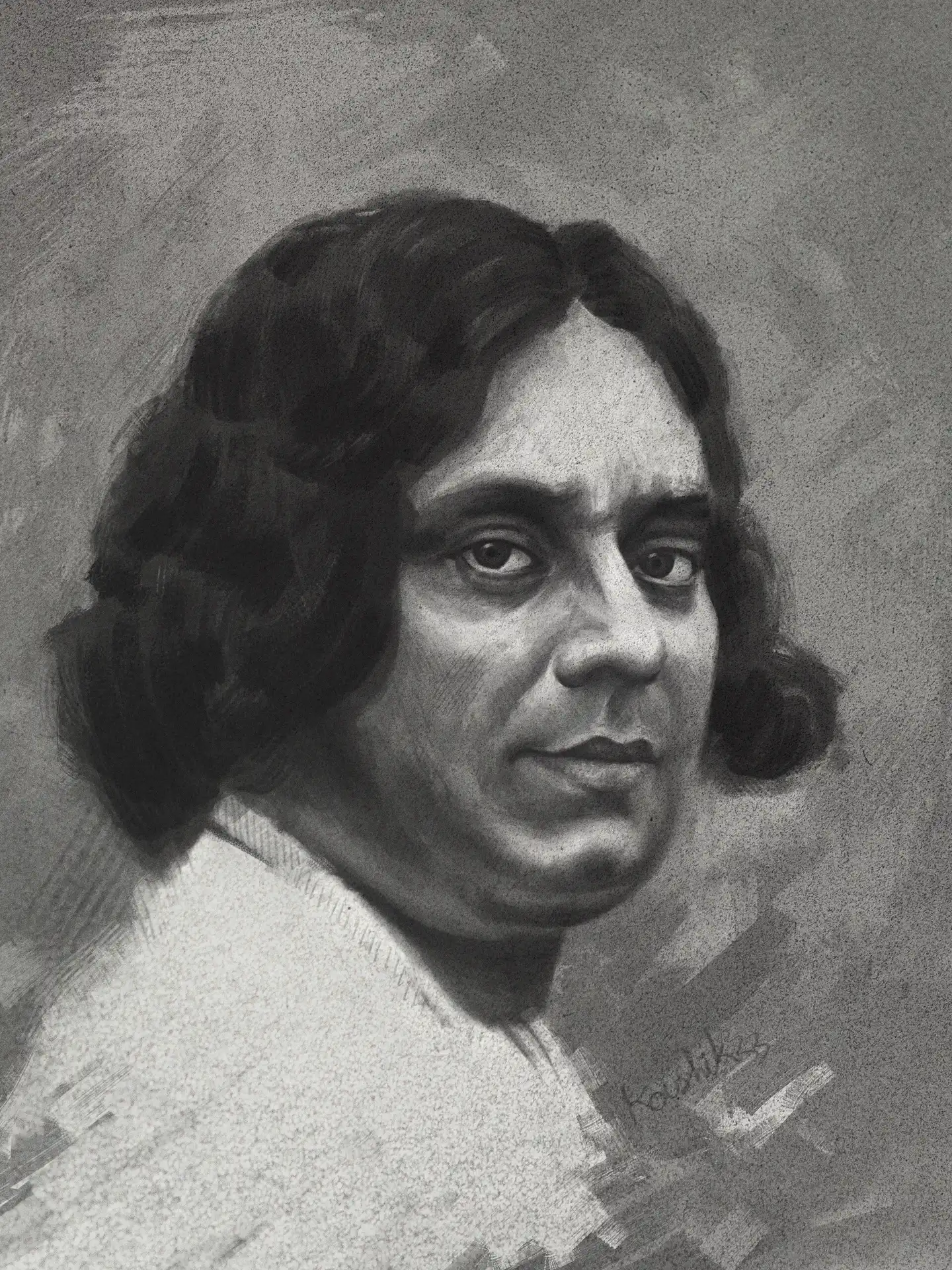
Syed Nazrul Islam
 Bangladesh
Birthday
January 1, 1925
Birth Sign
Capricorn
Birthplace
Bir Dampara, Kishoreganj, Bengal Presidency
Age
Died at 50
About
Syed Nazrul Islam was a Bangladeshi politician and a senior leader of the Awami League. He served as the acting president of Bangladesh during the Liberation War in 1971, a role that placed him at the helm of the provisional government. His leadership during that critical period is a central part of his legacy.
After independence, Islam held important government positions, including minister of industry in the first cabinet. He was also a member of the committee that drafted the Constitution of Bangladesh. His political career spanned decades, and he remained active until his death in 1975.
Islam is remembered for his commitment to the nation and his contributions to its founding. His death on November 3, 1975, in Dhaka, at the age of 50, cut short a life devoted to public service.
Early Life & Background
Syed Nazrul Islam was born in 1925 in Bir Dampara, a village in the Jashodal Union of Kishoreganj, then part of the Bengal Presidency. He came from a Bengali Muslim family of Syeds, a lineage that carried social standing. His early education began at a maktab, a traditional Muslim school, where he studied Arabic, Persian, and Urdu, along with Islamic history and customs. This foundation in religious and classical learning shaped his early worldview.
He moved to Dhaka for higher education, enrolling at the University of Dhaka. He earned a master's degree in history in 1947 and a law degree in 1953. During his student years, Islam was deeply involved in student politics. He served as vice-president of the Salimullah Muslim Hall Student Union and secretary of the Muslim Student League. He also captained the university's cricket and hockey teams and was secretary of games and sports for the Dhaka University Central Students Union (DUCSU). These roles honed his leadership skills and connected him with future political allies.
After completing his education, Islam briefly joined the civil service of Pakistan in 1949, but he resigned in 1951 to pursue academia and law. He worked as a professor of history at Ananda Mohan College in Mymensingh and also practiced law. His political career began in earnest during his student days, and he rose through the ranks of the Awami League, eventually winning a seat in the Pakistan National Assembly from Mymensingh in 1970. He served as deputy leader of the Awami League parliamentary party.
Career Growth
Syed Nazrul Islam's defining moment came in 1971 during the Bangladesh Liberation War. When the Pakistani military cracked down on March 25, 1971, the Awami League leadership was forced to flee. Sheikh Mujibur Rahman was arrested, and the party's senior leaders, including Islam, crossed into India. There, on April 17, 1971, the Provisional Government of Bangladesh was formed at Mujibnagar. Islam was appointed acting president, a role he held throughout the war, providing civilian leadership while the Mukti Bahini fought on the ground.
After independence, Islam returned to Dhaka and served in the first cabinet of Sheikh Mujibur Rahman as minister of industry. He was also a member of the committee that drafted the Constitution of Bangladesh, which was adopted in 1972. He was elected deputy leader of the Awami League parliamentary party in 1972, a position that reflected his standing within the party.
Islam's political career was cut short by the brutal events of November 3, 1975, when he was assassinated in Dhaka jail along with other Awami League leaders. His legacy as a founding leader of Bangladesh remains significant, and he is honored for his role in the nation's independence.
Career Timeline
Public Image & Style
Syed Nazrul Islam is remembered as a principled and dedicated leader of the Awami League. His role as acting president during the Liberation War earned him respect as a steady hand during a chaotic period. He was seen as a loyal lieutenant to Sheikh Mujibur Rahman, and his willingness to step into the leadership vacuum in 1971 demonstrated his commitment to the cause of independence.
In Bangladesh, he is honored as one of the founding figures of the nation. His image is that of a measured, academic politician who valued law and order. He was also known for his sportsmanship in his younger days, which added a relatable dimension to his public persona.
Fame & Fandom
Syed Nazrul Islam commands a legacy defined not by modern fan clubs or commercialized adoration, but by state-sanctioned reverence and the enduring political structures of Bangladesh. His supporters are organized through the Awami League rather than independent fandoms, with commemorations taking the form of institutional events like Jail Killing Day and Mujibnagar Day rather than viral social media campaigns. There is no formal name for his fanbase, as his status as a founding father and martyr places him beyond the realm of pop-culture celebrity worship. Despite the historical nature of his life, his global profile remains significant within specific geopolitical contexts. Current data from the iFANN Global Fame Rankings indicates that Syed Nazrul Islam holds a distinct position in historical fame metrics. He is currently ranked as the 32nd most famous person from Bangladesh, a standing he has maintained since the previous cycle. This placement reflects sustained international attention on South Asian history and the continued relevance of the Liberation War narrative. The ranking appears within the broader scope of the iFANN Global Fame Rankings, which track influence across historical and contemporary figures. While he does not appear in general entertainment charts, his specific standing among national leaders remains stable. The absence of a documented fanbase name aligns with the reality that his remembrance is driven by civic duty and historical education rather than organic fan movements. His image persists through official memorials and political discourse, ensuring his name remains recognizable long after his passing.
Interesting Facts and Legends
Syed Nazrul Islam captained both the cricket and hockey teams at Dhaka University during his youth, a rare athletic feat demonstrating his versatility. He was one of the few senior leaders to engage in dialogues with Pakistani President Yahya Khan in March 1971, just prior to the outbreak of war. As a member of the committee drafting the Constitution of Bangladesh, he contributed directly to the nation's foundational legal document. His death on November 3, 1975, is observed annually as Jail Killing Day, honoring the leaders murdered in Dhaka Central Jail. Historical records confirm he was sworn in as Acting President of the provisional government at Mujibnagar on April 10, 1971, assuming leadership while Sheikh Mujibur Rahman was imprisoned. This administrative role is the central narrative of his public service, often cited as the steady hand guiding the country through the chaos of the Liberation War. The event is commemorated each year as Mujibnagar Day. Following the assassination of Sheikh Mujibur Rahman later that year, Nazrul Islam was arrested and subsequently killed alongside other top officials, cementing his status as a martyr for the cause of independence.
Family & Personal Life
Syed Nazrul Islam was born into a Bengali Muslim family of Syeds in Bir Dampara, Kishoreganj. His family background was one of religious and social standing, with the title Syed indicating descent from the Prophet Muhammad. Details about his parents and siblings are not widely documented, but his early education at a maktab suggests a traditional upbringing.
Islam married, but information about his wife and children is scarce in public records. His family life was largely private, and he focused his public identity on his political career. At the time of his death, he was married, though his widow's name is not commonly cited.
Notable Connections
Syed Nazrul Islam was closely associated with Sheikh Mujibur Rahman, the founding leader of Bangladesh. He was also a colleague of other Awami League leaders of the era, including Tajuddin Ahmad, who served as the first Prime Minister of Bangladesh. His political life was intertwined with the struggle for independence, and he worked alongside these figures in the provisional government.
Relationships & Dating History
Syed Nazrul Islam was married, but the identity of his wife and the details of their relationship are not widely documented in public sources. He kept his personal life private, and there is no record of any public relationships outside his marriage. At the time of his death in 1975, he was a married man.
Death & Aftermath
Died
November 3, 1975 (aged 50)
Death Place
Dhaka, Bangladesh
Cause of Death
Gunshot wounds during military coup
November 3 is observed annually as Jail Killing Day in Bangladesh, a national day of remembrance marked by solemn tributes to the four leaders executed that morning. The Awami League and government officials regularly issue statements emphasizing the sacrifice of these figures for the nation's sovereignty, while nationwide gatherings and flag-halving ceremonies are held at the Central Jail site. Syed Nazrul Islam died on November 3, 1975, inside the Central Jail in Dhaka at the age of fifty, following a military coup attempt where mutinous officers stormed the facility to eliminate the leadership of the newly formed republic. He was among the high-profile political prisoners targeted during this assault, which occurred approximately one month after the assassination of Sheikh Mujibur Rahman.
Official investigations established that he sustained fatal gunshot wounds during the execution, a fact confirmed through immediate medical observation and subsequent post-mortem examinations by government authorities. For decades the case remained a focal point of political tension, but recent judicial proceedings have ruled these were premeditated murders committed by state actors, with charges filed against former military officials including Major General Khaled Mosharraf. Islam was buried in the Shahid Minar area of Dhaka within a designated martyr's section, laid to rest alongside other victims of the massacre. Posthumously recognized as a National Leader, he received the Independence Award, the highest civilian honor in Bangladesh, and numerous institutions including roads and the Syed Nazrul Islam University now bear his name.
Net Worth (Estate Value)
$1 Million
iFANN Editorial Team estimate
Syed Nazrul Islam served as a public servant and politician rather than a businessman, meaning his personal wealth remained modest throughout his career. Earning a salary from the state as a government minister and lawmaker, he did not accumulate significant assets, and his estate at the time of his death was never a subject of public record. Per iFANN's editorial analysis, his net worth as of 2026 is estimated at $1 Million. This figure accounts for the value of his family's property and any posthumous royalties derived from his published works or memoirs. However, this valuation remains speculative given that detailed financial records are not publicly available. His true legacy resides in his political contributions to the founding of the nation rather than any personal fortune.
Awards & Accolades
View 1 records, honours and achievementsKnown For
Acting President of Bangladesh
1971 · Acting President
Minister of Industry
1972 · Minister
Keywords
Sources
Quick Facts
- Profession
- Politician
- Born
- January 1, 1925
- Birthplace
- Bir Dampara, Kishoreganj, Bengal Presidency
- Died
- November 3, 1975
- Death Place
- Dhaka, Bangladesh
- Gender
- Male
- Birth Sign
- Capricorn
- Education
- MA in History (1947), LLB (1953), University of Dhaka
Personal Details
- Full Name
- Syed Nazrul Islam
- Education
- MA in History (1947), LLB (1953), University of Dhaka
Frequently Asked Questions
Who was Syed Nazrul Islam?
What is Syed Nazrul Islam's net worth in 2026?
How did Syed Nazrul Islam die?
What was Syed Nazrul Islam's role in the Bangladesh Liberation War?
Was Syed Nazrul Islam related to Kazi Nazrul Islam?
Similar People
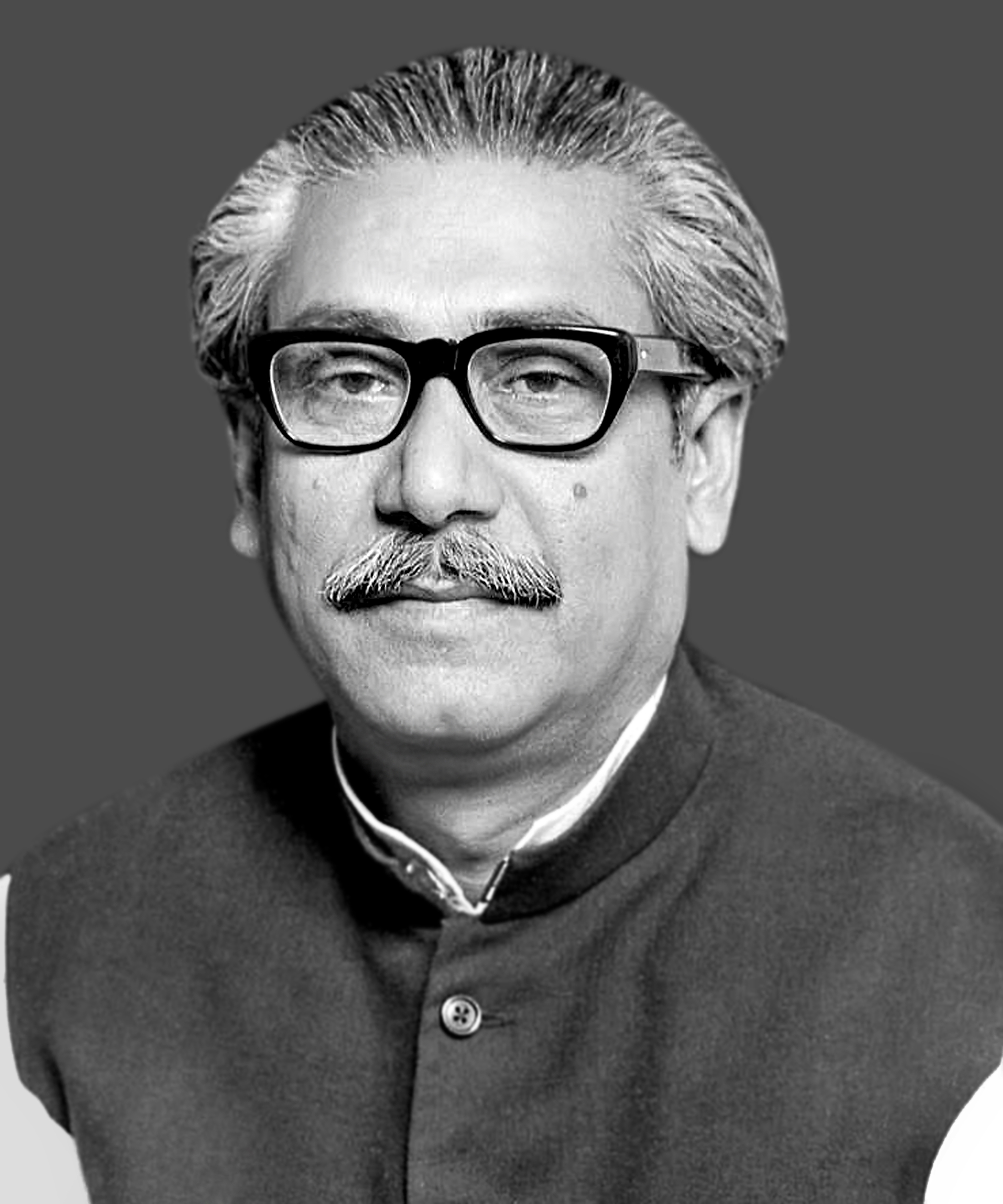
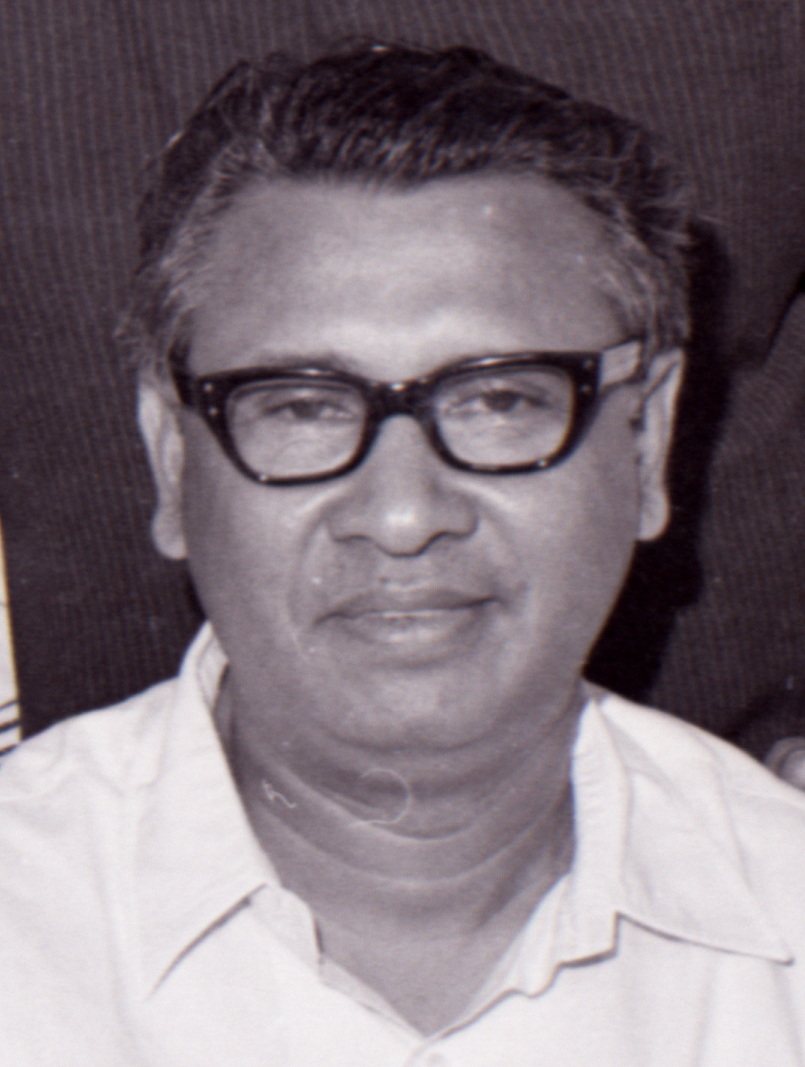
Join the community
fans discussing