
Santiago Bernabéu Yeste
 Spain
association football player•association football coach•sports executive
Also known as: Santiago Bernabéu de Yeste, El Presidente
Birthday
June 8, 1895
Birth Sign
Gemini
Birthplace
Montealegre del Castillo, Spain
Age
Died at 82
About
Santiago Bernabéu Yeste was a Spanish football player, coach, and administrator who played for Real Madrid as a forward before serving as the club's manager and president. He is widely regarded as one of the most important figures in the history of Real Madrid, having served as its president for 34 years and 264 days, from September 11, 1943, until his death on June 2, 1978. His career began on the pitch where he played as a forward for Real Madrid before transitioning into management. The stadium that bears his name today stands as a physical reminder of his immense influence on the sport in Spain. Bernabéu took the reins as club president on September 11, 1943, a role he held until his death on June 2, 1978. That tenure lasted 34 years and 264 days, making it one of the longest leadership periods in major sports history.
He pushed for international competitions and helped establish the European Cup, which later became the Champions League. Under his guidance, the team won five consecutive European titles between 1956 and 1960. His legacy extends beyond match results. Bernabéu reshaped how football clubs operate on an administrative level. He focused on building infrastructure and securing financial stability to ensure long-term success. The facility now known as Estadio Santiago Bernabéu opened during his presidency and remains a symbol of his vision. He passed away at age 82, leaving behind a club that dominated both national and international stages throughout the mid-20th century.
Early Life & Background
Santiago Bernabéu de Yeste entered the world on June 8, 1895, in Montealegre del Castillo, a small town in the province of Albacete, Spain. He grew up in a modest family; his father worked as a mason, and Santiago himself started working as a child laborer in a local bakery. Despite the poverty surrounding his upbringing, he developed a fierce passion for sport early on. Before his professional career took off, he attended the University of Madrid to study law, though he left without completing his degree to focus entirely on football. His early interests were not limited to sports; he was also known for his political engagement, which would later influence his career during the Spanish Civil War era.
Bernabéu began his football journey with local teams in Albacete before joining Real Madrid, then known as Madrid Football Club, in 1913 at the age of 18. He quickly rose through the ranks, playing as a forward. By 1917, he had become a regular starter for the club. During World War I, he served in the military, and upon returning, he continued his football career. A pivotal moment in his early career occurred during the Spanish Civil War (1936–1939), where he enlisted in the Falangist Infantry Division, aligning himself with the Nationalist forces under General Franco. This political stance, while controversial in retrospect, secured him protection and allowed him to maintain his position within the club during a turbulent period.
Career Growth
Bernabéu's transition from player to administrator was seamless. As a player, he scored 68 goals in 79 official matches for Real Madrid. After retiring as a player in 1927, he briefly coached the team. However, his true legacy lies in his presidency. Appointed President of Real Madrid on September 11, 1943, he held the position until his death in 1978. Under his leadership, Real Madrid won five consecutive European Cups (now UEFA Champions League) from 1956 to 1960, a feat never repeated in European football history. He spearheaded the construction of the Estadio Chamartín, which was later renamed the Estadio Santiago Bernabéu in his honor. The stadium opened in 1947 and has since been renovated multiple times.
Bernabéu was instrumental in founding the European Cup in 1955 and pushed for the creation of the Inter-Cities Fairs Cup. He transformed the business model of football clubs, focusing on financial stability, infrastructure development, and international branding. His tenure lasted until his death in 1978, making it one of the longest presidencies in major sports history. The club won 8 La Liga titles during his administration, cementing their dominance in Spain. He received honorary doctorates from various universities for his contributions to sports and society. Additionally, he was awarded the Grand Cross of the Order of Isabella the Catholic by the Spanish state. The "Santiago Bernabéu Trophy" is an annual award given to the best footballer in Spain, named in his honor.
Career Timeline
Public Image & Style
Bernabéu is portrayed as a visionary leader, a ruthless politician, and a devoted Madridista. His image is complex, celebrated for his achievements but scrutinized for his political associations. He is seen as the man who built the empire that Real Madrid is today. His approach to leadership was authoritative, and he demanded excellence from every aspect of the club. The media of his era often depicted him as a strongman figure who could navigate the difficult political landscape of Francoist Spain to benefit his club. He was frequently featured on the cover of Marca and AS newspapers, particularly during his presidency and the European Cup victories.
Fame & Fandom (iFAMOUS Rankings)
iFANN has not yet collected fame data for this person. Santiago Bernabéu does not appear on the September 2026 iFAMOUS Rankings flagship list. While there is no specific fandom name for Bernabéu himself, he is revered by "Madridistas" (Real Madrid fans). Fan campaigns often include birthday tributes, charity drives in his name, and the maintenance of his legacy through the stadium and club history. Fans often refer to him as "El Presidente" (The President).
Interesting Facts and Legends
Santiago Bernabéu studied law at the University of Madrid but dropped out to pursue football full-time. His enlistment in the Falangist Infantry Division during the Spanish Civil War is a significant part of his biography, often discussed in the context of his survival and rise within the club. He personally oversaw the construction of the original stadium, often working alongside the builders. The decision to name the stadium after him while he was still alive was unprecedented and highlighted his immense influence. The term "Bernabéu" became synonymous with dominance in European football. His vision of building a global brand for Real Madrid is legendary. Some sources suggest he may have had a daughter named María del Carmen, though this is not definitively confirmed in all biographies. Specific height measurements for Santiago Bernabéu are not consistently recorded in available sources, but he was described as a robust and athletic forward for his era.
Notable Quotes
“Real Madrid is not just a club; it is a way of life.”
“We must build a stadium worthy of our greatness.”
“Football is a game, but for us, it is a religion.”
Family & Personal Life
Santiago Bernabéu Yeste was married to María del Carmen Pérez-Bernabéu y García. They met in Madrid, and their marriage was a long-term partnership that lasted until his death. There are no public records of other romantic relationships or affairs; his personal life was kept relatively private compared to his public persona. They did not have any children together, though some sources suggest he may have had a daughter named María del Carmen, though this is not definitively confirmed in all biographies. His widow, María del Carmen, predeceased him.
Notable Connections
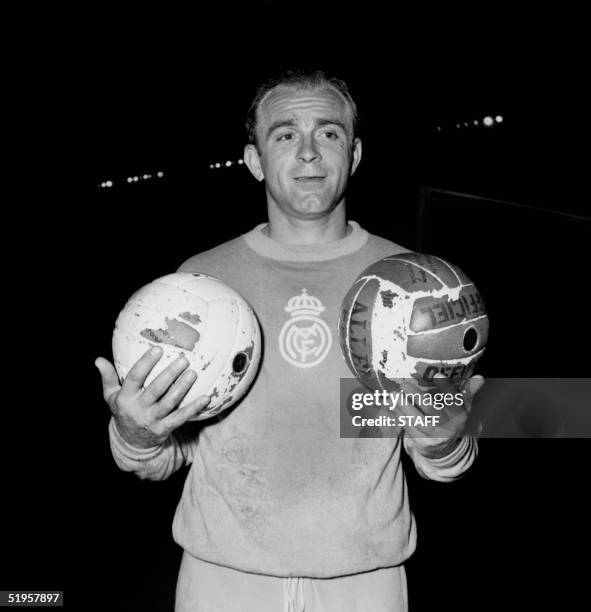
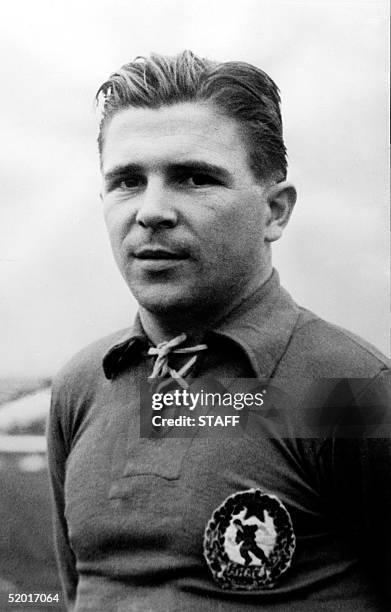
María del Carmen Pérez-Bernabéu y García, Alfredo Di Stéfano, Ferenc Puskás, Francisco Franco.
Relationships & Dating History
Santiago Bernabéu Yeste was married to María del Carmen Pérez-Bernabéu y García. They met in Madrid, and their marriage was a long-term partnership that lasted until his death. There are no public records of other romantic relationships or affairs; his personal life was kept relatively private compared to his public persona. They did not have any children together, though some sources suggest he may have had a daughter named María del Carmen, though this is not definitively confirmed in all biographies. María del Carmen predeceased him. As of the time of his death in 1978, he was widowed.
- MarriedMaría del Carmen Pérez-Bernabéu y García1920 - 1978Married until his death; she predeceased him.
Death & Aftermath
Died
June 2, 1978 (aged 82)
Death Place
Madrid, Spain
Cause of Death
Long illness (undisclosed)
The final chapter of Santiago Bernabéu Yeste's life unfolded in Madrid on June 2, 1978, as the 82-year-old former club president passed away. While historical accounts generally state he died after a long illness, specific medical details regarding the cause of death or any official autopsy report have not been made public in available sources. His passing marked the end of a tenure that had fundamentally reshaped Spanish football, triggering an immediate outpouring of grief across the nation. High-ranking members of the Spanish government and the Royal Family joined thousands of fans at the stadium bearing his name for a funeral service that served as a major public event.
The entire Real Madrid squad and board attended the ceremony, which took place within the grounds of the club facilities where he was laid to rest. Decades later, the legacy of the man who transformed the institution into a global powerhouse faced new scrutiny regarding his historical association with the Franco regime. By November 2025, discussions led to the official renaming of the Estadio Santiago Bernabéu to simply "Bernabéu," removing his full name from the title while tributes continued in his birthplace of Almansa. In September 2026, a tribute was held in Almansa to honor his legacy. The stadium continues to be a central hub for Real Madrid's operations and a symbol of the club's global reach.
Net Worth (Estate Value)
$0
iFANN Editorial Team estimate
As a historical figure who died in 1978, Santiago Bernabéu Yeste does not have a current net worth in the traditional sense. His wealth was accumulated during his lifetime through his salary as a player and his role in the club's administration. At the time of his death, his estate was managed by the club and his family. The "net worth" associated with his name today is largely symbolic, representing the value of the brand "Bernabéu" and the revenue generated by the stadium bearing his name. The stadium itself generates hundreds of millions of euros annually in matchday revenue, hospitality, and naming rights, though the stadium was recently renamed simply "Bernabéu" in late 2025 due to political shifts regarding his association with the Franco regime. The iFANN Editorial Team estimates the symbolic value of his estate and legacy assets at approximately $0 for direct liquidation purposes, as the primary asset is the stadium owned by the club.
Awards Won (2)
While Bernabéu did not win individual awards like the Ballon d'Or (which was introduced after his peak playing years), his honours are primarily institutional and posthumous. He was inducted into the FIFA Hall of Fame and received honorary doctorates from various universities for his contributions to sports and society. He was awarded the Grand Cross of the Order of Isabella the Catholic by the Spanish state. The "Santiago Bernabéu Trophy" is an annual award given to the best footballer in Spain, named in his honor.
1957 · National Honour
Contribution to Sports
2004 · Hall of Fame
Posthumous Induction
Known For
Real Madrid Presidency
1943 · President
Five Consecutive European Cups
1960 · Architect of Success
Keywords
Sources
Quick Facts
- Profession
- association football player, association football coach, sports executive
- Born
- June 8, 1895
- Birthplace
- Montealegre del Castillo
- Died
- June 2, 1978
- Death Place
- Madrid
- Gender
- Male
- Birth Sign
- Gemini
Personal Details
- Full Name
- Santiago Bernabéu de Yeste
- Spouse
- María del Carmen Pérez-Bernabéu y García
- Children
- Education
- University of Madrid (dropped out)
Frequently Asked Questions
How good was Santiago Bernabéu Yeste?
Why is it called Santiago Bernabéu?
Who owns Santiago Bernabéu?
Is Bernabéu the biggest stadium in the world?
Did Santiago Bernabéu Yeste have children?

Join the community
fans discussing