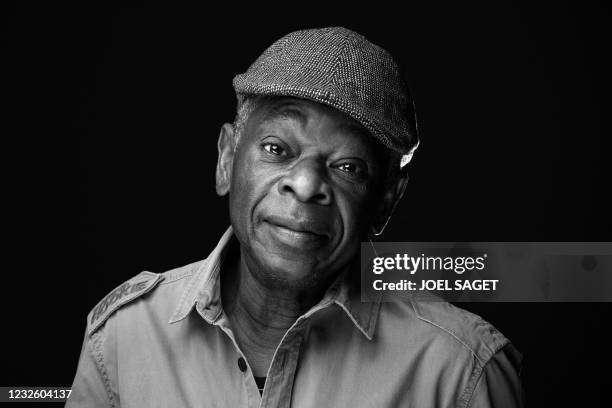
Sam Mangwana
 DR Congo
Also known as: Le pigeon voyageur, Samuel Domingos Mangwana
Birthday
February 21, 1945
Birth Sign
Pisces
Birthplace
Kinshasa, Democratic Republic of Congo
Age
81 years old
About
Sam Mangwana is a Congolese singer with deep Angolan roots, widely regarded as one of the last great voices of the golden age of Congolese rumba. Born Samuel Domingos Mangwana on February 21, 1945, in Kinshasa, he has spent over six decades on stage, singing in more languages than most artists ever attempt: Lingala, Kikongo, Bambara, Swahili, French, English, Portuguese, and Spanish. That multilingual reach is a big part of why his music travels so well across the continent.
Mangwana's career spans membership in two of Africa's most important bands, TPOK Jazz and African Fiesta, followed by a prolific solo run that produced hits like "Maria Tebola" and "Suzanna Coulibaly." His songs often take aim at corruption and violence, which helped earn him a devoted following from West to Southern Africa, a craze that became known as "Mangwana fever." As of 2026, he remains active, celebrating 81 years and 62 years in music, and still performing for audiences who grew up with his records and new fans discovering them.
Early Life & Background
Sam Mangwana grew up in Kinshasa, in what was then the Belgian Congo, surrounded by the city's lively music scene. He was born to Angolan parents, and that heritage would later pull him toward Luanda, but his first musical education came from the streets and clubs of Kinshasa. As a teenager, he was drawn to the guitar-driven rumba that was taking shape in the Congo, and he began singing whenever he could.
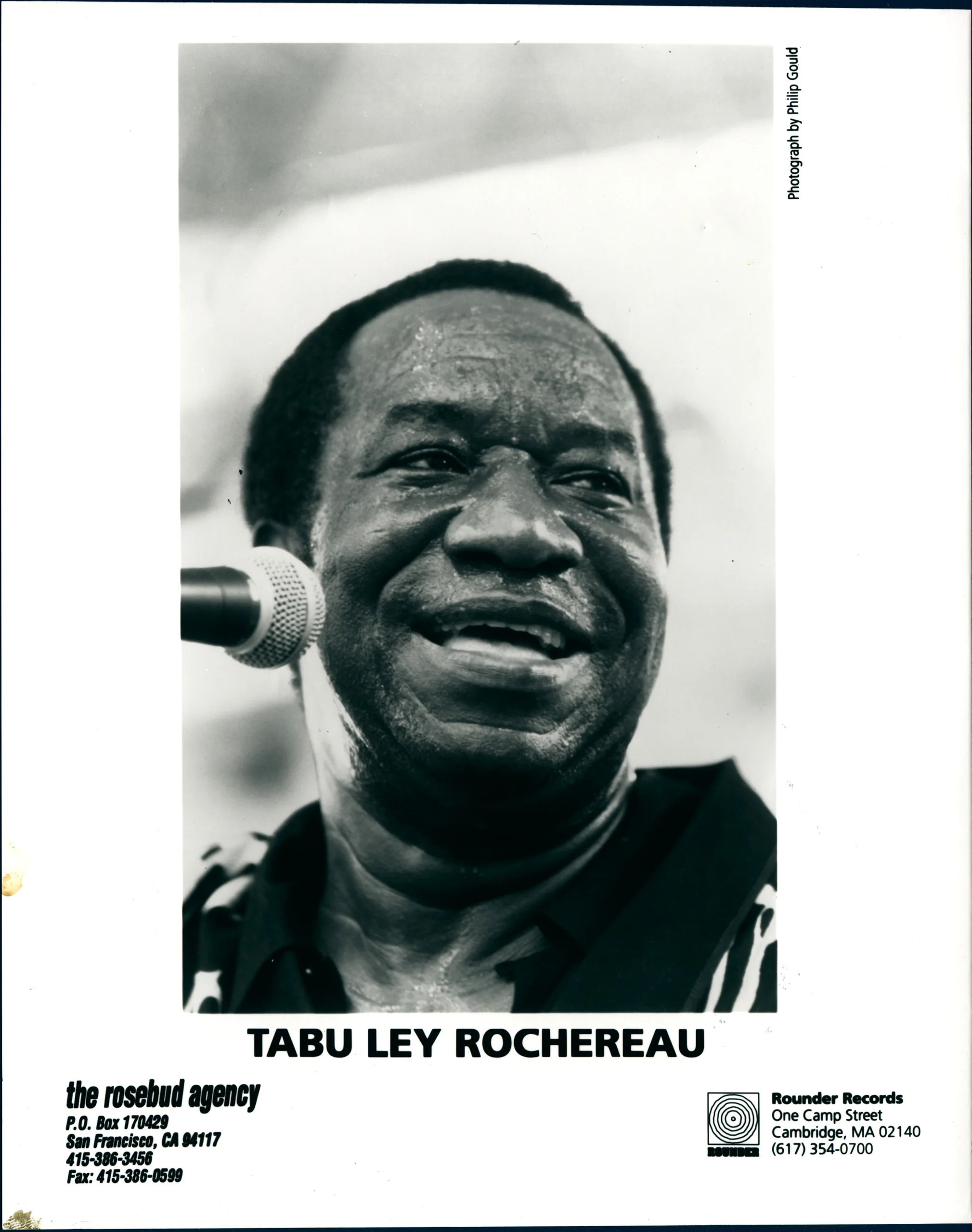
In 1963, at age 18, Mangwana got his first big break when he joined African Fiesta, the band led by Tabu Ley Rochereau. That was his entry into professional music, and it put him in the middle of the soukous revolution. Five years later, in 1968, he moved to TPOK Jazz, the legendary outfit run by Franco Luambo Makiadi. Playing alongside Franco and the band's other stars sharpened his tenor voice and taught him how to work a crowd. Those early years in two of Africa's most influential groups set the foundation for everything that followed.
Career Growth
Mangwana's solo career took off in the 1970s. In 1975 he released the album Maria, which blended rumba with modern arrangements and became a touchstone. That same year he recorded "Toboyana Kaka" with TPOK Jazz, a homage to Lola Chécain. Around this time he also formed his own bands, Festival des Maquisards and later African All Stars, giving him a platform to push his sound further. African All Stars disbanded in 1979, but Mangwana kept going.
The 1980s brought his biggest hits. "Maria Tebola" came out in 1983, followed by "Suzanna Coulibaly," and both became anthems across Africa. His lyrics took on corruption and violence, which made him a voice for the people and helped drive the "Mangwana fever" that swept the continent. He kept recording and touring through the decades, and in 2016 he returned to the stage to revive the spirit of African unity. In 2024 he collaborated with Reddy Amisi on "Déception Masudi," showing he still had plenty to offer. As of 2026, with 62 years in music behind him, Mangwana remains a living link to the golden age of Congolese rumba.
Career Timeline
Public Image & Style
Mangwana's public image is that of a dignified elder statesman of African music. He is often described as embodying the golden age of Congolese rumba, and his powerful tenor voice remains his signature. His lyrics tackle serious themes like corruption and violence, which has made him a trusted voice for social commentary. Fans across the continent call it "Mangwana fever," and his multilingual repertoire only adds to his appeal. He is seen as a cultural ambassador who used music to speak truth to power, and that reputation has only grown as he has aged.
Fame & Fandom (iFAMOUS Rankings)
Sam Mangwana stands as a monumental figure in African music, currently ranked as the 64th most famous person in Afrobeats by the iFANN Global Fame Rankings, a position he has held steady through shifting musical landscapes. This standing reflects a career that transcends borders, with his voice serving as a bridge between the Congo and Angola while maintaining deep roots across the continent. His fanbase operates not as a structured organization with a specific name, but as a vast network of cultural preservationists who view him as a pillar of the golden age of Congolese rumba. These supporters engage in informal acts of reverence, attending tribute concerts like the PAM Club series and curating mixtapes that introduce his work to new generations. The audience values historical continuity, celebrating milestones such as his eight-decade tenure on stage and his enduring connection to East Africa, where his return tours remain highly anticipated events. While modern pop stars often rely on organized digital campaigns, Mangwana's influence stems from the organic longevity of his discography and the deep personal bonds he forged with audiences in Kenya and beyond. His legacy is one of quiet authority, where the sheer weight of his contributions speaks louder than any marketing campaign could. As a cultural ambassador, he has maintained a dignified presence, allowing his music to travel effortlessly across languages and borders without the need for manufactured hype.
Interesting Facts and Legends
Sam Mangwana is sometimes called "Le pigeon voyageur," the homing pigeon, a nod to his constant travels across Africa. He was the subject of a tribute track by Cortega on Pan-African Music's PAM Club series. Franco once expressed a wish to sing a song praising his Kenyan friend Harrison Odongo Aywa, a sign of the deep East African connections Mangwana helped build. Despite his fame, he has kept details of his personal life largely private, and he continues to live in Luanda, Angola, his ancestral home. A story fans still retell involves his massive popularity in Kenya during the 1970s and 1980s. When he released the hit song "Maria Tebola" in 1983, followed by "Suzanna Coulibaly," he achieved legendary status across East Africa. Recent reports highlight his long-awaited return to Kenya after visiting the country only once four decades prior, proving that his absence left a cultural memory strong enough to generate significant anticipation among local audiences. His legacy also rests on his role as a transnational icon bridging Kinshasa and Luanda, celebrated for reviving the spirit of African unity on stage in the Republic of the Congo.
Family & Personal Life
Mangwana was born to Angolan parents in Kinshasa, and that Angolan heritage has always been central to his identity. He now lives in Luanda, Angola, where he has made his home in recent years. Public details about his immediate family, including whether he has children, are scarce, as he has kept that side of his life out of the spotlight. What is clear is that his family roots in Angola have shaped both his music and his sense of belonging.
Notable Connections
Mangwana's career is deeply tied to two towering figures: Tabu Ley Rochereau, who led African Fiesta, and Franco Luambo Makiadi, who led TPOK Jazz. Both bands shaped his sound. More recently, he collaborated with Reddy Amisi on "Déception Masudi" in 2024. His music also honored Lola Chécain, and he maintained friendships in East Africa, including with Kenyan Harrison Odongo Aywa.
Relationships & Dating History
Public information about Sam Mangwana's romantic life is almost nonexistent. He has kept his personal relationships private throughout his career, and no credible sources document any marriages, long-term partners, or dating history. As of 2026, there is no reported information about a current partner or spouse, and his relationship status remains unknown. Given his focus on music and his private nature, fans have little to go on beyond his public performances and recordings.
Salary, Net Worth In 2026
$5 Million
iFANN Editorial Team estimate
Sam Mangwana's net worth is not widely documented in public records, but his six-decade career as a recording artist and performer has certainly built a comfortable living. His income comes from record sales, streaming royalties, and live performances across Africa and beyond. He has released numerous albums and hit songs that continue to be played, and his legacy status keeps him in demand for concerts and festivals. Per iFANN's editorial analysis, his net worth is estimated at around $5 million as of 2026, accumulated through decades of music and touring. While he may not have the commercial machine of a pop star, his enduring catalog and loyal fanbase have kept him financially stable into his eighties.
Awards & Accolades
Known For
Maria
1975 · Solo album
Maria Tebola
1983 · Hit single
Suzanna Coulibaly
1980 · Hit single
TPOK Jazz
1968 · Member
African Fiesta
1963 · Member
Keywords
Sources
Quick Facts
- Profession
- Singer
- Born
- February 21, 1945
- Birthplace
- Kinshasa, Democratic Republic of Congo
- Gender
- Male
- Birth Sign
- Pisces
- Residence
- Luanda, Angola
- Years Active
- 1963-present
Personal Details
- Full Name
- Samuel Domingos Mangwana
Frequently Asked Questions
How old is Sam Mangwana?
Where is Sam Mangwana from?
What languages does Sam Mangwana sing in?
What bands was Sam Mangwana in?
Is Sam Mangwana still performing?
Social Media
Similar People
Join the community
fans discussing