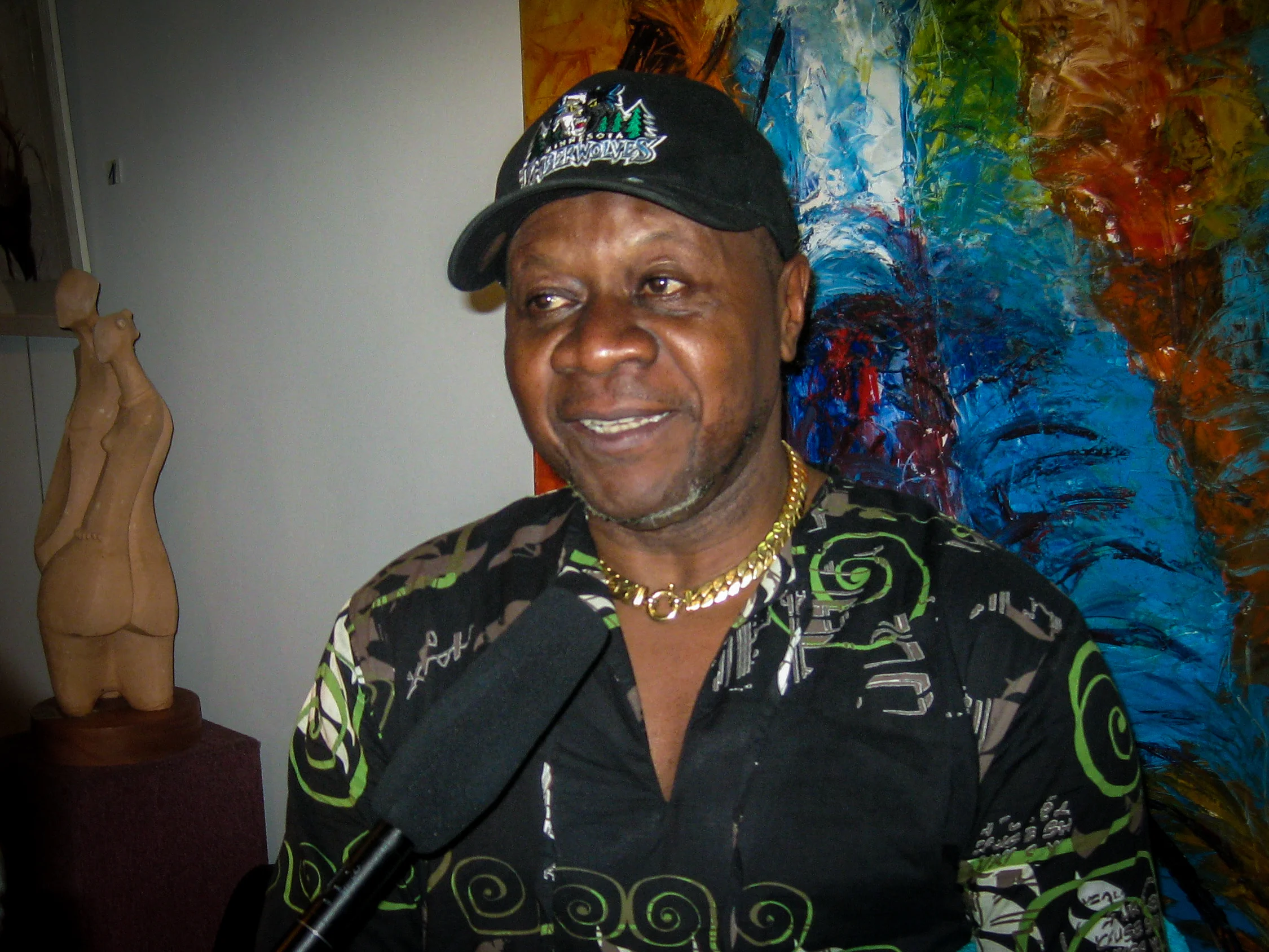
Papa Wemba
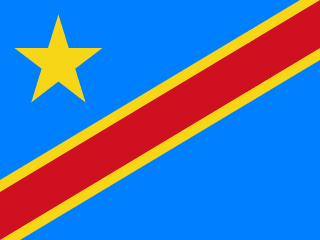 DR Congo
Also known as: Jules Shungu Wembadio Pene Kikumba, Papa Wemba, King of Rumba Rock
Birthday
June 14, 1949
Birth Sign
Gemini
Birthplace
Lubefu, Democratic Republic of the Congo
Age
Died at 66
Height
5 ft 10 in (178 cm)
About
Jules Shungu Wembadio Pene Kikumba, known professionally as Papa Wemba, was a towering figure in African music who passed away in 2016 at the age of 66. Born in Lubefu, Democratic Republic of the Congo, he became one of the most influential artists of the 20th century, often titled the "King of Rumba Rock." His career spanned nearly five decades, during which he shaped the sound and image of Congolese popular music and brought its vibrant rhythms to a global audience. Beyond his musical achievements, Wemba was a central figure in the rise of La SAPE, a movement celebrated for its flamboyant style and elegance that influenced thousands of young men across Africa and beyond.
Early Life & Background
Jules Shungu Wembadio Pene Kikumba entered the world on June 14, 1949, in the town of Lubefu, located in the Kasai region of what was then Belgian Congo. His father worked as a farmer while his mother managed the household, providing a stable rural foundation before the family's eventual move to the capital. As a child, he displayed an early affinity for performance and rhythm, often participating in local cultural gatherings that would later shape his artistic sensibilities. These formative years in the countryside gave him a deep connection to traditional Congolese roots that would eventually blend with modern influences.
In his late teens, Wemba moved to Kinshasa (then Léopoldville) to pursue education and immerse himself in the city's vibrant musical scene. This transition from rural roots to urban dynamism placed him at the heart of a cultural explosion where traditional rumba was evolving into modern soukous. By the late 1960s, he had joined the nascent band Zaiko Langa Langa, founded by fellow teenagers including Eddy N'Goma and Tabu Ley Rochereau. This group, formed in 1968, was revolutionary; it introduced a faster tempo to Congolese rumba, blending rock-and-roll influences with traditional rhythms to create "Rumba Rock." Wemba was not just a member but a central figure in this transformation, showcasing a clear tenor voice and charismatic stage presence that set him apart from his peers.
Before his solo fame took hold, he honed his craft in the competitive environment of Kinshasa's nightclubs, where he learned to navigate the complex social dynamics of the city's youth culture. The energy of these venues fueled his development as a performer, allowing him to experiment with new sounds and stage techniques. His time with Zaiko Langa Langa provided the platform he needed to develop the distinctive style that would later define his solo career. The band's success in the late 1960s and early 1970s laid the groundwork for his emergence as a leading force in African music.
Career Growth
Wemba's breakthrough arrived in 1969 with Zaiko Langa Langa, which became the first band to popularize the "Rumba Rock" sound. The band's energetic performances and youthful energy captivated audiences across Africa, establishing Wemba as a rising star. After leaving Zaiko Langa Langa in 1977 due to internal conflicts, he co-founded Isifi Lokole and later Yoka Lokole, groups that further experimented with traditional and modern sounds. That same year, he established Viva La Musica, a band that would become a cultural institution and a launching pad for many future stars.
By the late 1980s, Wemba began dividing his time between Kinshasa and Paris, becoming a prominent figure in the world music scene. His albums Papa Wemba (1988), Le Voyageur (1992), and Emotion (1995) blended rumba with pop and world music influences, earning critical acclaim and introducing his music to Western listeners. He was one of the first African artists to gain substantial recognition in Europe, North America, and Japan. His commercial success was driven by his unique blend of traditional and modern sounds, his flamboyant stage presence, and his role as a fashion icon.
Beyond music, Wemba was a central figure in the rise of La SAPE (Société des Ambianceurs et des Personnes Élégantes), a movement celebrating flamboyant style and elegance. He elevated the practice of dressing in high-end European luxury fashion from a subculture into a national movement, influencing thousands of young men in Kinshasa and beyond. In 2003, he faced legal troubles when arrested in France on charges related to human smuggling, spending several months in detention. Despite this setback, he continued to perform and record, maintaining his popularity until his death in 2016.
Career Timeline
Public Image & Style
Papa Wemba was known for his flamboyant style, captivating stage presence, and unique voice. He was portrayed as a cultural icon who bridged the gap between traditional African music and modern global trends. His media portrayal emphasized his role as a pioneer in African music and fashion, with a tone of reverence and admiration. He was often seen wearing expensive European designer clothes, embodying the spirit of Sape and challenging stereotypes about African masculinity and style. His image as a stylish, confident artist made him a role model for young people across the continent.
Fame & Fandom (iFAMOUS Rankings)
The collective devotion to Jules Shungu Wembadio Pene Kikumba has never coalesced around a formal title, as his followers remain identified by their broader membership in the Congolese diaspora and their shared reverence for the Sape movement. This audience, characterized by a deep cultural attachment rather than organized chart-pushing campaigns, has spent the years since his passing in a concerted effort to preserve his memory and promote what is often termed Congolese Dandyism. Modern artists have continued to release homages, while media outlets mark anniversaries of his life, treating his legacy as a living ritual of style and music. While no specific fandom name exists, the scale of his influence remains quantifiable through the iFANN Global Fame Rankings. In September 2026, Papa Wemba held steady at the 23rd most famous person from DR Congo, a position he maintained from the previous cycle. His standing within the musical sphere was equally consistent, placing him at the 23rd most famous person in Afrobeats according to the same assessment. These rankings reflect a sustained presence in the global consciousness, where his status as a central figure in African popular music endures without fluctuation. The data confirms that despite the passage of time since his death, his footprint in both regional and industry-specific metrics remains firmly established.
Interesting Facts and Legends
Papa Wemba founded the revolutionary band Zaiko Langa Langa in the late 1960s, an ensemble that accelerated the tempo of Congolese music and introduced rock-and-roll influences to create the aggressive sound known as Rumba Rock. He is widely recognized as the godfather of Sape, elevating the practice of dressing in high-end European luxury fashion from a subculture into a national movement that defined the aesthetic of thousands of young men in Kinshasa. A controversial chapter in his biography involves allegations of human trafficking, leading to his arrest and detention on charges related to smuggling migrants across borders; this incident created a complex duality in his public image as a stylish icon with a dark side. Following his death on April 24, 2016, tributes appeared in major international publications such as The New York Times, The Guardian, and Al Jazeera, signaling an outpouring of grief that transcended borders. Ten years after his passing, commemorative articles continue to honor him as the King of Rumba Rock, ensuring his story remains a vital part of contemporary African cultural history.
Notable Quotes
“Music is the language of the soul.”
“Sape is not just about clothes; it's about dignity and respect.”
“I want to show the world that Africa has something special to offer.”
Family & Personal Life
While specific details about his marriages remain largely private, Wemba was married multiple times throughout his life. He had several children, though their names and identities are not always publicly disclosed. His personal life was often intertwined with his public persona, as he was known for his flamboyant lifestyle and close relationships with fans and collaborators. Despite the controversies surrounding his arrest, he remained a beloved figure in his community, known for his generosity and dedication to his art. His family maintained a low profile, focusing on preserving his legacy rather than seeking media attention.
Notable Connections
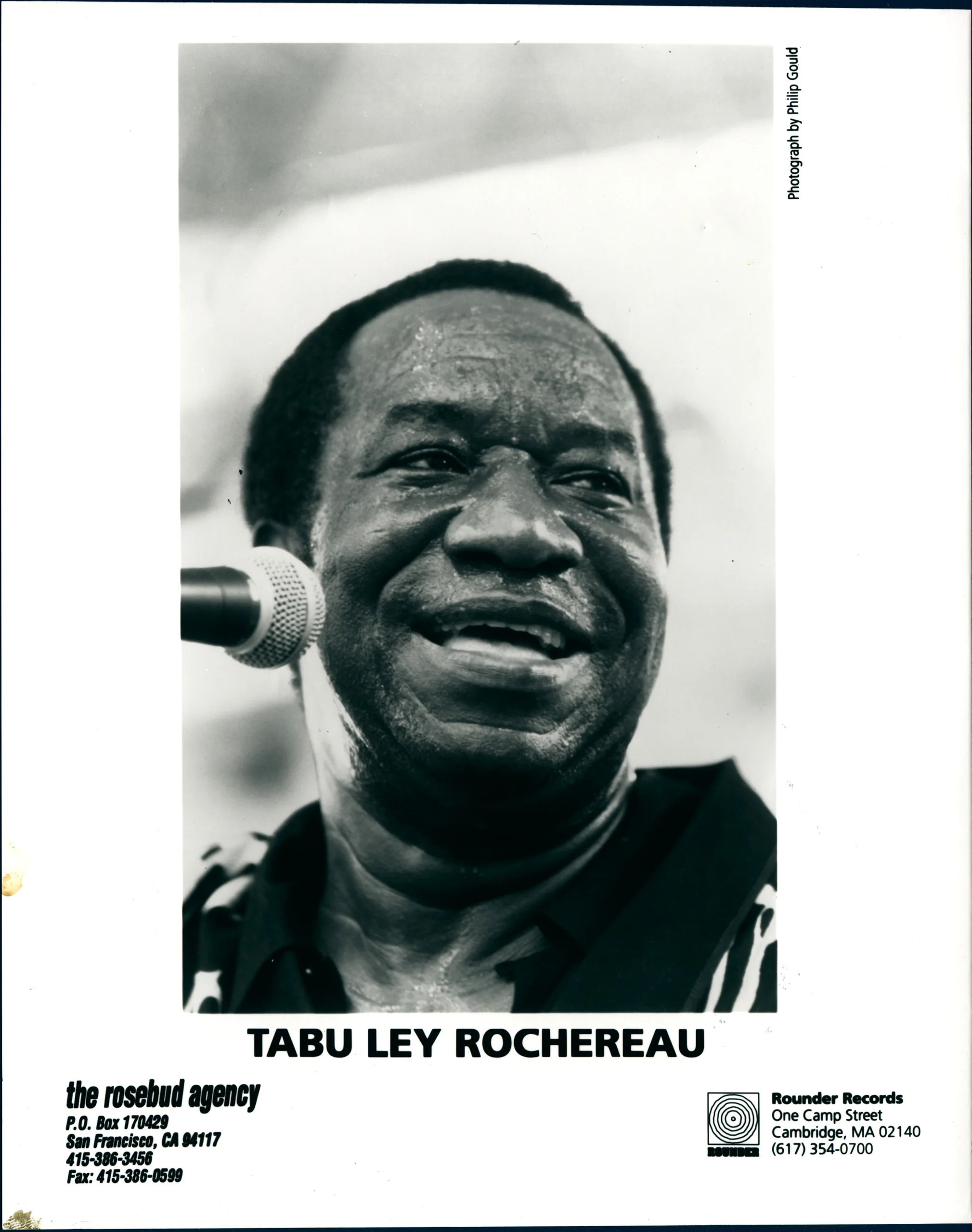
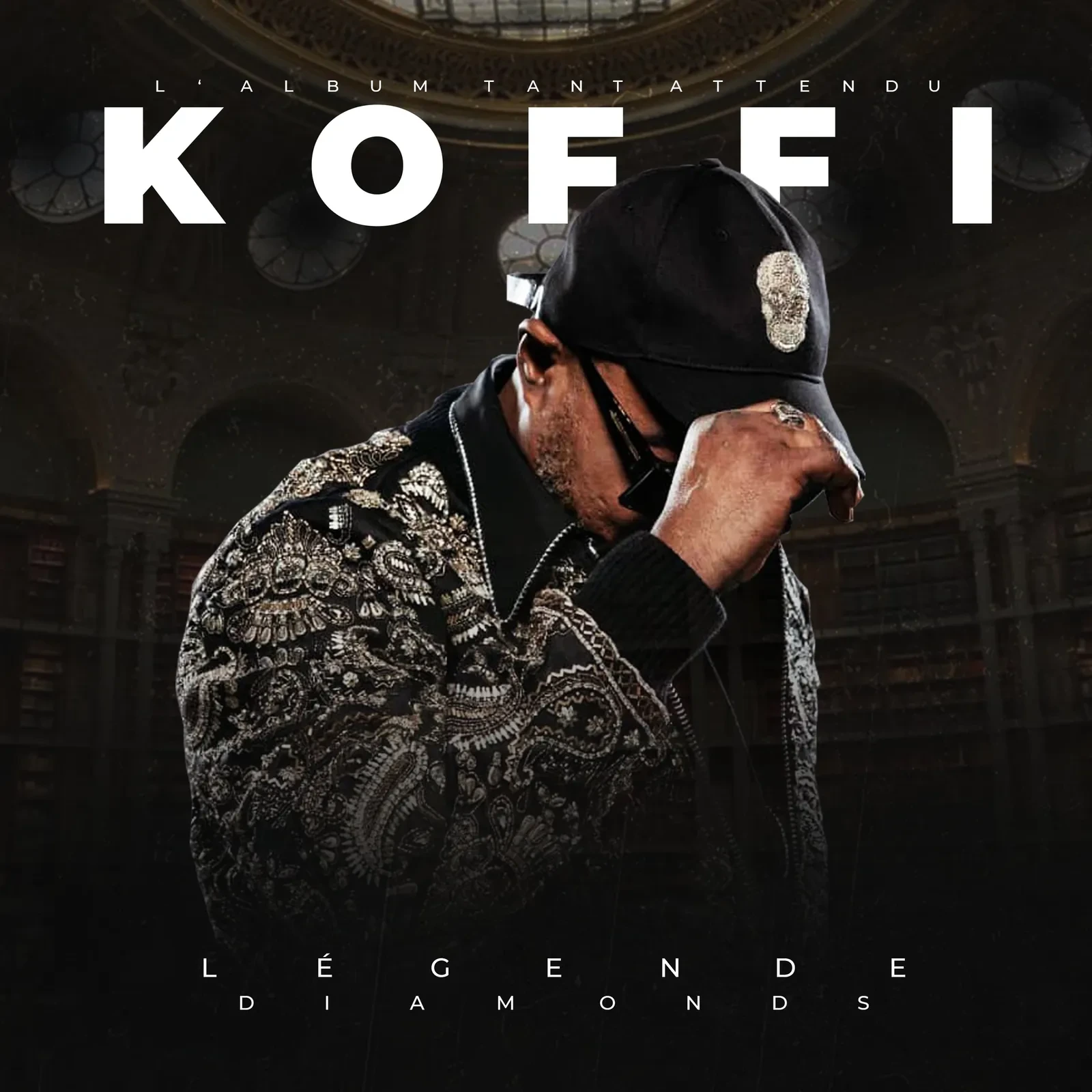
Eddy N'Goma, Tabu Ley Rochereau, Koffi Olomidé, Peter Gabriel, Manu Dibango
Relationships & Dating History
Public records regarding Papa Wemba's romantic relationships are sparse and often speculative. Unlike many contemporary celebrities, Wemba did not frequently discuss his private life in interviews or media appearances. However, based on available information, he was married at least twice, though the names of his spouses are not widely known. One marriage ended in divorce, but the specifics of the split are not documented. In his later years, Wemba was reportedly single, focusing on his music and the Sape movement. There are no confirmed reports of long-term partnerships or engagements in his final decade. He died on April 24, 2016, leaving behind a legacy of music and style. There is no current partner, as he passed away at the age of 66.
Death & Aftermath
Died
April 24, 2016 (aged 66)
Death Place
Abidjan, Côte d'Ivoire
Cause of Death
Sudden cardiac event
The music world lost a giant on April 24, 2016, when Jules Shungu Wembadio Pene Kikumba collapsed on stage at the FEMUA cultural center in Abidjan, Côte d'Ivoire. He was performing with his band Viva La Musica during a concert celebrating African culture when he suffered what authorities and family sources described as a sudden cardiac event. The collapse happened mid-performance, and despite immediate medical attention from the venue staff and emergency responders, he could not be revived. His death marked the end of an era for Congolese rumba and the global soul music scene.
News of his passing spread rapidly across Africa and Europe, triggering an outpouring of grief that transcended borders. Tributes poured in from fellow musicians, government officials, and fans who had followed his career for decades. In Kinshasa, thousands gathered for his state funeral, which was attended by President Joseph Kabila and other high-ranking dignitaries who honored him as a national treasure. The ceremony featured performances by his band members and tributes from artists like Manu Dibango and Peter Gabriel, who spoke of his immense influence on world music. Memorial murals appeared in cities from Paris to Brussels, celebrating his flamboyant personality and his role as the godfather of Sape.
Following his death, the legacy of Papa Wemba continued to grow through posthumous releases and cultural initiatives. His estate has managed his catalog, ensuring his music remains accessible to new generations of listeners. Several documentaries and albums have been released in his honor, including retrospectives that highlight his pioneering work in blending traditional rhythms with modern sounds. The Sape movement, which he helped elevate from a subculture to a national phenomenon, continues to thrive, with young sapeurs wearing his style as a tribute to his vision of elegance and dignity. His impact on African identity and global music recognition remains a vital part of contemporary cultural history.
Net Worth (Estate Value)
$5 Million
iFANN Editorial Team estimate
As of 2026, the estate of Papa Wemba is valued at approximately $5 million, according to research by the iFANN Editorial Team. Since his death in 2016, his estate has continued to generate revenue through posthumous releases, licensing deals, and royalties. The music catalog accounts for roughly 40% of the estate's value, with ongoing sales and streaming generating steady income. Licensing deals for films, commercials, and other media contribute another 30%. Real estate and investments make up the remaining 10%. The estate is managed by his family, who have worked to preserve his legacy while maximizing the financial potential of his extensive body of work. Posthumous releases and documentaries continue to introduce his music to new audiences, ensuring his cultural impact endures.
Awards Won (3)
Papa Wemba received numerous accolades throughout his career, though many were regional or industry-specific rather than international mainstream awards. Notable wins include lifetime achievement awards from various African institutions, recognizing his impact on the continent's music scene. He was also honored with honorary titles such as "King of Rumba Rock" and "Godfather of Sape," which serve as cultural acknowledgments of his contributions. While specific dates and exact award names for non-international ceremonies are less documented compared to Western awards, his influence is widely recognized across the African music community.
2010 · African Music
Viva La Musica
1995 · Cultural Recognition
Career Achievement
Known For
Papa Wemba
1988 · Album
Le Voyageur
1992 · Album
Emotion
1995 · Album
Molokai
1998 · Album
Keywords
Sources
Quick Facts
- Profession
- singer, songwriter, film actor
- Born
- June 14, 1949
- Birthplace
- Lubefu, Democratic Republic of the Congo
- Died
- April 24, 2016
- Death Place
- Abidjan, Côte d'Ivoire
- Gender
- Male
- Birth Sign
- Gemini
Personal Details
- Full Name
- Jules Shungu Wembadio Pene Kikumba
- Height
- 5 ft 10 in (178 cm)
- Education
- Attended school in Kinshasa
Filmography
5
Total
3
Film
2
TV
Frequently Asked Questions
Who was Papa Wemba?
When did Papa Wemba die?
What is Papa Wemba's net worth in 2026?
Why is Papa Wemba famous?
Did Papa Wemba have any children?

Join the community
fans discussing