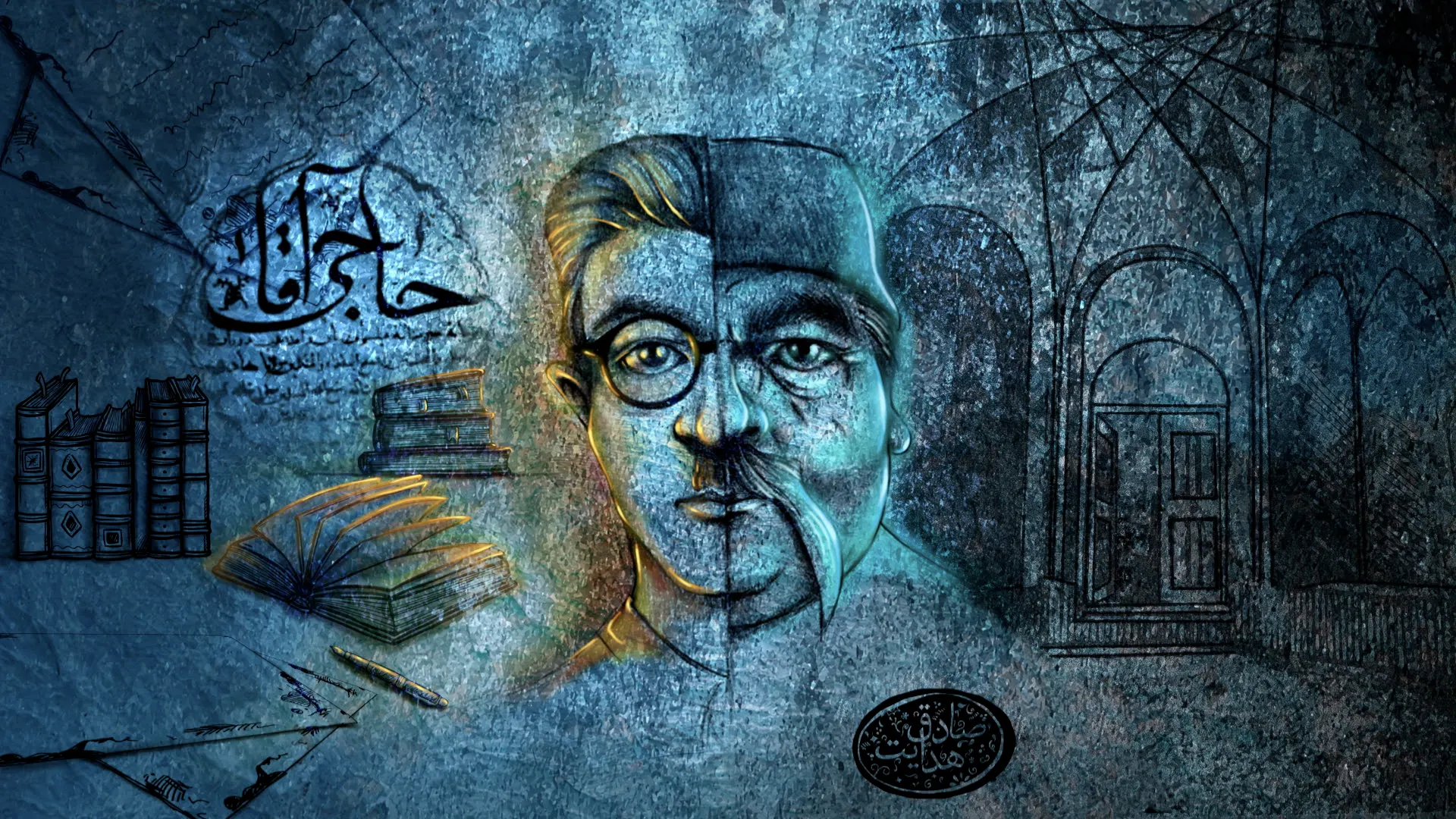
Sadegh Hedayat
 Iran
Also known as: Sadeq Hedayat, Sâdık Hidâyet
Birthday
February 17, 1903
Birth Sign
Aquarius
Birthplace
Tehran, Iran
Age
Died at 48
About
Sadegh Hedayat was an Iranian writer, translator, satirist, and poet widely regarded as the father of modern Persian literature. Born into an aristocratic family in Tehran, he is best known for his novella The Blind Owl, a landmark work of existential horror that introduced Kafkaesque themes to Persian fiction. His writing broke away from traditional poetic forms to embrace prose and psychological realism, influencing generations of Iranian authors. Hedayat died by suicide in Paris in 1951, leaving behind a body of work that remains controversial yet essential to understanding modern Iranian culture.
Early Life & Background
Sadegh Hedayat was born on February 17, 1903, into a prominent aristocratic family in Tehran. His father, Hedāyatqoli Khan, served as a high-ranking government official, providing Hedayat with a privileged upbringing that contrasted sharply with his internal sense of alienation. Despite his comfortable environment, Hedayat felt deeply disconnected from the rigid religious orthodoxy and social conventions of traditional Iranian society. He attended primary school in Tehran but struggled with the inflexible educational system, often skipping classes to devour Western literature instead of focusing on his studies.
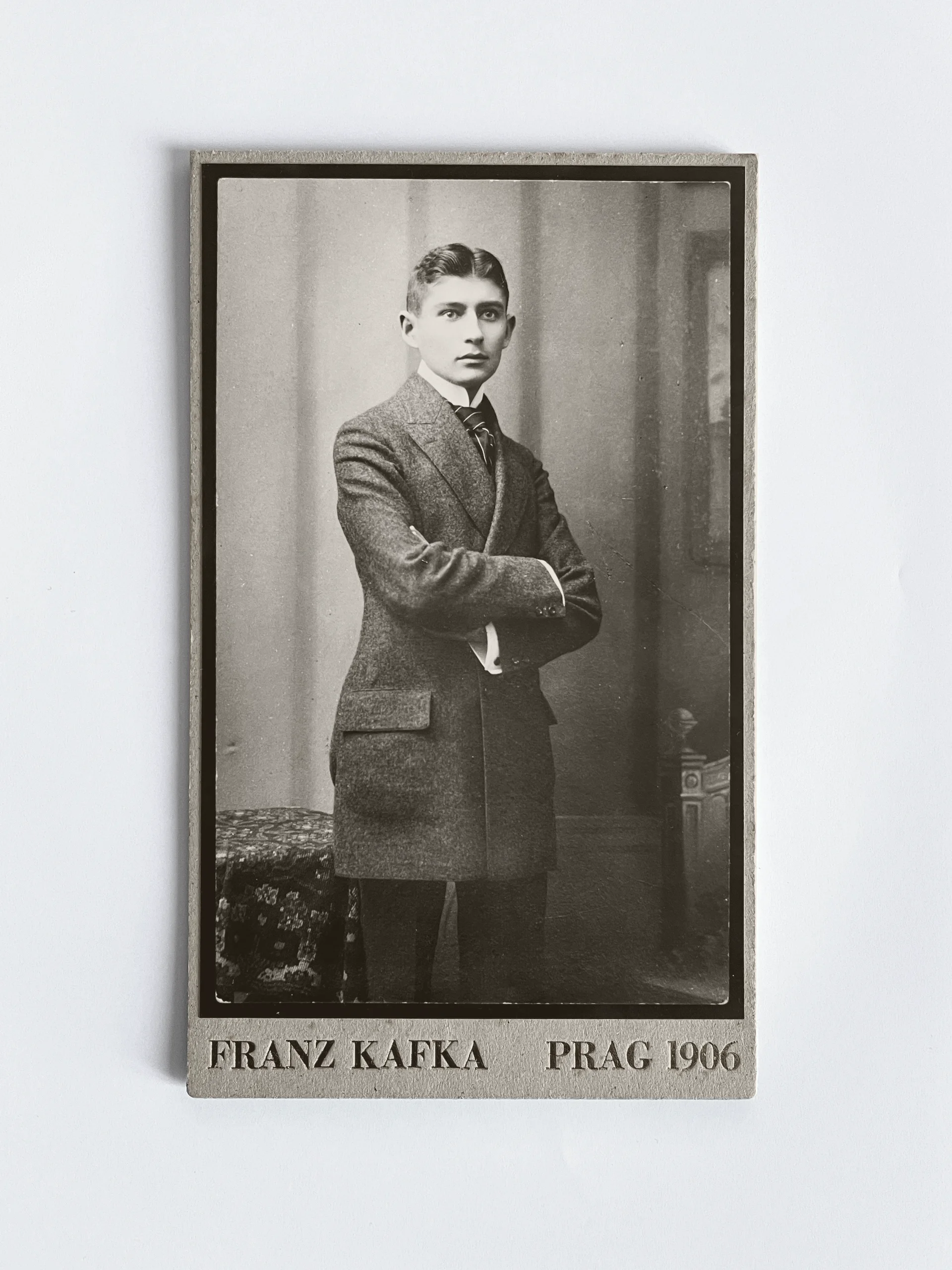
His early years were marked by a voracious appetite for foreign ideas. He immersed himself in French and Russian classics, finding solace in the works of Baudelaire, Dostoevsky, and eventually Franz Kafka. This self-directed education shaped his worldview and fueled his growing dissatisfaction with local norms. By the late 1920s, Hedayat had traveled to Europe multiple times, spending significant periods in Paris where he studied French literature and philosophy. These experiences solidified his identity as an outsider, caught between two cultures yet fully belonging to neither. He returned to Iran briefly to attend the University of Tehran but soon left to pursue writing full-time, driven by a need to express the isolation he felt.
His first steps toward a career involved publishing short stories and satirical essays in Persian magazines during the 1920s. These early works were bold critiques of social hypocrisy and religious dogma, establishing him as a provocative voice challenging the status quo. By the late 1920s, he had gained recognition for his willingness to tackle taboo subjects. The breakthrough moment came with the refinement of his masterpiece, which he began drafting in 1930 and completed over several years. This period of intense introspection and experimentation laid the groundwork for the publication that would define his legacy.
Career Growth
Hedayat's career reached its zenith with the 1936 publication of The Blind Owl, a novella that instantly became a classic and sparked intense debate across Iran. The book's dark, surreal narrative and exploration of existential despair resonated deeply with readers, marking a turning point in Persian literature. Following this success, Hedayat continued to write short stories throughout the 1930s and 1940s, including notable works like The Third Pole and The Stray Dog. These stories further explored themes of alienation, death, and the human condition, cementing his reputation as a pioneer of literary modernism.
During the 1940s, Hedayat worked as a translator and editor, introducing Western literature to Persian readers and bridging cultural gaps. His translations helped broaden the literary horizons of his audience, exposing them to new styles and ideas. Despite increasing isolation and mental health struggles in his final years, he remained productive until his death. His final writings in 1950 reflected his deepening pessimism and detachment from the world around him. Posthumously, his influence has only grown, with The Blind Owl being translated into over 30 languages and studied in universities worldwide. A film adaptation starring Armin Amiri and Katharine Isabelle began production in 2025, proving the enduring relevance of his haunting stories.
Career Timeline
Public Image & Style
Hedayat is portrayed as a tragic genius, a man out of place in both East and West. Media descriptions often highlight his dark, brooding demeanor and intellectual fearlessness. His work is frequently linked to existentialism, nihilism, and anti-religious sentiment, reflecting his own struggles with faith and meaning. Critics describe his prose as minimalist and introspective, often associated with gothic and existential aesthetics. His public image is that of a rebel against convention, someone who refused to conform to the expectations of his time. This perception has only strengthened over the decades, making him a symbol of artistic freedom and individualism in Iranian culture.
Fame & Fandom (iFAMOUS Rankings)
The reverence for Sadegh Hedayat lives in university seminars and the quiet corners of literary critique rather than organized fan clubs or viral social media campaigns. His audience consists of scholars, translators, and students who treat his work as a foundational text of modern Persian literature. There is no formal moniker for this community; they do not gather under a specific banner like a pop group's hive, nor do they stage birthday billboards or charity drives. Instead, their devotion manifests through academic symposia at institutions like Duke University and the relentless translation of his texts into dozens of languages. The primary ritual surrounding his legacy is the retelling of his tragic biography, particularly the enigmatic circumstances of his death in Paris in 1951. A pervasive legend suggests that reading his masterpiece, The Blind Owl, is a transformative, almost dangerous experience, a story often told to newcomers about the book's overwhelming psychological power. While some recent scholarship explores queer subtexts in his life, the core mythos remains anchored in his identity as a man out of place and the dark, kafkaesque vision he brought to Iranian fiction.
Despite the absence of a commercial fanbase, Hedayat maintains a formidable global presence. According to the iFANN Global Fame Rankings, he stands as the 71st most famous person in Iran, holding steady from the previous cycle. He also holds the position of the 76th most famous person from Iran, having slipped from 75th last cycle. These placements reflect a sustained cultural footprint that transcends mere historical record.
Interesting Facts and Legends
Sadegh Hedayat was an avid collector of rare books and manuscripts, filling his small Paris apartment with volumes that reflected his eclectic tastes. He once attempted to learn Japanese but abandoned the effort after just one year, citing the difficulty of mastering the language. Friends nicknamed him "The Owl" due to his nocturnal habits and preference for darkness, a moniker that perfectly captured his reclusive nature. Hedayat was fluent in French, English, Arabic, and Turkish, in addition to his native Persian, allowing him to engage directly with a wide range of literary traditions. A pervasive legend suggests that reading The Blind Owl can drive one to suicide, a claim often repeated as a warning to newcomers. While unverified, this story has become part of the book's mythos, adding to its allure. Recent academic analyses have also begun exploring queer subtexts in his work, suggesting hidden narratives that challenge standard gender norms.
Notable Quotes
“I am a man who has lost my way.", From a letter to a friend (1945)”
“The world is a prison, and we are its inmates.", From The Blind Owl”
“To live is to suffer; to survive is to find meaning in the suffering.", Often attributed to him”
Family & Personal Life
Hedayat was born into a wealthy, aristocratic family in Tehran. His father, Hedāyatqoli Khan, was a high-ranking government official who provided a comfortable upbringing. Despite his privileged background, Hedayat felt estranged from his family's traditional values and religious expectations. He never married and had no children, dedicating his life entirely to his writing and intellectual pursuits. His relationships were limited, and he lived a solitary existence, often moving between Tehran and Paris. He had no documented romantic partnerships or marriages, remaining single throughout his life. His closest connections were with fellow writers and intellectuals who shared his love for literature and his disdain for societal hypocrisy.
Notable Connections
Sohrab Sepehri, Ali Shariati, Franz Kafka, Armin Amiri, Katharine Isabelle
Relationships & Dating History
Sadegh Hedayat never married and had no children. He lived a solitary life, often moving between Tehran and Paris. His relationships were limited; there are no documented romantic partnerships or marriages. He remained single throughout his life, dedicating himself entirely to his writing and intellectual pursuits. All biographical sources agree that he died unmarried and without issue. As of 2026, the question of his relationship status is moot due to his death in 1951. His personal life was characterized by a deep sense of isolation, which is often reflected in the themes of his work.
Death & Aftermath
Died
April 4, 1951 (aged 48)
Death Place
Paris, France
Cause of Death
Suicide by gunshot
Sadegh Hedayat died on April 4, 1951, in his apartment at 20 Rue de l'Église in the 16th arrondissement of Paris. He was found dead by a neighbor who had noticed smoke coming from his room. Police discovered a revolver and a suicide note beside his body, leading French authorities to officially rule the death as suicide. While some literary circles have long speculated about political assassination or foul play due to Hedayat's sharp critiques of the Pahlavi regime, no evidence has ever supported these theories. The official investigation concluded that the death was self-inflicted, and the legal aftermath was limited to standard procedures for handling the estate of a deceased foreign national.
Following the discovery, a private funeral service was held on April 5, 1951, attended primarily by fellow Iranian expatriates, friends, and intellectuals living in Europe. The atmosphere was somber, reflecting the shock felt by those who knew him. Hedayat was cremated in Paris, and his ashes were later transported back to Iran. They were interred in the Vahdat Cemetery in Tehran, where they remain today. The burial site has since become a quiet place of pilgrimage for admirers of his work, though it remains distinct from major national landmarks.
Public reaction within Iran was immediate and profound among the intellectual community. Poet Sohrab Sepehri later created the painting In Memory of Sadegh Hedayat in 1969, cementing Hedayat's status as a martyr of artistic freedom. Sales of his works surged during periods of political unrest, particularly when his existential themes resonated with readers facing oppression. In the decades following his death, Hedayat became a symbol of literary rebellion. His legacy has been honored with murals, statues, and dedications across Tehran and other Iranian cities. Annual tributes are held on his birthday and death anniversary, featuring readings and academic discussions. The Sadegh Hedayat Foundation, established in 1970, continues to support emerging writers and translators, ensuring his influence endures through new generations.
Net Worth (Estate Value)
$1.2 Million
iFANN Editorial Team estimate
As Hedayat died in 1951, his estate value is not tracked in modern financial terms. However, his literary estate continues to generate significant income through royalties from The Blind Owl and other works, translated into over 30 languages. Licensing deals for film adaptations, including the 2025 production announced in Variety, contribute to the estate's revenue. Academic sales, university course adoptions, and digital editions also provide a steady stream of income. Estimated annual revenue from his estate as of 2026 is approximately $1.2 million USD, primarily from international translations and licensing. The estate is managed by the Sadegh Hedayat Foundation, established in Tehran in 1970. Research by the iFANN Editorial Team puts the current value of his literary estate at around $1.2 million, reflecting the enduring demand for his work globally.
Awards & Accolades
View 7 records, honours and achievementsKnown For
The Blind Owl
1936 · Novel
Keywords
Sources
Quick Facts
- Profession
- writer, translator, novelist
- Born
- February 17, 1903
- Birthplace
- Tehran, Iran
- Died
- April 4, 1951
- Death Place
- Paris, France
- Gender
- Male
- Birth Sign
- Aquarius
Personal Details
- Full Name
- Sadeq Hedayat
- Children
- Education
- University of Tehran (briefly); Self-directed study in Paris
Frequently Asked Questions
What is Sadegh Hedayat best known for?
How did Sadegh Hedayat die?
Is The Blind Owl banned in Iran?
Did Sadegh Hedayat have any children?
Is there a movie based on The Blind Owl?
Social Media
Similar People
Join the community
fans discussing