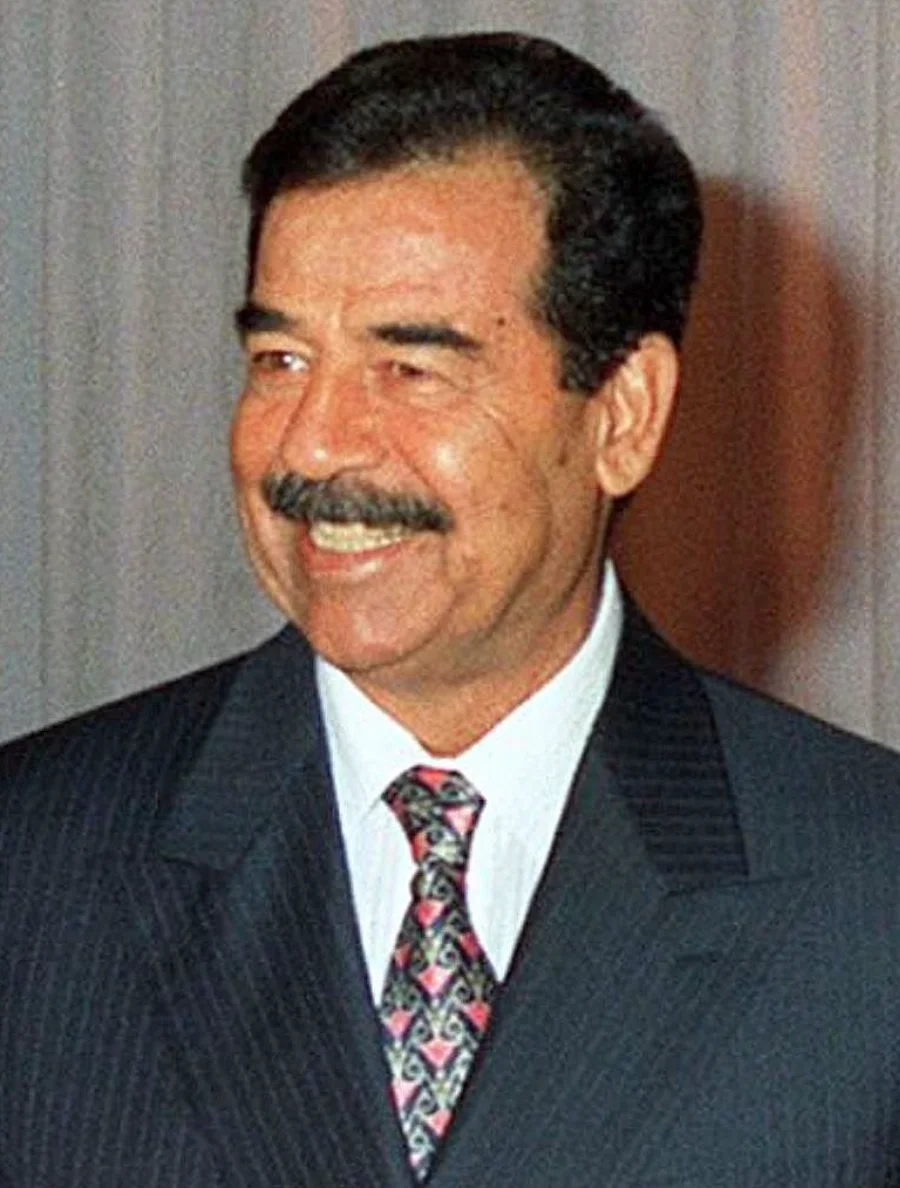
Saddam Hussein
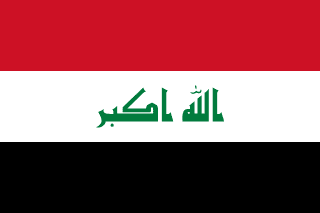 Iraq
IraqAlso known as: Saddam Hussein Abd al-Majid al-Tikriti, Butcher of Baghdad
Birthday
April 28, 1937
Birth Sign
Taurus
Birthplace
Al-Awjah, Iraq
Age
Died at 69
Height
6 ft 1 in (185 cm)
About
Saddam Hussein was the fifth president of Iraq, ruling from 1979 until his overthrow in 2003. He was a military man, novelist, and a leading figure in the Iraqi Ba'ath Party, championing a blend of Arab nationalism and socialism that became known as Saddamism. His presidency was defined by conflict, including the Iran-Iraq War, the invasion of Kuwait, and the Gulf War, as well as brutal repression of internal dissent. He was captured by US forces in 2003, tried for crimes against humanity, and executed in 2006.
To some Arabs, Saddam was a resolute leader who stood up to American imperialism and opposed Israeli occupation. To many Iraqis, particularly Shias and Kurds, and to much of the world, he was a tyrant guilty of mass repression and killings. Human Rights Watch estimates his regime was responsible for the murder or disappearance of 250,000 to 290,000 Iraqis. His legacy remains deeply polarizing, shaping Iraq's modern history and regional geopolitics.
Early Life & Background
Saddam Hussein was born on April 28, 1937, in the village of Al-Awjah near Tikrit. His father either died or abandoned the family before his birth, and his mother remarried. His stepfather treated him harshly, so he was sent to live with his maternal uncle, Khairallah Talfah, a former army officer and fervent Arab nationalist. This uncle became a major influence, instilling in Saddam a commitment to Arab nationalism and a desire to restore Iraqi pride.
Growing up in poverty, Saddam attended school in Baghdad and later studied law at the University of Baghdad, though he left before completing his degree. He joined the Ba'ath Party in 1957, drawn to its pan-Arab ideology. In 1959, he participated in a failed assassination attempt on Prime Minister Abd al-Karim Qasim, was wounded in the leg, and fled to Syria and then Egypt. While in Cairo, he studied law at Cairo University and deepened his political convictions.
He returned to Iraq after the 1963 Ba'athist coup, but when the party was ousted later that year, he was imprisoned. He escaped in 1967 and rose rapidly through the party's ranks, becoming a key organizer. His pivotal moment came on July 17, 1968, when he played a leading role in the bloodless coup that brought the Ba'ath Party back to power under President Ahmed Hassan al-Bakr.
Career Growth
After the 1968 coup, Saddam became vice president, wielding enormous power behind the scenes. He nationalized the Iraq Petroleum Company in 1972, using oil revenues to fund modernization programs, and introduced free healthcare, free education, and women's rights, including the right to vote and hold public office. When al-Bakr resigned in 1979, Saddam formally assumed the presidency, quickly purging rivals and consolidating absolute power.
In September 1980, he ordered the invasion of Iran, a war that dragged on for eight years and ended in stalemate, with an estimated one million casualties. During this conflict, he launched the genocidal Anfal campaign against Kurdish rebels, using chemical weapons, including the attack on Halabja. In 1990, he invaded Kuwait, triggering the Gulf War, where a US-led coalition expelled his forces in 1991. The war devastated Iraq's military and infrastructure.
Following the Gulf War, Saddam brutally suppressed uprisings by Kurds and Shias, and faced comprehensive economic sanctions. In the late 1990s, he embraced an Islamist agenda through the Faith Campaign, adding 'Allahu Akbar' to the Iraqi flag. In March 2003, the US-led invasion toppled his regime, and he went into hiding. Captured on December 13, 2003, near Tikrit, he was tried by the Iraqi High Tribunal for crimes against humanity, specifically for the 1982 massacre of 148 Shia villagers in Dujail. He was convicted and executed by hanging on December 30, 2006.
Career Timeline
Public Image & Style
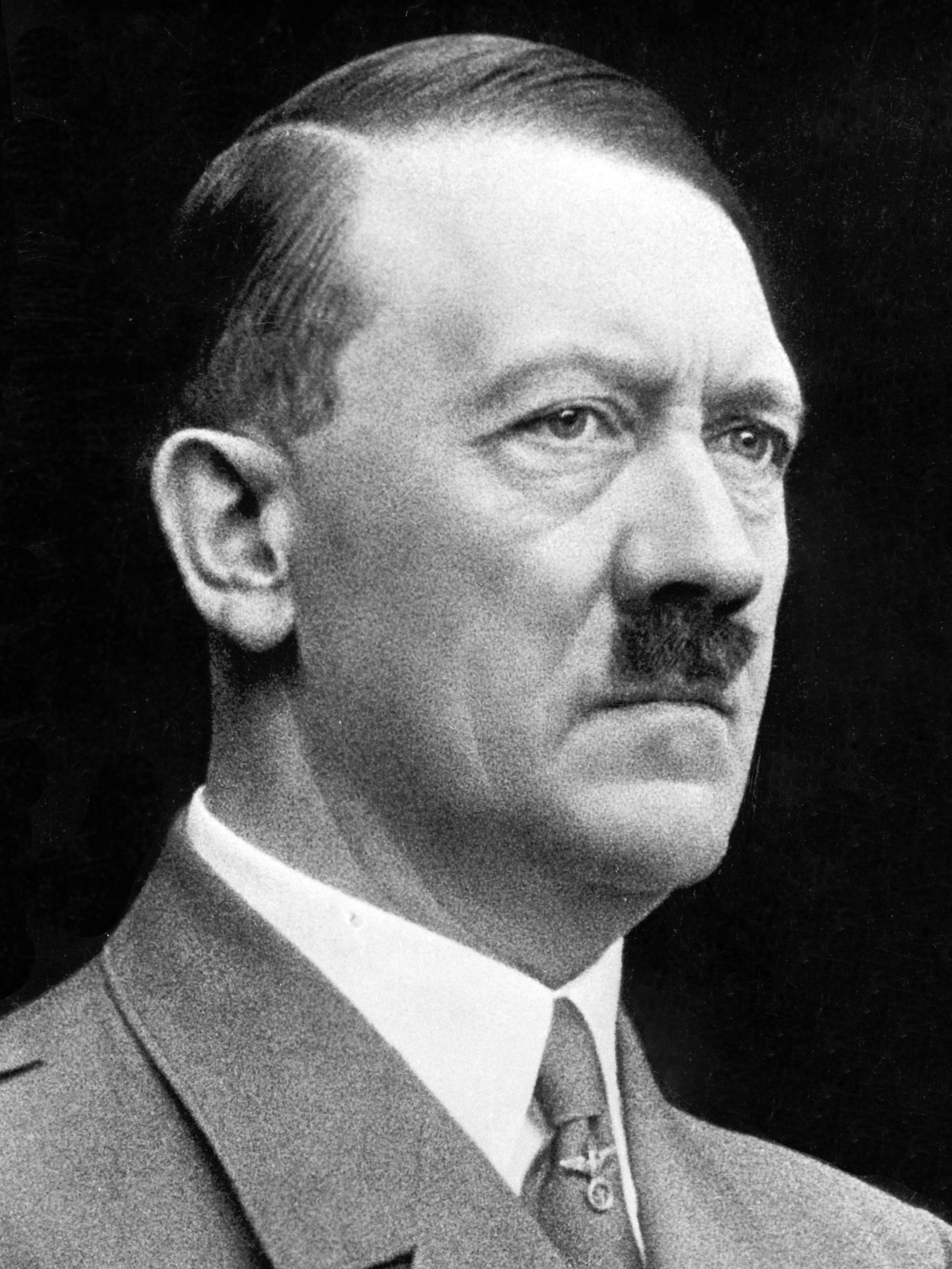
Saddam Hussein's public image was deeply polarizing. To some Arabs, he was a resolute leader who stood up to American imperialism and opposed Israeli occupation. To many Iraqis, particularly Shias and Kurds, and to much of the world, he was a tyrant guilty of mass repression and killings. His signature style included the military uniform, the beret, and his distinctive mustache, which became recognizable parts of his persona. State media portrayed him as a father figure and strongman, with his image displayed throughout Iraq on posters, murals, and billboards. His speeches were long and rambling, often broadcast on state television, and his regime used propaganda to cultivate a cult of personality.
Fame & Fandom
Saddam Hussein remains a figure whose name triggers immediate, visceral reactions across the globe. In August 2026, he holds the position of the 72nd most famous person in Politics, a ranking that has held steady from the previous cycle within the iFANN Global Fame Rankings. This placement reflects his enduring status not as a beloved icon, but as a definitive archetype of authoritarian power and geopolitical conflict. The scope of his notoriety spans decades, cementing his place in history books and modern media retrospectives alike. Unlike entertainers who cultivate adoration, his legacy is built on the stark reality of war and repression. There is no formal fanbase or organized group of supporters for Saddam Hussein; no rituals, campaigns, or voluntary gatherings exist to celebrate him. His rule was defined by fear rather than affection, leaving behind an audience that views him through the lens of trauma and historical judgment. While some political factions may view him with nostalgia for his defiance against Western powers, this sentiment does not constitute a fandom in the cultural sense. He did not perform for crowds, nor did he invite the kind of enthusiastic following seen with pop stars or athletes. Instead, his presence looms large as a cautionary tale of tyranny. The absence of a named fan community underscores the nature of his leadership: a dictator who ruled through intimidation rather than charm. Even in death, the stories surrounding him focus on his capture in a spider hole and his eventual execution, moments that serve as historical markers rather than celebratory milestones. His fame is inextricably linked to the violence of his era, making him a polarizing figure whose image evokes deep division. Whether remembered as a strongman who stood up to imperialism or a tyrant responsible for mass killings, his impact remains undeniable. The iFANN rankings track this global attention, capturing how his story continues to resonate in discussions about power, justice, and the cost of dictatorship.
Interesting Facts and Legends
Saddam Hussein wrote several novels, including 'Zabibah and the King' (2000), a romance widely interpreted as an allegory for the Gulf War. He also penned 'The Fortified Castle' and 'Men and the City'. In 1983, he commissioned an epic film, 'Clash of Loyalties,' shot with real missiles and bombs going off during production, the most expensive Arab film at the time. During his trial, he famously remarked, 'A lion doesn't care if a monkey in a tree is laughing at him,' brushing aside jeers from the gallery. He was found hiding in a spider hole near Tikrit, disheveled and unarmed. In the 1990s, he launched the Faith Campaign, adding 'Allahu Akbar' to the Iraqi flag despite his earlier secular Ba'athist ideology. A defining moment in his posthumous lore occurred when U.S. forces discovered him huddled in a 'spider hole' near Ad Dawr after spending nine months on the run. This event, frequently referenced in documentaries like *High Value Target: The Hunt for Saddam*, marks the end of his long evasion. Another pivotal chapter closed when he was executed by hanging in Baghdad following a trial for crimes against humanity. These events have become the central pillars of his modern mythology, overshadowing any attempt to romanticize his life.
Notable Quotes
“A lion doesn't care if a monkey in a tree is laughing at him.”
“I am not afraid of anyone, and I do not fear death.”
“The mother of all battles has begun.”
“We will make the enemy swim in his own blood.”
Family & Personal Life
Saddam's mother, Subha Talfah, remarried after his father's death or abandonment. His stepfather, Ibrahim al-Hassan, treated him harshly, leading to his move to his maternal uncle's home. He married his cousin Sajida Talfah in 1963, and they had five children: sons Uday and Qusay, and daughters Raghad, Rana, and Hala. Uday and Qusay were killed by US forces in Mosul in July 2003. His daughters survived and lived in exile, with Raghad in Jordan. He later took additional wives, including Samira Shahbandar and Nidal al-Hamdani. Reports suggest he fathered a son, Ali, with Samira, though this is disputed. His family life was marked by secrecy and political intrigue.
Notable Connections
Saddam Hussein was closely associated with the Iraqi Ba'ath Party, which he joined in 1957 and led for decades. His uncle Khairallah Talfah, a fervent Arab nationalist, was a major influence. He worked alongside President Ahmed Hassan al-Bakr before assuming power. His sons Uday and Qusay were key figures in his regime. He is also associated with the US-led coalition that opposed him in the Gulf War and the 2003 invasion.
Relationships & Dating History
Saddam Hussein married his cousin Sajida Talfah in 1963, a union arranged within the family. They had five children: Uday, Qusay, Raghad, Rana, and Hala. Sajida remained his official wife and First Lady throughout his presidency, though the relationship deteriorated in the late 1980s as Saddam took other wives. She is believed to have died in 2021.
In the 1980s, he reportedly married Samira Shahbandar, a former airline pilot's wife, who bore him a son, Ali, though this is disputed. He also married Nidal al-Hamdani in the 1990s. Reports of a relationship with Mansiya Khazal in the 1980s remain murky. Under Iraqi law, polygamy was permitted, so he was married to multiple wives at the time of his death.
At the time of his execution in 2006, Saddam was married to Sajida, Samira, and potentially Nidal. His daughters have lived in exile, with Raghad in Jordan.
- MarriedSajida Talfah1963 - 2006Cousin and first wife, mother of his five children.
- MarriedSamira Shahbandar1986 - 2006Second wife, reportedly bore a son named Ali.
- MarriedNidal al-Hamdani1990 - 2006Third wife, daughter of a prominent businessman.
- RumouredMansiya Khazal1980 - 1990Reported relationship in the 1980s, details unverified.
Death & Aftermath
Died
December 30, 2006 (aged 69)
Death Place
Kadhimiya, Baghdad, Iraq
Cause of Death
Hanging resulting from asphyxiation
Celebrations erupted across Baghdad and Basra as crowds cheered, fired weapons into the air, and burned effigies to mark the end of a reign defined by brutal repression. While Shia and Kurdish populations hailed the moment as justice for past atrocities, Sunni communities viewed the execution as a sectarian act that violated due process, sparking protests and accusations of a show trial. The former president's final days concluded at approximately 6:03 AM on December 30, 2006, inside the Camp Justice detention facility in Kadhimiya, a neighborhood of Baghdad.
Medical personnel present at the site verified his death by hanging resulting from asphyxiation, a determination immediately ruled by the Iraqi Ministry of Interior following the procedure. This conclusion followed a judicial process where the Iraqi Special Tribunal convicted him in November 2006 for his role in the 1982 killing of 148 Shiites in Dujail, rejecting all appeals for clemency or commutation. His last public appearance occurred during trial proceedings in June 2006, where he famously declared that a lion does not care if a monkey in a tree is laughing at him.
The funeral was conducted privately and swiftly to prevent unrest, with his body returned to his hometown of Tikrit on the night of his death. He was buried in a secret location within Al-ʿAwja near Tikrit, attended only by close family members and tribal elders, ensuring no shrine could emerge to become a focal point for Ba'athist sympathizers. Posthumous attention has focused on media productions rather than honors, including the upcoming TNT limited series High Value Target: The Hunt for Saddam.
Net Worth (Estate Value)
$2 Billion
iFANN Editorial Team estimate
Saddam Hussein's net worth is assessed through his estate, as he is deceased. During his rule, he and his family amassed enormous wealth through control of Iraq's oil revenues, estimated at billions of dollars. iFANN currently estimates his personal fortune peaked at approximately $2 Billion in 2003, ranking him among the world's richest rulers. US intelligence agencies estimated that he and his family had hidden $20–40 billion in overseas accounts before the 2003 invasion, though much was never recovered. After his fall, US forces recovered approximately $650 million in cash from his palaces. The Iraqi government, through asset recovery commissions, has managed efforts to seize his assets. Most of his fortune was frozen or seized, and the estate has generated minimal ongoing revenue. As of 2026, the recoverable value of his estate is likely under $50 million, with the $2 Billion figure representing the peak estimate of his wealth, not the current estate value.
Awards & Accolades
View 5 records, honours and achievementsKnown For
President of Iraq
1979-2003 · President
Iran-Iraq War
1980-1988 · Leader
Invasion of Kuwait
1990 · Leader
Gulf War
1991 · Leader
Anfal campaign
1988 · Leader
Keywords
Sources
Quick Facts
- Profession
- President of Iraq, novelist
- Born
- April 28, 1937
- Birthplace
- Al-Awjah, Iraq
- Died
- December 30, 2006
- Death Place
- Camp Justice, Baghdad
- Gender
- Male
- Spouse
- Sajida Talfah, Samira Shahbandar, Nidal al-Hamdani
- Birth Sign
- Taurus
Personal Details
- Full Name
- Saddam Hussein Abd al-Majid al-Tikriti
- Height
- 6 ft 1 in (185 cm)
- Spouse
- Sajida Talfah, Samira Shahbandar, Nidal al-Hamdani
- Children
- Uday, Qusay, Raghad, Rana, Hala, Ali (disputed)
- Education
- University of Baghdad (law, incomplete), Cairo University (law, incomplete)
Frequently Asked Questions
How did Saddam Hussein die?
What was Saddam Hussein's net worth at the time of his death?
Is Saddam Hussein still alive in 2026?
Why is Saddam Hussein famous?
How did Saddam Hussein's regime end?
Join the community
fans discussing