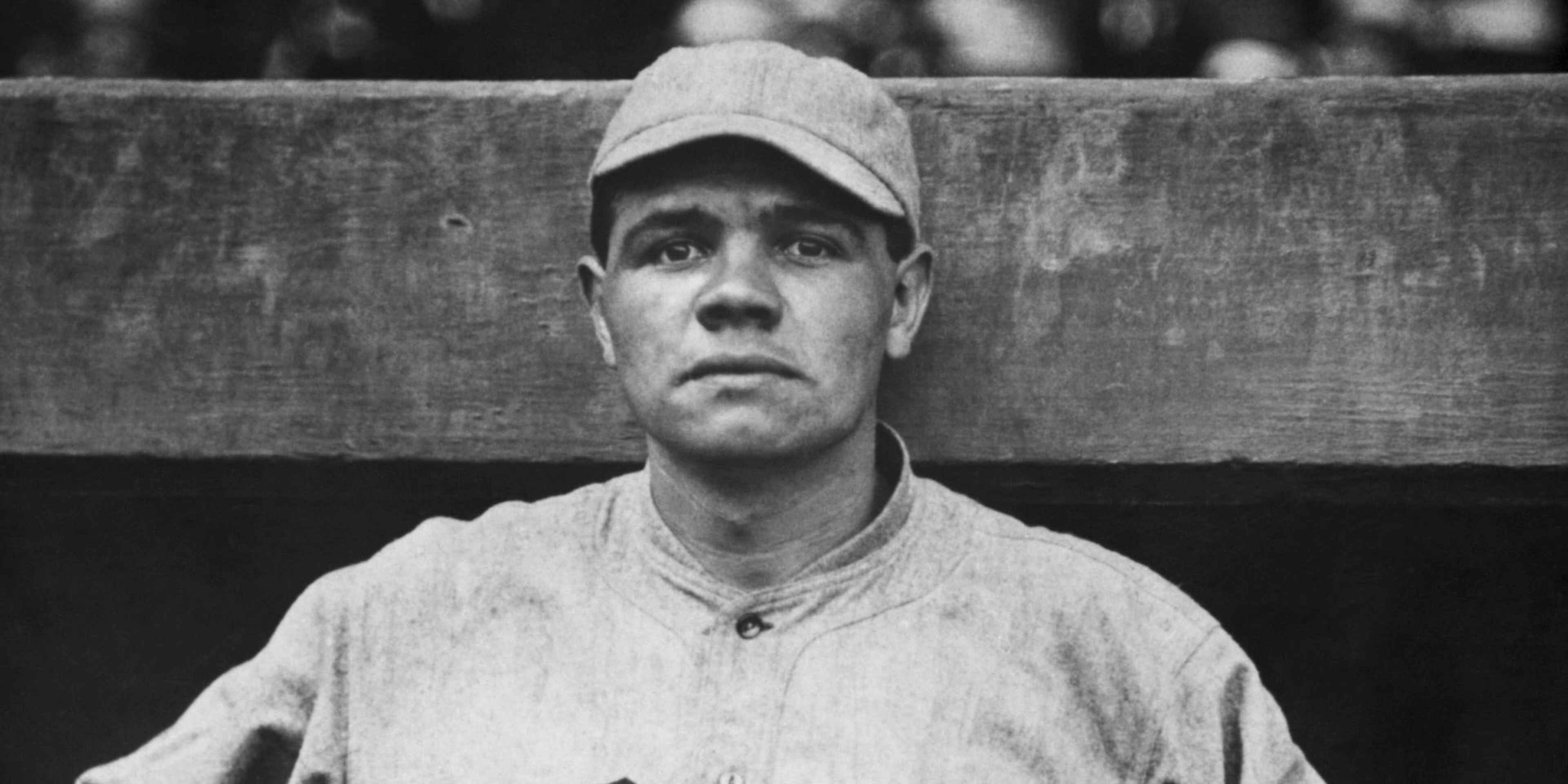
Ruth First
 South Africa
anti-apartheid activist•scholar•journalist•writer
Also known as: Heloise Ruth First
Birthday
May 4, 1925
Birth Sign
Taurus
Birthplace
Johannesburg, South Africa
Age
Died at 57
About
Heloise Ruth First was a South African anti-apartheid activist, scholar, journalist, and writer whose life was defined by her relentless opposition to institutionalized racial segregation. Born in Johannesburg on May 4, 1925, she became one of the most significant intellectual voices against the apartheid regime. Her work spanned academic research, political organizing, and investigative journalism, all aimed at dismantling the structures of white minority rule. She is remembered not for commercial success but for her profound impact on human rights discourse and the liberation struggle.
First's career took her from student politics in South Africa to exile in London, Zambia, and finally Mozambique. She faced constant surveillance, banning orders, and imprisonment, yet continued her fight for freedom until her tragic end. Her death came on August 17, 1982, when she was assassinated by a letter bomb sent by agents of the South African State Security Police while working at the Institute of Social and Economic Research in Maputo. At the time of her death, she was married to Joe Slovo, a prominent leader of the South African Communist Party and the armed wing of the ANC.
Early Life & Background
Heloise Ruth First entered the world in Johannesburg on May 4, 1925, as the daughter of Jewish immigrants Julius and Matilda First. Growing up in a family with strong socialist leanings, she was exposed to political discourse from a young age. This environment fostered a deep commitment to social justice that would define her entire life. She attended Jeppe High School for Girls before enrolling at the University of the Witwatersrand, where she earned a Bachelor of Arts degree in 1946 and later completed a Master's degree in sociology in 1948.
Before gaining international notoriety, First was deeply embedded in the local struggle against emerging apartheid policies. In the late 1940s and early 1950s, she became a pivotal figure in radical protests challenging the National Party. She helped found the South African Congress of Democrats in 1953, an organization dedicated to non-racialism and socialism, and played a crucial role in establishing the Federation of South African Women. Her early journalistic work for publications like The Guardian documented the harsh realities of black life under segregation. A defining moment in her pre-exile career occurred during the Treason Trial from 1956 to 1961, where she stood among 156 defendants charged with high treason for drafting the Freedom Charter.
Career Growth
First's professional trajectory shifted from pure academia to active revolutionary leadership after being banned by the government in 1952 and again in 1956. Following the Rivonia Trial and the imprisonment of her husband Joe Slovo, she fled South Africa in 1964 to continue her work in exile. She lived in Britain, Zambia, and Mozambique, where she worked for the Institute of Race Relations and conducted extensive research on the socio-economic structures of apartheid.
Her most significant academic contribution came during her years in exile through co-authoring the seminal book 117 Days: The Story of an Arrest. This text detailed her own detention without trial in 1963 and exposed the brutal tactics of the Security Police. Her later works, including Barrel of a Gun, analyzed how European political actions contributed to the underdevelopment of Africa. Even in exile, her commitment did not waver, making her a target for the regime she so strongly opposed until her assassination in 1982.
Career Timeline
Public Image & Style
First's public image was that of a serious, committed, and fearless scholar-activist. She was known for her sharp intellect, her ability to synthesize complex sociological data with political strategy, and her unwavering moral conviction. Media portrayals of her emphasize her sacrifice and her role as a martyr, rather than any aesthetic or celebrity persona. She left no social media presence, as she died long before the digital age. Her legacy is sustained by historians, students, and political activists rather than a fanbase engaging in chart pushes or merchandise campaigns.
Fame & Fandom (iFAMOUS Rankings)
Ruth First commands a global attention defined by historical gravity rather than celebrity circulation. According to the iFANN Global Fame Rankings evaluated in October 2026, she holds the position of the 38th most famous person from South Africa, a placement that has risen from 39th in the previous cycle. This ranking reflects her enduring status within academic circles, political movements, and archives worldwide, distinguishing her influence from the metrics of commercial consumption that drive modern charts.
There is no documented fandom name associated with her legacy; supporters are historians, activists, and students rather than fans who organize chart pushes or birthday campaigns. Her audience engages through institutional memory and scholarly tribute, such as the Ruth First Wing at Durham University, rather than through fan-driven rituals or online communities. While some figures rise to fame through performance or media saturation, First's stature rests on the weight of her sacrifice and her work against apartheid. This distinction means her fame is permanent but static in the eyes of ranking algorithms designed for living entertainers.
Interesting Facts and Legends
Ruth First authored 117 Days, a gripping account of her own arrest and detention that became a key text in exposing the apartheid state's legal abuses. Another notable fact is her role in the Black Sash, a white women's organization that protested against apartheid laws, highlighting her commitment to cross-racial solidarity. Despite her tragic end, her academic contributions continue to shape discourse on race, class, and resistance, evidenced by the ongoing use of her research in universities worldwide. Her papers are preserved at the Institute of Commonwealth Studies in London, ensuring her intellectual legacy endures.
Notable Quotes
“The state's power is absolute, but its legitimacy is fragile.”
“They cannot ban my mind.”
Family & Personal Life
Ruth First was the daughter of Julius and Matilda First, Jewish immigrants who instilled in her a strong sense of social justice. She grew up in Johannesburg within a household that prioritized political activism and education. Her parents' socialist leanings provided the foundation for her lifelong dedication to the anti-apartheid movement. The couple remained together until First's death, sharing a life of constant movement, danger, and dedication to the liberation struggle. There are no records of other romantic relationships or dating history prior to or during her marriage to Slovo; her public life was entirely consumed by her activism and family.
Notable Connections
Joe Slovo, Nelson Mandela, Ronnie Kasrils, Oliver Tambo, Shula Slovo, Laura Slovo.
Relationships & Dating History
Ruth First was married to Joe Slovo, a prominent leader of the South African Communist Party and the Umkhonto we Sizwe, the armed wing of the African National Congress. Their marriage was both a personal partnership and a political alliance that spanned decades. They met through their shared commitment to the anti-apartheid struggle and remained together until First's death. The couple had two daughters: Shula Slovo and Laura Slovo. Their life together was marked by constant movement, danger, and dedication to the liberation cause. As of her death in 1982, she was widowed.
- MarriedJoe Slovo1941 - 1982Married fellow activist; had two daughters together; died together in the same year due to his imprisonment and her assassination.
Death & Aftermath
Died
August 17, 1982 (aged 57)
Death Place
Maputo, Mozambique
Cause of Death
Assassination by parcel bomb
Tributes poured in from peers who described Ruth First as a brilliant mind and revolutionary, with Nelson Mandela leading the chorus of grief that galvanized the anti-apartheid movement worldwide. Vigils and moments of silence erupted in universities and cities across the UK, US, and Europe, where her work had previously resonated before she took up residence in exile. The public outrage was immediate and widespread, transforming her death into a catalyst for increased international sanctions against South Africa. On the morning of August 17, 1982, the explosion occurred in her office at the University of Mozambique in Maputo, instantly killing the researcher who had been working on labor and development issues there.
A parcel bomb mailed to her under the guise of correspondence destroyed part of the building and severely injured her secretary, though First died immediately. While the apartheid regime denied involvement, historical consensus and Truth and Reconciliation Commission findings later confirmed the attack was orchestrated by the South African State Security Council's Special Branch unit known as Vlakplaas. The funeral held shortly after the incident in Maputo drew thousands of mourners, including Mozambican government officials and members of the FRELIMO party, though many prominent South African exiles could not attend due to travel dangers.
She was buried in Maputo, and her posthumous legacy saw a surge in the prominence of her book 117 Days, which detailed her own detention without trial in 1963. Decades later, the Ruth First Wing opened at Durham University's Department of Sociology to honor her contributions, while the Ruth First Foundation continues to support research related to social justice and African studies.
Net Worth (Estate Value)
$0
iFANN Editorial Team estimate
Ruth First was a political activist and scholar rather than a commercial entertainer, so she did not accumulate wealth in the traditional sense. Her life was dedicated to the liberation struggle, and her resources were directed toward her work and family. Following her death in 1982, there was no estate accumulation comparable to modern celebrities. Instead, her legacy is measured in intellectual contributions and the enduring impact of her scholarship on human rights and anti-apartheid studies. The Ruth First Scholarship at Rhodes University supports Masters and Doctoral studies in fields related to human rights and development, funded by donations and institutional support rather than her personal assets. The opening of the Ruth First Wing at Durham University in 2026 serves as a permanent memorial to her contributions, funded by the university and donors who wish to honor her memory.
Awards & Accolades
View 2 records, honours and achievementsKnown For
117 Days: The Story of an Arrest
1965 · Author
Barrel of a Gun
1977 · Author
The Political Economy of South Africa
1980 · Author
Keywords
Sources
Quick Facts
- Profession
- anti-apartheid activist, scholar, journalist, writer
- Born
- May 4, 1925
- Birthplace
- Johannesburg, South Africa
- Died
- August 17, 1982
- Death Place
- Maputo, Mozambique
- Gender
- Female
- Spouse
- Joe Slovo
- Birth Sign
- Taurus
Personal Details
- Full Name
- Heloise Ruth First
- Spouse
- Joe Slovo
- Children
- Shula Slovo, Laura Slovo
- Education
- University of the Witwatersrand (BA 1946, MA 1948)
Frequently Asked Questions
Who was Ruth First?
How did Ruth First die?
Who was Ruth First married to?
What is Ruth First's legacy?
Is there a Ruth First Wing?
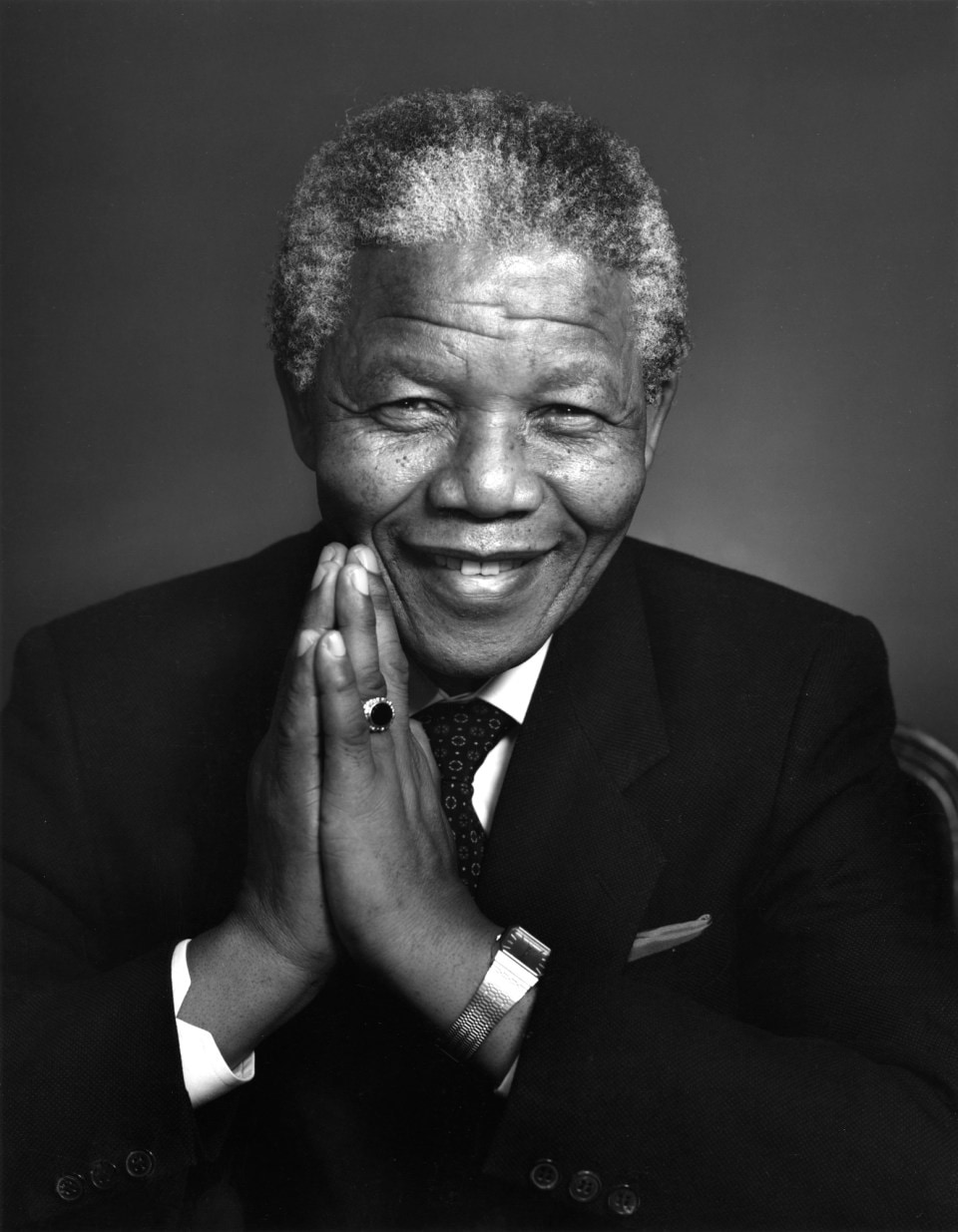
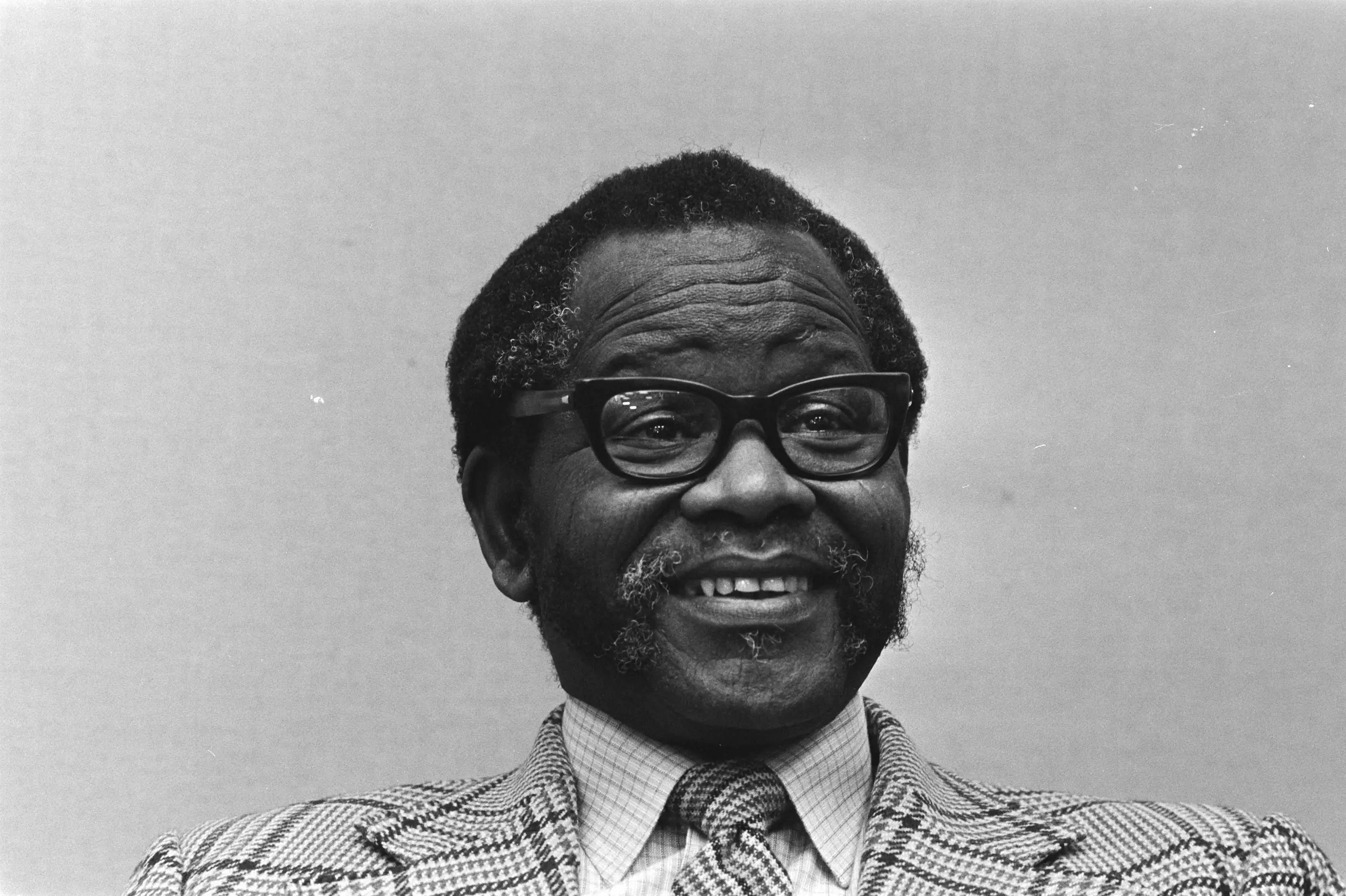
Similar People
Join the community
fans discussing