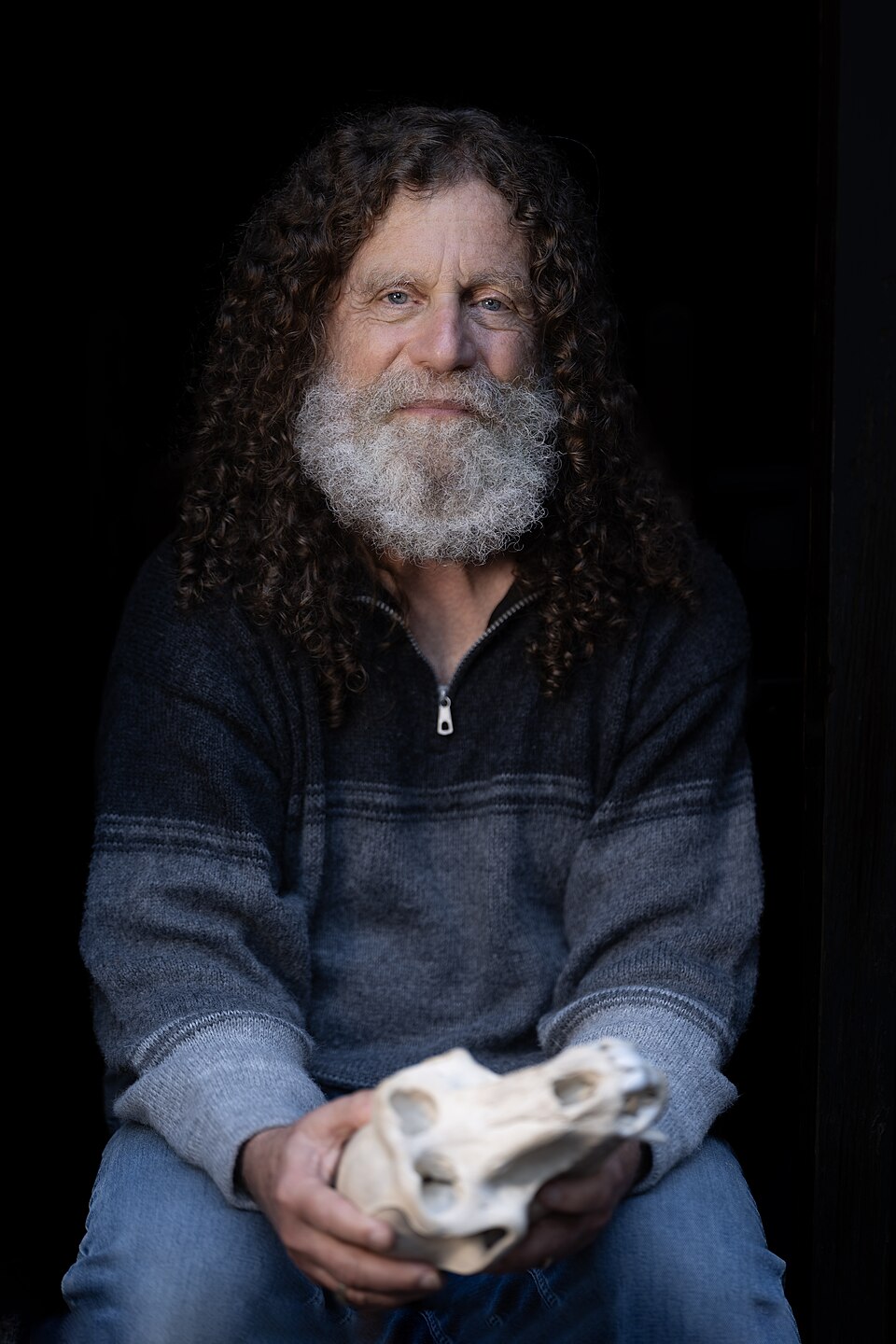
Robert Sapolsky
 United States
university teacher•writer•neurologist
Birthday
April 6, 1957
Birth Sign
Aries
Birthplace
Brooklyn, New York, USA
Age
69 years old
Height
5 ft 10 in (178 cm)
About
Robert Sapolsky is an American neuroscientist, primatologist, and author who has spent decades unraveling the biology of stress and human behavior. As the John A. and Cynthia Fry Gunn Professor at Stanford University, he holds appointments in biology, neurology, and neurosurgery. His work spans from the cellular effects of stress hormones to the behavioral dynamics of wild baboons in Kenya, making him one of the most influential science communicators of his generation. Sapolsky's books, including Why Zebras Don't Get Ulcers and Behave, have sold millions of copies and shaped public understanding of the brain. He is known for his provocative stance against free will, which he argues is an illusion driven by biology and environment. In 2018, TIME named him one of the 100 most influential people in the world.
Early Life & Background
Growing up in a Flatbush Orthodox Jewish household, Sapolsky was a curious child who devoured science fiction and natural history books. At age 12, a book by primatologist Sherwood Washburn ignited his obsession with baboons. By 14, he was writing letters to Washburn and other scientists, teaching himself Swahili, and planning his first trip to Africa. He attended John Dewey High School, a progressive public school in Brooklyn, where he excelled in science. At Harvard, he graduated summa cum laude in biological anthropology in 1978, spending his summers in East Africa observing baboon troops. He earned his PhD in neuroendocrinology from Rockefeller University in 1984, where his research involved implanting electrodes in rat brains to study stress hormones.
Career Growth
After a postdoc at the Salk Institute, Sapolsky joined Stanford in 1986 as an assistant professor. That same year, he became a research associate with the National Museums of Kenya, enabling annual fieldwork with a single olive baboon troop in the Masai Mara. His first book, The Trouble with Testosterone (1989), established him as a science essayist. But Why Zebras Don't Get Ulcers (1997) was his breakout, a bestselling explanation of the stress response that resonated widely. In 2017, Behave synthesized biology and human behavior, winning the Los Angeles Times Book Prize. His 2023 book Determined argued against free will, sparking global debate. As of 2026, he continues teaching at Stanford and is working on a new book about the neuroscience of empathy.
Career Timeline
Public Image & Style
Sapolsky is known for his rapid-fire speaking style, thick New York accent, and ability to make complex neuroscience accessible with humor and storytelling. Media often call him a rock star of science, highlighting his willingness to challenge assumptions about free will and human nature. His fans are largely science enthusiasts and students; online communities like r/BehavioralBiology actively discuss his work. On social media, his tone is witty and direct, occasionally combative when defending his positions.
Fame & Fandom
Robert Sapolsky does not currently hold a placement in the published rankings (Global Top 1,000 or a Top-100 scope list). While the iFANN Global Fame Engine has evaluated his profile, the current data indicates he does not hold a specific numeric rank within the published Global Top 1,000 or any scope-specific top-100 lists. His presence in the rankings fluctuates with the release of major works and high-profile lectures, yet he remains a consistent fixture in discussions regarding neuroscience and free will. The audience surrounding Sapolsky lacks a formalized name, distinguishing his following from the organized fandoms typical of entertainment industries. Instead, his supporters constitute an academic and intellectual community comprising students, researchers, and science enthusiasts who engage with his arguments through university courses, book clubs, and online discourse. There are no documented fan campaigns, birthday billboards, or ritualistic gatherings dedicated to his person; the engagement is characterized by the dissemination of his theories on determinism and the biological underpinnings of human nature. His interactions occur primarily through his roles as a Stanford professor and author, attracting listeners interested in rigorous scientific inquiry rather than celebrity worship. The narrative built around him relies on the intellectual impact of his books and lectures, specifically his explanation of why zebras do not get ulcers and his critique of the concept of free will, rather than on dramatic personal anecdotes or chaotic public scenes.
Interesting Facts and Legends
Sapolsky taught himself Swahili at age 14 to prepare for his first African trip, a feat of linguistic dedication that foreshadowed his lifelong commitment to primatology. He has spent several months each year since 1978 studying the same troop of olive baboons in Kenya, establishing one of the longest-running field studies of its kind. A competitive runner during his high school and college years, he also bears a tattoo of a baboon on his left shoulder, a permanent marker of his professional passion. As a lifelong atheist, he has been open about his struggles with depression, adding a layer of personal vulnerability to his public persona. His essays have appeared in prestigious publications such as The New Yorker and Scientific American, reaching audiences far beyond the academy. Among the widely retold stories in his circle is the Determinism Argument, a central pillar of his public persona asserting that humans possess no free will, which has become a cultural touchstone for his audience through numerous interviews and articles. His status as a MacArthur Genius Fellow and member of the National Academy of Sciences serves as a recurring theme in discussions of his legacy, cementing his reputation as a leading voice in the biological sciences.
Notable Quotes
“The stress response is designed to help you get out of the way of a lion. If you're stressed about a mortgage, you're activating the same physiological system, but for a totally different reason.”
“We are nothing more than the output of our biology and environment. Free will is a myth.”
“The more you learn about the biology of behavior, the harder it is to hate anyone.”
Family & Personal Life
Sapolsky is married to Dr. Lisa Sapolsky, a physician and researcher. They have two children, a son and a daughter, and live in the San Francisco Bay Area. He rarely discusses his family in interviews, maintaining a strong privacy boundary. His father was an architect who emigrated from the Soviet Union, and his mother was a homemaker. He grew up in a tight-knit Orthodox Jewish community in Flatbush, Brooklyn.
Notable Connections
Sapolsky's Ph.D. advisor was Bruce McEwen at Rockefeller University. He was influenced by primatologist Sherwood Washburn. He has collaborated with Richard Dawkins on science communication and debated free will with Sam Harris. At Stanford, he has worked alongside colleagues Paul Ehrlich and William H. Durham.
Relationships & Dating History
Robert Sapolsky is married to Dr. Lisa Sapolsky, a physician. The couple has been together for decades, though the exact start year of their relationship is not publicly documented. They have two children. There are no publicly known prior relationships, high-profile flings, or divorces. As of 2026, Sapolsky remains married to Dr. Lisa Sapolsky.
- MarriedDr. Lisa SapolskyCurrentLong-term marriage; they have two children together. Exact start year not publicly documented.
Salary, Net Worth In 2026
$10 Million
iFANN Editorial Team estimate
Per iFANN's editorial analysis, Robert Sapolsky's net worth stands at $10 Million as of 2026. His primary income source is his tenured professorship at Stanford, earning an estimated $250,000–$350,000 annually. Book royalties from Why Zebras Don't Get Ulcers, Behave, and Determined have sold over 2 million copies combined, generating $500,000+ per year. He commands $20,000–$50,000 per speaking engagement, giving 20–30 paid lectures annually. Additional income comes from documentary and media appearances, including Stress: Portrait of a Killer and The Mind, Explained. He owns a home in the San Francisco Bay Area valued at $2–3 million and maintains a diversified investment portfolio.
Awards Won (8)
2019 · Science Communication
Popularizing science
2018 · Science Writing
Behave
Known For
Why Zebras Don't Get Ulcers
1997 · Author
Behave: The Biology of Humans at Our Best and Worst
2017 · Author
Determined: A Science of Life Without Free Will
2023 · Author
Keywords
Quick Facts
- Profession
- university teacher, writer, neurologist
- Born
- +1957-04-06
- Birthplace
- Brooklyn
- Gender
- Male
- Birth Sign
- Aries
Personal Details
- Full Name
- Robert Morris Sapolsky
- Height
- 5 ft 10 in (178 cm)
- Spouse
- Dr. Lisa Sapolsky
- Children
- 2 (a son and a daughter)
- Education
- Harvard University (BA), Rockefeller University (PhD)
Filmography
5
Total
2
Film
3
TV
Frequently Asked Questions
Is Robert Sapolsky married?
Does Robert Sapolsky believe in free will?
What is Robert Sapolsky's net worth in 2026?
How old is Robert Sapolsky?
What does Robert Sapolsky study?
Social Media
Similar People
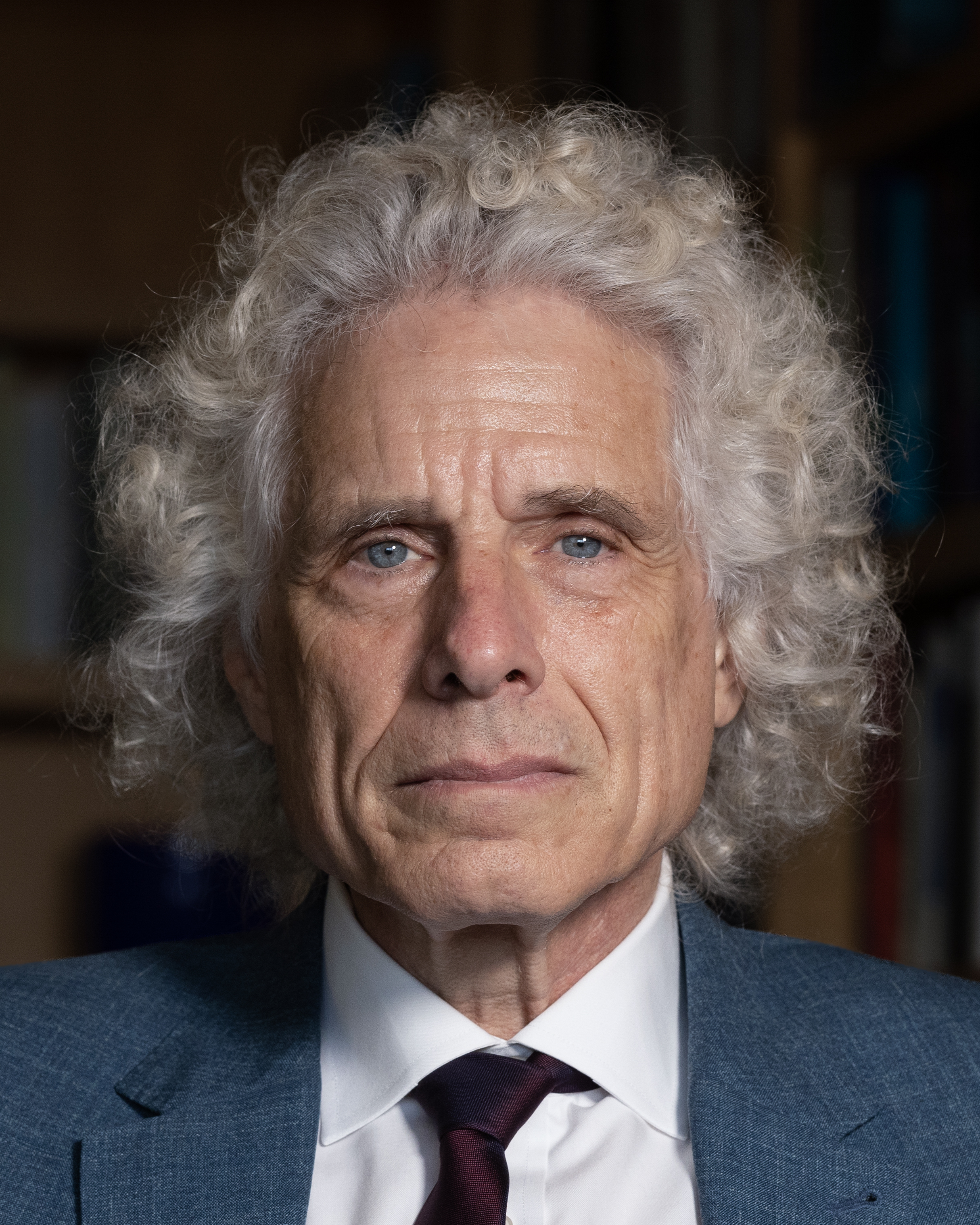
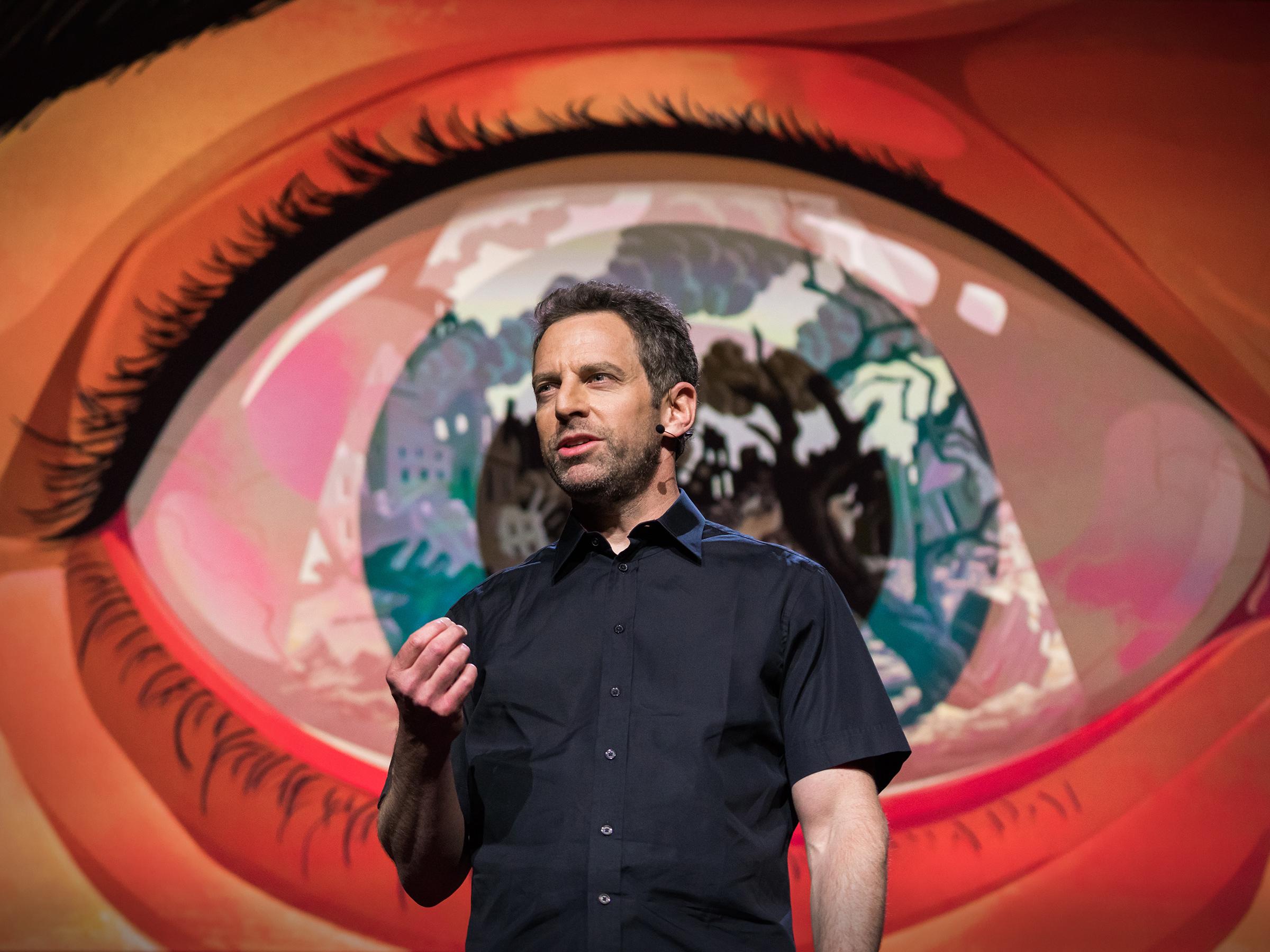
Join the community
fans discussing