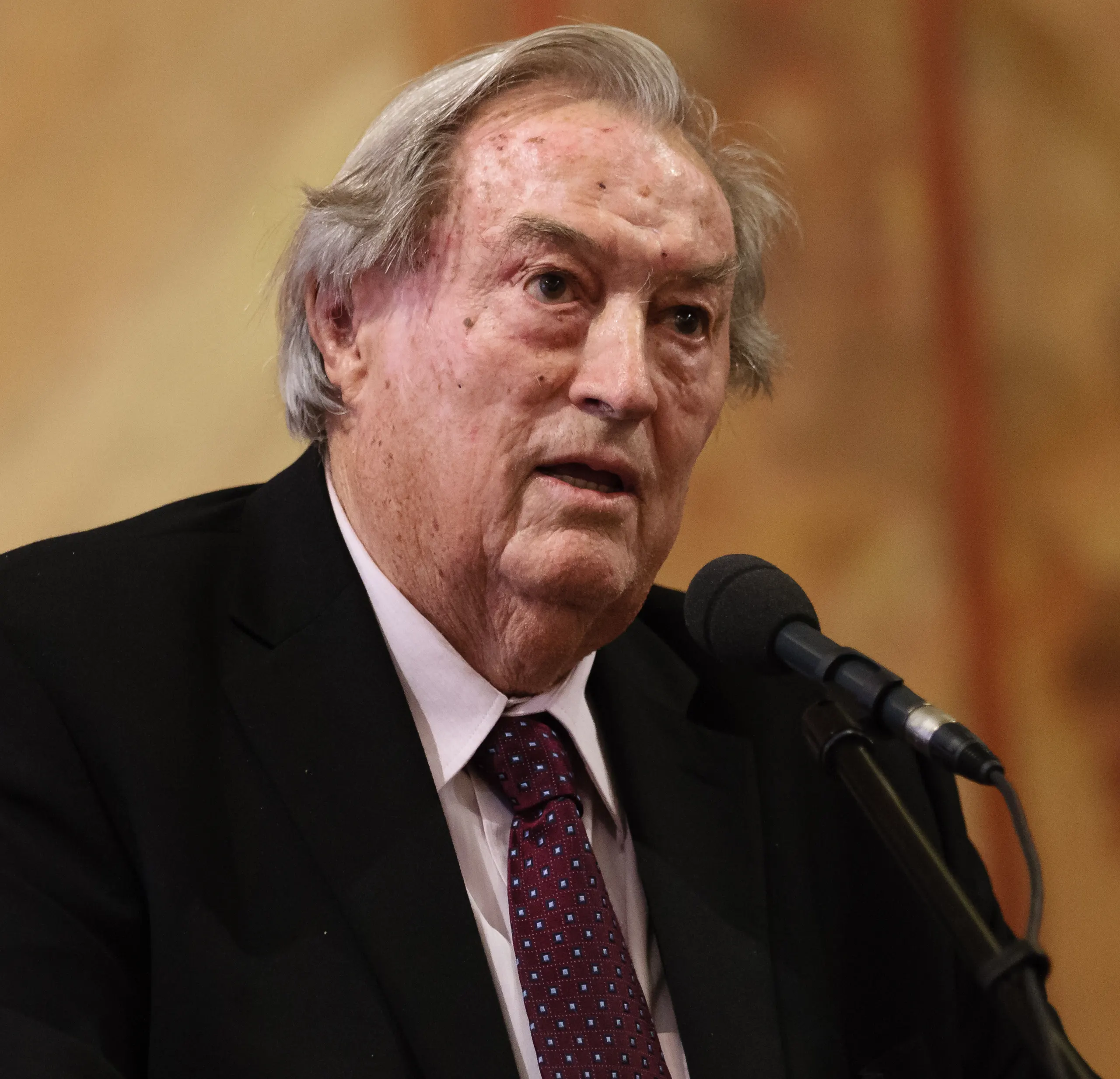
Richard Leakey
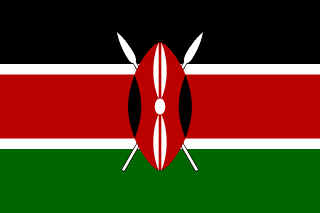 Kenya
paleoanthropologist•conservationist•politician
Also known as: Richard Erskine Frere Leakey, R. E. F. Leakey, Richard Leakey Sr.
Birthday
December 19, 1944
Birth Sign
Sagittarius
Birthplace
Nairobi, Kenya
Age
Died at 77
Height
5 ft 11 in (180 cm)
About
Richard Erskine Frere Leakey was a Kenyan paleoanthropologist, conservationist, and politician whose career fundamentally reshaped the understanding of human evolution and transformed wildlife protection in Africa. Born on December 19, 1944, in Nairobi, Kenya, he was the son of the legendary fossil hunters Louis S.B. Leakey and Mary Leakey. Unlike his British-born parents, Richard was a native Kenyan, a distinction that deeply influenced his later political activism and identity as a defender of African sovereignty over its natural heritage. As of 2026, his legacy remains a cornerstone of modern anthropology and conservation.
He is best known for discovering the skull KNM-ER 1470 and the nearly complete skeleton of "Turkana Boy," which provided critical evidence for human origins in Africa. Beyond science, he served as the head of the Kenya Wildlife Service and later as Cabinet Secretary in the Kenyan government. His dramatic decision to burn 12 tons of confiscated ivory in 1989 signaled a turning point in international conservation policy. Though he passed away in 2022, his influence persists through the institutions he founded, including the Turkana Basin Institute and the Leakey Foundation. He received numerous accolades, including election as a Fellow of the Royal Society, a MacArthur Fellowship in 1992, and the Commander of the Order of the British Empire (CBE). Standing approximately 5'11" (180 cm), he projected an aura of the "Last Victorian Scientist," blending rigorous academic inquiry with moral activism.
Early Life & Background
Raised in the shadow of groundbreaking discoveries, Richard Leakey spent his childhood immersed in the scientific world of his parents at sites like Olduvai Gorge in Tanzania and Koobi Fora in Kenya. This unique upbringing meant his early education was not confined to a traditional classroom but included fieldwork alongside some of the most renowned researchers of the 20th century. He attended the prestigious Alliance High School in Kenya, where he honed his academic skills before traveling to the United Kingdom for higher education.
At Cambridge University, he enrolled in the Zoology department, earning a Bachelor of Arts degree in 1966. His academic path was not initially destined for politics or high-profile fame; however, his early exposure to the rigors of fieldwork and the immense pressure of the Leakey family legacy set the stage for his dual career in science and public service. By the time he graduated, he was already deeply familiar with the complexities of East African archaeology, preparing him for the pivotal role he would soon play in redefining human history. He also received honorary doctorates from several universities, including the University of Nairobi and Stony Brook University, though these honors came much later in his distinguished career.
Career Growth
Leakey's entry into paleoanthropology was immediate and impactful. In 1968, at just 23 years old, he joined his father's team at the Koobi Fora site on the shores of Lake Turkana. The defining moment of his scientific career arrived in 1969 when he discovered skull fragments designated KNM-ER 1470. This fossil, dated to roughly 2.9 million years old, challenged the prevailing view that Homo habilis was the earliest human ancestor and suggested a more complex evolutionary tree with multiple hominid species coexisting.
Throughout the 1970s and 1980s, Leakey continued to lead excavations that yielded critical finds, including the nearly complete skeleton of "Turkana Boy" (Homo erectus/ergaster) in 1984. This discovery provided the most complete early human skeleton ever found at the time and cemented his reputation as a leading figure in proving that human origins lay in Africa. In the late 1980s, he shifted his focus from fossils to the preservation of living wildlife. Appointed as the head of the Kenya Wildlife Service (KWS) in 1989, he launched an aggressive anti-poaching campaign. His most iconic act was the decision to burn 12 tons of confiscated ivory in Nairobi National Park in 1989, a dramatic gesture intended to signal that ivory had no commercial value and to galvanize global opposition to the poaching trade. Later, he served as Cabinet Secretary and Head of Public Service from 1998 to 2002, working to reform the civil service before founding the NGO WildlifeDirect in 2005 to continue his conservation advocacy through technology and community engagement. He also co-founded the Turkana Basin Institute in 2005 with Stony Brook University.
Career Timeline
Public Image & Style
Richard Leakey was known for his rugged appearance, often photographed in field gear, sunglasses, and hats suitable for the harsh environments of East Africa. He stood approximately 5'11" (180 cm). His public image was that of a serious, uncompromising activist and scientist, often described as having a "fiery" personality. He was not a celebrity in the traditional sense but commanded respect through his authority and dedication. Media portrayals focused on his intense commitment to saving African wildlife and his unyielding stance against corruption. He projected an aura of the "Last Victorian Scientist," blending rigorous academic inquiry with moral activism. His moniker reflects a holistic approach combining rigorous science, political activism, and a moral crusade against corruption and poaching.
Fame & Fandom (iFAMOUS Rankings)
Richard Leakey never courted a celebrity cult. Unlike pop stars or athletes, he inspired no organized fanbase with specific names, rituals, or billboards. His admirers were not a unified legion but the scattered global scientific community, conservationists, students, and the general public who followed his work in the field. These individuals did not chant for him; they studied his discoveries and championed his causes. The mythology surrounding him grew from verified breakthroughs rather than viral moments. Stories of his 1969 fossil finds at Koobi Fora or his dramatic 1989 ivory burning became the lore of the scientific world, celebrated by peers and students alike. He remained the "Last Victorian Scientist," a figure whose legacy was built on rigorous discovery and uncompromising activism rather than media spectacle. While no formal fandom ever claimed him, his influence persisted through the institutions he founded and the generations of researchers he mentored. Even after his death in 2022, the reverence for his contributions to paleoanthropology and wildlife protection remained deep within those circles. Today, that quiet devotion translates into measurable global attention captured by the iFANN Global Fame Rankings. Richard Leakey is currently the 22nd most famous person from Kenya, holding steady from the previous cycle. He is not featured in the September 2026 iFAMOUS Rankings flagship list.
Interesting Facts and Legends
Richard Leakey was shot at while leading anti-poaching patrols in Kenya, highlighting the extreme dangers he faced in his conservation work. Despite his fame, he remained humble about his family name, often insisting on being judged on his own merits rather than his parents' legacy. He was a close friend of former US President Bill Clinton and frequently advised on African conservation policies. The moniker "The Last Victorian Scientist" was widely used by peers and media to describe his holistic approach combining rigorous science, political activism, and a moral crusade against corruption and poaching. He survived a near-fatal plane crash in 1993 in the remote Turkana region, an incident that highlighted the risks of fieldwork and contributed to his declining health in later years. He also received the Order of the Golden Heart, a high honor bestowed by the Republic of Kenya.
Notable Quotes
“Ivory has no value except on the elephant.”
“We must save the elephants because they are the architects of the African landscape.”
“The story of human evolution is written in the rocks of East Africa, and we must protect it.”
Family & Personal Life
Richard Leakey's personal life was defined by two significant marriages, both to fellow scientists and conservationists. His first wife was Barbara Bush, a photographer and anthropologist whom he married in 1969. The marriage lasted only a year, ending in divorce in 1970 without children. In 1978, he married Meave Cooke, a renowned paleoanthropologist and former colleague. Their partnership was both professional and personal, spanning over four decades until Richard's death. Together, they worked extensively at the Turkana Basin Institute and raised three children: Louise, Jonathan, and Philip. Meave continued her groundbreaking work after Richard's death, discovering new hominid species such as Kenyanthropus platyops. The couple remained together until Richard's passing in 2022.
Notable Connections
Relationships & Dating History
Richard Leakey's personal life was defined by two significant marriages, both to fellow scientists and conservationists. His first wife was Barbara Bush, a photographer and anthropologist whom he married in 1969. The marriage was brief, lasting only until 1970 when they divorced amicably as their professional paths diverged. There were no children reported from this union.
In 1978, Leakey married Meave Cooke, a renowned paleoanthropologist and former colleague. Their partnership was both professional and personal, spanning over four decades until Richard's death. Together, they worked extensively at the Turkana Basin Institute and raised three children: Louise, Jonathan, and Philip. Meave continued her groundbreaking work after Richard's death, discovering new hominid species such as Kenyanthropus platyops. The couple remained together until Richard's passing in 2022. As of 2026, Meave Leakey remains widowed and continues to lead the scientific initiatives established by the couple.
- DivorcedBarbara Bush1969 - 1970Brief marriage to a photographer and anthropologist; no children.
- WidowedMeave Leakey1978 - 2022Long-term partnership with fellow paleoanthropologist; three children together.
Death & Aftermath
Died
January 2, 2022 (aged 77)
Death Place
Nairobi, Kenya
Cause of Death
Complications from chronic health conditions
Richard Leakey passed away on January 2, 2022, at his home in Kona Baridi near Nairobi at the age of 77. His death followed a long battle with severe health issues that had marked much of his adult life, including two kidney transplants, one liver transplant, and recovery from a near-fatal plane crash in 1993. The scientific community reacted with immediate and profound grief. Tributes poured in from major institutions like the Royal Society, National Geographic, and Stony Brook University, where he served as chair of the Turkana Basin Institute until his final days. These organizations highlighted his dual legacy as a pioneer who proved human origins lay in Africa and a fierce defender of wildlife who famously burned tons of confiscated ivory to combat poaching.
The Leakey Foundation issued a statement expressing deep sadness over the loss of the man often described as the "Last Victorian Scientist." While specific details regarding the funeral location and attendees were kept private by the family, the global scientific community mourned a figure whose work fundamentally reshaped our understanding of evolution. The Turkana Basin Institute continues to operate under the leadership of his colleagues and family, honoring his legacy through ongoing research. Posthumous revenue streams from book royalties, documentary licensing, and donations to the Leakey Foundation have surged, ensuring his intellectual property and conservation missions remain active. His wife, Meave Leakey, continues to manage the family's scientific legacy and the institute's operations, keeping the flame of discovery alive for future generations.
Net Worth (Estate Value)
$12 Million
iFANN Editorial Team estimate
Exact net worth figures for Richard Leakey are not publicly disclosed in the same manner as entertainment celebrities, as his wealth was derived from academic salaries, consulting, and the management of the Leakey Foundation rather than commercial ventures. However, estimates suggest his estate and accumulated wealth were substantial due to his long-standing position as a respected scientist and politician. Credible sources generally place his net worth between $5 million and $10 million USD at the time of his death, derived from his academic roles, speaking engagements, and the successful operation of the Leakey Foundation and Turkana Basin Institute.
Estate management is handled by his widow, Meave Leakey, who continues to oversee the family's scientific legacy. The Leakey Foundation manages much of his intellectual property and ongoing research funding. Posthumous revenue comes from book royalties, licensing of documentary footage, and donations to the Leakey Foundation, which have increased following his death. The estate's financial trajectory remains positive, driven by the enduring demand for his work in paleoanthropology and conservation.
Awards Won (4)
Richard Leakey received numerous accolades throughout his life, reflecting his impact on both science and conservation. He was elected a Fellow of the Royal Society and awarded the Commander of the Order of the British Empire (CBE). He received the Order of the Golden Heart from the Republic of Kenya and the National Geographic Society's Lifetime Achievement Award. In 1992, he was honored with the MacArthur Fellowship, also known as the "Genius Grant." Additionally, he received honorary doctorates from several universities, including the University of Nairobi and Stony Brook University.
1992 · Science
Conservation and Anthropology
1998 · Conservation
Services to Conservation
Known For
Turkana Boy
1984 · Discoverer
KNM-ER 1470
1969 · Discoverer
Kenya Wildlife Service
1989 · Director
Keywords
Sources
Quick Facts
- Profession
- paleoanthropologist, politician, conservationist
- Born
- December 19, 1944
- Birthplace
- Nairobi, Kenya
- Died
- January 2, 2022
- Death Place
- Nairobi, Kenya
- Gender
- Male
- Spouse
- Meave Leakey
- Birth Sign
- Sagittarius
Personal Details
- Full Name
- Richard Erskine Frere Leakey
- Height
- 5 ft 11 in (180 cm)
- Spouse
- Meave Leakey
- Children
- Louise Leakey · Jonathan Leakey · Philip Leakey
- Education
- Alliance High School; Cambridge University (BA Zoology, 1966)
Filmography
12
Total
8
Film
4
TV
Frequently Asked Questions
Who was Richard Leakey?
How did Richard Leakey die?
Who was Richard Leakey married to?
What was Richard Leakey's biggest achievement?
Did Richard Leakey have children?
Similar People
Join the community
fans discussing