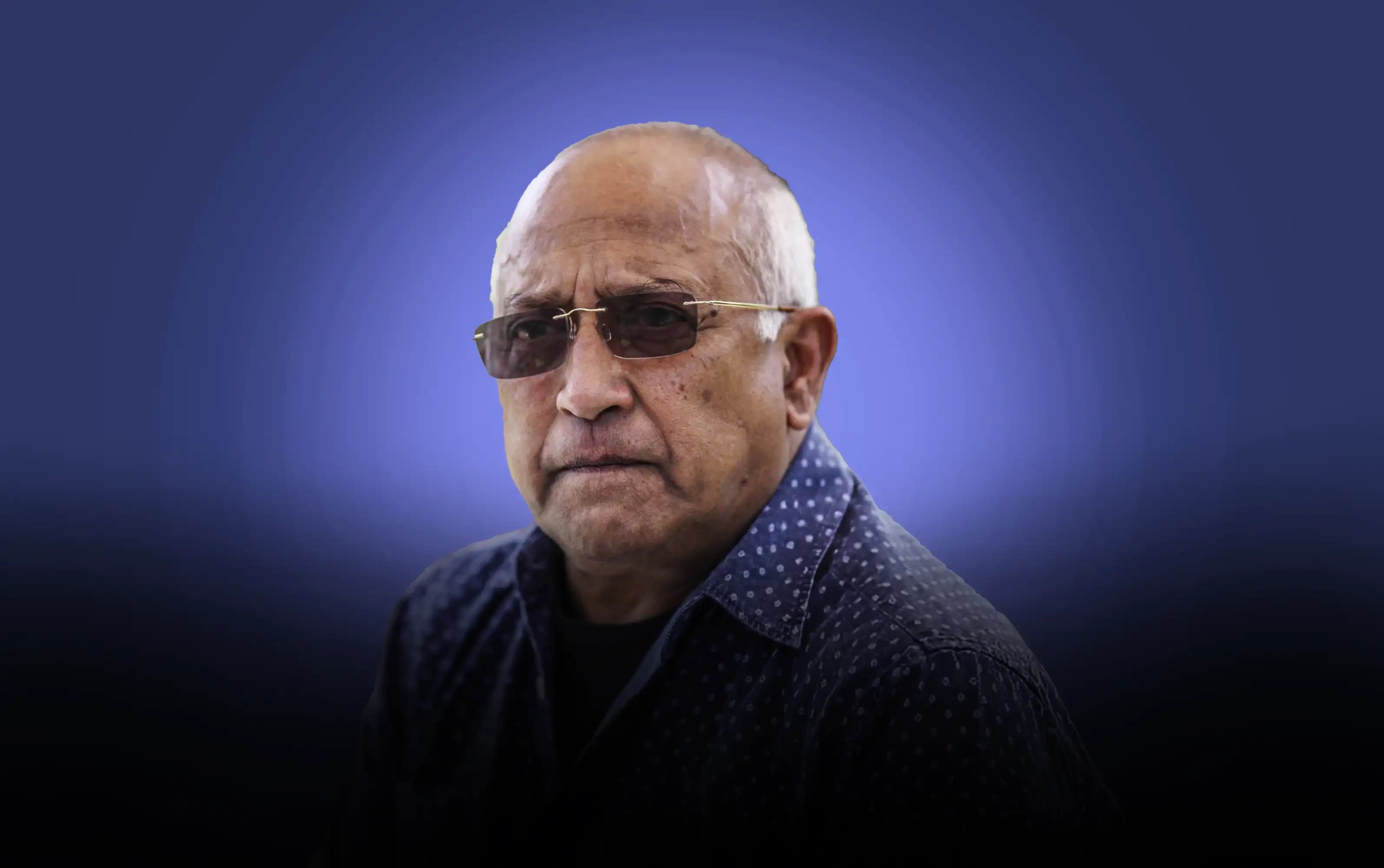
Rakesh Sharma
 India
Indiaastronaut•military personnel•aircraft pilot
Also known as: Wing Commander Rakesh Sharma, SQUADRON LEADER RAKESH SHARMA
Birthday
January 13, 1949
Birth Sign
Capricorn
Birthplace
Patiala, Punjab, India
Age
77 years old
Height
5 ft 8 in (173 cm)
About
Rakesh Sharma is an Indian former Air Force pilot and cosmonaut who became the first Indian citizen to travel to space. On 3 April 1984, he flew aboard the Soviet Soyuz T-11 spacecraft as part of the Interkosmos programme, spending seven days, 21 hours, and 40 minutes in orbit aboard the Salyut 7 space station. His mission made him a national hero and a symbol of India's growing ambitions in space exploration.
Sharma's journey began in the Indian Air Force, where he served as a fighter pilot and later a test pilot, logging over 400 hours on 30 different aircraft types. His selection for the Soviet space programme came through a joint Indo-Soviet agreement, and he underwent 18 months of rigorous training at Star City near Moscow. His iconic exchange with then-Prime Minister Indira Gandhi, who asked how India looked from space, and his reply "Saare Jahan Se Accha" (better than the whole world), remains one of the most memorable moments in Indian history.
Today, Sharma is a retired Wing Commander and a respected public figure. He continues to inspire new generations of Indian astronauts, appearing at events connected to India's Gaganyaan programme and the recent ISS flight of Indian astronaut Shubhanshu Shukla. In 2026, he was announced as the recipient of the Vikram Sarabhai Vigyan Award, recognising his contributions to space science and exploration.
Early Life & Background
Born on 13 January 1949 in Patiala, Punjab, Rakesh Sharma grew up in a middle-class family that valued education and service. From an early age, he was drawn to the skies, and his ambition to fly led him to the National Defence Academy (NDA) in 1966. At the NDA, he underwent rigorous military training, which shaped his discipline and resilience.
After graduating from the NDA, Sharma was commissioned as a pilot in the Indian Air Force. He flew combat missions during the Indo-Pakistani War of 1971, gaining valuable experience and earning respect among his peers. His exceptional flying skills and calm demeanour caught the attention of his superiors, and he was selected for test pilot training. As a test pilot, he flew over 400 hours on 30 different types of aircraft, including some of the most advanced fighters of the era.
In 1982, Sharma's life took a dramatic turn when he was selected as one of two Indian Air Force pilots shortlisted for a joint Indo-Soviet space mission. The other was Ravish Malhotra, who would serve as the backup cosmonaut. Sharma underwent 18 months of intensive training at Star City near Moscow, learning the intricacies of spaceflight, survival techniques, and the Soyuz spacecraft systems. The training was gruelling, but Sharma's determination and adaptability saw him through, preparing him for the historic journey that lay ahead.
Career Growth
On 3 April 1984, Rakesh Sharma blasted off from Baikonur Cosmodrome aboard Soyuz T-11, accompanied by Soviet cosmonauts Yuri Malyshev and Gennady Strekalov. The spacecraft docked with the Salyut 7 space station, where Sharma spent the next week conducting scientific experiments in remote sensing, materials processing, and biomedical studies. His most famous moment came during a live radio link-up with Prime Minister Indira Gandhi, who asked how India looked from space. His poetic reply, "Saare Jahan Se Accha," echoed across the nation and became an enduring symbol of patriotism.
After returning to Earth on 11 April 1984, Sharma was awarded the Ashoka Chakra, India's highest peacetime gallantry award, and the Soviet Union's Order of Lenin. He continued to serve in the Indian Air Force, rising to the rank of Wing Commander before retiring. Post-retirement, he joined Hindustan Aeronautics Limited as a test pilot, contributing to the development of the Tejas fighter jet programme.
Sharma's legacy extends beyond his own flight. He has been a vocal advocate for India's human spaceflight programme, and his inspiration helped pave the way for the Gaganyaan mission. In 2026, he was honoured with the Vikram Sarabhai Vigyan Award, and he remains an active public figure, sharing his experiences and encouraging young Indians to pursue careers in science and space.
Career Timeline
Public Image & Style
Rakesh Sharma is revered in India as a national hero and a pioneer of Indian space exploration. He is often referred to as the "first Indian in space" and is celebrated for his humility and patriotism. His image is that of a disciplined military officer and a modest, unassuming scientist. He does not have an official fandom name, but he is a beloved figure in Indian popular culture, frequently referenced in school textbooks, documentaries, and national commemorations. His famous exchange with Indira Gandhi is taught in Indian schools as an example of patriotism.
Fame & Fandom (iFAMOUS Rankings)
Rakesh Sharma commands a reverence that transcends the typical celebrity fanbase. There is no organized fandom name, no collective moniker for his admirers, and no grassroots campaigns of billboards or subway ads funded by a devoted following. His influence flows through state institutions, educational curriculums, and official commemorations rather than the chaotic energy of a pop-culture movement. He is revered as a national hero and scientific icon, interacting with the public primarily through formal engagements that inspire students rather than social media shout-outs. This unique position means he lacks the ritualistic behaviors seen in entertainment sectors; his legacy is anchored in verified historical events like his 1982 space mission and the iconic "Saare Jahan Se Achha" response, which serves as a cultural touchstone for patriotism. While corporate figures sharing his name appear in business news today, the astronaut remains the sole subject of this legendary status. Regarding his standing in the global consciousness, iFANN has evaluated Rakesh Sharma but currently finds him outside the published rankings. He does not hold a placement in the Global Top 1,000 or any Top-100 scope list. The evaluation reflects a status where he is universally recognized within India yet lacks the specific global consumption signals required for a numbered entry in the current cycle. This absence from the ranked lists highlights a distinct type of fame, one rooted in national mythos rather than global chart metrics.
Interesting Facts and Legends
Rakesh Sharma was one of two Indian Air Force pilots shortlisted for the Soviet space mission, serving alongside backup cosmonaut Ravish Malhotra. A qualified test pilot, he logged over 400 hours flying 30 different aircraft types during his IAF career. After retiring, he worked as a test pilot for Hindustan Aeronautics Limited, contributing to the development of the Tejas fighter jet programme. He remains a vocal advocate for India's Gaganyaan human spaceflight mission. His most famous legend involves a live radio link-up with Prime Minister Indira Gandhi from orbit, where he responded to her question about India's view from space with the patriotic declaration "Saare Jahan Se Accha." Another enduring story from his seven-day, 21-hour, and 40-minute journey aboard Salyut 7 is that he performed yoga in zero gravity, becoming the first person to do so in space. These moments have become core elements of India's cultural mythology, retold in textbooks and documentaries as symbols of national pride and scientific achievement.
Notable Quotes
“Saare Jahan Se Accha”
“Spend as much time looking out of the window as possible”
Family & Personal Life
Rakesh Sharma has largely kept his personal life out of the spotlight. He is married to Madhu Sharma, and the couple has two sons, Kapil and Sushil. His family has remained private, with no public records of any other romantic relationships or marriages. As of 2026, he is married and living in India, with no reports of separation or divorce.
Notable Connections
Rakesh Sharma is associated with Soviet cosmonauts Yuri Malyshev and Gennady Strekalov, who flew with him on Soyuz T-11. He also shares a connection with Ravish Malhotra, the backup cosmonaut and fellow IAF pilot. Prime Minister Indira Gandhi communicated with him during the mission, and Indian astronaut Shubhanshu Shukla has publicly credited Sharma as an inspiration.
Relationships & Dating History
Rakesh Sharma has been married to Madhu Sharma for several decades. The couple has two sons, Kapil and Sushil. Sharma has kept his personal life private, and there are no public records of any other romantic relationships or marriages. As of 2026, he is married and living in India, with no reports of separation or divorce.
- MarriedMadhu Sharma1970 - presentCurrentMarried to Madhu Sharma; they have two sons, Kapil and Sushil.
Salary, Net Worth In 2026
$10 Million
iFANN Editorial Team estimate
As a retired military officer and civil servant, Rakesh Sharma's financial details are not publicly documented in full. His income streams include his Indian Air Force pension, consultancy or advisory roles, and various speaking engagements. Per iFANN's editorial analysis, his net worth is estimated at around $10 million as of 2026, based on his pension, investments, and public appearances.
Awards Won (3)
Rakesh Sharma has been honoured with the Ashoka Chakra, India's highest peacetime gallantry award, and the Soviet Union's Order of Lenin. In 2026, he was announced as the recipient of the Vikram Sarabhai Vigyan Award. He has also received honorary doctorates from several Indian universities.
1984 · Peacetime gallantry
Space mission
1984 · Soviet state honour
Interkosmos programme
Known For
Soyuz T-11
1984 · Cosmonaut
Keywords
Sources
Quick Facts
- Profession
- astronaut, military personnel, aircraft pilot
- Born
- January 13, 1949
- Birthplace
- Patiala, Punjab, India
- Gender
- Male
- Birth Sign
- Capricorn
- Height
- 5 ft 8 in (173 cm)
- Spouse
- Madhu Sharma
- Children
- Kapil Sharma, Sushil Sharma
- Education
- National Defence Academy
Personal Details
- Full Name
- Rakesh Sharma
- Height
- 5 ft 8 in (173 cm)
- Spouse
- Madhu Sharma
- Children
- Kapil Sharma, Sushil Sharma
- Education
- National Defence Academy (NDA)
Frequently Asked Questions
How did Rakesh Sharma become the first Indian in space?
What did Rakesh Sharma say when asked how India looked from space?
How long did Rakesh Sharma spend in space?
What awards did Rakesh Sharma receive?
Is Rakesh Sharma still alive?
Similar People
Join the community
fans discussing