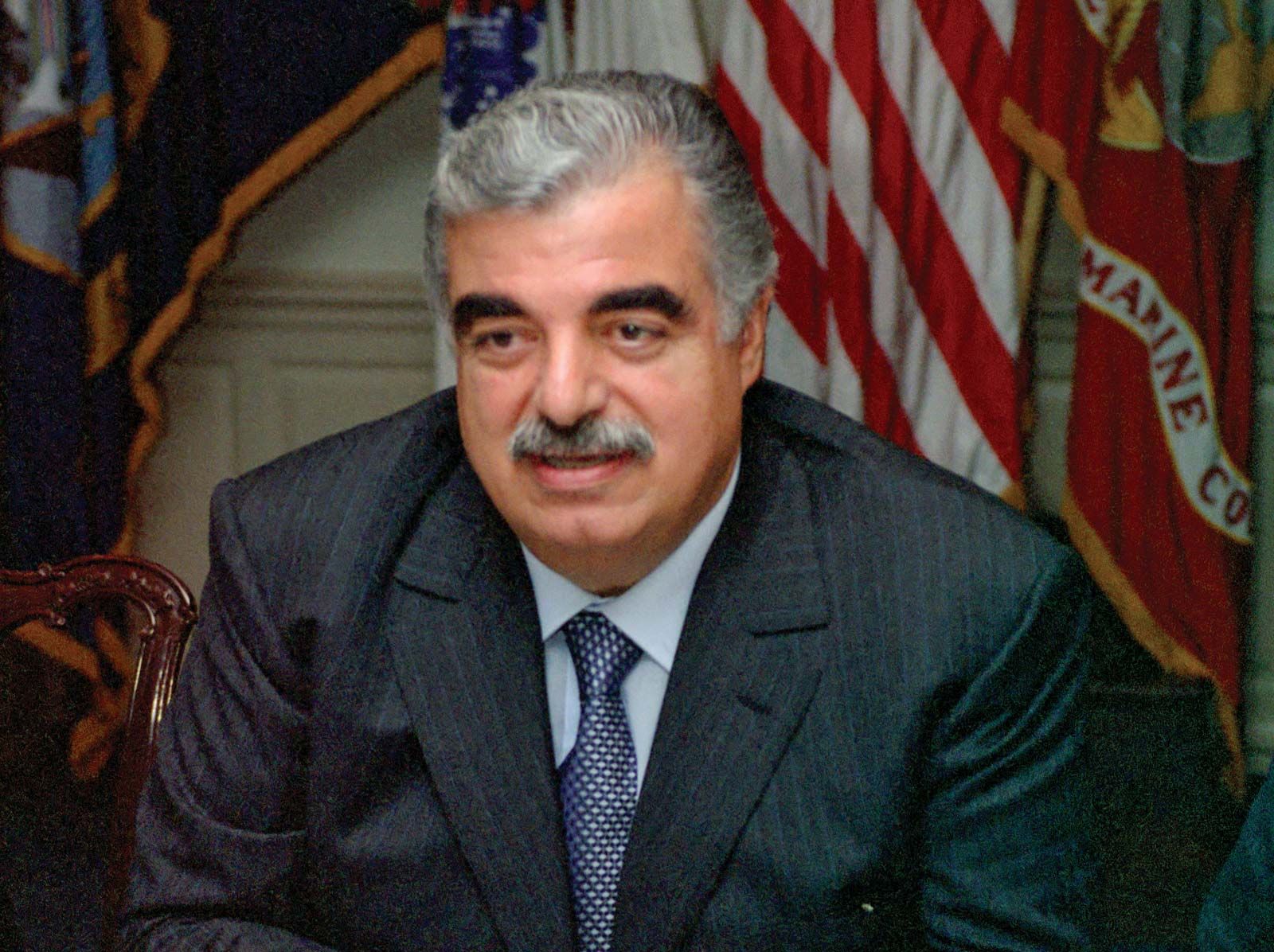
Rafiq Hariri
 Saudi Arabia
Also known as: Rafic Hariri, Rafik al-Hariri, Rafic Bahaeddine Al-Hariri
Birthday
November 1, 1944
Birth Sign
Scorpio
Birthplace
Sidon, Lebanon
Age
Died at 60
About
Rafic Hariri was a Lebanese billionaire businessman and politician who twice served as Prime Minister of Lebanon. He built a vast fortune through his construction company Saudi Oger and used that wealth to fund the reconstruction of Beirut after the civil war. His political career was defined by his efforts to rebuild the country and navigate a treacherous regional landscape.
Hariri first became Prime Minister in 1992, a role he held until 1998, and again from 2000 to 2004. He is best remembered for brokering the Taif Agreement that ended the civil war and for spearheading the rebuilding of Beirut's central district through his company Solidere. His assassination in 2005 triggered the Cedar Revolution, which forced Syrian troops to withdraw from Lebanon.
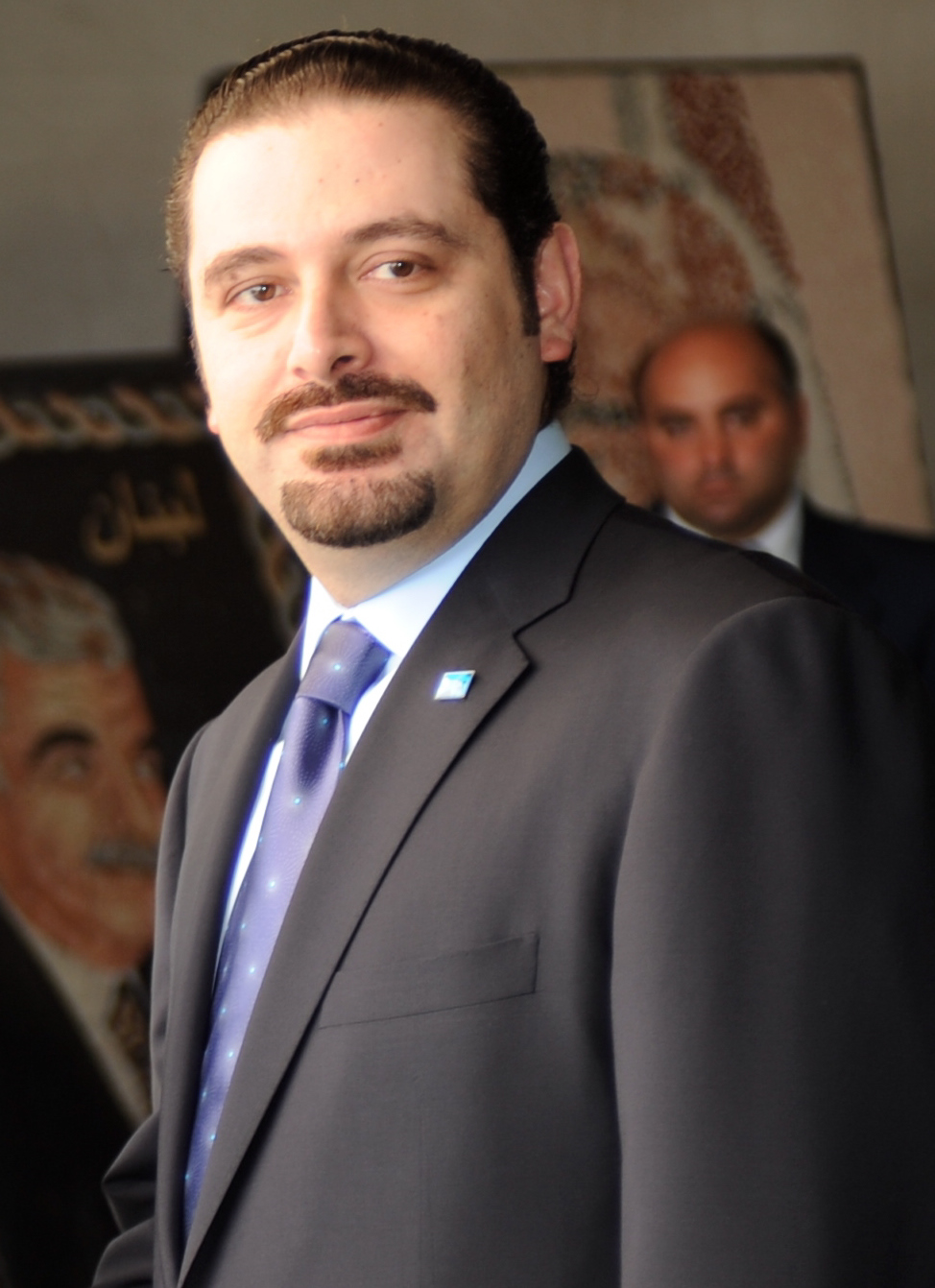
Today, his legacy lives on through the Hariri Foundation and the political career of his son Saad Hariri, who followed him as Prime Minister. The family remains one of the most powerful in Lebanon.
Early Life & Background
Rafic Hariri was born on November 1, 1944, in Sidon, a port city in southern Lebanon, to a modest Sunni Muslim family. His father was a fruit farmer, and the family lived in relative poverty. He attended local schools in Sidon before moving to Beirut to study business administration at the Arab University, though he left before completing his degree.
In the early 1960s, Hariri moved to Saudi Arabia, where he worked as a teacher and later as an accountant. In 1965, he founded a small construction company, which would eventually grow into the Saudi Oger conglomerate. The turning point came in the 1970s when he won lucrative contracts from the Saudi royal family to build and renovate palaces and hotels. By the late 1970s, Saudi Oger had become one of the largest construction firms in the Middle East, and Hariri had amassed a personal fortune in the billions. He took Saudi citizenship while retaining his Lebanese nationality, and his business empire expanded into banking, real estate, telecommunications, and media.
Career Growth
Hariri entered politics in 1992, shortly after the end of Lebanon's civil war. He was appointed Prime Minister on October 22, 1992, and went on to head five successive cabinets. His signature achievement was the reconstruction of Beirut's central district, which he pursued through his own real estate company, Solidere, established in 1994. He also played a key role in implementing the Taif Agreement, which formalized the end of the civil war.
His first premiership ended in 1998 when he resigned amid tensions with President Émile Lahoud and Syrian influence. He returned to power in October 2000 after his electoral list won a landslide victory. During his second term, Israel withdrew from Southern Lebanon in May 2000, ending an 18-year occupation. Hariri focused on economic reform and debt management but faced growing friction with Syria and Lahoud. He resigned in October 2004 in protest over a constitutional amendment that extended Lahoud's mandate under Syrian pressure.
On February 14, 2005, Hariri was assassinated by a massive truck bomb in Beirut. His death sparked the Cedar Revolution, leading to Syria's withdrawal from Lebanon in April 2005. The UN's Special Tribunal for Lebanon later convicted several individuals linked to Hezbollah for the attack.
Career Timeline
Public Image & Style
Hariri projected the image of a self-made billionaire statesman, always impeccably dressed in tailored suits, exuding competence and authority. He was seen as a champion of Lebanon's Sunni community and a symbol of economic liberalism and reconstruction. Media portrayals ranged from hagiographic in outlets aligned with his Future Movement to critical from leftist and Hezbollah-aligned sources, which accused him of neoliberal policies and subservience to Saudi interests. His supporters viewed him as a national savior who rebuilt Beirut; detractors saw a plutocrat using office to advance his business interests. The annual commemoration of his assassination in Martyrs' Square, with large gatherings and the Future Movement's blue banners, remains a potent symbol in Lebanese politics.
Fame & Fandom (iFAMOUS Rankings)
Rafic Hariri never cultivated a fanbase in the traditional sense of adoring crowds or organized communities. As a statesman defined by realpolitik, reconstruction, and the heavy machinery of international diplomacy, his public life was consumed by governance rather than performance. There are no records of birthday billboards, streaming campaigns, or ritualistic gatherings dedicated to his memory; instead, the collective sentiment surrounding him manifests as political support and national mourning. The narrative of his legacy is rooted in the tragedy of his removal from power and the geopolitical turmoil that followed, rather than the personal anecdotes typical of pop culture icons.
His status remains anchored in historical significance and the enduring mystery of his assassination, which serves as the singular defining event in his cultural mythology. While he did not generate viral moments or fan rituals, his influence persists through the political dynasty he left behind and the ongoing resonance of the Cedar Revolution. In the broader scope of global visibility, where attention spans media coverage, search trends, and consumption signals worldwide, Hariri maintains a specific, measured prominence. He is currently ranked the 18th most famous person from Saudi Arabia, a position holding steady from the previous cycle within the iFANN Global Fame Rankings.
Interesting Facts and Legends
Before entering the construction industry, Hariri reportedly taught Arabic and mathematics in Saudi Arabia. He held dual Lebanese and Saudi citizenship, a strategic asset that facilitated his business dealings across the Gulf region. A close personal friend of French President Jacques Chirac, he received a swift visit from the Western leader following the bombing at the St. George Hotel. That CCTV footage became central to the subsequent investigation into his death.
The legend of Hariri is dominated by the events of February 14, 2005. Traveling in a motorcade past the St. George Hotel in downtown Beirut, a van bomb exploded, killing him and 21 others. This act triggered the Cedar Revolution, forcing Syrian troops to withdraw from Lebanon. Legal proceedings later solidified this event in history; a UN-backed tribunal convicted Hezbollah members in 2020 and again on appeal in 2022, though full attribution remains debated. His son Saad inherited his political mantle and leadership of the Future Movement, ensuring the family's continued prominence in Lebanese affairs.
Notable Quotes
“We are not rebuilding Beirut for the dead; we are rebuilding it for the living.”
“I did not enter politics to make money. I made money to serve my country.”
“I fear for Lebanon's future if we continue down this path.”
Family & Personal Life
Hariri married twice. His first wife, Nidal Boustany, gave him his eldest son, Bahaa Hariri. They later divorced. In 1976, he married Nazik Audi, who became a prominent philanthropist and founded the Hariri Foundation. Together they had several children, including Saad Hariri, who served as Prime Minister of Lebanon from 2009 to 2011 and again from 2016 to 2020, and Ayman Hariri, a businessman listed among the world's richest Arabs. The family also includes sons Fahd and daughter Hind. Nazik survived her husband and continues to manage the family's philanthropic interests.
Notable Connections
Rafic Hariri was closely associated with French President Jacques Chirac, a close friend who visited Beirut after the assassination. His son Saad Hariri succeeded him as leader of the Future Movement and served as Prime Minister. His eldest son Bahaa is a businessman, and his son Ayman has been listed among the world's richest Arabs. His wife Nazik Hariri is a philanthropist. Political rival Émile Lahoud was president during Hariri's second term. The Special Tribunal for Lebanon convicted Salim Jamil Ayyash, Hassan Merhi, and Hussein Oneissi for roles in the assassination.
Relationships & Dating History
Rafic Hariri married his first wife, Nidal Boustany, in the 1960s. The marriage produced his eldest son, Bahaa Hariri, before ending in divorce. In 1976, he married Nazik Audi, a union that lasted until his death. Nazik became a prominent philanthropist and founded the Hariri Foundation. Together they had several children, including Saad, Ayman, Fahd, and Hind. At the time of his assassination in 2005, Hariri was married to Nazik, who survived him and continues to manage the family's philanthropic and business interests. There are no documented romantic relationships outside these two marriages.
- MarriedNidal Boustany1960 - 1975First wife, mother of Bahaa Hariri; marriage ended in divorce.
- MarriedNazik Hariri1976 - 2005Second wife, mother of Saad, Ayman, Fahd, and Hind; marriage lasted until his death.
Death & Aftermath
Died
February 14, 2005 (aged 60)
Death Place
Beirut, Lebanon
Cause of Death
Assassination by suicide bomb blast
The Lebanese government and United Nations Security Council immediately ruled the death an assassination by a massive truck bomb, launching the UN International Independent Investigation Commission to assist local authorities. On February 14, 2005, at approximately 6:30 PM, Hariri's motorcade was passing the St George Hotel in the Gemmayzeh district of downtown Beirut when a van packed with explosives detonated beneath a pile of sand and metal debris. The blast killed Hariri instantly alongside 21 other people while injuring hundreds more, marking the end of his fourth term as Prime Minister. The public reaction transformed into the Cedar Revolution, as hundreds of thousands of citizens took to the streets across Lebanon within days to demand the withdrawal of Syrian troops and justice for the slain leader.
Tributes poured in from global figures including US President George W. Bush and French President Jacques Chirac, who condemned the act and praised Hariri as a builder of modern Lebanon. His funeral on February 18, 2005, drew an estimated one million mourners to the Riad El Solh Mosque before his body was interred in a mausoleum in his hometown of Jounieh. Years of legal proceedings followed, culminating in Special Tribunal for Lebanon verdicts that convicted Hezbollah members Salim Ayyash, Hassan Habib Merhi, and Amjad Al-Sheikh for their roles in the plot, though no evidence emerged linking senior leadership of Hezbollah or the Syrian regime directly to the order.
The tribunal officially closed its operations in December 2023 after completing its mandate. Posthumously, the Rafic Hariri Foundation continued its work in education and health, while his son Saad succeeded him politically and the Hariri Group maintained its business operations under family leadership.
Net Worth (Estate Value)
$5 Billion
iFANN Editorial Team estimate
At the time of his death in 2005, Forbes estimated Rafic Hariri's personal fortune at approximately $4.3 billion, making him one of the wealthiest political figures in the world. His wealth originated from Saudi Oger, the construction conglomerate serving as his primary business vehicle, alongside Solidere, the real estate firm behind Beirut's reconstruction. Additional revenue streams included Future TV, banking stakes, telecommunications investments, and extensive real estate holdings across Lebanon, Saudi Arabia, and France. Since his assassination, the Hariri family estate has continued to generate substantial revenue. The business empire, now managed by his sons Saad and Ayman, retains significant holdings. Ayman Hariri has been consistently listed among the world's richest Arabs; in the 2026 Forbes Middle East ranking, the family's combined wealth still places them among the region's wealthiest dynasties. The estate's revenue streams include ongoing construction and contracting operations, real estate development, media holdings, and investment portfolios. The family's political prominence has also maintained the Hariri name as a significant brand in Lebanese public life. Per iFANN's editorial analysis, as of 2026, the family's net worth is estimated at $5 Billion.
Awards Won (3)
Rafic Hariri received several honours during his lifetime, including Lebanon's highest civilian award, the Grand Cordon of the National Order of the Cedar, France's Legion of Honour, and the Order of Merit of the Italian Republic. He also received numerous honorary doctorates from international universities in recognition of his philanthropic work.
Civilian Honour
Lifetime achievement
Civilian Honour
Contributions to Franco-Lebanese relations
Known For
Prime Minister of Lebanon
1992-1998, 2000-2004 · Prime Minister
Solidere
1994 · Founder
Saudi Oger
1965 · Founder
Taif Agreement
1989 · Facilitator
Cedar Revolution
2005 · Catalyst (assassination)
Keywords
Sources
Quick Facts
- Profession
- politician, entrepreneur
- Born
- November 1, 1944
- Birthplace
- Sidon, Lebanon
- Died
- February 14, 2005
- Death Place
- Beirut, Lebanon
- Gender
- Male
- Spouse
- Nidal Boustany, Nazik Hariri
- Birth Sign
- Scorpio
- Net Worth
- $5 Billion
Personal Details
- Full Name
- Rafic Bahaeddine Al-Hariri
- Spouse
- Nidal Boustany, Nazik Hariri
- Children
- Bahaa Hariri, Saad Hariri, Ayman Hariri, Fahd Hariri, Hind Hariri
- Education
- Arab University of Beirut (studied business administration, did not graduate)
Frequently Asked Questions
How did Rafic Hariri die?
How many children did Rafic Hariri have?
What was Rafic Hariri's net worth?
Who killed Rafic Hariri?
What was the Cedar Revolution?
Similar People
Join the community
fans discussing