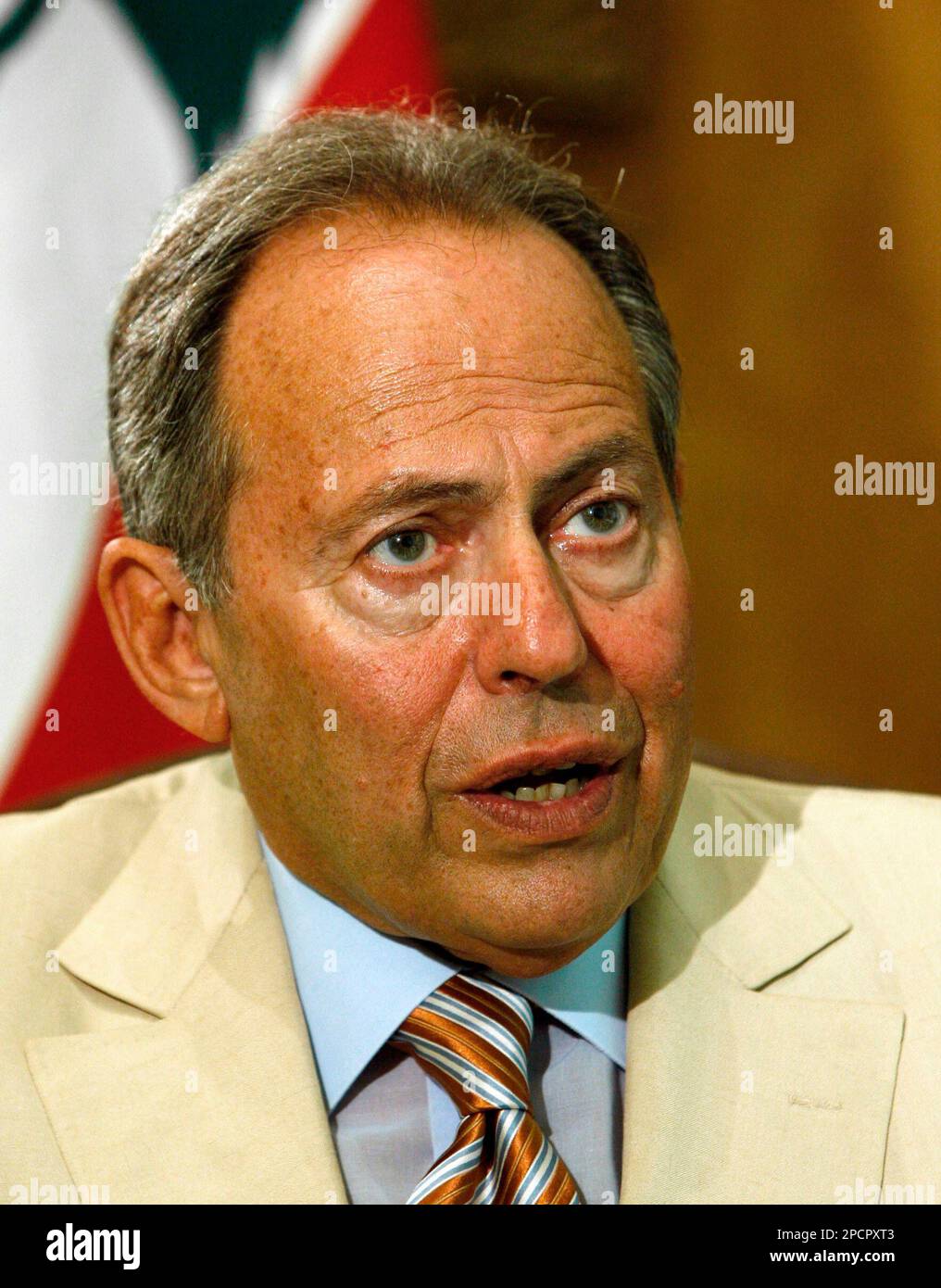
Émile Lahoud
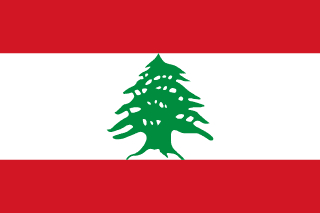 Lebanon
Also known as: Emile Lahoud
Birthday
January 12, 1936
Birth Sign
Capricorn
Birthplace
Beirut, Lebanon
Age
90 years old
About
Émile Jamil Lahoud is a Lebanese politician and former military officer who served as the 11th president of Lebanon from 1998 to 2007. Born in Beirut on January 12, 1936, he came to power after a long career in the Lebanese Armed Forces, culminating in his role as army commander from 1989. As president, he oversaw the end of the Israeli occupation of Southern Lebanon in May 2000, a defining moment for the country. His tenure also saw the rearming of the Lebanese military and efforts to stabilize the nation after years of civil war. However, his close alignment with Syrian President Bashar al-Assad and his role in prolonging the Syrian presence in Lebanon made him a deeply controversial figure, both domestically and internationally.
Today, at 90, Lahoud remains politically vocal. He continues to comment on regional affairs, praising the Lebanese Army's stance against Israeli attacks and expressing support for Hezbollah and the resistance axis. His legacy is a polarizing one: supporters see a steadfast nationalist who resisted Israeli aggression, while critics view him as a symbol of Syrian hegemony. Regardless, his nine-year presidency left an indelible mark on Lebanon's modern history.
Early Life & Background
Émile Lahoud was born into a prominent Lebanese family with deep roots in the Maronite Christian community. His father, Jamil Lahoud, was a military officer who served in the French Mandate-era forces and later in the Lebanese Army. His mother, Adrene Karabajakian, was of Armenian descent, a heritage Lahoud has openly embraced throughout his life.
Growing up during the French Mandate and the early years of Lebanese independence, Lahoud witnessed the formation of the modern Lebanese state. He pursued a military career from a young age, joining the armed forces in the 1950s. His training took him through military academies, where he developed a reputation for discipline and competence. He rose steadily through the ranks, holding various command positions that prepared him for higher leadership.
The Lebanese Civil War (1975–1990) was a defining period. As the army fractured along sectarian lines, Lahoud remained with the institutional forces, working to maintain cohesion. His loyalty during this turbulent time positioned him as a unifying figure. In 1989, he was appointed commander of the Lebanese Armed Forces, making him one of the most powerful men in the country. In that role, he oversaw the military's part in implementing the Taif Agreement, which ended the civil war and reshaped Lebanon's political order.
Career Growth
Lahoud's presidency began on November 24, 1998, when he was sworn in as Lebanon's 11th president, succeeding Elias Hrawi. He retired from active military service upon taking office. His early years in power were marked by a focus on rebuilding state authority and reducing sectarian tensions. With Syrian assistance, he rearmed the Lebanese military, strengthening the state's capacity to maintain order.
In May 2000, a historic moment arrived: the Israeli occupation of Southern Lebanon, which had persisted since 1982, came to an end with Israel's withdrawal. Lahoud's government oversaw this transition, which followed years of resistance by Hezbollah and other groups. The event was widely celebrated in Lebanon and boosted Lahoud's standing among those who supported the resistance.
However, his close ties to Syrian President Bashar al-Assad and his resistance to international pressure for Syrian withdrawal from Lebanon made him a target of opposition and foreign criticism. In 2004, UN Security Council Resolution 1559 called for Syria to leave Lebanon and for militias to disarm. Lahoud refused to facilitate these demands, deepening the conflict. The assassination of former Prime Minister Rafik Hariri on February 14, 2005, triggered the Cedar Revolution, with massive protests demanding Syrian withdrawal and Lahoud's resignation. Opposition lawmakers publicly called for him to step down, but he remained in office.
As his term neared its end in November 2007, Lebanon faced the prospect of a power vacuum. Lahoud declared a state of emergency and handed security powers to the military. He left office on November 23, 2007, without a successor, plunging the country into a six-month presidential vacuum that ended with Michel Suleiman's election in May 2008.
Career Timeline
Public Image & Style
Émile Lahoud's public image is sharply polarized. To his supporters, particularly within pro-Syrian and pro-resistance circles, he is a steadfast nationalist who stood up to Israeli aggression and defended Lebanon's sovereignty. To his critics, he is remembered as a symbol of Syrian hegemony and an obstacle to democratic reform. His unwavering opposition to Israel has been a constant theme, from his presidency through his post-presidential commentary. He has also been a vocal supporter of Hezbollah and the broader resistance axis in the region. There is no organized fandom in the celebrity sense; his support base is political, rooted in Lebanese and regional dynamics. His statements often make headlines, and he remains a respected, if controversial, elder statesman.
Fame & Fandom (iFAMOUS Rankings)
Émile Lahoud's name carries weight in the corridors of Middle Eastern politics, yet his global footprint is modest. He has been evaluated by iFANN's Global Fame Engine, but as of August 2026, he does not hold a placement in the published rankings, neither the Global Top 1,000 nor any Top-100 scope list. His recognition is largely confined to Lebanon and the wider Arab world, where his presidency and post-presidency stances keep him in the news. But beyond that sphere, he remains a figure known mainly to students of geopolitics and readers of diplomatic cables.
His fanbase, such as it is, has no formal name. There are no organized fan clubs, no celebratory hashtags, no birthday billboards. His supporters are political allies, not cultural enthusiasts. They gather around his speeches and interviews, not around merchandise or fan art. The absence of a fandom name is telling, Lahoud is a statesman, not a pop icon.
In the absence of rankings, his fame is measured by the steady stream of commentary he generates. From his 2024 Foreign Policy Association interview to his 2026 statements on the ceasefire, he remains a voice in regional affairs. But in the global fame sweepstakes, he is unranked, a footnote in the broader story of Lebanon's turbulent modern history.
Interesting Facts and Legends
Émile Lahoud is one of the few Lebanese presidents who came directly from the military command, having served as army commander immediately before assuming the presidency. His nine-year term is among the longest in Lebanese history. He left office without a successor, a rare occurrence that led to a six-month political crisis. Lahoud has maintained a pro-resistance, anti-Israel stance throughout his post-presidency, often speaking out on regional conflicts. He has also expressed pride in his Armenian heritage, a nod to his mother's background. Despite his age, he remains active in political commentary, frequently appearing in interviews and issuing statements.
One of the most retold stories of his presidency is the constitutional crisis at the end of his term in November 2007. As his term expired with parliament deadlocked, Lahoud handed power to the army chief and declared a state of emergency. The image of a president ceding authority to the military, rather than staying or forcing a solution, became a symbol of Lebanon's political paralysis.
Another legend centers on the 2005 Cedar Revolution. After the assassination of Rafik Hariri, mass protests and international pressure demanded Lahoud's resignation. He refused, clinging to his alliance with Syria. In the years since, his name has been invoked as shorthand for Syrian influence, Lebanese Forces leader Samir Geagea even compared him to current President Michel Aoun, saying the authority is 'in essence the same Syrian-Lebanese security authority.'
Notable Quotes
“Lebanon has two enemies: Israel is the permanent enemy, and the second enemy is fundamentalist extremists.”
“Your Wish Has Been Fulfilled, Sayyed, and Your Goals Will Be Achieved.”
“The Lebanese Army has taken an honorable stance in response to Israeli attacks.”
Family & Personal Life
Émile Lahoud married Andrée Amadouni, and the couple had three children. His wife maintained a relatively low public profile during his presidency. Lahoud's mother, Adrene Karabajakian, was of Armenian descent, and he has often spoken about his Armenian roots. His father, Jamil Lahoud, was a military officer who served in the French Mandate-era forces and later in the Lebanese Army, setting a precedent for his son's career. The family's deep ties to Lebanon's Maronite Christian community have been a consistent thread throughout Lahoud's life.
Notable Connections
Émile Lahoud's political career was deeply intertwined with Syrian President Bashar al-Assad, whom he considered a close ally. He was also closely associated with the late Hezbollah leader Hassan Nasrallah, expressing support for the resistance movement. His predecessor as president was Elias Hrawi, and his successor was Michel Suleiman. The assassination of former Prime Minister Rafik Hariri in 2005 was a pivotal event that shaped his final years in office.
Relationships & Dating History
Public information about Émile Lahoud's romantic relationships is extremely limited, consistent with the private nature of his personal life and the cultural norms of Lebanese political society. He married Andrée Amadouni in his early adulthood, before his rise to national prominence. The exact year of their marriage is not publicly documented. The couple remained married throughout his military career, his presidency, and into his retirement. They had three children together. No public records indicate any divorce, separation, or other romantic relationships during or after his marriage. As of 2026, Lahoud, at age 90, is presumed to be married, with no reports of any new relationship.
- MarriedAndrée AmadouniCurrentMarried in early adulthood; had three children together.
Salary, Net Worth In 2026
$1 Million
iFANN Editorial Team estimate
iFANN's editorial analysis currently estimates Émile Lahoud's net worth at $1 million. As a career military officer and politician, his personal wealth has never been publicly documented. Lebanese presidential salaries are modest by international standards, and Lahoud's financial affairs have remained private. No credible net worth estimates from financial outlets or celebrity-net-worth sites were found. He has not been involved in business ventures or major investments, and his post-presidency activities have been focused on political commentary rather than financial gain. This figure reflects a lifetime of public service rather than private enterprise.
Awards & Accolades
View 3 records, honours and achievementsKnown For
President of Lebanon
1998-2007 · 11th President
Commander of the Lebanese Armed Forces
1989-1998 · Army Commander
Keywords
Sources
Quick Facts
- Profession
- politician, military officer
- Born
- January 12, 1936
- Birthplace
- Beirut, Lebanon
- Gender
- Male
- Birth Sign
- Capricorn
- Spouse
- Andrée Amadouni
- Children
- 3
Personal Details
- Full Name
- Émile Jamil Lahoud
- Spouse
- Andrée Amadouni
- Children
- 3
- Education
- Military academies
Frequently Asked Questions
Is Émile Lahoud still alive?
How old is Émile Lahoud?
What did Émile Lahoud do as president of Lebanon?
Why is Émile Lahoud controversial?
Does Émile Lahoud have children?
Similar People
Join the community
fans discussing