 Egypt
EgyptAbout
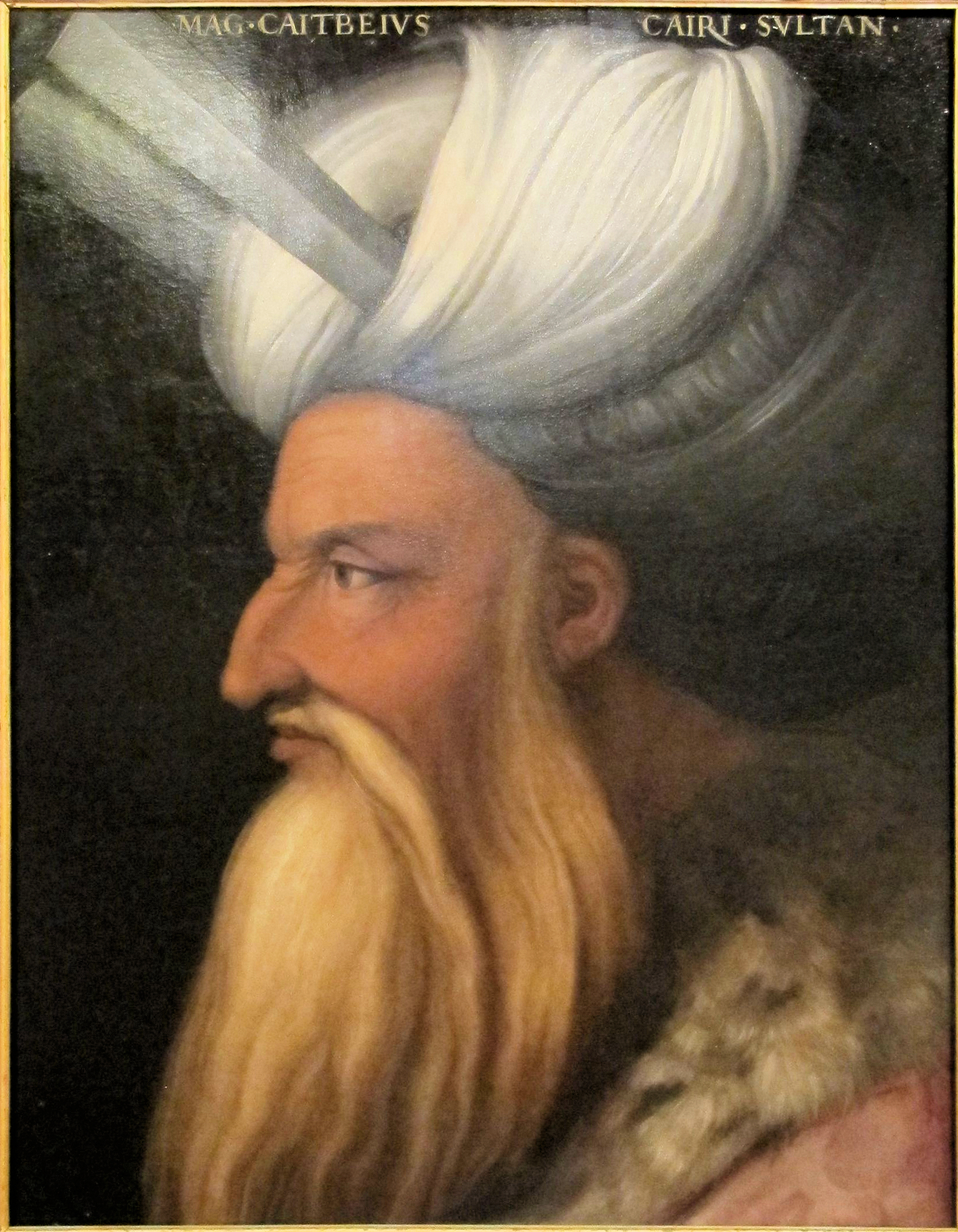
Sultan Qaitbay, born in Circassia around 1416 or 1418, rose to become the eighteenth Sultan of Egypt within the Burji dynasty. He held this powerful position from 1468 until his death in 1496. Before ascending to the throne, Qaitbay was purchased as a slave by Sultan Barsbay and later freed by Barsbay's successor, Jaqmaq. His early life was marked by military service; he participated in sixteen campaigns, demonstrating a strong aptitude for leadership and strategy that would serve him well as ruler. This extensive experience laid the groundwork for his long and impactful reign.
Fame & Fandom
Sultan Qaitbay commands a unique form of reverence that transcends the modern celebrity cycle. His audience consists not of trend-chasers but of historians, archaeologists, and heritage enthusiasts who gather at his monuments to witness the enduring power of his architectural vision. There is no formal fandom name for this devoted group, nor are there fan campaigns or inside jokes; their devotion manifests in the quiet appreciation of the Citadel of Qaitbay in Alexandria and the recently restored mausoleum in Cairo. This community treats his legacy as a living history lesson rather than pop culture, finding connection through the stone walls he left behind. The resonance of his life extends far beyond Egypt's borders, placing him firmly within the global consciousness of historical figures. He holds a steady position among the world's most recognized leaders from his nation. He is the 86th most famous person from Egypt the 86th most famous person from Egypt. These placements reflect his standing within the iFANN Global Fame Rankings iFANN Global Fame Rankings, which track global attention across media coverage, search, and consumption signals worldwide.
Interesting Facts and Legends
Born in Circassia around 1416 or 1418, Qaitbay rose from slavery to become the eighteenth Sultan of Egypt, ruling from 1468 until his death in 1496. Before ascending the throne, he participated in sixteen military campaigns under Sultan Barsbay and Jaqmaq, honing the strategic mind that would stabilize the Mamluk state. One of his most iconic achievements was constructing the Citadel of Qaitbay in Alexandria between 1477 and 1479 directly over the ruins of the ancient Lighthouse of Alexandria. This act is widely retold as a symbol of resilience, marking the transition from ancient wonders to medieval fortifications. A significant chapter in his modern lore involves the major restoration of his mausoleum in Cairo, which reopened after a recent restoration. High-profile diplomatic visits by Egyptian President El-Sisi and French President Macron to the Citadel further cemented the site's status as a vital cultural landmark. While he did not have a fanbase in the contemporary sense, his legacy lives on through the active tourism and academic study surrounding his structures.
Death & Aftermath
Died
+1496-08-08
Death Place
Cairo, Egypt
Cause of Death
Reported as natural causes due to old age and illness
Sultan Qaitbay passed away in Cairo on October 3, 1496, bringing an end to a reign that had defined the Mamluk Sultanate for nearly three decades. Contemporary chronicles attribute his passing to natural causes associated with old age and illness, noting a rapid decline in health during the final weeks of September before he succumbed in early autumn. His last days were spent overseeing major architectural endeavors, including the restoration of the Citadel of Alexandria and the final touches on his own mausoleum, activities that underscored his enduring commitment to the empire's infrastructure even as his strength waned. The news of his death sparked widespread mourning across the realm, with contemporary poets and scholars composing elegies that praised his justice, piety, and role in defending Egypt against external threats from Ottoman and Portuguese forces.
His funeral was a grand state affair held in Cairo, attended by high-ranking amirs, the judicial elite, and the general populace who gathered to honor a ruler they deeply revered. He was interred in the Mausoleum of Sultan Qaitbay in the Gamaliya district, a magnificent structure he had commissioned between 1472 and 1474 which stands today as one of the finest examples of Mamluk architecture. Upon his death, the treasury and estate transferred seamlessly to his successor, Sultan al-Ashraf Janbalat, following established protocols without public dispute. The legacy of Qaitbay remains immortalized not only in historical records but also in the physical monuments that dot the Egyptian landscape, such as the Citadel of Qaitbay in Alexandria built upon the site of the ancient Lighthouse.
Awards & Accolades
Keywords
Quick Facts
- Profession
- politician
- Birthplace
- Circassia
- Died
- +1496-08-08
- Gender
- Male
Join the community
fans discussing