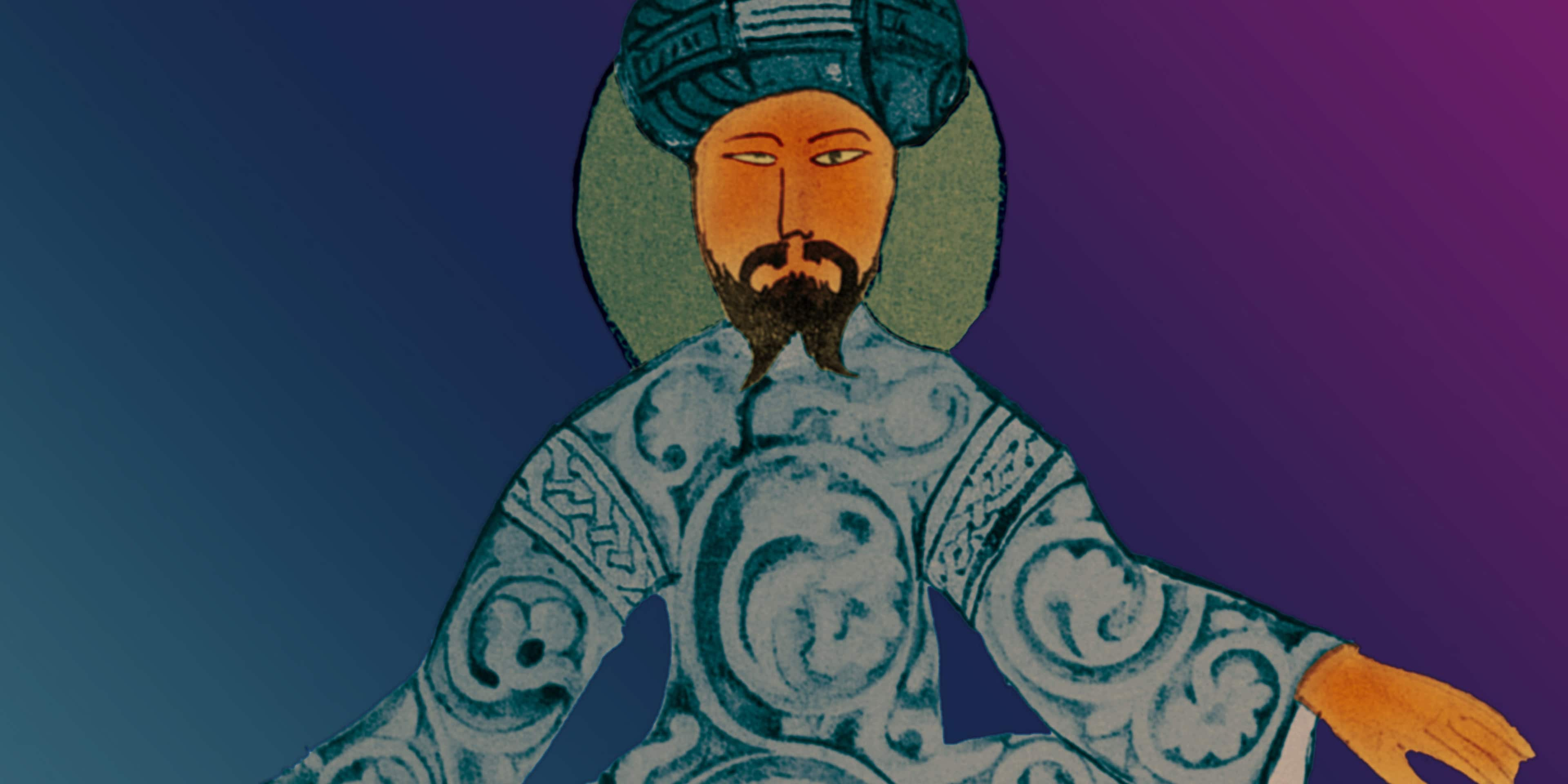
Saladin
Military commander•Sultan of Egypt and Syria•founder of the Ayyubid dynasty
Also known as: Salah ad-Din, Salah ad-Din Yusuf ibn Ayyub, Sultan Saladin
Birthday
1137
Birth Sign
Capricorn
Birthplace
Tikrit Castle, Mesopotamia (modern Iraq)
Age
Died at 56
About
Saladin was a Kurdish military commander and the founder of the Ayyubid dynasty, the first sultan of both Egypt and Syria. He is the most famous Kurdish figure in history, and his name is inseparable from the Crusades. At its height his realm stretched from Egypt and Syria across Upper Mesopotamia, the Hejaz, Yemen, and Nubia, making him one of the most powerful rulers of the medieval Islamic world. He is remembered for uniting Egypt and Syria under a single rule and for turning back the Crusader states at the height of their power. His reputation rests on two things: the victory at the Battle of Hattin on 4 July 1187 and the recapture of Jerusalem on 2 October 1187. That campaign re-established Muslim dominance in the Levant and made him the central figure of the Third Crusade. He is remembered as much for his conduct as for his conquests, above all for the mercy he showed Jerusalem's inhabitants after the siege. In the West he became the model of the chivalrous enemy; in the Islamic world, the unifier who restored Jerusalem. His name still carries weight in calls for unity, and his mausoleum in Damascus remains a place of veneration.
Early Life & Background
He was born in Tikrit Castle, on the Tigris in Mesopotamia, in 1137 or 1138, into a Kurdish military family. The family was Kurdish by origin but culturally Arab by language and inclination. During his childhood they moved first to Baalbek and then to Damascus.
Contemporary accounts describe a scholarly and religiously inclined youth, not an obvious soldier. He is said to have preferred the study of theology and law. He entered the service of Nur al-Din as a minor officer, and for years his prospects looked ordinary. His first real step toward power came in 1164, when he accompanied his uncle Shirkuh, a Kurdish commander in Zengid service, on a campaign into Fatimid Egypt. The mission was to restore the vizier Shawar. It became a prolonged power struggle instead.
Saladin distinguished himself militarily against Crusader assaults. He also built a close relationship with the teenage Fatimid caliph al-Adid. That combination of battlefield success and court access set up everything that followed.
Career Growth
In 1169, after Shawar was assassinated and Shirkuh died, the caliph al-Adid appointed Saladin vizier of Egypt. He was a Sunni Muslim governing an Isma'ili Shi'a state, and he moved quickly to undermine the Fatimid establishment. When al-Adid died in 1171, Saladin abolished the Fatimid Caliphate and realigned Egypt with the Sunni Abbasid Caliphate in Baghdad. After Nur al-Din died in 1174, he launched the conquest of Syria, entering Damascus at its governor's request. He took Hama and Homs, defeated rival Zengid lords at the Battle of the Horns of Hama in 1175, and was proclaimed Sultan of Egypt and Syria by the caliph al-Mustadi. He survived two assassination attempts by the Order of Assassins and returned to Egypt in 1177. By 1182 the conquest of Syria was complete with the capture of Aleppo, though he failed to take Zengid-held Mosul. He captured Amida and much of Upper Mesopotamia in 1183.
Then came 1187. On 4 July his army destroyed the Crusader force at the Battle of Hattin. On 2 October he recaptured Jerusalem, re-establishing Muslim dominance in the Levant. From 1189 to 1192 he contested the Third Crusade against Richard the Lionheart. The Treaty of Jaffa in 1192 left Jerusalem in Muslim hands but guaranteed Christian pilgrims access.
Career Timeline
Public Image & Style
In Western tradition he is the model of the chivalrous enemy, the noble Saracen of medieval romance and of modern films such as Kingdom of Heaven (2005). In the Islamic world he is remembered as the unifier who restored Jerusalem, a symbol invoked in calls for unity. His signature image in art is the turbaned, bearded sultan with a scimitar. Austerity and generosity are the defining traits in the sources. Medieval descriptions emphasize a slight build, a short beard, and a grave, scholarly bearing rather than physical stature. No reliable contemporaneous measurement of his height survives.
Fame & Fandom (iFAMOUS Rankings)
Fame data for Saladin has not yet been gathered by iFANN. He does not appear on the September 2026 iFAMOUS Rankings flagship list. What he has instead is eight centuries of historical veneration. There is no organized modern fandom with a name, and no formal fanbase exists. A large popular-history and YouTube documentary culture keeps his story in circulation, from Epic History TV to Real Crusades History to lectures by the historian Jonathan Phillips. Fans of the Crusades era debate his tactics and his mercy on forums and in comment sections the way sports fans argue about coaches. The audience is broad and informal: history buffs, students of the Middle East, and readers drawn to the rare conqueror remembered for restraint.
Interesting Facts and Legends
He died with almost nothing. A story fans of the period still retell has Richard the Lionheart losing his horse in battle, and Saladin sending him a replacement. Another has Saladin sending fruit, snow, and physicians when Richard fell ill during the Third Crusade. Both are widely repeated and at least partly apocryphal. The Assassin attempts on his life are documented by medieval chroniclers, and in one episode the killers came within seconds of succeeding. Popular history in late 2025 revisited those attempts, noting that a success would have upended the Crusades. He appears on the coat of arms of Egypt and is commemorated in the name of Saladin Governorate in Iraq and the Saladin Citadel in Cairo. In historical reputation surveys he is routinely named among the most influential Muslim rulers and among the most famous figures of the Crusades era.
Notable Quotes
“I warn you against shedding blood, indulging in it and making a habit of it, for blood never sleeps.”
“It is better to be a slave to God than a master of men.”
“How strange that a man should be given a kingdom and yet have nothing to leave his children.”
Family & Personal Life
His father, Najm al-Din Ayyub, was a high-ranking Kurdish officer in Nur al-Din's army, and the family moved from Tikrit to Baalbek and then Damascus during Saladin's childhood. His known wife was Ismat ad-Din Khatun, whom he married around 1176. She was the widow of Nur al-Din, and the match strengthened his claim in Syria. Sources are sparse on further marriages; he is generally reported to have had a single principal wife and several concubines. He fathered numerous children, including al-Aziz Uthman, who succeeded him as sultan in Egypt, and al-Afdal and az-Zahir, who contested the succession after his death. His brother al-Adil became the effective ruler of the realm. The family's Kurdish origins and Arab cultural identity shaped his political base throughout his career.
Notable Connections
Shirkuh, his uncle and mentor; Nur al-Din, his overlord; al-Adid, the Fatimid caliph; Ismat ad-Din Khatun, his wife; al-Adil, his brother and successor as effective ruler; his sons al-Afdal, al-Aziz Uthman, and az-Zahir; Richard the Lionheart and Baldwin IV, his opponents; and the Order of Assassins.
Relationships & Dating History
Saladin's known wife was Ismat ad-Din Khatun, whom he married around 1176. She was the widow of Nur al-Din, his former overlord, and the match was politically significant: it strengthened his claim in Syria. Sources are sparse on further marriages. He is generally reported to have had a single principal wife and several concubines. There is no documented record of divorce or remarriage in the sources retrieved. At the time of his death in 1193 he was married to Ismat ad-Din Khatun.
- MarriedIsmat ad-Din Khatun1176 - 1193CurrentWidow of Nur al-Din; the marriage strengthened Saladin's claim in Syria.
Death & Aftermath
Died
March 4, 1193 (aged 56)
Death Place
Damascus, Ayyubid Sultanate (modern Syria)
Cause of Death
Fever
Saladin died in Damascus on 4 March 1193, at about 55. Medieval chroniclers describe a fever, sometimes called a bilious or wasting illness, that took hold in the weeks after the Treaty of Jaffa. There was no autopsy, inquest, or legal proceeding in any modern sense. His last major public appearance had come during the ceremonies surrounding the 1192 treaty with Richard the Lionheart. When word spread, grief crossed the Muslim world. Funeral prayers were held at the Umayyad Mosque, and he was buried in the small mausoleum beside it.
The Ayyubid realm did not hold together. His sons and his brother al-Adil fought over the succession, and the empire fragmented soon after. The dynasty itself lasted until the Mamluks rose in the mid-13th century. His tomb became a monument. In 1898 the German Emperor Wilhelm II visited it, reportedly laid a wreath, and spoke of Saladin's chivalry. That gesture did much to shape the modern Western image of him. The mausoleum was restored in the 20th century and remains a pilgrimage site.
Interest in his reign has not faded. In June 2026, archaeologists announced the discovery near Cairo's Saladin Citadel of a Mamluk-era water system, including wells, waterwheels, and canals that once supplied the fortress. A 2026 study proposed that a medieval poet's praise of Saladin may preserve a record of an exploding star. In October 2026, Islamic scholars invoked his legacy in calls for Muslim unity. A Times of Israel blog piece that year examined the relatively benevolent treatment of Jews in Jerusalem under his rule from 1187 to 1229.
Net Worth (Estate Value)
$0
iFANN Editorial Team estimate
Any modern net worth figure for Saladin would be a fabrication. He died in 1193, and his personal estate was effectively nil. Medieval accounts say he gave away most of his wealth to his subjects and that his treasury held only a few dozen dirhams at his death. iFANN's editorial estimate of his estate value is therefore $0. What survives is not money but property held in trust: the mausoleum beside the Umayyad Mosque in Damascus and its endowments, managed historically by religious authorities. His realm at its height stretched from Egypt and Syria across Upper Mesopotamia, the Hejaz, Yemen, and Nubia, but that was state revenue, not personal fortune.
Awards & Accolades
View 9 records, honours and achievementsKnown For
Battle of Hattin
1187 · Commander
Recapture of Jerusalem
1187 · Sultan
Founding of the Ayyubid dynasty
1171 · Founder
Third Crusade
1189 · Muslim commander
Keywords
Sources
Quick Facts
- Profession
- Military commander, Sultan of Egypt and Syria
- Born
- 1137
- Birthplace
- Tikrit Castle, Mesopotamia
- Died
- March 4, 1193
- Death Place
- Damascus
- Gender
- Male
- Spouse
- Ismat ad-Din Khatun
Personal Details
- Full Name
- Salah ad-Din Yusuf ibn Ayyub
- Spouse
- Ismat ad-Din Khatun
- Children
- al-Afdal, al-Aziz Uthman, az-Zahir, and others
Frequently Asked Questions
What is Saladin most famous for?
How did Saladin treat the Jews?
Who defeated Saladin?
Why is Saladin so respected?
How did Saladin die?
Similar People
Join the community
fans discussing