
 France
About
Pierre de Coubertin, born Charles Pierre de Frédy, Baron de Coubertin on January 1, 1863, in Paris, was a French aristocrat, educator, historian, and pedagogue best known as the "father of the modern Olympic Games." He stands as the central figure in the revival of the Olympic Games after a hiatus of approximately 1,500 years. Coubertin believed that physical education was essential for character building and national rejuvenation, a philosophy that drove his career from the late 19th century until his death in 1937. His vision culminated in the founding of the International Olympic Committee in 1894, and he served as its second president from 1896 to 1925.
Throughout his life, Coubertin worked tirelessly to establish the modern Olympic movement, navigating political tensions during World War I and ensuring the continuity of the Games. His legacy is commemorated through the Pierre de Coubertin Medal and the Pierre de Coubertin World Trophy, which continue to honor outstanding contributions to sportsmanship and fair play. Today, his influence extends beyond the games themselves; he helped establish the ethical framework of amateurism and international cooperation that defined the Olympic spirit for decades. The movement he founded has grown into a global phenomenon, with the Summer and Winter Olympics becoming the world's most prominent sporting events.
Early Life & Background
Born Charles Pierre de Frédy into an aristocratic family, Coubertin grew up in a privileged environment in Paris. His father, the Baron de Coubertin, was a military officer and artist who influenced his son's early interests. Unlike many of his contemporaries who focused solely on traditional academics, young Coubertin displayed a keen interest in education and physical training. He pursued higher education at the prestigious Paris Institute of Political Studies (Sciences Po), graduating with a degree in law and public affairs. During his studies, he traveled extensively, particularly to England and the United States, where he observed the British public school system and American universities.
These trips were pivotal in shaping his worldview. Coubertin witnessed how organized sports could foster discipline, leadership, and international camaraderie, concepts that would later form the bedrock of his vision for the Olympics. He also studied the ancient Greek games, seeing them as a model for international peace through sport. In the late 19th century, he began publishing works advocating for the inclusion of sports in French schools, arguing that it was necessary to counteract the effects of industrialization and war. By 1889, he had organized the first French sports congresses and established the Union des Sociétés Françaises de Sports Athlétiques, laying the groundwork for the international movement he would soon lead.
Career Growth
The defining moment of Coubertin's career occurred on June 23, 1894, at the Sorbonne in Paris. There, he proposed the revival of the Olympic Games, leading to the founding of the International Olympic Committee. He served as the second president of the IOC from 1896 to 1925, having been instrumental in its creation. In 1896, the first modern Olympic Games were held in Athens, Greece. Coubertin played a crucial role in their organization, securing funding and participation from various nations. He oversaw the expansion of the Olympic movement, navigating political tensions during World War I and ensuring the continuity of the Games.
In 1915, he moved the IOC headquarters to Lausanne, Switzerland, where he resided for the rest of his life. He resigned as IOC President in 1925 due to health issues but remained active in the movement until his death. His efforts ensured that the Olympic tradition continued despite the challenges of the 20th century. The movement he founded has grown into a global phenomenon, with the Summer and Winter Olympics becoming the world's most prominent sporting events. His influence extended beyond the games themselves; he helped establish the ethical framework of amateurism and international cooperation that defined the Olympic spirit for decades.
Career Timeline
Public Image & Style
Coubertin is portrayed as a visionary and a diplomat who believed in the power of sport to foster peace. However, his image has become more complex in recent years due to the revelation of his racist and colonialist beliefs. Media portrayals now often balance his achievements with a critical examination of his prejudices. He is universally recognized for reviving the Olympics, yet recent historical re-evaluations have highlighted his controversial views on race and colonialism. In 2024, articles noted that Coubertin described himself as a "fanatical colonialist," challenging the traditional myth of him as an unblemished humanitarian.
Fame & Fandom (iFAMOUS Rankings)
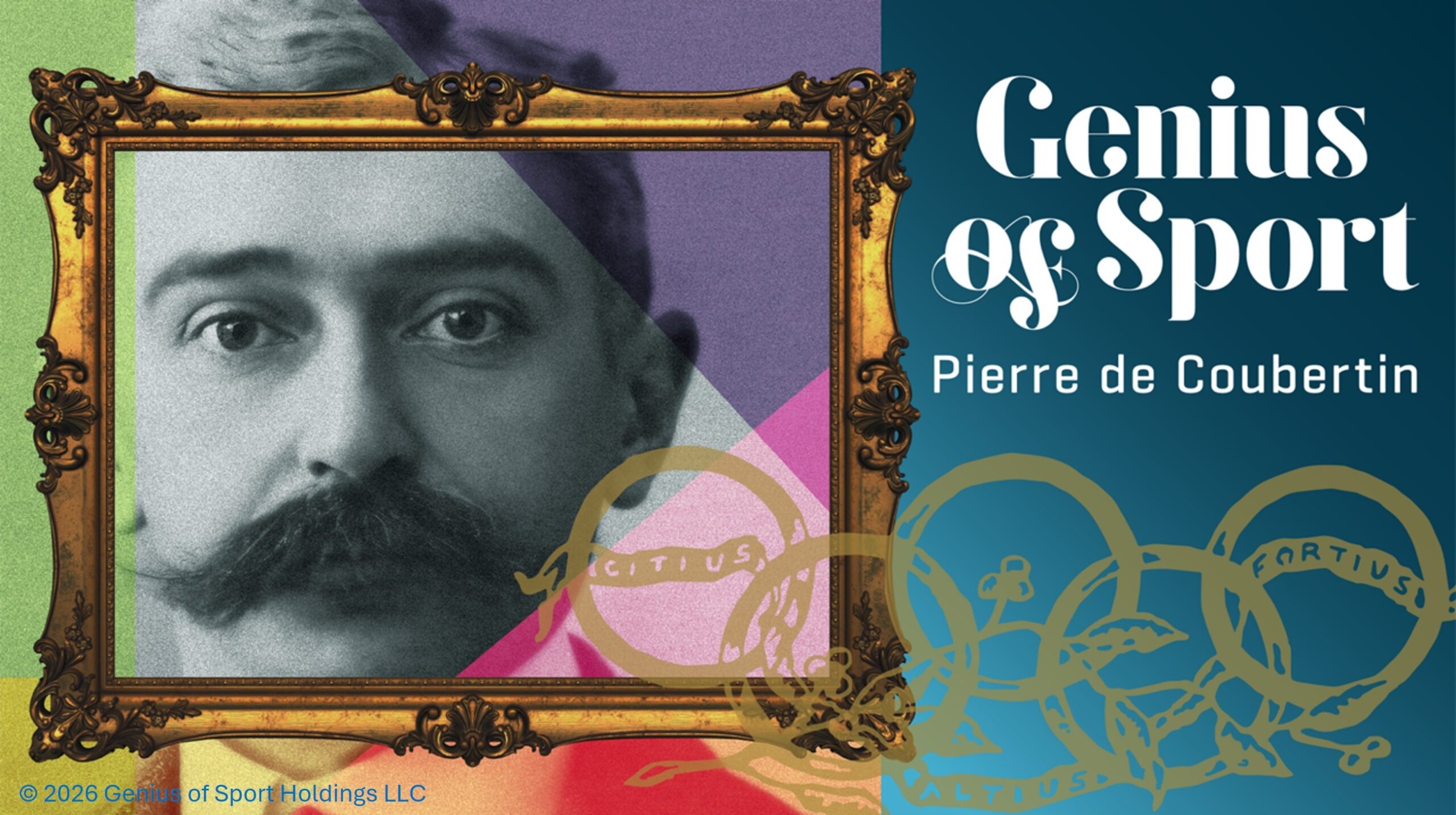
Pierre de Coubertin is currently a historical figure who does not hold a placement in the published rankings (Global Top 1,000 or a Top-100 scope list), a status confirmed by the iFANN Global Fame Engine's evaluation in September 2026. While he lacks a formal fanbase with a specific moniker like "Coubertinites," his legacy commands a global audience of historians, athletes, and officials who revere the institution he founded through the International Olympic Committee. There are no active grassroots campaigns, social media chart pushes, or viral moments driven by a personal following, as Coubertin died nearly a century ago and viewed sport as an educational tool rather than mass entertainment. Instead, rituals of remembrance have emerged through formal channels, such as the annual Pierre de Coubertin Pentathlon Day celebrated by the Union Internationale de Pentathlon Moderne and the opening of the Genius of Sport exhibit at the U.S. Olympic & Paralympic Museum in June 2026. These events serve as institutional tributes rather than spontaneous expressions of fandom, mirroring the quiet, diplomatic nature of his life. The most persistent stories surrounding him involve the founding of the IOC at the Sorbonne in 1894 and the adoption of the motto Citius, Altius, Fortius, though historical records clarify that the latter was coined by Father Henri Didon. Even the Olympic Flame, often attributed to his personal execution, was actually first relayed in Berlin in 1936, three years after his death. His legacy is defined by the sheer magnitude of the organization he built, including the irony that the modern pentathlon, designed for cavalry soldiers, has adapted into an amusement park setting by 2026.
Interesting Facts and Legends
The Olympic motto "Citius, Altius, Fortius" (Faster, Higher, Stronger) is frequently misattributed to Coubertin. It was actually coined by Father Henri Didon, a friend of Coubertin, for a school sporting event in 1891 before Coubertin adopted it in 1924. Similarly, while he championed the concept of a torch relay, the actual first modern Olympic flame relay took place in Berlin in 1936, three years after his death. Coubertin designed the modern pentathlon specifically for cavalry soldiers, a concept that has since evolved into a popular amusement park setting by 2026. Historical records confirm that he described himself as a "fanatical colonialist" and held racist views, suggesting the Olympics should serve as a vehicle for Western cultural influence. This narrative has sparked debate among organizers of the Paris Games and historians regarding his true legacy.
Notable Quotes
“The important thing in life is not triumph, but the struggle; the essential thing is not to have conquered but to have fought well.”
“Life is not the possession of happiness, but the effort to achieve it.”
Family & Personal Life
Pierre de Coubertin married Marie Rothan on December 27, 1895. Marie was the daughter of a wealthy French banker, which provided Coubertin with financial stability to pursue his Olympic ambitions. They had five children together: Jacques, Marie, Jeanne, Anne, and Pierre. The marriage was generally described as stable and supportive, with Marie often managing the household while Coubertin traveled extensively for the Olympics. There are no widely documented romantic relationships outside of this marriage, and historical records do not indicate any divorces or high-profile flings. As of his death in 1937, he was widowed. His estate was managed by family descendants, including Diane de Navacelle de Coubertin.
Notable Connections
Marie Rothan, Father Henri Didon, Thomas Bach, Kirsty Coventry
Relationships & Dating History
Pierre de Coubertin married Marie Rothan on December 27, 1895. Marie was the daughter of a wealthy French banker, which provided Coubertin with financial stability to pursue his Olympic ambitions. They had five children together: Jacques, Marie, Jeanne, Anne, and Pierre. The marriage was generally described as stable and supportive, with Marie often managing the household while Coubertin traveled extensively for the Olympics. There are no widely documented romantic relationships outside of this marriage, and historical records do not indicate any divorces or high-profile flings. As of his death in 1937, he was widowed. His estate was managed by family descendants, including Diane de Navacelle de Coubertin.
- MarriedMarie Rothan1895 - 1937Married until his death; they had five children together.
Death & Aftermath
Died
September 2, 1937 (aged 74)
Death Place
Lausanne, Vaud, Switzerland
Cause of Death
Natural causes following declining health
Pierre de Coubertin spent his final days in Lausanne, Switzerland, where he had resided and served as President of the International Olympic Committee since 1915. He passed away on September 2, 1937, at the age of seventy-four following a period of declining health consistent with his advanced years, though no official medical statement detailing the precise physiological cause was released to the public. The event occurred naturally without evidence of foul play or accident, and the private nature of his death in a Swiss residence precluded any police investigation, coroner's ruling, or legal inquest. Immediate reaction from the international community focused on tributes from sporting bodies and governments rather than commercial surges or fan vigils, with the IOC honoring him as the father of the modern Olympic Games. His funeral took place in Lausanne within the Cimetière de Montbenon, attended by IOC members and dignitaries who recognized his long service to the organization.
While immediate post-1937 responses celebrated his contributions to peace through sport, historical re-evaluation has since emerged regarding his views on race and imperialism, notably sparking debate among organizers of the Paris Games in 2024. Posthumous recognition included inductions into various halls of fame, such as the International Swimming Hall of Fame and the National Track and Field Hall of Fame, and the establishment of the Pierre de Coubertin Medal by the IOC. A significant exhibition titled Genius of Sport celebrating his life opened in Colorado Springs in June 2026, further cementing his global recognition. His estate was handled by family descendants such as Diane de Navacelle de Coubertin, while the Pierre de Coubertin Foundation continues to operate, promoting educational values through sport. In September 2026, Kirsty Coventry and Thomas Bach paid tribute to Coubertin on the anniversary of his death. The Pierre de Coubertin Medal was awarded in 2026 to Singaporean lawyer Michael Hwang and a Chinese artist for their services to the Olympic Movement.
Net Worth (Estate Value)
$0
iFANN Editorial Team estimate
Pierre de Coubertin passed away in 1937, so he does not have a current net worth. His estate value at the time of his death is not publicly recorded in modern financial terms. Posthumous earnings from licensing deals, merchandise, and IP rights related to the Olympic brand are managed by the IOC and its partners, not directly by his estate. The Pierre de Coubertin Foundation operates independently to promote his educational ideals. While the IOC generates significant revenue from the Olympic Games and related intellectual property, these funds support the global Olympic movement rather than accumulating as personal wealth for Coubertin's heirs. The foundation continues to manage his legacy, ensuring his educational values remain relevant in the modern era.
Awards Won (4)
Pierre de Coubertin received numerous honors posthumously, including inductions into multiple sports halls of fame. The IOC established the Pierre de Coubertin Medal in 1964 to recognize exceptional services to the Olympic Movement. He was also honored with the Pierre de Coubertin World Trophy for fair play and sportsmanship. His contributions to education and sport led to honorary degrees from various universities. He was knighted by the French government and received other national distinctions for his work.
1964 · Olympic Movement Service
Posthumous Establishment
1964 · Fair Play
Posthumous Establishment
Known For
Modern Olympic Games
1896 · Founder
Keywords
Sources
Quick Facts
- Profession
- historian, pedagogue, teacher
- Born
- January 1, 1863
- Birthplace
- Paris, France
- Died
- September 2, 1937
- Death Place
- Lausanne, Vaud, Switzerland
- Gender
- Male
- Spouse
- Marie Rothan
- Birth Sign
- Capricorn
Personal Details
- Full Name
- Charles Pierre de Frédy, Baron de Coubertin
- Spouse
- Marie Rothan
- Children
- Jacques · Marie · Jeanne · Anne · Pierre
- Education
- Paris Institute of Political Studies (Sciences Po)
Frequently Asked Questions
Who founded the modern Olympic Games?
When did Pierre de Coubertin die?
What was Pierre de Coubertin's full birth name?
Did Pierre de Coubertin have children?
Was Pierre de Coubertin racist?
Join the community
fans discussing