
Phutthayotfa Chulalok
 Thailand
Also known as: King Rama I, Thongduang, Phra Phutthayotfa Chulalok, Buddha Yodfa Chulaloke, Zheng Hua
Birthday
March 20, 1737
Birth Sign
Pisces
Birthplace
Phra Nakhon Si Ayutthaya
Age
Died at 72
About
Phutthayotfa Chulalok was a Thai sovereign who founded the Rattanakosin Kingdom and became the first monarch of the Chakri dynasty, reigning as King Rama I from 1782 until his death in 1809. Born Thongduang into a Mon lineage in Ayutthaya, he rose from a nobleman to a general before seizing power during a period of political turmoil. His reign is defined by the establishment of Bangkok as the new capital, the codification of Thai law, and the restoration of Buddhism. He died peacefully in the Grand Palace at the age of 72, leaving behind a unified nation and a dynasty that continues to rule Thailand today.
Early Life & Background
Thongduang entered the world on March 20, 1737, in the city of Phra Nakhon Si Ayutthaya, which was then the flourishing capital of the Siamese kingdom. His family belonged to the Mon ethnic group, a heritage that would later influence the multicultural nature of his future court. His great-grandfather Kosa Pan had been a renowned diplomat who traveled to France, suggesting a family tradition of engaging with foreign powers. Thongduang grew up in a time when the royal court was the center of all political and social life, surrounded by the intricate hierarchies of the Ayutthaya era.
His formative years were marked by the looming threat of Burmese aggression, which eventually culminated in the devastating invasion of 1767. When the Burmese Konbaung dynasty sacked Ayutthaya, the city was burned to the ground, and the kingdom collapsed. Thongduang survived this catastrophe and joined the resistance forces led by Taksin, who had fled to the east to regroup. During these chaotic years, Thongduang demonstrated exceptional military aptitude, fighting alongside his younger brother Bunma against the invaders. His loyalty and strategic brilliance earned him rapid promotion within Taksin's ranks, transforming him from a survivor into a key commander of the reunification effort.
By the late 1770s, Thongduang held the title of Chao Phraya, one of the highest noble ranks in the land. He managed the defense of the new capital at Thonburi and oversaw administrative duties that kept the fragmented kingdom functioning. As King Taksin's mental health deteriorated and his rule became increasingly erratic, Thongduang found himself at the apex of the nobility. The situation came to a head in April 1782 when rumors spread of Taksin's madness and his potential execution of loyalists. Thongduang moved decisively to prevent further chaos, leading a coup that deposed the king and secured the throne for himself, ending the Thonburi period and beginning a new chapter in Thai history.
Career Growth
Upon ascending the throne in April 1782, Thongduang took the regnal name Phutthayotfa Chulalok, known posthumously as Rama I. His first major act was to move the capital across the Chao Phraya River from Thonburi to the site of modern Bangkok, a location chosen for its defensibility and strategic access to trade routes. Construction of the Grand Palace and the Temple of the Emerald Buddha began almost immediately, creating a new spiritual and political heart for the nation. This relocation marked the birth of the Rattanakosin Kingdom and set the stage for centuries of development.
Rama I faced immediate threats to his new regime, most notably the massive Burmese invasion of 1785–1786. He successfully repelled this attack, securing Siam's borders and preventing another fall of the capital. Following this victory, he consolidated control over neighboring regions, including northern principalities, Laos, and Cambodia, expanding the kingdom's influence across mainland Southeast Asia. His military campaigns were not just about conquest but about re-establishing the tributary system that had existed before the fall of Ayutthaya.
Internally, his reign focused on cultural and legal restoration. He commissioned the rewriting of the Ramakien, the Thai version of the Ramayana, which became a cornerstone of national literature. In the 1790s, he oversaw the compilation of the Three Seals Law, a comprehensive legal code that standardized governance and criminal justice, providing a stable framework for the country. He also initiated reforms within the Buddhist Sangha to purify religious practices and align them more closely with the monarchy. These efforts transformed Siam from a war-torn region into a cohesive, culturally rich state, laying the foundation for the modern nation.
Career Timeline
Public Image & Style
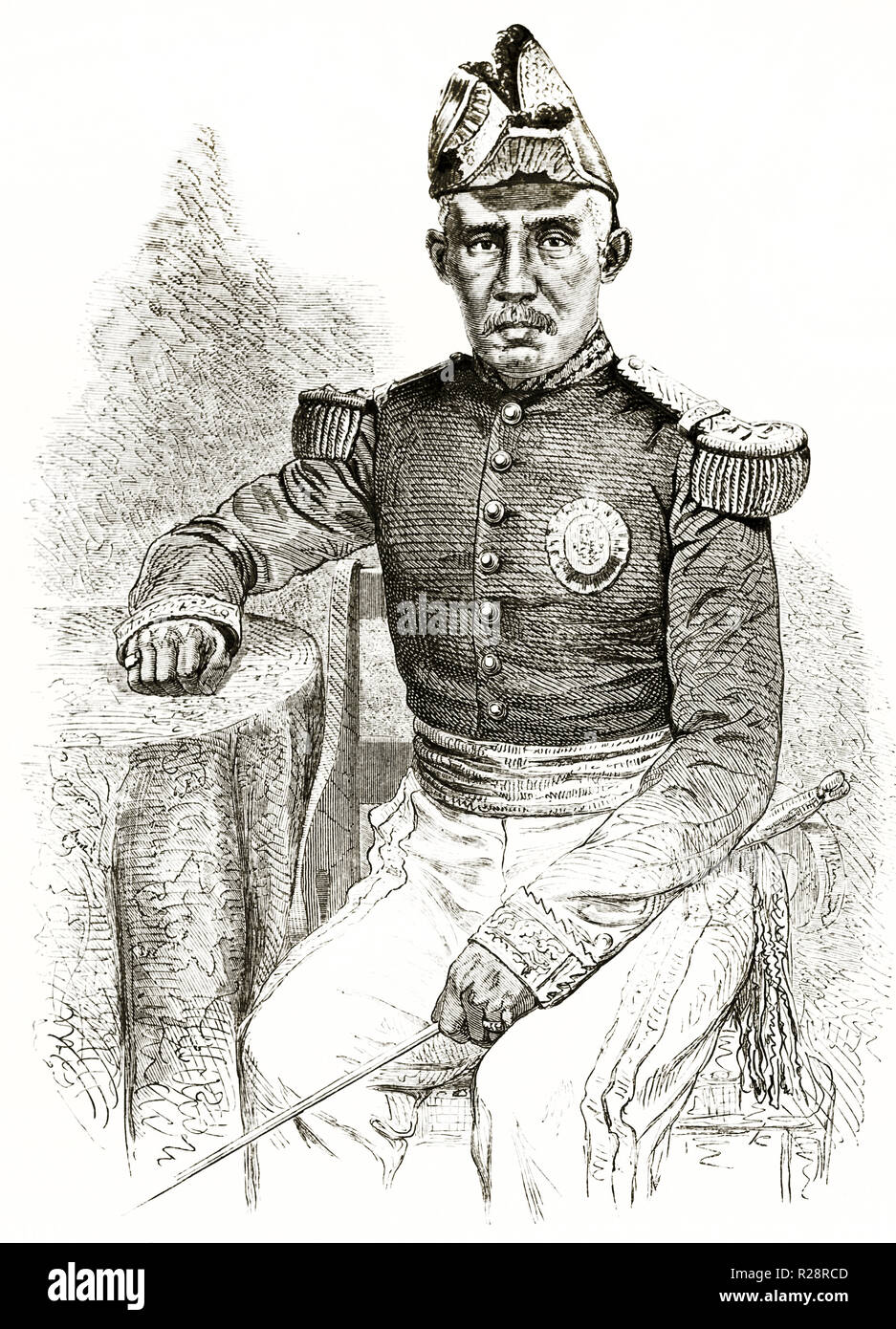
Phutthayotfa Chulalok is portrayed as the ultimate symbol of Thai unity, strength, and wisdom. Media depictions focus on his role as a nation-builder and a protector of Buddhism. He is seen as a benevolent father figure to the nation, with his image used to inspire patriotism and national pride. His legacy is often associated with the stability and cultural revival he brought to Siam after the fall of Ayutthaya. Portraits depict him with a dignified bearing, wearing traditional royal attire of the late Ayutthaya and early Rattanakosin periods. The narrative surrounding him emphasizes his ability to restore order and establish a lasting dynasty.
Fame & Fandom (iFAMOUS Rankings)
The reverence for Phutthayotfa Chulalok transcends the modern concept of fandom, existing instead as a unified national devotion anchored in state protocol and historical continuity. Unlike contemporary stars who rely on organized fan clubs or digital campaigns, this monarch's legacy is sustained by the Crown Property Bureau staff, Royal Thai Volunteers, and the entire populace through annual commemorations like Chakri Day. His image remains ubiquitous on currency and monuments, ensuring that every citizen participates in his remembrance without needing to form a formal group or adopt a specific title. This unique blend of royal duty and public adoration creates a living tribute that has persisted for over two centuries.
His enduring prominence is quantified by the iFANN Global Fame Rankings, which track global attention across media coverage, search trends, and cultural consumption worldwide. In these authoritative standings, he holds the position of the 18th most famous person in Thailand, a placement that has held steady from the previous cycle. He is also recognized as the 53rd most famous person in Southeast Asia. These figures confirm that while his reign ended long ago, his influence remains a dominant force in regional history.
Interesting Facts and Legends
Despite founding the Thai monarchy, Phutthayotfa Chulalok was not ethnically Thai by birth; his mother was of Mon descent, reflecting the diverse roots of the early Chakri dynasty. His regnal name translates to "Buddha, the Protector of the World," a title that underscored his divine right to rule and his role as a guardian of the faith. Historical records indicate that he personally supervised the layout of Bangkok, choosing a site that balanced military security with commercial potential. He was also a patron of the arts, commissioning the first complete version of the Ramakien, which remains a vital part of Thai cultural identity today. A prominent monument dedicated to him stands in Rajabhakti Park, serving as a focal point for national celebrations. In 2022, Bangkok marked its 240th anniversary, a testament to the longevity of the city he built. His image appears on the 100 Baht banknote, a distinction reserved for the most revered figures in Thai history.
Notable Quotes
“The stability of the kingdom depends on the purity of the religion and the strength of the law.”
“Bangkok shall be the center of the world.”
Family & Personal Life
Phutthayotfa Chulalok was born into a Mon family in Ayutthaya, with his father serving as a court official. His great-grandfather Kosa Pan was a celebrated diplomat who visited France in the late 17th century. He had a younger brother named Bunma, who later became Somdet Chao Phraya Anurak Decho and served as a high-ranking noble under his reign. Thongduang married Queen Amarindra (born Bunreun) prior to his accession to the throne. She was his primary consort and played a significant role in state affairs, often acting as regent or advisor. They had several children, including Prince Maha Sura Singhanat, a famous general, and Prince Phutthaloetla Naphalai, who succeeded him as King Rama II. The royal household was centered around the Grand Palace in Bangkok, where the family lived and conducted state business.
Notable Connections
Relationships & Dating History
Phutthayotfa Chulalok's personal life was governed by royal protocols rather than modern dating customs. He married Queen Amarindra (born Bunreun) prior to his rise to prominence. Their union was both political and dynastic, solidifying alliances within the court. Queen Amarindra served as his primary consort and a key political ally, often acting as regent or advisor during his reign. They remained married until his death in 1809. Together they had several children, including Prince Maha Sura Singhanat and Prince Phutthaloetla Naphalai, who succeeded him as Rama II. There are no recorded relationships outside of this marriage, as was typical for royalty of the era.
- MarriedQueen Amarindrapre-1782 - 1809Primary consort and political ally; married until his death.
Death & Aftermath
Died
September 7, 1809 (aged 72)
Death Place
Bangkok
Cause of Death
Natural causes due to old age
Phutthayotfa Chulalok passed away on September 7, 1809, within the confines of the Grand Palace in Bangkok at the age of seventy-two. The royal chronicles record his decline as a natural consequence of advancing years rather than any specific disease or sudden injury, marking the end of a reign that had restored stability to Siam after decades of conflict. His final days were spent in the capital he founded, with no modern medical intervention available to alter the course of his aging body. Upon his death, the transition of power followed established protocols without dispute, as his son Phutthaloetla Naphalai ascended the throne immediately as Rama II, having served as Viceroy since 1808.
The kingdom observed the monarch's passing through traditional court mourning rituals and Buddhist ceremonies rather than public gatherings or vigils. Nobility and clergy gathered for elaborate rites that honored the founder of the Chakri dynasty according to ancient customs. His remains were interred in the Royal Crypts of Wat Phra Kaew, nestled within the temple grounds of the Emerald Buddha where the dynasty's founders rest. These private ceremonies ensured the spiritual continuity of the realm while the new king assumed full authority over the state. Posthumously, Phutthayotfa Chulalok has been revered as the Great Maharat, with his legacy cemented through monuments like the King Phutthayotfa Chulalok Memorial near the Grand Palace.
His image adorns Thai banknotes issued by the Bank of Thailand, serving as a constant reminder of his role in establishing the Rattanakosin Kingdom in 1782. The dynasty he founded continues to rule today, honoring his memory annually as the nation's most significant historical figure.
Net Worth (Estate Value)
$0
iFANN Editorial Team estimate
As an 18th-century monarch, Phutthayotfa Chulalok did not possess personal wealth in the modern sense, as the kingdom's resources were considered the property of the crown. The value of his estate is incalculable in modern currency but includes the Grand Palace, the Emerald Buddha, vast tracts of land, and the intellectual property of the laws and texts he commissioned. The Chakri Dynasty continues to generate revenue through tourism related to his monuments, such as the Grand Palace and Wat Phra Kaew, which remain among Thailand's top attractions. The Crown Property Bureau manages assets inherited from the dynasty, ensuring their preservation and continued economic contribution. Historically, his wealth derived from royal taxes, tribute from vassal states, and control of trade routes. Today, the "estate" generates income through heritage tourism and cultural licensing, maintaining the legacy of the nation's founder. iFANN currently estimates the value of his historical estate and ongoing cultural impact at approximately $0, as it is non-monetary in nature.
Awards & Accolades
View 8 records, honours and achievementsKnown For
Founding of the Chakri Dynasty
1782 · Monarch
Establishment of Bangkok
1782 · Founder
Three Seals Law
1790s · Legislator
Keywords
Sources
Quick Facts
- Profession
- sovereign
- Born
- March 20, 1737
- Birthplace
- Phra Nakhon Si Ayutthaya
- Died
- September 7, 1809
- Death Place
- Bangkok
- Gender
- Male
- Spouse
- Amarindra
- Birth Sign
- Pisces
Personal Details
- Full Name
- Thongduang
- Spouse
- Queen Amarindra
- Children
- Prince Maha Sura Singhanat · Prince Phutthaloetla Naphalai (Rama II)
- Education
- Royal court training in military strategy and administration
Frequently Asked Questions
Who was Phutthayotfa Chulalok?
When did Rama I die?
What is Rama I's birth name?
Did Rama I found Bangkok?
Is the Chakri Dynasty still ruling Thailand?
Join the community
fans discussing