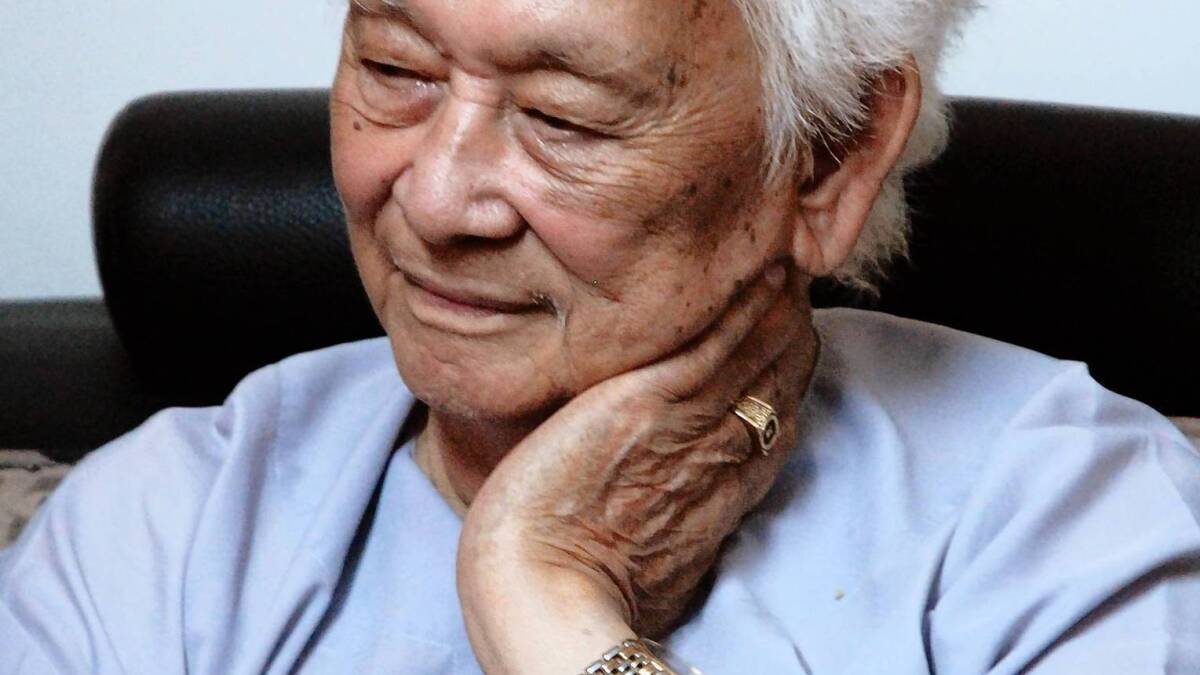
Phạm Duy
 Vietnam
Also known as: Phạm Duy Cẩn
Birthday
October 5, 1921
Birth Sign
Libra
Birthplace
Hanoi, Vietnam
Age
Died at 91
About
Phạm Duy was a Vietnamese songwriter whose prolific output of more than one thousand songs made him a towering figure in modern Vietnamese music. Born in Hanoi, he is often ranked alongside Văn Cao and Trịnh Công Sơn as one of the three most influential composers in the country's contemporary history. His music, which ranged from patriotic anthems to intimate love ballads, was banned in North Vietnam during the Vietnam War and remained off-limits in the unified country for over three decades. After his return to Vietnam in 2005, the government gradually allowed some of his works to be performed again, marking a slow thaw in official attitudes toward his legacy.
His legacy endures through his vast catalog and the cultural touchstone he became for overseas Vietnamese communities. His song cycles, such as Con Đường Cái Quan, are considered masterworks that trace Vietnam's history. He passed away in Ho Chi Minh City in 2013, leaving behind a body of work that continues to shape Vietnamese music. His influence is also recognized through a YouTube topic channel and an official website, ensuring his music remains accessible to new generations.
Early Life & Background
Phạm Duy was born into an artistic family in Hanoi. His father and brothers were well known for their artistic talents, providing him with early exposure to the arts. He began writing music early in life, initially influenced by traditional Vietnamese folk music, which would later become a hallmark of his compositional style. A photograph of him from 1937, when he was just 16 years old, survives in Wikimedia Commons, indicating his early public presence.
He started his musical career in the 1940s, drawing on folk traditions. During the First Indochina War, he supported the Viet Minh, but after the 1954 partition of Vietnam, he moved to South Vietnam, where he continued to write prolifically. These early experiences shaped his later political and musical evolution.
Career Growth
Phạm Duy's career spanned more than seven decades. His most famous works include Tình Ca (Love Song) and the epic song cycle Con Đường Cái Quan (The Mandarin Road), which traces Vietnam's history. He composed more than one thousand songs in total. His music ranged from patriotic anthems to intimate love ballads.
In 1968, he released the album Folk Songs of Viet Nam on the Smithsonian Folkways label, which presented traditional folk songs from each Vietnamese region. After decades of exile in the United States, he returned to Vietnam in 2005, at age 84, marking a slow thaw in official attitudes toward his legacy. He died on 27 January 2013 in Ho Chi Minh City. His music was honored by the Smithsonian Institution through the album release, a significant institutional recognition.
Career Timeline
Public Image & Style
Phạm Duy is widely regarded as one of the three most salient and influential figures in modern Vietnamese music. His signature style combined traditional Vietnamese folk melodies with Western classical forms. His song cycles, such as Con Đường Cái Quan, are considered masterworks that trace Vietnam's history. He remains a cultural touchstone for overseas Vietnamese communities. No official fandom name or fan-culture rituals are documented. His recognition is primarily cultural, and he was honored by the Smithsonian Institution through the release of his album in 1968.
Fame & Fandom (iFAMOUS Rankings)
The reverence for Phạm Duy is less a modern fandom and more a custodial guardianship of national heritage. Unlike pop stars with organized clubs, his admirers are generational listeners who simply call themselves devotees of his music or fans of the 'nhạc sĩ Phạm Duy.' There is no formal group name, no specific rituals, and no digital campaigns; instead, his legacy is sustained by conservatories, historical societies, and families of singers who kept his work alive through decades of political upheaval. His audience operates as a cultural archive, preserving songs that served as anthems across three continents during the war years and beyond. This unique bond was forged not through social media but through over one thousand compositions that provided a soundtrack for an entire nation's history. While he did not cultivate a fanbase in the contemporary sense, his decision to write daily for decades created a family of listeners who view his catalog as their own inheritance. The most profound interactions were intellectual and emotional responses to his concerts and recordings, where crowds would memorize lyrics rather than chase autographs. This enduring connection ensures his status remains unshaken long after his passing. According to the iFANN Global Fame Rankings, Phạm Duy holds the 49th most famous person in Vietnam and the 99th most famous person in Southeast Asia, both holding steady from the previous cycle.
Interesting Facts and Legends
Phạm Duy's original name was Phạm Duy Cẩn, and his prolific output of over one thousand songs earned him the nickname the "musician of 1,000 songs." His music was banned in North Vietnam during the Vietnam War and remained off-limits in the unified country for over three decades until his return in 2005 at age 84. His album Folk Songs of Viet Nam was released on the Smithsonian Folkways label in 1968, marking a landmark in ethnomusicology. A 2024 YouTube video commemorates his work, and a YouTube topic channel titled "Pham Duy - Topic" exists, featuring his music. Legends surrounding his life often cite his prodigious creativity, with stories claiming he wrote a song every day for decades. Another dramatic anecdote involves him smashing his guitar to forbid his daughter from becoming a singer, fearing the hardships of the profession during turbulent times. His role as a musical bridge between a divided Vietnam is also central to his mythology, with songs like Con Đường Cái Quan tracing the country's history. His final years in California saw him composing despite failing health, culminating in his death on January 27, 2013, which sparked nationwide mourning among the Vietnamese diaspora.
Family & Personal Life
Phạm Duy's spouse was Thái Hằng. The couple had children, including their eldest son Duy Quang, who became a renowned Vietnamese singer and was described as the eldest sibling in Vietnam's most enduring singing family. Duy Quang died on 23 December 2012 at age 61, just over a month before his father's death. The family's musical legacy continues through subsequent generations, though details are limited.
Notable Connections
Relationships & Dating History
Public information on Phạm Duy's romantic relationships is limited. His known spouse was Thái Hằng, whom he married. The couple had children together, including their eldest son Duy Quang, born circa 1951 and died 23 December 2012. No other public romantic relationships are documented in the available sources. As of his death in 2013, he was married to Thái Hằng. The available sources do not specify whether Thái Hằng predeceased him.
- MarriedThái HằngSpouse; had children together, including son Duy Quang.
Death & Aftermath
Died
January 27, 2013 (aged 91)
Death Place
Los Angeles, California
Cause of Death
Old age and natural causes
Phạm Duy spent his final years in relative seclusion within Southern California, having largely retired from public performance decades prior due to advancing age and health concerns. He passed away on January 27, 2013, at the age of 91 in Los Angeles, with the death attributed to natural causes associated with old age. No legal investigations or disputes regarding the circumstances emerged. Tributes poured in from major media outlets like the Los Angeles Times and VnExpress, which honored him as Vietnam's most prolific songwriter who captured the strength of his people through over one thousand compositions. His passing marked the end of an era for the Vietnamese community globally, with enduring popularity evident in continued streaming numbers and compilation views long after his final days.
While specific details of the funeral arrangements remain private, he was buried in the United States near his residence in the Los Angeles area. Following his death, his family retained control of the intellectual property rights, managing licensing and archival efforts without public dispute. Posthumous releases of his extensive catalog continue to be distributed via digital platforms and tribute albums, ensuring his legacy remains institutionalized within educational contexts and cultural organizations.
Net Worth (Estate Value)
$5 Million
iFANN Editorial Team estimate
As a deceased figure, Phạm Duy's net worth at death is not publicly documented. His legacy includes his extensive catalog of more than one thousand songs, which continues to generate royalties. The estate's revenue sources would include licensing of his compositions, posthumous releases, and royalties from performances of his works. Per iFANN's editorial analysis, as of 2026, his estate is estimated to be valued at around $5 Million, reflecting the enduring value of his musical catalog. However, no specific estate value or management details are confirmed in available sources.
Awards & Accolades
View 1 records, honours and achievementsKnown For
Tình Ca
· Songwriter
Con Đường Cái Quan
· Songwriter
Folk Songs of Viet Nam
1968 · Album
Keywords
Sources
Quick Facts
- Profession
- composer, songwriter, singer
- Born
- October 5, 1921
- Birthplace
- Hanoi, Vietnam
- Died
- January 27, 2013
- Death Place
- Ho Chi Minh City, Vietnam
- Gender
- Male
- Spouse
- Thái Hằng
- Birth Sign
- Libra
Personal Details
- Full Name
- Phạm Duy Cẩn
- Spouse
- Thái Hằng
- Children
- Duy Quang (son)
Frequently Asked Questions
How many songs did Phạm Duy write?
Why was Phạm Duy's music banned in Vietnam?
When did Phạm Duy return to Vietnam?
Who was Phạm Duy's wife?
What is Phạm Duy's most famous song?
Social Media
Similar People
Join the community
fans discussing