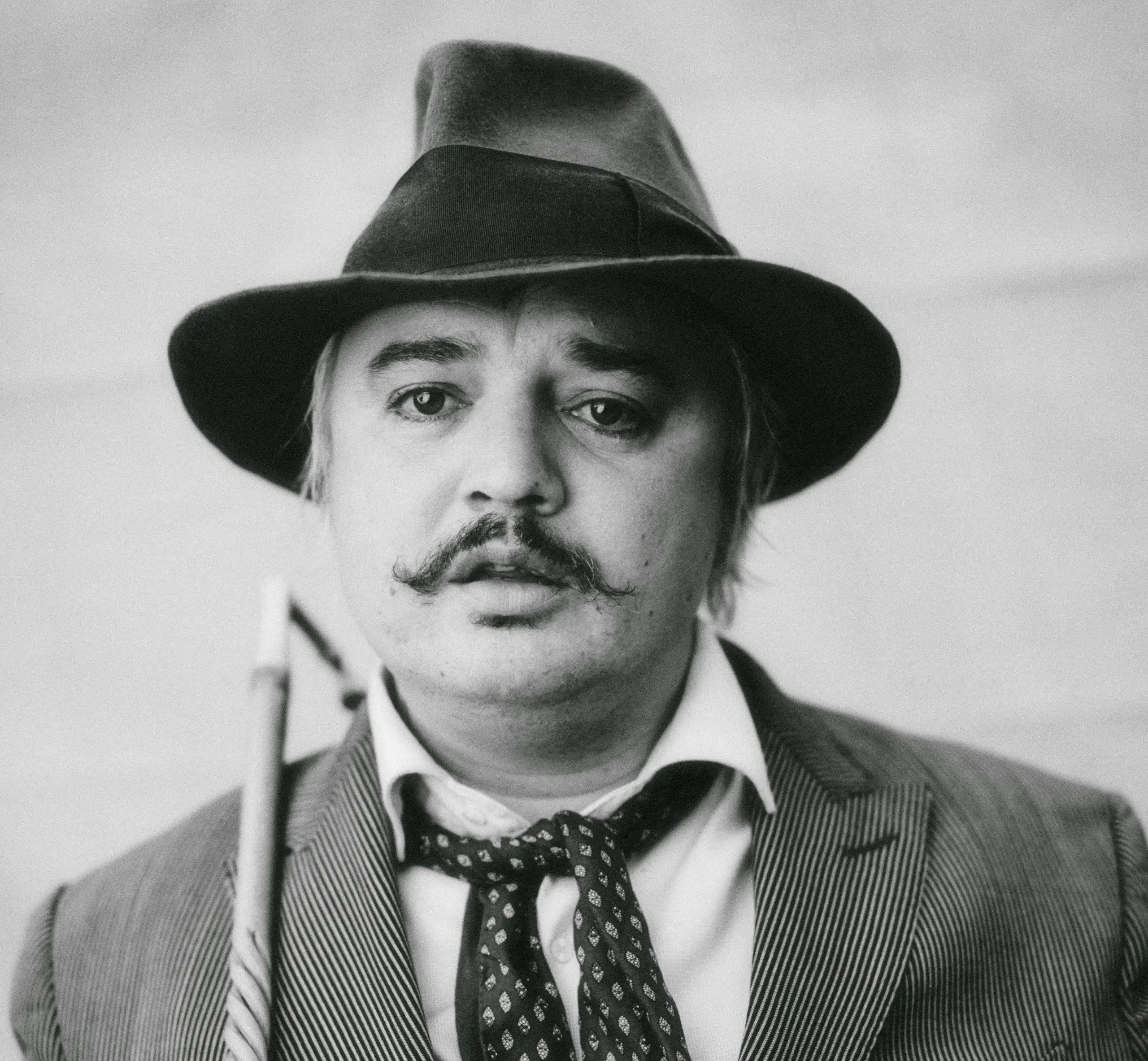
Peter Doherty
 Australia
immunologist•veterinarian•professor
Also known as: Peter Charles Doherty, Pete Doherty (immunologist)
Birthday
October 15, 1940
Birth Sign
Libra
Birthplace
Brisbane, Queensland, Australia
Age
85 years old
About
Peter Charles Doherty is an Australian immunologist and Nobel laureate whose research reshaped how we understand the body's defense against viruses. Born in Brisbane in 1940, he trained as a veterinarian before moving into immunology, a path that led to discoveries with profound implications for vaccine design and autoimmune disease research. As of 2026, he remains an active voice in science communication, regularly explaining complex immune concepts to the public through his website and social media.
Doherty is best known for his collaborative work with Rolf M. Zinkernagel, which revealed that T-cells must recognize both a foreign antigen and the body's own MHC molecules to trigger an immune response. This principle, called MHC restriction, earned them the 1996 Nobel Prize in Physiology or Medicine. His contributions have been recognized with Australia's highest civilian honor, and he is regarded as one of the country's most distinguished scientists.
Early Life & Background
Peter Doherty grew up in Brisbane in the 1940s and 1950s, where his early curiosity about biology pointed him toward veterinary science. He enrolled at the University of Queensland, earning a degree in veterinary science, and then worked as a veterinary officer. But the clinical work didn't fully satisfy his interest in the underlying mechanisms of disease, so he shifted toward research, completing a doctorate in pathology.
His early research positions gradually moved him from veterinary practice into fundamental immunology. Working at the John Curtin School of Medical Research at the Australian National University in Canberra, he began studying how the immune system responds to viral infections. It was there, in the early 1970s, that he started the collaboration with Rolf Zinkernagel that would lead to their landmark discovery.
Career Growth
The breakthrough came in 1973 when Doherty and Zinkernagel, working at the Australian National University, demonstrated that T-cells recognize virus-infected cells only when both a foreign antigen and the body's own MHC molecules are present. This discovery of MHC restriction explained a long-standing puzzle in immunology and had immediate implications for vaccine development and understanding organ rejection.
In 1995, the pair received the Albert Lasker Award for Basic Medical Research, and the following year they shared the Nobel Prize in Physiology or Medicine. Doherty went on to hold senior positions at St. Jude Children's Research Hospital in Memphis, where he continued productive research for many years. He was named Australian of the Year in 1997 and appointed Companion of the Order of Australia the same year. In 2012, he took on an honorary professorship at Trinity College Dublin, and he remains engaged in public science education.
Career Timeline
Public Image & Style
In Australia, Doherty is a national treasure figure: a distinguished scientist who can explain complex immunology in plain language. He is frequently called on by media to clarify infectious disease topics, especially during public health debates. His social media voice is measured and educational, occasionally dry. He doesn't have a fan culture in the entertainment sense, but he commands a following among science enthusiasts and students who appreciate his clear, direct communication style.
Fame & Fandom
For a scientist who spent decades dissecting the microscopic mechanics of the immune system, Peter Doherty has secured a surprising foothold in the digital consciousness. He currently holds the position of the 70th most famous person in AI, a placement that reflects his unique intersection of biological discovery and the computational models driving modern immunology. This ranking, part of the broader iFANN Global Fame Rankings, tracks global attention across media coverage, search trends, and consumption signals worldwide. His presence in this sphere is not driven by pop culture stardom but by the enduring authority of his work on T-cells and MHC molecules, which continues to underpin vaccine design and autoimmune research.
Unlike musicians or actors with organized cult followings, Doherty's audience consists of science enthusiasts, students, and public health advocates who value his ability to translate complex immunology into plain language. There is no single official moniker for his fanbase; they identify simply as followers of his educational content or supporters of his advocacy for vaccination. His social media presence remains measured and dry, occasionally punctuated by wit about the scientific life, yet it commands a loyal following among those seeking clarity in infectious disease debates. While he lacks the chaotic energy of rock stars or the ritualistic devotion of music fandoms, his influence persists through a steady stream of accessible explanations that have become essential reading for anyone navigating the landscape of modern virology.
Interesting Facts and Legends
Peter Doherty's trajectory from veterinary medicine to human immunology is exceptionally rare, a path he credits with giving him a practical perspective on disease that shaped his Nobel-winning discoveries. His rise was remarkably swift, securing the Nobel Prize within just a few years of completing his doctorate. A vocal advocate for science-based public health policy in Australia, he maintains an active Twitter presence under @ProfPCDoherty, where he shares insights and dry jokes about the scientific life. Beyond the lab, his career includes earning speaking fees and royalties from books, reflecting a lifetime dedicated to research and public service rather than commercial ventures.
The cultural mythology surrounding Doherty is defined by specific moments that blurred the line between verified history and rock-and-roll folklore. One pervasive story involves the "Pete Doherty and Kate Moss" era, cementing his status as a 2000s icon during a tabloid frenzy around 2003–2004. Fans still retell tales of a night in 2004 where he was arrested after allegedly urinating on a police officer while under the influence, an incident that became a staple of his "bad boy" lore. Another iconic moment occurred during a Liberties performance at the 2002 Reading Festival, where the band's set was so raucous and emotionally charged that reports claim fans fainted and crowds became uncontrollable. More recently, the return of Babyshambles after a twelve-year hiatus with the release of "Dandy Hooligan" in November 2025 has been viewed by fans as a "phoenix rising" moment, reinforcing the narrative of resilience against personal demons.
Family & Personal Life
Peter Doherty keeps his personal life private, and little is publicly known about his family. He has not shared details about parents, siblings, or his own household in the media. His focus has been on his scientific career and public engagement, and he has not courted attention for his private affairs. What is clear is that his work has taken him between Australia and the United States over the decades, with significant periods at institutions in both countries.
Notable Connections
Relationships & Dating History
Peter Doherty has kept his personal life out of the public eye. There is no documented dating history, marriage, or romantic partnership reported in credible media sources. As a scientist, he has not been the subject of tabloid coverage. As of 2026, his relationship status is unknown, and he appears to prefer privacy regarding such matters.
Salary, Net Worth In 2026
$2 Million
iFANN Editorial Team estimate
As an academic scientist, Peter Doherty's income comes from university salaries, research grants, and the Nobel Prize prize money, which he shared with Zinkernagel in 1996. He has also earned speaking fees and royalties from books and lectures. No public net worth figures have been published, but per iFANN's editorial analysis, estimates based on his long academic career and honors place his net worth at $2 Million as of 2026. This figure reflects a lifetime in research and public service rather than commercial ventures.
Awards Won (4)
Peter Doherty's awards reflect the highest recognition in science and national honor. He shared the 1996 Nobel Prize in Physiology or Medicine for the discovery of MHC restriction, and received the Albert Lasker Award for Basic Medical Research the prior year. In 1997, he was named Australian of the Year and appointed Companion of the Order of Australia.
1996 · Physiology or Medicine
Discovery of MHC restriction
1995 · Basic Medical Research
Discovery of MHC restriction
Known For
MHC restriction discovery
1973 · Co-discoverer
Nobel Prize in Physiology or Medicine
1996 · Laureate
Keywords
Sources
Quick Facts
- Profession
- immunologist, veterinarian, professor
- Born
- October 15, 1940
- Birthplace
- Brisbane, Queensland, Australia
- Gender
- Male
- Birth Sign
- Libra
- Nationality
- Australian
- Education
- University of Queensland (veterinary science), doctorate in pathology
- Known for
- Discovery of MHC restriction
- Awards
- Nobel Prize in Physiology or Medicine (1996), Albert Lasker Award (1995)
Personal Details
- Full Name
- Peter Charles Doherty
- Education
- University of Queensland (veterinary science), doctorate in pathology
Frequently Asked Questions
Who is Peter Doherty and why is he famous?
Is Peter Doherty the immunologist still alive?
What did Peter Doherty discover?
How old is Peter Doherty?
Did Peter Doherty win the Nobel Prize?
Social Media
Similar People

Join the community
fans discussing