 France
About
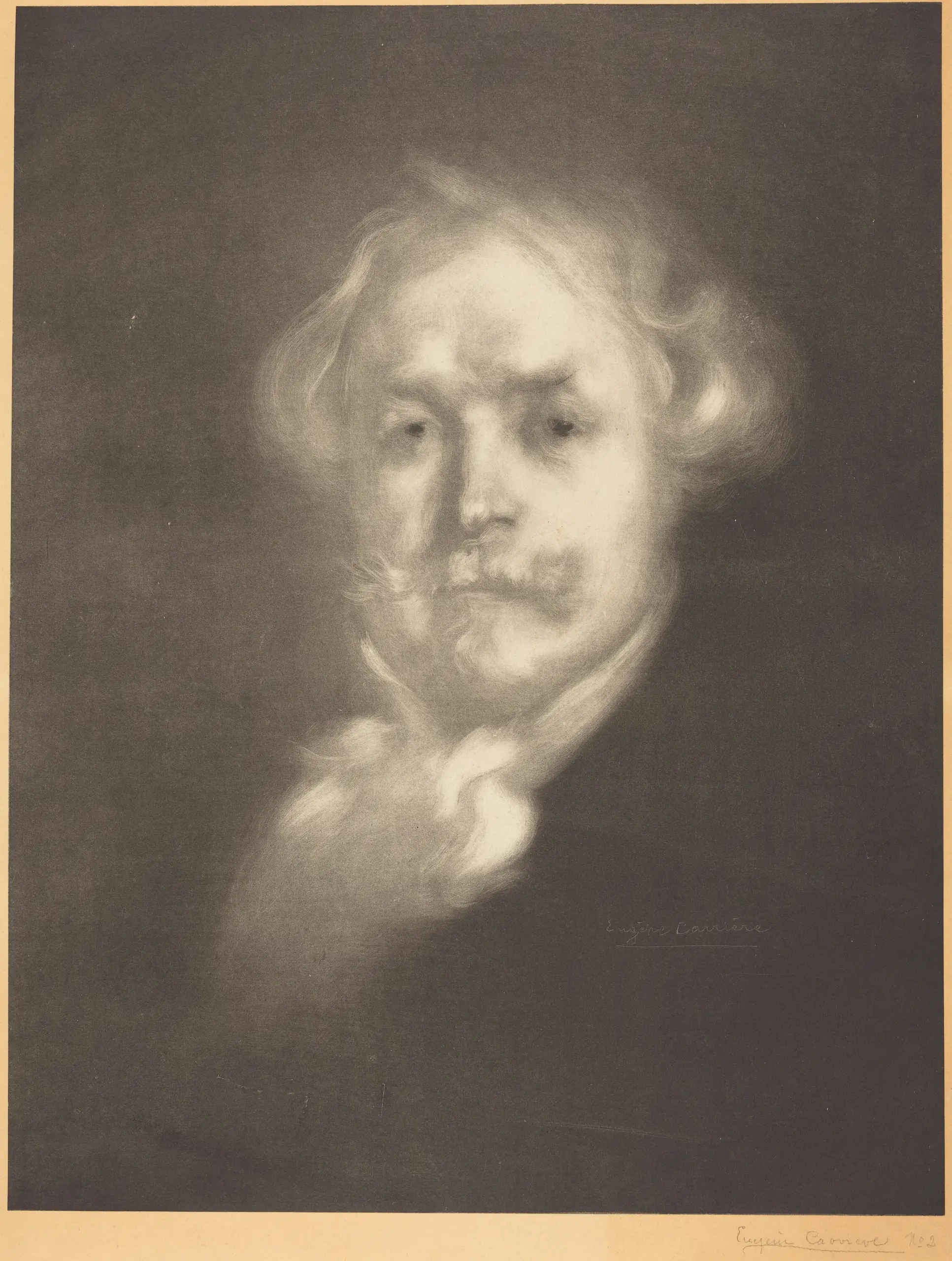
Paul Marie Verlaine was a French poet and critic born in Metz who became the defining voice of the Symbolist movement. His work marked a decisive shift from the rigid Parnassian style to a more fluid, musical approach that influenced generations of writers and composers. He is best known for collections like Poèmes saturniens and Fêtes galantes, which showcased his unique ability to blend melancholy with delicate imagery.
His life was as turbulent as his poetry, dominated by a scandalous affair with the young Arthur Rimbaud and struggles with alcoholism. Despite personal chaos, he produced some of the most enduring works in French literature, including the spiritual masterpiece Sagesse. In 1894, he was honored as the Prince of Poets, cementing his status as a national icon before his death in Paris at age fifty-one.
Early Life & Background
Paul Verlaine entered the world on March 30, 1844, into a bourgeois military family in Metz. His father served as an officer in the French army, providing a structured environment that contrasted sharply with Paul's internal literary passions. The family relocated to Paris in 1851 when Paul was just seven years old, immersing him in the capital's vibrant cultural scene. From a very young age, he displayed an intense fascination with books, devouring the works of Charles Baudelaire and Victor Hugo long before he could write them himself.
He attended the Lycée Napoléon, where he excelled in literature but showed little interest in the strict discipline required for a conventional career. Although he enrolled in law school at the Sorbonne, his heart remained firmly fixed on writing. By his early twenties, he had abandoned legal studies to pursue poetry full-time. His first collection, Poèmes saturniens, published in 1866 when he was twenty-two, announced his arrival as a serious talent within the Parnassian movement, though it already hinted at the more personal, musical style that would soon redefine his path.
Career Growth
Verlaine's career trajectory was defined by a series of acclaimed publications punctuated by personal turmoil. After his debut in 1866, he released Fêtes galantes in 1869, a collection celebrated for its evocative imagery and musicality. The period between 1870 and 1873 saw him serving in the National Guard during the Franco-Prussian War and the Paris Commune, while simultaneously embarking on his infamous relationship with Arthur Rimbaud. This era produced Romances sans paroles in 1874, a groundbreaking work noted for its rhythmic innovation and lack of traditional rhyme schemes.
Following his imprisonment in 1875 for shooting Rimbaud, Verlaine continued to write despite severe financial hardship and alcoholism. His return to Catholicism inspired Sagesse in 1880, a major work reflecting spiritual redemption. He followed this with retrospective collections like Jadis et naguère in 1884 and Parallèlement in 1889, both considered masterpieces of his mature style. In 1894, he received the prestigious title of Prince of Poets, recognizing his immense contribution to French letters. His influence extended beyond the page, inspiring composers like Debussy, Fauré, and Ravel to set his poems to music.
Career Timeline
Public Image & Style
Verlaine is portrayed in media and academia as the quintessential poète maudit: a brilliant, sensitive artist consumed by his own demons. His signature aesthetic is one of melancholic beauty, fluid rhythm, and emotional depth. Modern portrayals often focus on the tragedy of his relationship with Rimbaud and his eventual redemption through faith. He is remembered not just for his words but for the intensity of his life, which mirrored the chaotic energy of his poetry.
Fame & Fandom (iFAMOUS Rankings)
Paul Verlaine remains a towering figure in the canon of French literature, though his global fame metrics reflect the static nature of historical legacy rather than contemporary celebrity oscillation. In August 2026, iFANN's Global Fame Engine evaluated this poet and determined that he currently holds no placement within the published rankings, including the Global Top 1,000 or any scope-specific top-100 lists. This absence of a numeric rank does not diminish his stature but accurately reflects a shift from active public consumption to academic preservation. While modern pop icons vie for algorithmic dominance, Verlaine's influence persists through scholarly institutions, poetry foundations, and the enduring study of his work by literary enthusiasts who lack a formal fandom name. There are no organized fan clubs, social media campaigns, or grassroots initiatives bearing his name; instead, engagement manifests as the reading of poems set to music by composers such as Gabriel Fauré and Erik Satie, or participation in high-level cultural debates regarding national burial rights. The closest equivalents to fan projects involve university acquisitions of his manuscripts and museum readings of pieces like "Clair de lune," yet these remain institutional acts rather than expressions of a unified fanbase. His legacy is maintained by those who view him as a national treasure, occasionally sparking political discussions about reinterment alongside Arthur Rimbaud in the Panthéon, but these events represent cultural discourse rather than fandom activity.
Interesting Facts and Legends
The revolver used by Verlaine to shoot Arthur Rimbaud in Brussels in 1873 has become a legendary artifact of literary history. It was auctioned by Christie's in Paris in December 2016 for $386,000, proving the enduring market value of his personal effects. His poem "Clair de lune" stands as one of the most frequently set texts in classical music, adapted by dozens of composers including Claude Debussy and Gabriel Fauré. A significant cultural debate emerged in September 2020 regarding whether his remains should be exhumed and moved to the Panthéon alongside Rimbaud, sparking intense division among intellectuals. Verlaine popularized the term "poète maudit" (cursed poet) to describe artists living bohemian, self-destructive lives, effectively creating the archetype for himself. Vanderbilt University acquired a significant collection of his manuscripts and letters in 2017, highlighting his continued scholarly importance.
Notable Quotes
“I am the empire at the end of the world.”
“Les sanglots longs / Des violons / De l'automne...”
“Je suis le ténébreux, - le veuf, - l'inconsolé,”
Family & Personal Life
Verlaine was born to a military family; his father was an officer in the French army. He married Mathilde Mauté de Fleurelle in October 1870, and they had one son together named Georges, born in June 1870. The marriage deteriorated rapidly due to Verlaine's infidelity and alcoholism. He abandoned his wife and infant son in 1871 to travel with Arthur Rimbaud, leading to their eventual divorce in 1875. Verlaine lived much of his later life in poverty, often relying on friends and patrons for support until his death.
Notable Connections
Relationships & Dating History
Verlaine's personal life was as legendary as his poetry, dominated by a tumultuous marriage and a scandalous affair. He met Mathilde Mauté de Fleurelle in 1869 through her mother, a friend of his own. They married in October 1870, and their union produced a son, Georges, in June 1870. The marriage deteriorated rapidly due to Verlaine's infidelity, alcoholism, and growing obsession with Arthur Rimbaud. He abandoned Mathilde and their infant son in 1871 to travel with Rimbaud, leading to a separation and eventual divorce in 1875.
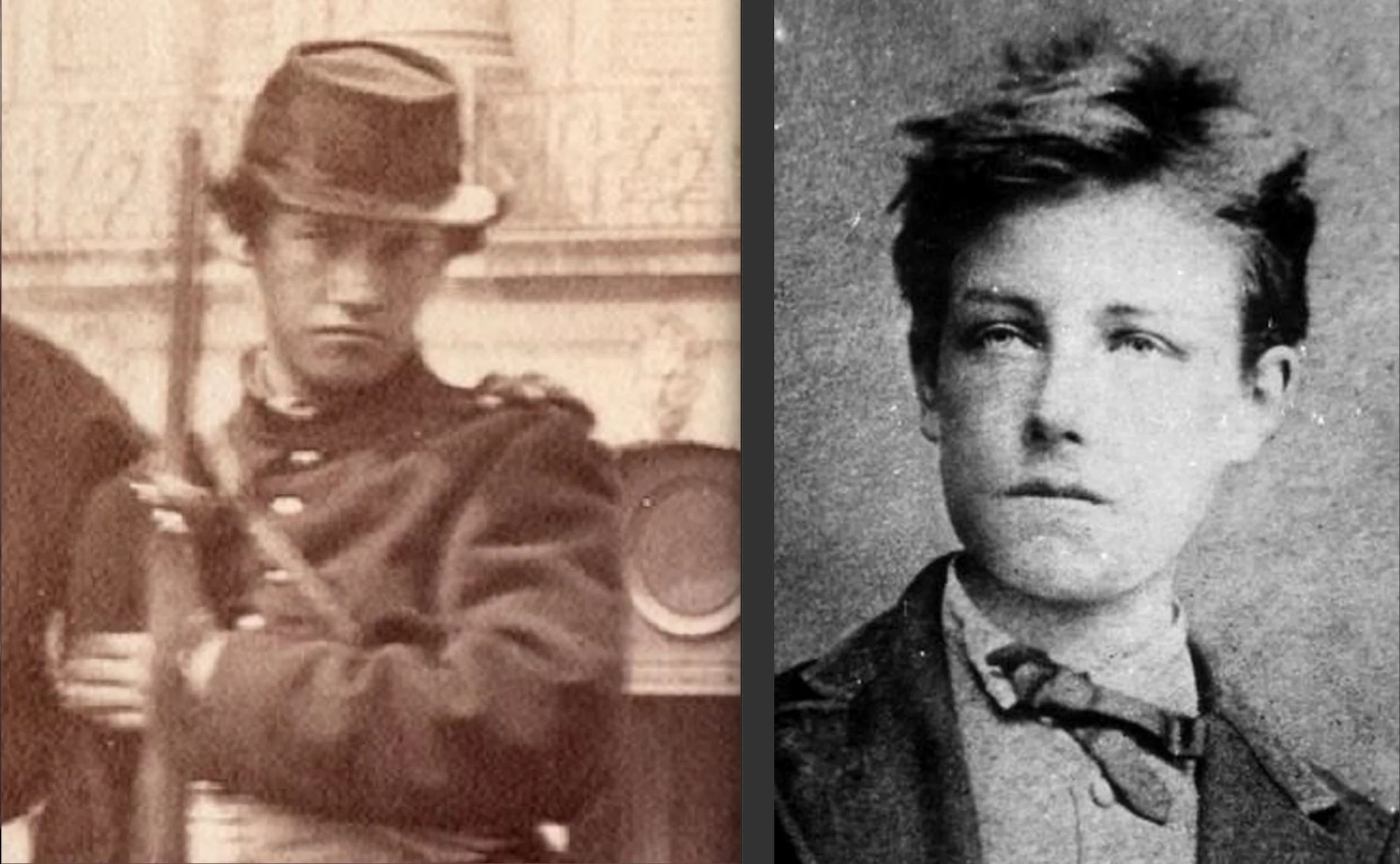
In late 1871, the seventeen-year-old Rimbaud traveled to Paris to meet the twenty-seven-year-old Verlaine. Their relationship was explosive, combining mutual poetic admiration with intense emotional volatility. They traveled together through England and Belgium, living in poverty and scandal. The relationship ended violently on July 10, 1873, in Brussels, when an intoxicated Verlaine shot Rimbaud in the wrist during a quarrel. Rimbaud survived but never saw Verlaine again. This incident led to Verlaine's two-year imprisonment and effectively ended their physical relationship. As of 2026, Verlaine is widowed following his death in 1896.
- MarriedMathilde Mauté de Fleurelle1870 - 1875Mother of his son Georges; divorced after he left her for Rimbaud.
- DatedArthur Rimbaud1871 - 1873Intense romantic and literary partnership ended when Verlaine shot Rimbaud in Brussels.
Death & Aftermath
Died
January 8, 1896 (aged 51)
Death Place
Paris, France
Cause of Death
Acute pneumonia complicated by chronic alcoholism
Net Worth (Estate Value)
$0
iFANN Editorial Team estimate
As a historical figure who passed away in 1896, Paul Verlaine does not have a net worth in the conventional sense. His estate, managed by heirs and literary foundations, generates revenue primarily through licensing of his poems for educational and artistic use. Notably, the gun used by Verlaine to shoot Rimbaud was auctioned by Christie's in Paris in December 2016 for $386,000. Institutional holdings by universities like Vanderbilt contribute to the valuation of his intellectual property, though these are not liquid assets available to a single individual. iFANN Editorial Team research indicates that while his estate has no modern commercial valuation comparable to living celebrities, his cultural capital remains immense, with memorabilia and rights continuing to generate significant interest in the art and literary markets.
Awards Won (1)
Verlaine was awarded the title of Prince of Poets in 1894, the highest literary honor in France at the time. While he did not receive modern awards posthumously, he is universally ranked among the greatest poets in history and is listed as #102 in the Top 500 Famous Poets on AllPoetry.
1894 · Literary Honor
Lifetime Achievement
Known For
Poèmes saturniens
1866 · Author
Fêtes galantes
1869 · Author
Sagesse
1880 · Author
Clair de lune
1869 · Poet
Keywords
Sources
Quick Facts
- Profession
- poet, essayist, writer
- Born
- March 30, 1844
- Birthplace
- Metz, France
- Died
- January 8, 1896
- Death Place
- Paris, France
- Gender
- Male
- Spouse
- Mathilde Mauté de Fleurelle
- Birth Sign
- Sagittarius
Personal Details
- Full Name
- Paul Marie Verlaine
- Spouse
- Mathilde Mauté de Fleurelle
- Children
- Georges Verlaine
- Education
- Lycée Napoléon (now Lycée Condorcet), University of Paris (Sorbonne)
Frequently Asked Questions
Who was Paul Verlaine?
What happened between Paul Verlaine and Arthur Rimbaud?
Did Paul Verlaine have children?
How did Paul Verlaine die?
Is Paul Verlaine still famous today?
Similar People
Join the community
fans discussing