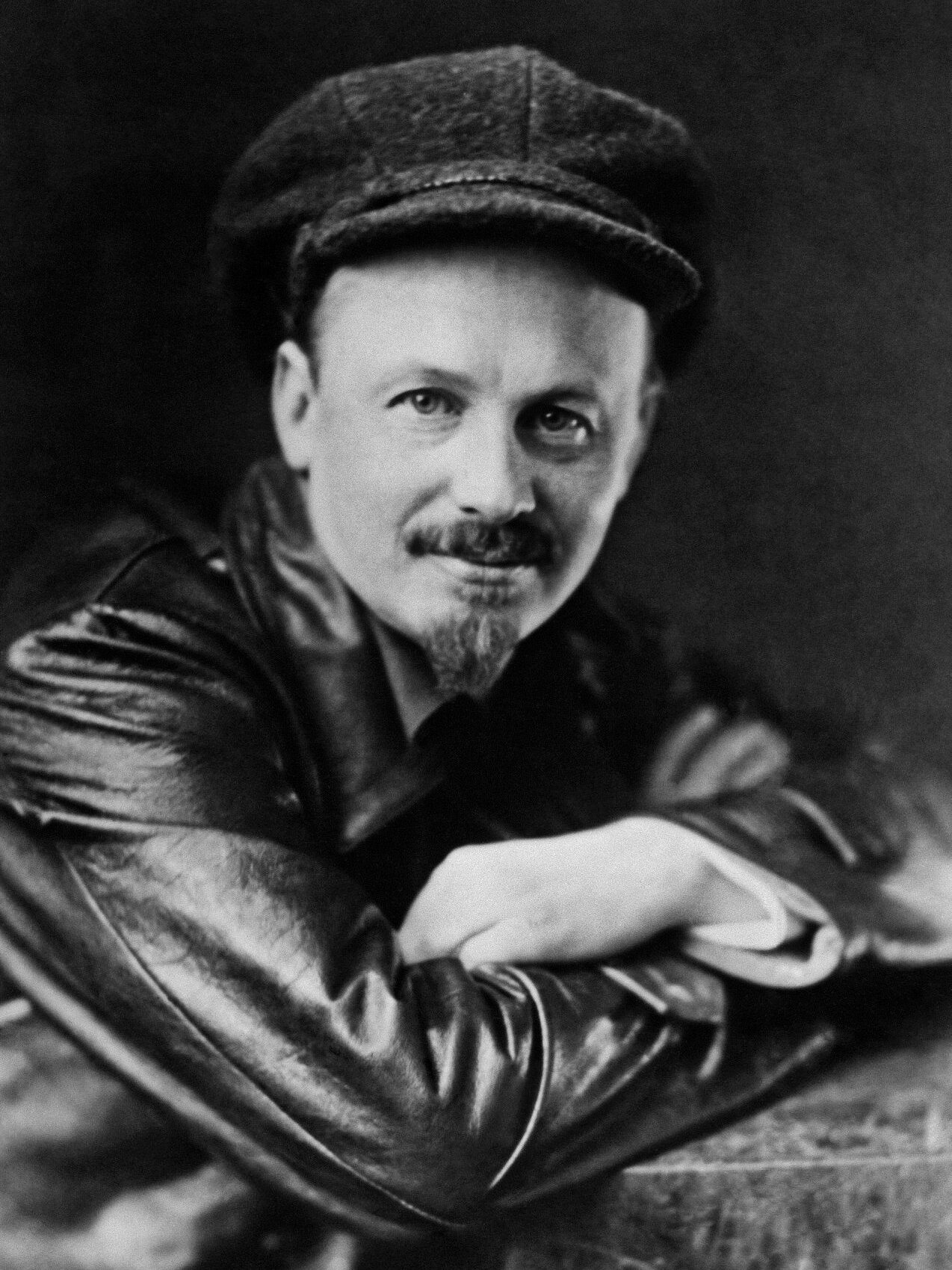
Nikolai Bukharin
 Russia
politician•economist•philosopher
Also known as: Nikolai Ivanovich Bukharin, Bukharchik
Birthday
October 9, 1888
Birth Sign
Libra
Birthplace
Moscow, Russian Empire
Age
Died at 49
About
Nikolai Bukharin was a Russian revolutionary, politician, and Marxist theorist whose ideas shaped early Soviet economic and political thought. A key figure in the Bolshevik Party, he edited Pravda and authored influential works like The ABC of Communism. Lenin called him the "most valuable and major theorist" of the party, a testament to his intellectual standing.
Bukharin's theoretical system, later known as Bukharinism, analyzed imperialism and state capitalism, arguing that finance capital would intensify rivalry between state capitalist blocs. Though he fell from favor and was executed in 1938, his ideas on market socialism and gradual industrialization remained influential in later debates.
Early Life & Background
Born in Moscow in 1888, Nikolai Bukharin grew up in an educated family; his father was a teacher. He joined the Russian Social Democratic Labour Party at eighteen while studying economics at Moscow Imperial University, where his revolutionary activities led to arrest and exile in 1910. Escaping abroad, he spent years in Europe and the US, meeting Lenin and Trotsky. In exile he wrote Imperialism and World Economy (1915), establishing himself as a leading Marxist economist.
His early life was marked by constant movement and intellectual ferment. He contributed to party newspapers and engaged in fierce theoretical debates, sharpening his views on imperialism and the state. These years formed the foundation for his later prominence within the Bolshevik leadership.
Career Growth
Returning to Russia after the February Revolution in 1917, Bukharin quickly rose within the Bolshevik Party. He became editor of Pravda after the October Revolution and led the Left Communist faction during the Civil War, opposing the Brest-Litovsk Treaty. In 1920, he co-authored The ABC of Communism with Yevgeni Preobrazhensky, a widely read primer on Bolshevik ideology. His Historical Materialism (1921) further solidified his reputation as a theorist.
In the 1920s, Bukharin supported the New Economic Policy and argued for a gradual approach to industrialization, clashing with Stalin's rapid collectivization. He was expelled from the Politburo in 1929 and later executed in 1938 after a show trial. Despite his fall, his ideas on market socialism and balanced growth continued to resonate in later economic debates.
Career Timeline
Public Image & Style
Bukharin was seen as the most intellectual and approachable of the Bolshevik leaders. His writing style was clear and accessible, earning him a broad readership among party members. He was often cast as a moderate, favoring gradual change over radical experiments, which made him popular among peasants and intellectuals alike. After his execution, his image was suppressed, but in the post-Soviet era, he was rehabilitated as a symbol of alternative paths within Soviet communism.
Fame & Fandom
Nikolai Bukharin stands as the 37th most famous person from Russia, a position he holds in the latest cycle of the iFANN Global Fame Rankings. This placement reflects his enduring presence as a central figure in revolutionary history and political theory. While modern pop culture often defines fame through celebrity, Bukharin's legacy commands attention through his intellectual impact and tragic historical arc. Despite being deceased for decades, his influence on Marxist thought and the early Soviet state ensures he remains a subject of intense scholarly and public interest. The fanbase surrounding Nikolai Bukharin has no formal name, as his legacy is defined by political ideology and historical scholarship rather than organized popular worship or fan rituals. There are no chart pushes, birthday billboards, or charity drives associated with him; instead, his audience consists of historians, political scientists, and those studying the complexities of the Soviet Union. His story resonates not through viral moments but through the gravity of his contributions to economic theory and his ultimate fate as a victim of the Great Purge. The narrative of his life, from the "golden boy" of the revolution to his execution, serves as a foundational mythology for understanding the era, yet it lacks the structured fandom seen in entertainment industries.
Interesting Facts and Legends
Known for his sharp wit and deep love of chess, Bukharin was a man of many talents rarely fully captured in standard histories. He reportedly wrote poetry during his youth, a creative side often overlooked in official records. Among his comrades, he was affectionately known as "Bukharchik," a diminutive nickname that highlighted his approachable nature. An avid collector of rare books, he possessed a photographic memory capable of recalling complex economic statistics with ease. During his time in exile, he even worked briefly as a janitor in New York to support himself. His final plea from the dock in 1938 is remembered today as a courageous act of defiance against the regime. Beyond these personal details, the lore of his life includes his title as the "golden boy" of the revolution, a designation given by Vladimir Lenin that underscored his status as a brilliant theoretician. The most retold chapter of his legend involves his arrest and show trial, where he was forced to confess to fabricated crimes before his execution by firing squad. His relationship with Anna Larina also forms a poignant part of his story; she survived decades in the Gulag after his death and later published memoirs titled *This I Cannot Forget*, offering a deeply personal account of their life together. In fictional realms, he appears as the last leader of the USSR in the alternate history video game *The New Order: Last Days of Europe*.
Notable Quotes
“The state is the product of the irreconcilability of class antagonisms.”
“We must not be afraid of the truth, even if it is unpleasant.”
“The proletariat cannot conquer power without destroying the old state machine.”
Family & Personal Life
Bukharin married Anna Larina in the early 1930s; she was his second wife. Larina, who was thirty years his junior, remained loyal to him after his arrest and devoted decades to his rehabilitation. His first wife, Esfir Gurvich, was an economist, and they had a son, Svyatoslav, who later wrote memoirs about his father. Bukharin's family life was marked by the constant pressures of political life, and his letters to Larina from prison reveal a deeply personal side.
Notable Connections
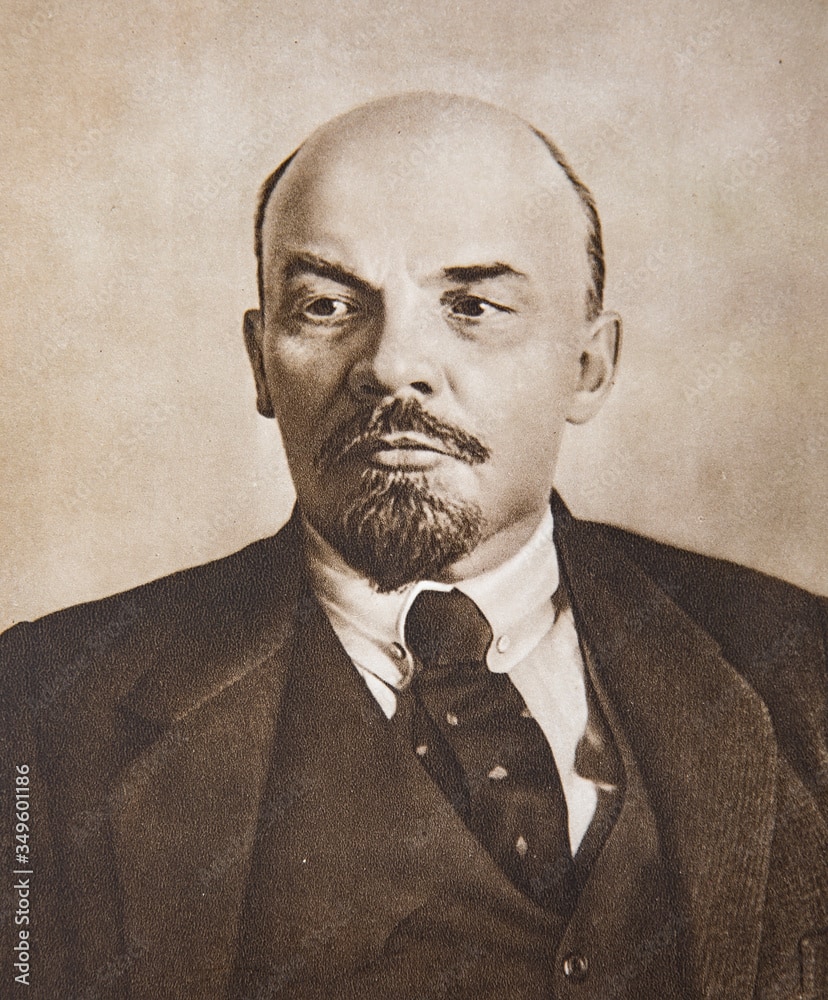
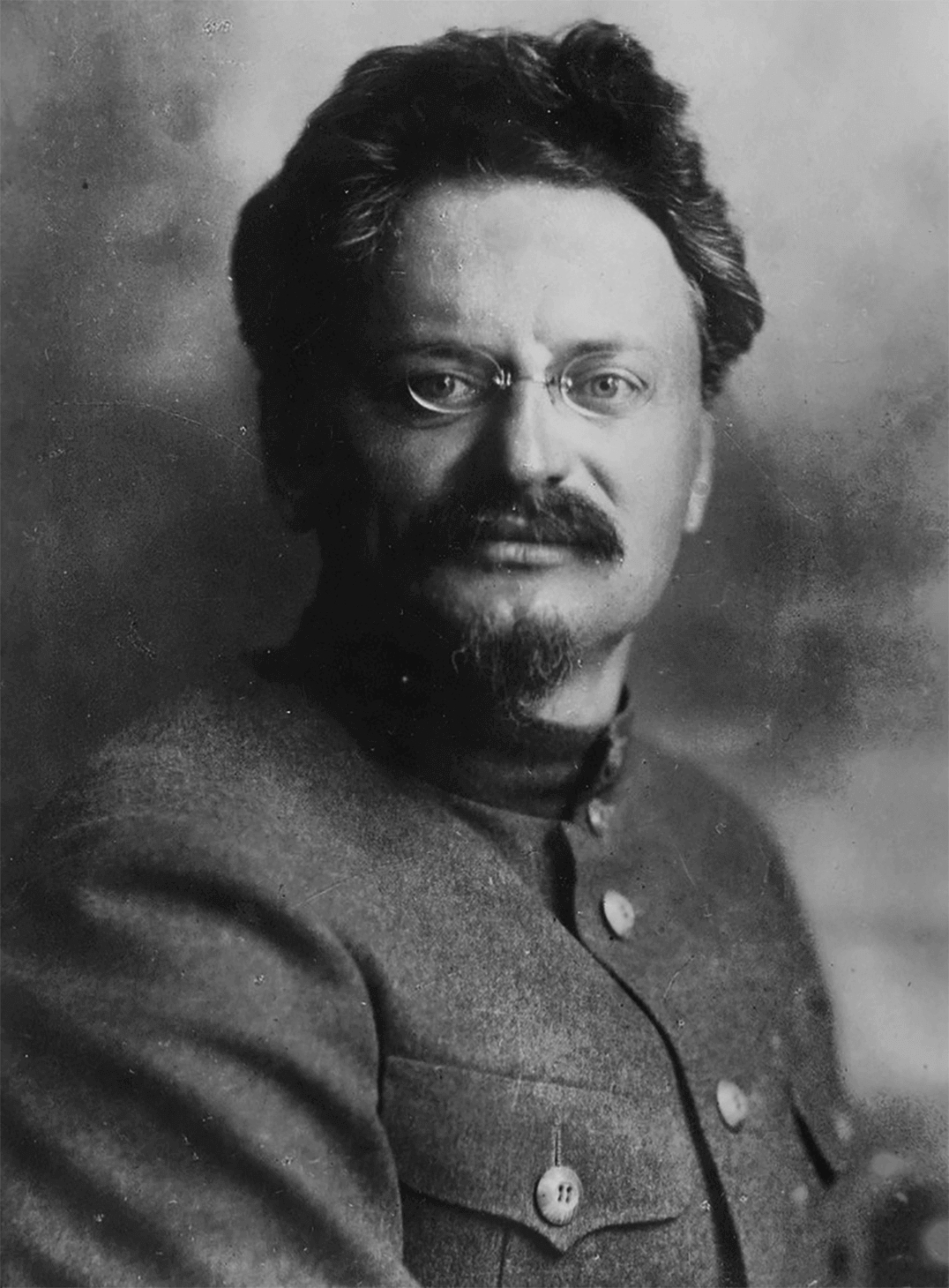
Bukharin was closely associated with Vladimir Lenin, who praised him as a major theorist, and with Leon Trotsky, with whom he debated on various issues. He co-authored works with Yevgeni Preobrazhensky, and his political rivals included Joseph Stalin, who eventually had him executed. His intellectual circle included many leading Bolsheviks of the time.
Relationships & Dating History
Nikolai Bukharin's personal life was intertwined with his political career. His first marriage to Esfir Gurvich, an economist, produced a son, Svyatoslav, but ended in divorce. In the early 1930s, he married Anna Larina, who was much younger. Their marriage was marked by devotion; Larina stood by him through his arrest and trial. At the time of his death in 1938, Bukharin was married to Larina, who was later imprisoned herself. She spent decades fighting for his rehabilitation, which was granted in 1988.
- MarriedEsfir Gurvich1911 - 1930First wife, economist, mother of his son Svyatoslav.
- MarriedAnna Larina1934 - 1938CurrentSecond wife, remained loyal after his death.
Death & Aftermath
Died
March 15, 1938 (aged 49)
Death Place
Moscow
Cause of Death
reported execution by firing squad
Nikolai Bukharin spent his final days in solitary confinement at the Lubyanka Prison, enduring intense psychological pressure and torture that forced him to sign false confessions regarding fabricated plots against the Soviet state. His last public appearance occurred on March 2, 1938, during the Trial of the Twenty-One, where he delivered a coerced confession before being sentenced to death immediately after the verdict. He was executed by firing squad two weeks later on March 15, 1938, as part of the third Moscow Show Trial orchestrated by Joseph Stalin to eliminate a rival within the Communist Party. The official narrative presented his death as a legal consequence of high treason, espionage, and sabotage. Public reaction in 1938 was characterized by enforced silence and mandatory denunciations rather than mourning, as party members were required to condemn him publicly while any expression of grief remained underground.
Following the execution, his body was disposed of secretly in a common grave at the Kommunarka shooting ground near Moscow, and his wife Anna Larina was arrested shortly thereafter, spending sixteen years in the Gulag system. Posthumous recognition arrived decades later when the Supreme Court of the USSR formally rehabilitated him in February 1988, declaring the original charges baseless and the trial a fabrication. This rehabilitation allowed for a private commemoration where his ashes were reinterred in Novodevichy Cemetery alongside other victims of the Great Purge, attended by former dissidents and historians but no high-ranking officials.
Net Worth (Estate Value)
$0
iFANN Editorial Team estimate
As a political figure in the early Soviet Union, Nikolai Bukharin did not accumulate personal wealth. His income derived from his party roles and writing, yet all economic resources remained under strict state control. Following his death, his estate held no significant financial value since his property was confiscated and his works were suppressed for decades. In the post-Soviet era, while his books were republished, any royalties generated go to his heirs, who have not reported substantial earnings. Per iFANN's editorial analysis, the total net worth attributed to Nikolai Bukharin is $0.
Awards & Accolades
Known For
The ABC of Communism
1920 · Co-author
Imperialism and World Economy
1915 · Author
Historical Materialism
1921 · Author
Keywords
Sources
Quick Facts
- Profession
- politician, economist, philosopher
- Born
- October 9, 1888
- Birthplace
- Moscow, Russian Empire
- Died
- March 15, 1938
- Death Place
- Moscow, Soviet Union
- Gender
- Male
- Spouse
- Anna Larina
- Birth Sign
- Libra
Personal Details
- Full Name
- Nikolai Ivanovich Bukharin
- Spouse
- Anna Larina
- Education
- Moscow Imperial University
Frequently Asked Questions
Who was Nikolai Bukharin?
What were Nikolai Bukharin's major works?
What was Nikolai Bukharin's political ideology?
When did Nikolai Bukharin live?
What was Nikolai Bukharin's relationship with Lenin?
Join the community
fans discussing