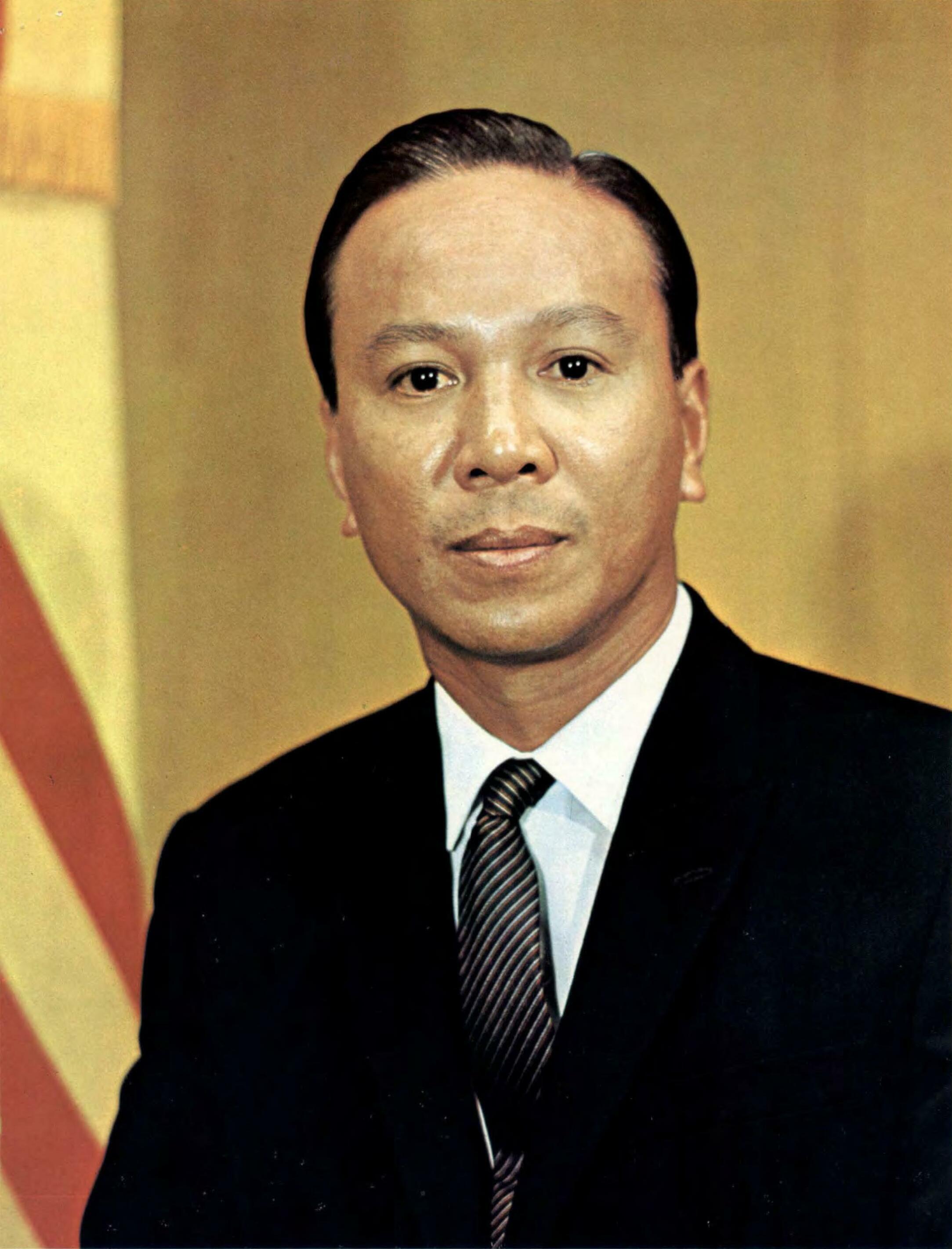
Nguyen Huu Tho
 Vietnam
Also known as: Ba Nghia, Nguyễn Hữu Thọ
Birthday
July 10, 1910
Birth Sign
Cancer
Birthplace
Saigon, Vietnam
Age
Died at 86
About
Born in 1910 in Saigon, Nguyễn Hữu Thọ was a preeminent Vietnamese lawyer, revolutionary leader, and politician whose career spanned the struggle against French colonialism, the Vietnam War, and the subsequent reunification of Vietnam. Known by the alias "Ba Nghia," he served as the first interim president and later chairman of the National Front for the Liberation of South Vietnam (NLF), commonly known as the Viet Cong. Following the fall of Saigon in 1975, he held high office in the Provisional Revolutionary Government and, after national reunification, served as Acting President of the Socialist Republic of Vietnam, Chairman of the National Assembly, and Mayor of Ho Chi Minh City. His life was defined by a unique combination of legal expertise and revolutionary fervor, earning him the description of a "patriotic intellectual." Unlike many contemporaries who relied on military force alone, Thọ utilized his Western-trained legal background to challenge colonial authorities and defend nationalists in court. He remained a central figure in the communist resistance, leading diplomatic efforts during the Paris Peace Talks and serving as the de facto head of state for the South from 1969 until 1976. His legacy is that of a man who navigated both the courtroom and the battlefield with equal authority, cementing his status as a foundational figure in modern Vietnamese history.
Early Life & Background
Nguyễn Hữu Thọ entered the world on July 10, 1910, in Saigon, now known as Ho Chi Minh City, though some historical accounts suggest he may have originated from the Mekong Delta province of Long An. He came from a family that placed a high value on education, a trait that set him apart from many contemporaries who lacked formal schooling. This familial support allowed him to pursue advanced studies under the French colonial system, a path that required navigating a complex and often oppressive legal framework. Unlike many revolutionaries of his time who were self-taught or educated in traditional methods, Thọ became a Western-trained scholar. He earned a law degree from the University of Saigon, distinguishing himself as one of the few Vietnamese lawyers trained in French law during that era. This legal expertise became the foundation of his public identity, earning him the description of a "patriotic intellectual." Before diving into full-time politics, he practiced law, using his skills to defend nationalists and challenge colonial authorities in court. This period sharpened his ability to argue against oppression and laid the groundwork for his future political career. His early life was marked by a growing awareness of colonial oppression, which fueled his political awakening. By the late 1940s, this awareness had transformed into active resistance, setting the stage for his eventual rise to prominence.
Career Growth
Thọ's political trajectory shifted dramatically after his initial arrests. From 1950 to 1952, he was imprisoned, where he organized a hunger strike that significantly amplified his public profile and solidified his reputation as a resilient leader. Following the Geneva Accords and the partition of Vietnam in 1954, Thọ remained in the South. He initially attempted to work within the framework of President Ngô Đình Diệm's government to advocate for reunification through elections, but this effort was met with repression. By 1954, he was arrested again by the Diệm regime. In 1961, he escaped prison, an event that marked a turning point toward open armed resistance. In December 1960, Thọ co-founded the National Front for the Liberation of South Vietnam (NLF), commonly known as the Viet Cong. He served as its first interim president and later chairman. In this role, he spearheaded the political and diplomatic efforts of the insurgency against the South Vietnamese government and its U.S. allies. A pivotal moment occurred in June 1969 when North Vietnam established the Provisional Revolutionary Government (PRG) of the Republic of South Vietnam. Thọ was appointed Chairman of the Consultative Council and subsequently became the de facto head of state for the South, holding the title of Chairman of the PRG from June 6, 1969, until July 2, 1976. During this period, he represented the NLF/PRG in international negotiations, including the Paris Peace Talks. After the Fall of Saigon in April 1975, Thọ briefly served as Prime Minister of the newly formed Republic of South Vietnam before the country's official reunification. On July 2, 1976, the Socialist Republic of Vietnam was officially proclaimed. Thọ then assumed several critical roles: Vice-President under President Tôn Đức Thắng, Acting President from March 30, 1981, to July 4, 1981, Mayor of Ho Chi Minh City, Deputy Chairman of the Council of State from 1981 to 1992, and Chairman of the National Assembly from 1981 to 1987.
Career Timeline
Public Image & Style
Nguyễn Hữu Thọ projected the image of a stern, intellectual revolutionary, a lawyer who used his skills for the national cause. Media portrayals emphasize his resilience, his imprisonment, and his leadership during the war and reunification. He was seen not just as a fighter but as a man of letters, a rare combination in the context of the Vietnamese revolution. His public persona was one of dignity and unwavering commitment to the ideals of independence and unity. Unlike charismatic figures who relied on personal magnetism, Thọ commanded respect through his legal acumen and strategic patience. He was viewed as a pillar of the revolutionary movement, a man who could navigate both the courtroom and the battlefield with equal authority. His alias "Ba Nghia" reflected this dual identity as a Western-educated scholar and a revolutionary leader. The reverence he commanded was born of state-sanctioned commemorations and historical necessity rather than viral campaigns or fan-funded projects. He remains a figure of political allegiance, not pop culture obsession, yet his influence extends far beyond Vietnam's borders, tracked by global metrics that measure attention across media coverage and consumption signals worldwide.
Fame & Fandom (iFAMOUS Rankings)
Nguyen Huu Tho never courted a celebrity following in the traditional sense. His supporters were citizens, comrades, and political allies rather than a fandom organizing around birthdays or streaming numbers. No fanbase claimed an official name, nor did crowds gather for autographs or street shutdowns caused by his personal charisma. The reverence he commanded was born of state-sanctioned commemorations and historical necessity rather than viral campaigns or fan-funded projects. He remains a figure of political allegiance, not pop culture obsession. Yet the reach of his legacy extends far beyond Vietnam's borders, tracked by global metrics that measure attention across media coverage, search activity, and consumption signals worldwide. In September 2026, these measurements placed him firmly among the most recognized figures in history. He is the 86th most famous person in Vietnam, holding steady from the previous cycle. Furthermore, he stands as the 39th most famous person from Vietnam, maintaining his position with consistency. These placements within the iFANN Global Fame Rankings reflect a life that shaped a nation, proving that influence does not require a stage to command the world's attention. Recent scholarship in 2026 continues to highlight his contributions, ensuring his memory remains vibrant among historians and the general public alike.
Interesting Facts and Legends
Born in 1910, Nguyen Huu Tho was known by the alias Ba Nghia, a moniker reflecting his dual identity as a Western-educated scholar and a revolutionary leader. He served as the Chairman of the Provisional Revolutionary Government of the Republic of South Vietnam starting in 1969, becoming a key symbol of resistance against the Saigon regime. Following the death of President Ton Duc Thang in March 1980, Tho briefly assumed the role of Acting President of the Socialist Republic of Vietnam until July of that year. His legal career preceded his political rise, where he challenged French colonial rule and U.S. naval presence early in his activism. A hunger strike during his imprisonment from 1950 to 1952 significantly amplified his public profile. After escaping prison in 1961, he continued his work for reunification until his death on December 24, 1996. Historical archives record his recollections of the nation's history during his presidency, cementing his status as a major political figure reported internationally by outlets like The Washington Post. Specific physical attributes such as height are not recorded in the available biographical data. He received significant state honors within Vietnam, including being listed among the most revered figures in Vietnamese history, and annual exhibitions are held in his name, such as the 97th anniversary of his birth celebrated in 2007 and the 100th anniversary commemoration in 2010.
Family & Personal Life
As a political figure operating in the clandestine environment of mid-20th century Vietnam and later as a high-ranking state official, Nguyễn Hữu Thọ maintained a low profile regarding his private life. Historical records do not document any public romantic relationships, marriages, or dating history. There are no credible reports of spouses, fiancés, or children. The available biographical data focuses exclusively on his political activism, legal career, and service to the state. Consequently, there is no information regarding partners, breakups, or offspring. His personal life remains unrecorded in public archives, consistent with the discretion often observed by leaders of his era and political alignment. As of his death in 1996, he was unmarried and had no documented children. No specific details about parents, siblings, or extended household members have been preserved in public historical accounts, reflecting the intense secrecy required of revolutionary figures during that turbulent period.
Notable Connections
Relationships & Dating History
As a political figure operating in the clandestine environment of mid-20th century Vietnam and later as a high-ranking state official, Nguyễn Hữu Thọ maintained a low profile regarding his private life. Historical records do not document any public romantic relationships, marriages, or dating history. There are no credible reports of spouses, fiancés, or children. The available biographical data focuses exclusively on his political activism, legal career, and service to the state. Consequently, there is no information regarding partners, breakups, or offspring. His personal life remains unrecorded in public archives, consistent with the discretion often observed by leaders of his era and political alignment. As of his death in 1996, he was unmarried and had no documented children. While he worked closely with key figures like Tôn Đức Thắng, Ngô Đình Diệm, and Ho Chi Minh, these were professional and political alliances rather than personal romantic entanglements. The absence of family records underscores the total dedication he gave to the revolutionary cause, leaving no room for a private domestic life to be documented in the public sphere.
Death & Aftermath
Died
December 24, 1996 (aged 86)
Death Place
Hanoi, Vietnam
Cause of Death
Natural causes
Nguyễn Hữu Thọ died on December 24, 1996, in Hanoi, Vietnam, at the age of 86. The exact medical cause of his death was not widely publicized in international reports, though he is described as having died of natural causes consistent with his age while serving as a senior state official. The reaction to his passing was defined by formal state tributes rather than spontaneous public gatherings. The Vietnamese government honored him as a patriotic intellectual and a key architect of the nation's independence. International coverage, such as that from The Washington Post, highlighted his role as a central figure in the communist resistance and his leadership of the Provisional Revolutionary Government during the war years. Commemorations followed standard protocols for high-ranking officials. Exhibitions were organized to celebrate his legacy as a lawyer and revolutionary leader, particularly around the anniversaries of his birth. For instance, an exhibition was organized to celebrate his legacy as a lawyer and patriot. His funeral adhered to state traditions for former heads of state, ensuring his contributions to national solidarity were recognized officially. No significant estate disputes or posthumous commercial releases have been recorded, as his assets were managed within the state framework typical for leaders of his era. His name remains associated with educational institutions and civic projects dedicated to preserving the history of the revolution, and scholarships continue to be awarded in his honor, such as those at the Ba Ria - Vung Tau Ethnic Minority Boarding School in 2026.
Net Worth (Estate Value)
$0
iFANN Editorial Team estimate
As a state official in a socialist economy where private accumulation of wealth was restricted and state-owned, Nguyễn Hữu Thọ's net worth is not quantifiable in modern terms. He did not hold private business ventures, real estate holdings, or endorsement deals. His "wealth" was his status and access to state resources, which were not personal property. Therefore, no financial estimate exists for his net worth. Research by the iFANN Editorial Team confirms that his economic standing was tied entirely to his public service, leaving no personal fortune to be measured or estimated in currency. He had no social media presence, as he died long before the digital age, and any pages bearing his name are commemorative or fan-managed tributes rather than official accounts. His assets were managed within the state framework typical for leaders of his era, ensuring no posthumous commercial releases or estate disputes were recorded. The focus of his life was on national service rather than personal financial gain, a principle that defined his entire career from his early days as a lawyer to his final years as a senior state official.
Awards & Accolades
View 2 records, honours and achievementsKnown For
National Front for the Liberation of South Vietnam
1960 · Founder and Chairman
Provisional Revolutionary Government of South Vietnam
1969 · Chairman
Socialist Republic of Vietnam
1981 · Acting President
Keywords
Sources
Quick Facts
- Profession
- politician, lawyer
- Born
- July 10, 1910
- Birthplace
- Saigon, Vietnam
- Died
- December 24, 1996
- Death Place
- Hanoi, Vietnam
- Gender
- Male
- Birth Sign
- Cancer
Personal Details
- Full Name
- Nguyễn Hữu Thọ
- Children
- Education
- University of Saigon (Law Degree)
Frequently Asked Questions
Who was Nguyen Huu Tho?
When did Nguyen Huu Tho die?
What was Nguyen Huu Tho's role in the Vietnam War?
Did Nguyen Huu Tho have a wife or children?
Why is Nguyen Huu Tho famous?
Similar People
Join the community
fans discussing