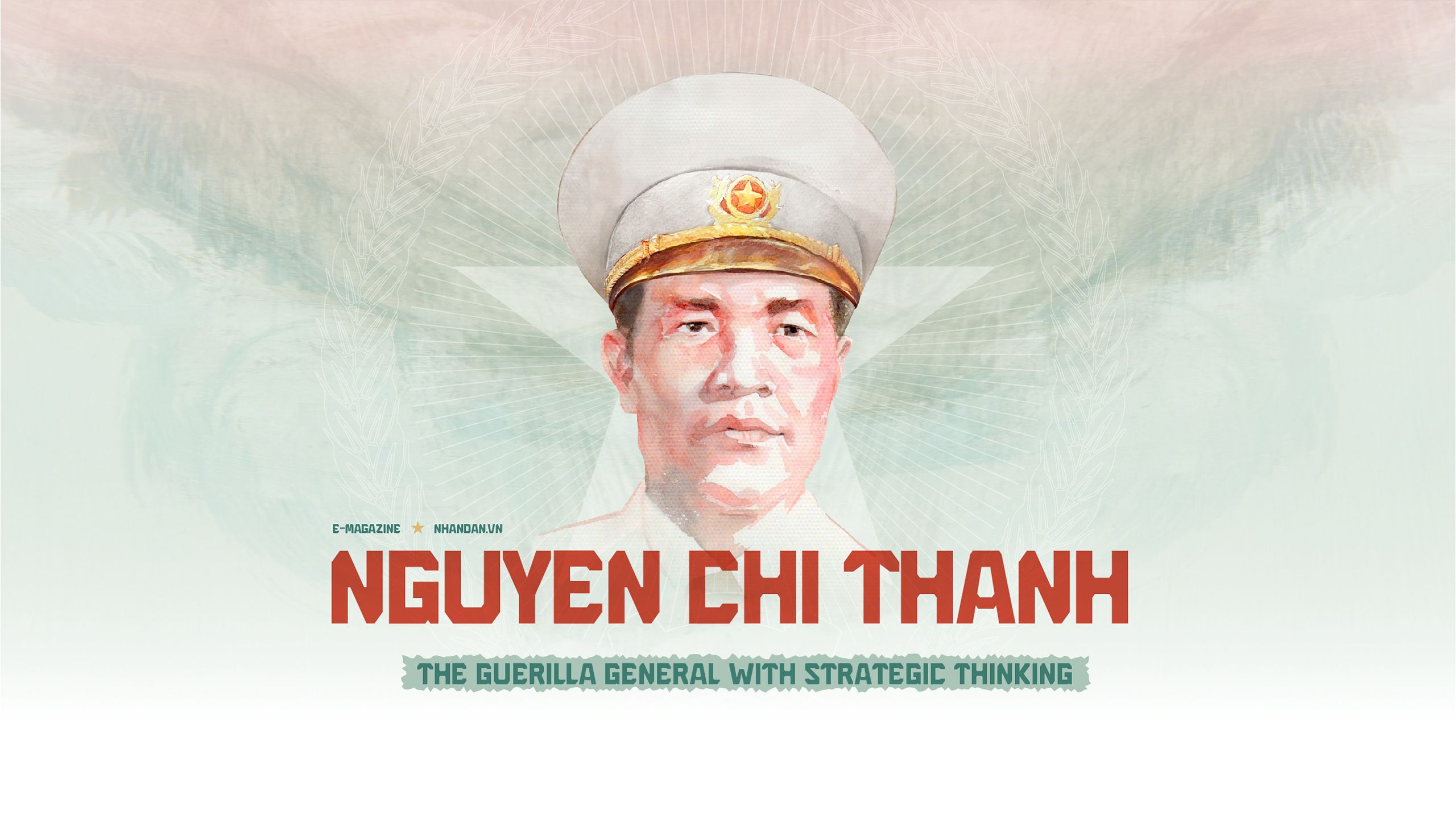
Nguyễn Chí Thanh
 Vietnam
politician•military personnel•soldier
Also known as: Nguyễn Văn Vịnh
Birthday
January 1, 1914
Birth Sign
Capricorn
Birthplace
Huế, Vietnam
Age
Died at 53
About
Nguyễn Chí Thanh, born Nguyễn Văn Vịnh, was a Vietnamese general and politician who played a decisive role in the country's war for unification. A member of the Politburo of the Communist Party of Vietnam, he is best remembered as the chief strategist for the Tet Offensive of 1968, a turning point in the Vietnam War.
Thanh's military career spanned the First Indochina War, where he rose to the rank of general in the Vietnam People's Army. His later years were spent leading the Central Office for South Vietnam, the nerve center for communist operations in the South. His strategic vision directly shaped the course of the war, and his sudden death in 1967 came just as his most ambitious plan was about to unfold.
Early Life & Background
Born into a peasant family in Huế, Central Vietnam, Nguyễn Chí Thanh's early life was shaped by the poverty and colonial oppression of French Indochina. Details of his schooling are scarce, but his path took a decisive turn when he joined the Indochinese Communist Party in the mid-1930s. This commitment to revolution came at a steep price: during World War II, French authorities imprisoned him, and he spent much of the war behind bars.
His release marked the beginning of his rise within the Party. He threw himself into organizational work in Central Vietnam, rebuilding networks and rallying support. His dedication did not go unnoticed, and in 1951 he earned a seat on the Politburo. By the time of the First Indochina War, he had been promoted to general, a position that placed him at the heart of Vietnam's military struggle against French colonial rule.
Career Growth
From 1965 until his death, Nguyễn Chí Thanh served as the chief strategist and military commander for the Central Office for South Vietnam, the command hub for communist forces in the South. In this role, he orchestrated guerrilla campaigns and coordinated political and military efforts against the Republic of Vietnam. His most significant contribution came in 1967, when he presented a bold plan for a nationwide offensive to the Politburo. That plan, which he had been developing for months, would become the Tet Offensive of 1968. Thanh died in Hanoi on July 7, 1967, shortly after his plan was approved, and never saw its execution. His death was a major blow to the communist war effort, yet the offensive he designed went ahead and fundamentally altered the course of the war.
Career Timeline
Public Image & Style
Nguyễn Chí Thanh is remembered in Vietnam as a strategist of steely resolve, a general who combined political acumen with battlefield pragmatism. Historical accounts and official commemorations portray him as a dedicated revolutionary who spent his final years orchestrating the war from the shadows. His name is etched onto streets and infrastructure projects across the country, a quiet but constant reminder of his role in the nation's history. For historians, he is a key figure in understanding the Tet Offensive and the broader strategy of the Vietnam War.
Fame & Fandom (iFAMOUS Rankings)
The legacy of General Nguyễn Chí Thanh exists in the quiet reverence of state museums and the enduring weight of historical archives rather than the chaotic energy of a modern fanbase. There is no organized collective of supporters, no viral campaigns to boost his profile, and no formal name for an audience that gathers to celebrate his life. The YouTube channel bearing his name features comedy sketches by an unrelated creator, a digital coincidence that underscores the separation between this historical figure and contemporary internet culture. Instead of fan rituals, interaction with his memory takes the form of educational visits to the museum in Hanoi and official commemorations held by state institutions. His status as a national legend is defined by the structural reforms he enacted, such as the political commissar system, and his role as the second General of the Vietnam People's Army. These are not stories told by fans in online forums but verified accounts of a revolutionary who shaped the course of a war. While his image appears on streets and infrastructure projects across Vietnam, these tributes reflect a national duty to remember rather than a fandom's devotion. He remains a figure of profound historical importance whose influence is measured in geopolitical shifts and military strategy rather than streaming numbers or chart positions. Despite the depth of his impact on Vietnamese history, iFANN's Global Fame Engine has evaluated this person, but they do not currently hold a placement in the published rankings (Global Top 1,000 or a Top-100 scope list). Consequently, Nguyễn Chí Thanh is not currently ranked among the most famous people globally.
Interesting Facts and Legends
Nguyễn Chí Thanh's birth name, Nguyễn Văn Vịnh, was changed to Nguyễn Chí Thanh, a name that has since become synonymous with military strategy in Vietnam. A major street in Hanoi, Nguyễn Chí Thanh, bears his name, as does an overpass currently under construction in the city. In Hội An, a street upgrade project on Nguyễn Chí Thanh street was re-initiated in 2025. Interestingly, a YouTube channel titled "Nguyen Chi Thanh" features prank and lifestyle videos, but it belongs to an unrelated content creator, not the historical figure. Historians often cite his establishment of the political commissar system as his most enduring contribution, a structural change that assigned political officers down to the lowest levels of the military. He is recognized as the second General of the Vietnam People's Army, ranking immediately after Đại tướng Võ Nguyên Giáp. His death on July 6, 1967, marks a pivotal moment in history, with the anniversary commemorated annually by state institutions. In September 2025, the Cuban Defense Minister visited the General Nguyễn Chí Thanh Museum in Hanoi, highlighting its status as a symbol of international military solidarity.
A widely retold story in Vietnam frames him as "The Farmer, The Soldier, The Great General," a title earned through his unique ability to operate seamlessly from the fields to the highest command echelons. This narrative emphasizes his reputation as a strategist of steely resolve who combined political acumen with battlefield pragmatism. Another enduring legend concerns his final years leading the Central Office for South Vietnam, where he orchestrated operations until his sudden death just as his most ambitious plan was about to unfold.
Family & Personal Life
Public records offer no information about Nguyễn Chí Thanh's family. His parents, siblings, and any spouse or children remain undocumented in the available sources. Given the secretive nature of his work as a communist revolutionary and military leader, it is likely that personal details were kept private by design. His legacy, therefore, rests entirely on his public role in Vietnam's struggle for independence and unification.
Notable Connections
Nguyễn Chí Thanh's career was intertwined with the highest echelons of the Vietnamese communist movement. He was a member of the Politburo, the party's ruling body, and a general in the Vietnam People's Army. His most significant association was with the Central Office for South Vietnam, where he served as chief strategist. His plan for the Tet Offensive was presented to and approved by the Politburo, linking his name indelibly to that historic operation.
Relationships & Dating History
No information is available about Nguyễn Chí Thanh's romantic relationships or marital status. Historical records focus exclusively on his political and military career, and personal details of this nature were not publicly documented. It is possible that he was married, but no credible sources confirm this. His private life remains a mystery to historians and biographers alike.
Death & Aftermath
Died
July 7, 1967 (aged 53)
Death Place
Hanoi, North Vietnam
Cause of Death
Liver cancer (hepatocellular carcinoma)
State media in Hanoi issued extensive tributes immediately following the passing of General Nguyễn Chí Thanh, praising his strategic acumen and loyalty as a key architect of the political commissar system. High-ranking officials including Ho Chi Minh and Võ Nguyên Giáp publicly mourned the loss, while a moment of silence was observed nationwide to honor the man who had shaped the course of the war. The official narrative from the North Vietnamese government stated that the first political general died of natural causes due to illness while continuing to direct military operations. He had been suffering from liver cancer for several months prior to his final days, which were spent under close guard at a military hospital in Hanoi where his condition deteriorated rapidly in late June and early July 1967.
His funeral shortly after his death in July 1967 was a state affair attended by top communist leaders and military commanders before he was cremated and interred at the National Cemetery in Hanoi. Decades later, numerous streets, schools, and military units across Vietnam bear his name, and a museum dedicated to his life established in the capital continues to attract visitors.
Net Worth (Estate Value)
As a deceased military and political figure from the mid-20th century, Nguyễn Chí Thanh's personal net worth is not a subject of public record. He lived during a time of war and revolution, and his estate would have been modest. His financial legacy is not measured in personal wealth but in the infrastructure and institutions that bear his name. Streets, overpasses, and public projects named after him are ongoing investments in Vietnam's urban landscape, but these are state assets, not personal holdings.
Awards & Accolades
View 3 records, honours and achievementsKnown For
Tet Offensive
1968 · Chief strategist
Central Office for South Vietnam
1965 · Chief strategist and military commander
Keywords
Sources
Quick Facts
- Profession
- politician, military personnel, soldier
- Born
- January 1, 1914
- Birthplace
- Huế, Vietnam
- Died
- July 7, 1967
- Death Place
- Hanoi, Vietnam
- Gender
- Male
- Birth Sign
- Capricorn
Personal Details
- Full Name
- Nguyễn Văn Vịnh
Frequently Asked Questions
Who was Nguyễn Chí Thanh?
When was Nguyễn Chí Thanh born and when did he die?
What was Nguyễn Chí Thanh's role in the Vietnam War?
Where was Nguyễn Chí Thanh born?
What is Nguyễn Chí Thanh known for?
Similar People
Join the community
fans discussing