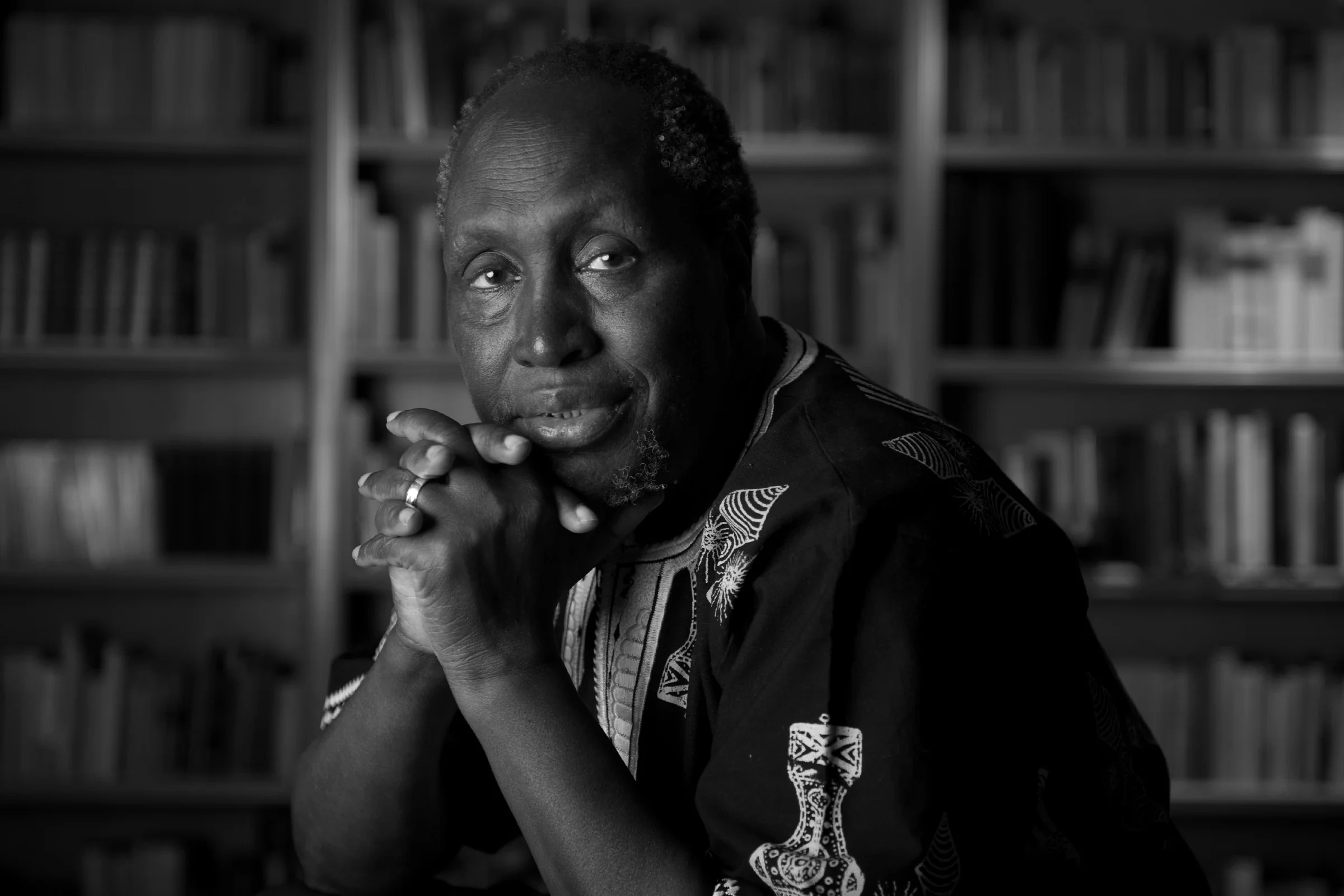
Ngũgĩ wa Thiong'o
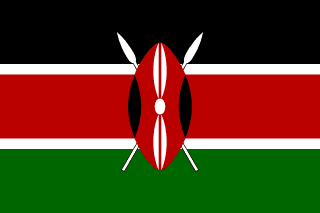 Kenya
KenyaAlso known as: James Ngugi, Ngugi wa Thiong'o
Birthday
January 5, 1938
Birth Sign
Capricorn
Birthplace
Kamirithu, Limuru, Kenya
Age
Died at 87
Height
5 ft 9 in (175 cm)
About
Ngũgĩ wa Thiong'o was a Kenyan novelist, playwright, and academic widely regarded as one of the most influential figures in African literature. Born James Ngugi on January 5, 1938, he fundamentally reshaped post-colonial discourse by rejecting colonial languages in favor of his native Gikuyu. His career spanned over six decades, producing works that critiqued neo-colonialism and championed indigenous culture.
He passed away on May 28, 2025, at the age of 87 in California, where he had lived in exile since 1978. Throughout his life, he served as a Distinguished Professor at the University of California, Irvine, and held visiting positions at Yale and NYU. His legacy includes seminal texts like A Grain of Wheat and the theoretical manifesto Decolonising the Mind, which continue to influence scholars globally.
Early Life & Background
Born James Ngugi in the village of Kamirithu near Limuru, Kenya, he grew up during the height of British colonial rule. His early years were marked by the tensions of the Mau Mau Uprising, a conflict that deeply influenced his worldview. He attended Nyeri High School before enrolling at the University College of East Africa, now Makerere University, where he earned a Bachelor of Arts in English Literature in 1963. His academic excellence led him to the University of Leeds in the United Kingdom, where he completed a Master's degree in 1966.
Upon returning to Kenya, he joined the staff at the University of Nairobi. During this period, he began writing plays and novels that subtly critiqued the emerging post-independence elite. In 1964, he published his debut novel, Weep Not, Child, which became the first major novel written by an East African in English. The book depicted the impact of the Mau Mau uprising on a young Kikuyu boy and established him as a significant literary voice. This early success, however, also drew the attention of the government, setting the stage for future conflicts regarding freedom of expression.
Career Growth
Ngũgĩ's career took a radical turn in the late 1970s following the banning of his play Ngaahika Ndeenda (I Will Marry When I Want) in 1977. Co-written with Ngũgĩ wa Mirii, the play was performed by a community theater group in Gikuyu and criticized the neo-colonial elite. The government banned it just six weeks after its opening, leading to his arrest and nine-month detention without trial at Kamiti Maximum Security Prison.
During his incarceration, he made the pivotal decision to abandon writing in English. He wrote his novel Devil on the Cross entirely in Gikuyu while imprisoned, using scraps of paper smuggled out or dictated to fellow prisoners. After his release in 1978, he faced house arrest and subsequently fled Kenya into exile. He taught at various prestigious universities, including Rutgers, NYU, and Yale, before settling at the University of California, Irvine, where he became a Distinguished Professor.
In 1986, he published Decolonising the Mind, a manifesto arguing that the colonized must reclaim their indigenous languages to truly liberate their minds. His work continued to gain international recognition, earning him the International Nonino Prize in 2001 and the Park Kyong-ni Prize in 2016. Even after his death in 2025, his works remained active, with new productions like the musical adaptation of Matigari appearing in 2026.
Career Timeline
Public Image & Style
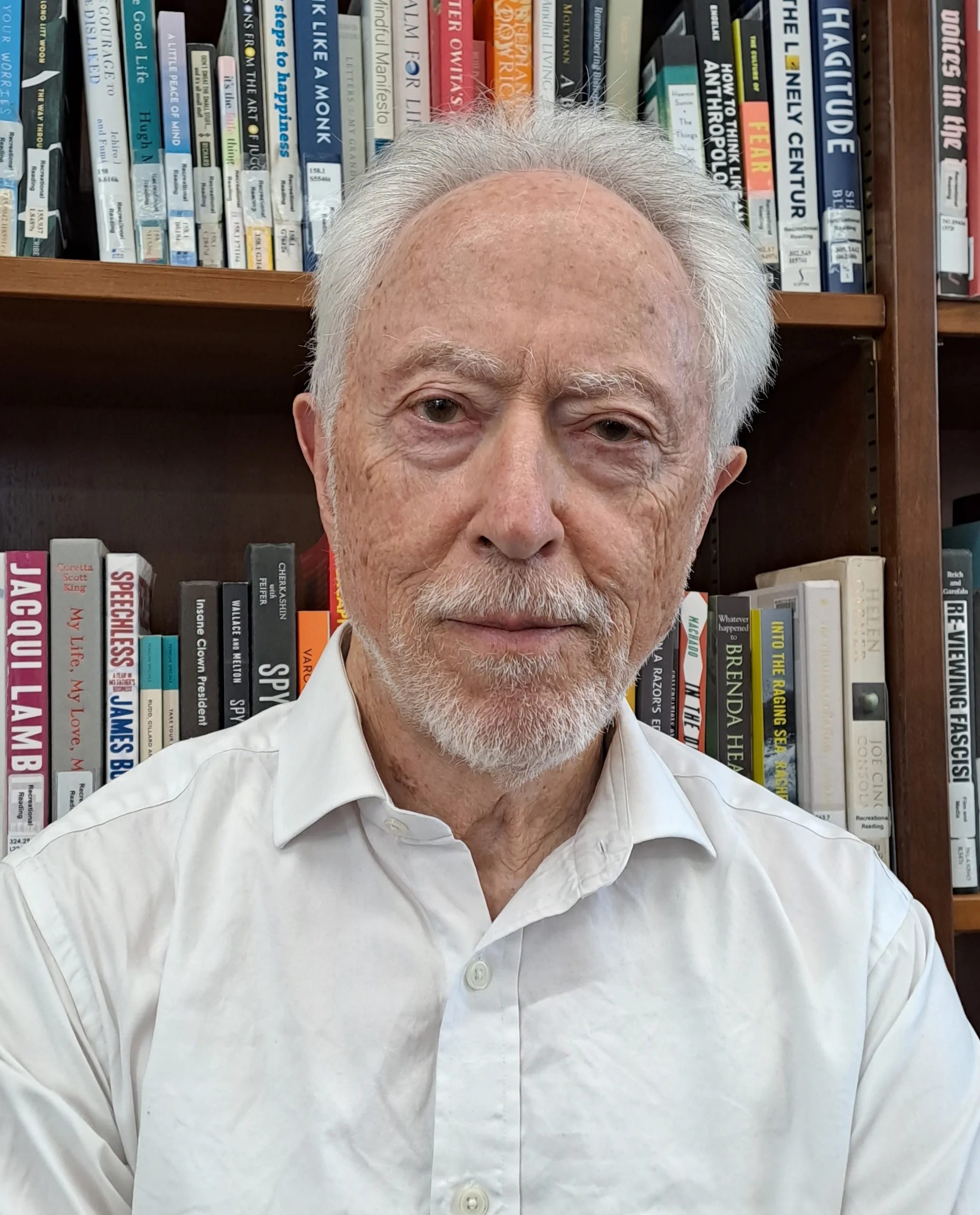
Ngũgĩ is portrayed as a fearless critic of power and a moral authority in African literature. His public persona is defined by his unwavering commitment to linguistic decolonization and his role as a mentor to generations of writers. Media portrayals emphasize his dignified demeanor, often seen in simple attire that reflected his connection to the people he championed. He was frequently tipped for the Nobel Prize in Literature and recognized globally for his defense of human rights and cultural sovereignty.
Fame & Fandom (iFAMOUS Rankings)
Ngũgĩ wa Thiong'o stands as the 9th most famous person from Kenya, a standing confirmed in the August 2026 cycle. This placement reflects a sustained legacy within the iFANN Global Fame Rankings, which track global attention across media coverage and cultural consumption signals worldwide. His stature remains steady, anchoring him firmly among the nation's most recognized figures.
The audience surrounding Ngũgĩ wa Thiong'o does not organize under a formal fandom name. Unlike celebrity circles defined by fan clubs or viral campaigns, his admirers form a dispersed network of scholars, students, and literary enthusiasts united by intellectual engagement rather than ritualistic gatherings. His influence persists through academic symposia, conference roundtables, and the ongoing translation of his texts into indigenous languages. These activities serve as the primary rituals of his community, honoring his life work without the need for a specific branded identity.
Interesting Facts and Legends
Ngũgĩ changed his birth name from James Ngugi to Ngũgĩ wa Thiong'o in 1975 to reject colonial naming conventions and embrace the traditional Gikuyu patronymic system. While detained at Kamiti Prison, he wrote Devil on the Cross in secret, a feat that became a legendary act of intellectual resistance. He founded the journal Mũtĩiri specifically to promote literature in Gikuyu. His short story collection The Upright Revolution: Or Why Humans Walk Upright was translated into over 100 languages. The Kenya National Theatre staged a Kikuyu musical version of his banned novel Matigari in September 2026, forty years after its original ban.
Notable Quotes
“Language is not just a vehicle of communication; it is a carrier of culture.”
“The most important thing about language is that it is a tool for liberation.”
“We must write in our own languages if we are to be free.”
Family & Personal Life
Ngũgĩ married Miriam Muthoni Ngugi in 1964. They had five children together: Mũkoma, Wanjikũ, Mutahi, Nyokabi, and Mwangi. All of his children have followed in his footsteps, becoming accomplished writers, academics, and artists who continue his literary legacy. Mũkoma wa Ngũgĩ is a prominent author and editor, while Wanjikũ wa Ngũgĩ is a filmmaker and writer. The family managed his estate and oversaw the establishment of the Ngũgĩ wa Thiong'o Centre in Limuru after his passing.
Notable Connections
Relationships & Dating History
Ngũgĩ wa Thiong'o was married to Miriam Muthoni Ngugi starting in 1964. They met during his university days and shared a lifelong partnership dedicated to his literary and political activism. Their marriage produced five children, all of whom became prominent figures in literature and academia. Muthoni was a steadfast supporter of his work, particularly during his imprisonment and exile.
They remained married until her death, though the specific date of her passing is not widely publicized. As of the time of his death in May 2025, Ngũgĩ was widowed. There are no public records of other romantic relationships or marriages following the death of his wife. He remained a devoted family man and intellectual giant until his passing.
- MarriedMiriam Muthoni Ngugi1964 - presentMarried until her death; they had five children together.
Death & Aftermath
Died
May 28, 2025 (aged 87)
Death Place
California, United States
Cause of Death
Natural causes associated with old age
The family of Ngũgĩ wa Thiong'o confirmed his passing on May 28, 2025, at the age of 87, marking the end of a life dedicated to African literature and linguistic sovereignty. The renowned playwright and novelist passed away in California, United States, where he had resided since 1978. While specific medical details surrounding his final days remain private, the official determination cites natural causes associated with old age, bringing a quiet close to his long journey from Limuru to the global stage. Tributes poured in immediately from across the literary world, with institutions like New York University's Center for the Study of Africa and Howard University's Center for African Studies honoring his legacy as one of Africa's greatest writers.
Media outlets such as The Conversation reflected on his profound impact, noting that Kenya and the world were mourning the loss of an advocate who fundamentally reshaped post-colonial discourse. His children, including Mũkoma and Wanjikũ, who have all become accomplished artists in their own right, managed the transition of his estate and oversaw the establishment of the Ngũgĩ wa Thiong'o Centre in Limuru to preserve his work. Even after his death, his influence remained palpable, with new productions like the musical adaptation of Matigari appearing in 2026, ensuring his stories continued to resonate with new generations.
Net Worth (Estate Value)
$9.6 Million
iFANN Editorial Team estimate
iFANN currently estimates Ngũgĩ wa Thiong'o's net worth at approximately $9.6 million at the time of his death. This figure reflects the accumulated value of his academic salaries, book royalties, and speaking engagements over a distinguished career. As a Distinguished Professor at the University of California, Irvine, he commanded a significant salary, while his global best-selling works generated steady income for decades.
The estate, now managed by his children Mũkoma and Wanjikũ, continues to generate revenue through licensing, posthumous publications, and new adaptations. The 2026 staging of Matigari as a musical and the unveiling of the Ngũgĩ wa Thiong'o Centre represent ongoing financial activity tied to his intellectual property. His estate valuation accounts for the enduring demand for his translations and the academic study of his theories.
Awards Won (4)
Ngũgĩ wa Thiong'o received numerous accolades throughout his life, including the International Nonino Prize in 2001 and the Park Kyong-ni Prize in 2016. He won the Commonwealth Poetry Prize for his collection Secret Lives and the Jomo Kenyatta Prize for Literature in 1992. He also received honorary doctorates from over 30 universities worldwide, including Harvard, Oxford, and Cambridge.
2001 · Literature
Contribution to world literature
2016 · Literature
Global impact on literature
Known For
A Grain of Wheat
1968 · Novelist
Decolonising the Mind
1986 · Essayist
Ngaahika Ndeenda
1977 · Playwright
Keywords
Sources
Quick Facts
- Profession
- playwright, novelist, essayist
- Born
- January 5, 1938
- Birthplace
- Kamirithu, Kenya
- Died
- May 28, 2025
- Death Place
- California, USA
- Gender
- Male
- Birth Sign
- Capricorn
Personal Details
- Full Name
- James Ngugi
- Height
- 5 ft 9 in (175 cm)
- Spouse
- Miriam Muthoni Ngugi
- Children
- Mũkoma wa Ngũgĩ, Wanjikũ wa Ngũgĩ, Mutahi wa Ngũgĩ, Nyokabi wa Ngũgĩ, Mwangi wa Ngũgĩ
- Education
- University College of East Africa (BA), University of Leeds (MA)
Frequently Asked Questions
Who is Ngũgĩ wa Thiong'o?
When did Ngũgĩ wa Thiong'o die?
Why did Ngũgĩ wa Thiong'o stop writing in English?
What is Ngũgĩ wa Thiong'o's most famous book?
Does Ngũgĩ wa Thiong'o have any children?
Social Media
Join the community
fans discussing